

Discover premium Sencha and Shincha from award-winning tea farms!

Wakocha Sashima
Fukumidori P.Free

Super Premium 97 P.

SKU
0500
This exquisite black tea rarity comes from Ibaraki, one of Japan’s northernmost tea-growing regions. It is crafted from the Fukumidori cultivar, which is rarely used for Wakocha and lends the tea an exceptional elegance. Notes of ripe cherry and prune shape its complex aromatic profile, complemented by a delicate natural sweetness. The tea is grown according to holistic principles by a traditional, fourth-generation tea farm. 60g
Character Elegant, well-balanced; notes of rum and chocolate, cherry, prune
Tea Farm A traditional tea farm with a holistic approach to cultivation, family-owned for four generations
Origin Joso, Ibaraki
Harvest 2nd harvest (Bancha), July 2025
Cultivar Fukumidori
Withering/Oxidation Process Withering, rolling, oxidation, final drying, hand-sorting
Oxidation Full
Elevation 20m above sea level
Cultivation Grown without chemical pesticides
Laboratory Tests Radioactivity (annual test of the region) and pesticides
Grade 97/100 P. (Japanese black tea category); Super Premium Grade
€16.90
60g

Delivery : up to 5 business days

Incl. VAT, excl. shipping

SKU
0500
€281.67 / 1kg
In stock
Wakocha Sashima Fukumidori Pest.free Wakocha Sashima Fukumidori Pest.free Wakocha Sashima Fukumidori Pest.free Wakocha Sashima Fukumidori Pest.free Wakocha Sashima Fukumidori Pest.free

Tea Farm

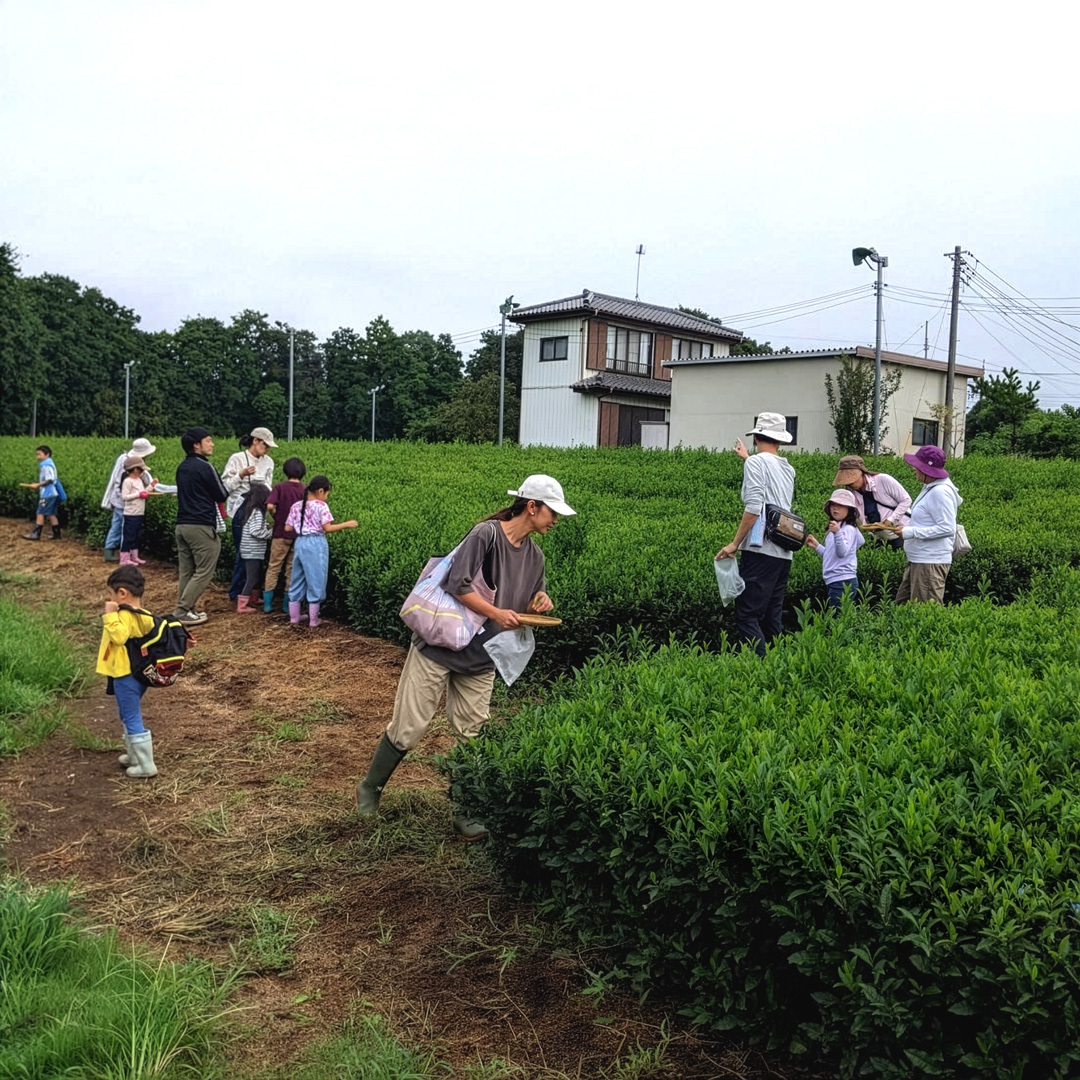
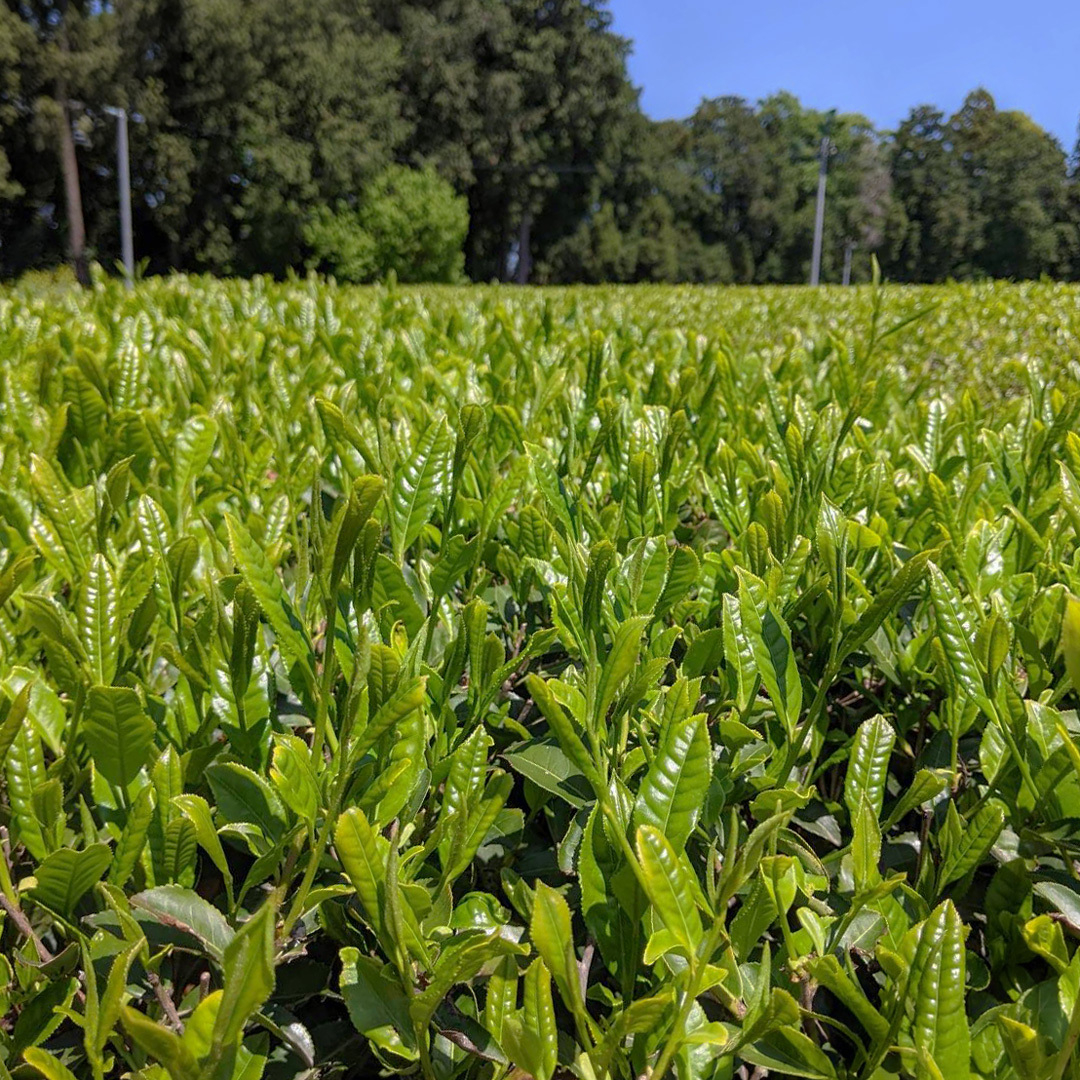
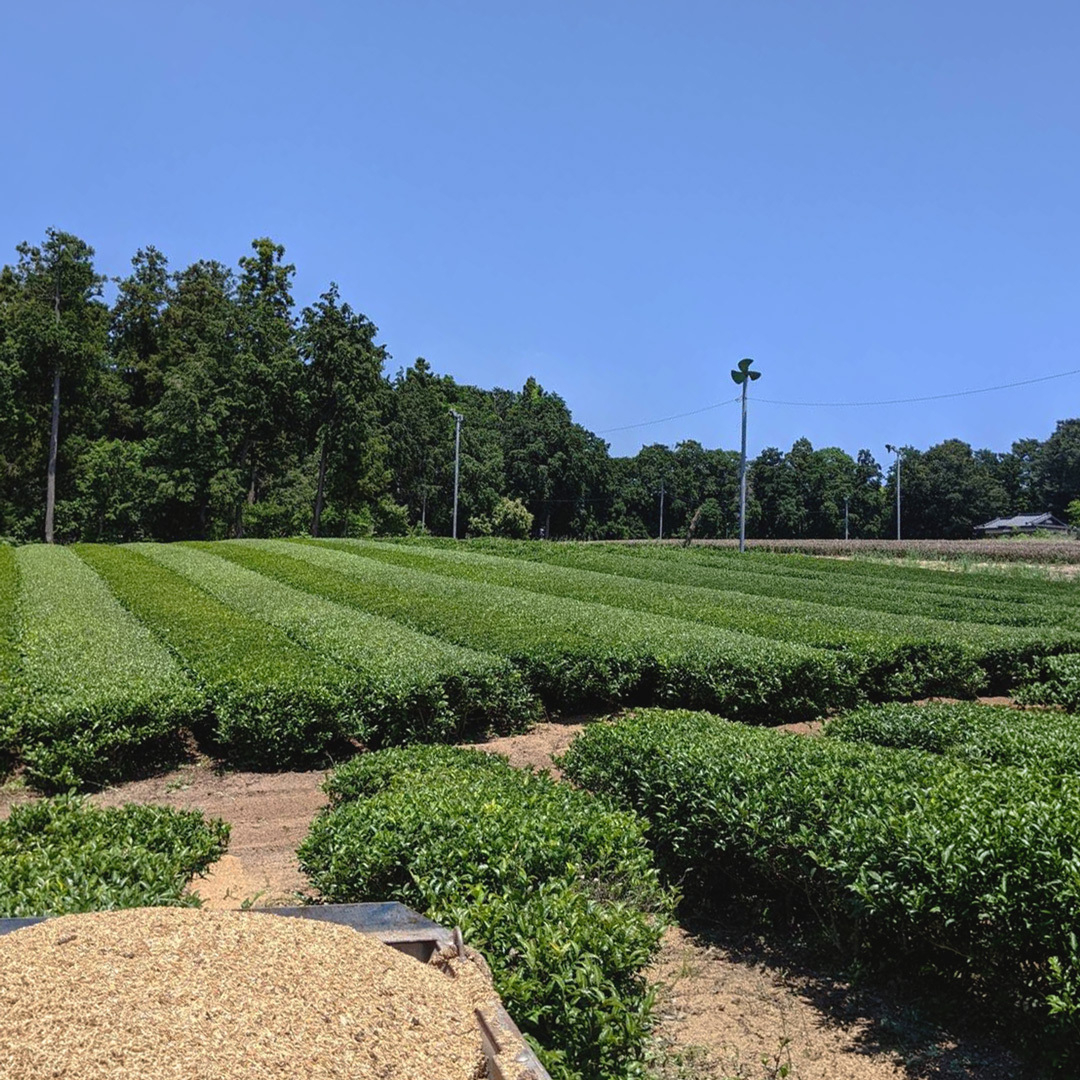
The tea farm has been family-owned for four generations. From the very beginning, it has followed a consistently natural approach to cultivation, completely avoiding the use of pesticides. At the heart of this philosophy is a healthy, living soil. Only organic fertilisers are used, including pig manure and fish meal – a combination the producers are particularly proud of, which promotes soil fertility and boosts the plants’ resilience.

Wakocha Sashima Fukumidori Pest.free

Character

Tasting Notes

The northern tea-growing regions beyond Shizuoka and the greater Tokyo area are not necessarily associated with particularly fruity black teas. The climate is cooler and harsher than in many other Japanese terroirs, while the comparatively low elevation might suggest a more straightforward character. This makes this Wakocha all the more intriguing.

Even the aroma comes as a surprise. At first, delicate notes of rum chocolate rise from the Kyusu. After infusion, the aromatic profile changes noticeably. The opened leaves now evoke ripe prunes, lending the fragrance a deeper, fruitier dimension.

On the palate, the tea is remarkably approachable from the outset. A gentle sweetness forms the foundation, accompanied by a hint of fresh citrus. Most notable is the pronounced cherry notes that run throughout the infusion. It gives the tea an elegance one might not necessarily expect under these growing conditions. The tea farm’s shaded location, surrounded by trees, may contribute to this, as may the Fukumidori cultivar, which proves exceptionally well-suited to this Wakocha. At our recommended low infusion temperatures of between 70 and 80°C, the tea’s fruity character comes to the fore.

The character remains intact in subsequent infusions. The sweetness recedes slightly, making way for delicate mineral notes. The fruity notes undergo a subtle transformation: ripe cherry notes transition to the more stony, gently tart character of a cherry stone. It is precisely this transition that makes the tea so distinctive and keeps it remarkably engaging through at least the third infusion.

Overall, this Wakocha displays a rare combination of fruitiness, softness and clarity. It is neither particularly powerful nor spectacularly complex, yet impresses with its balance and natural elegance. It is an excellent choice for lovers of black tea, as well as connoisseurs looking to explore beyond the typically floral and sweet profile of Wakocha.

Leaf

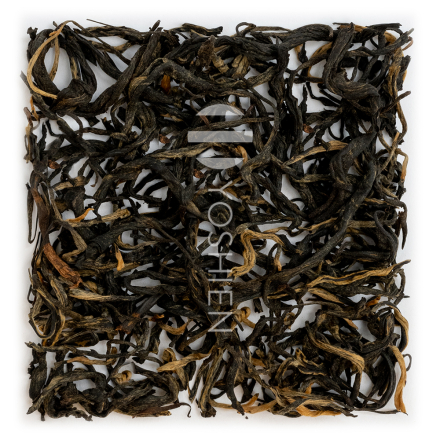
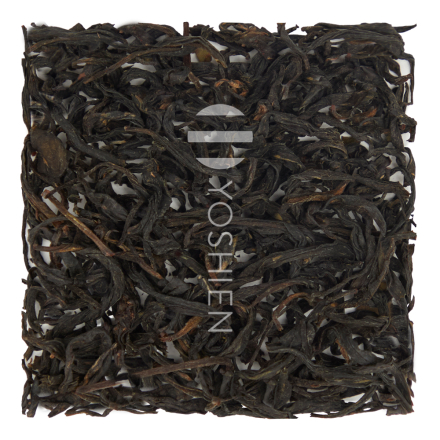
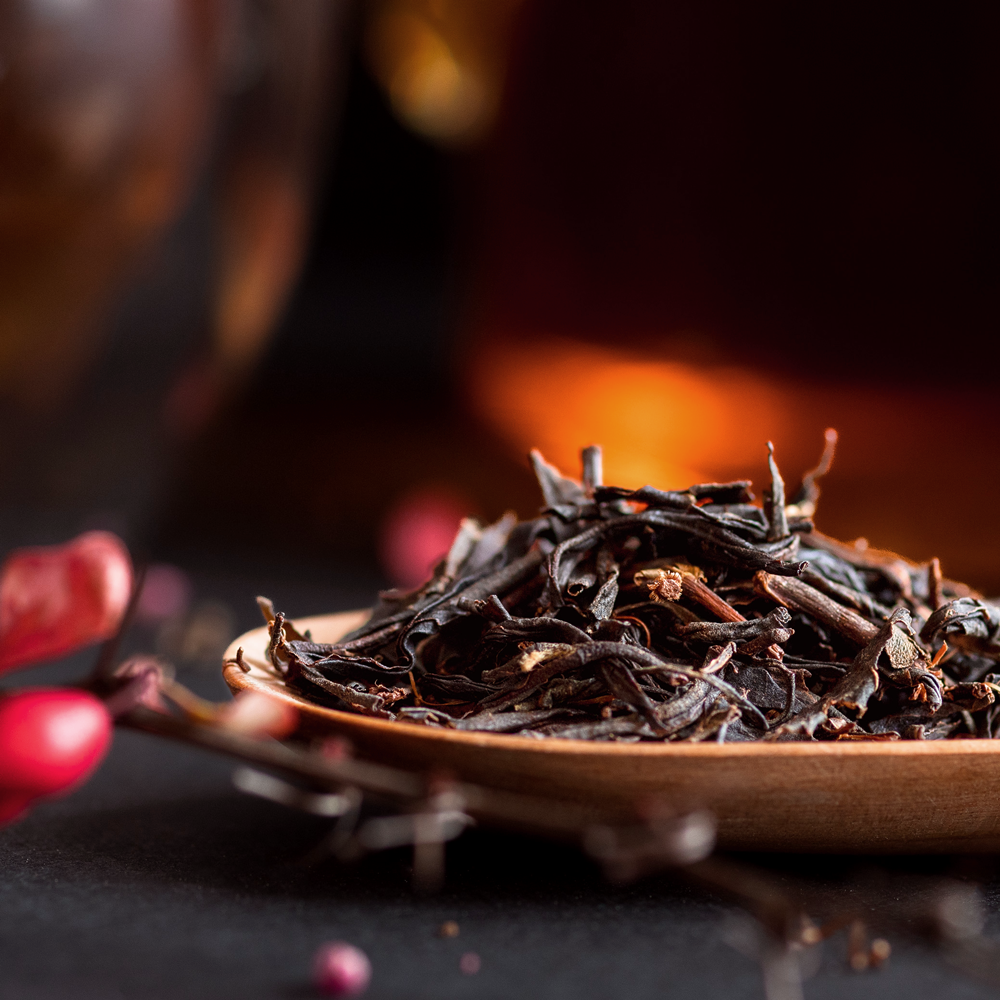
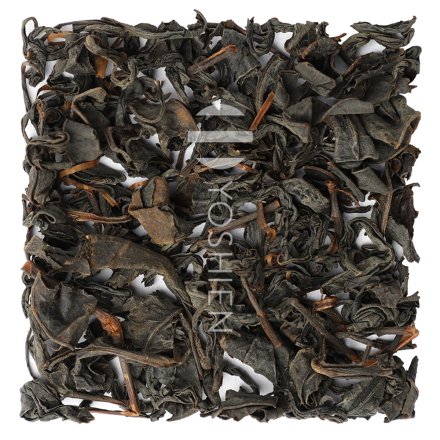
Small, delicate black-brown leaves and reddish buds

Cup

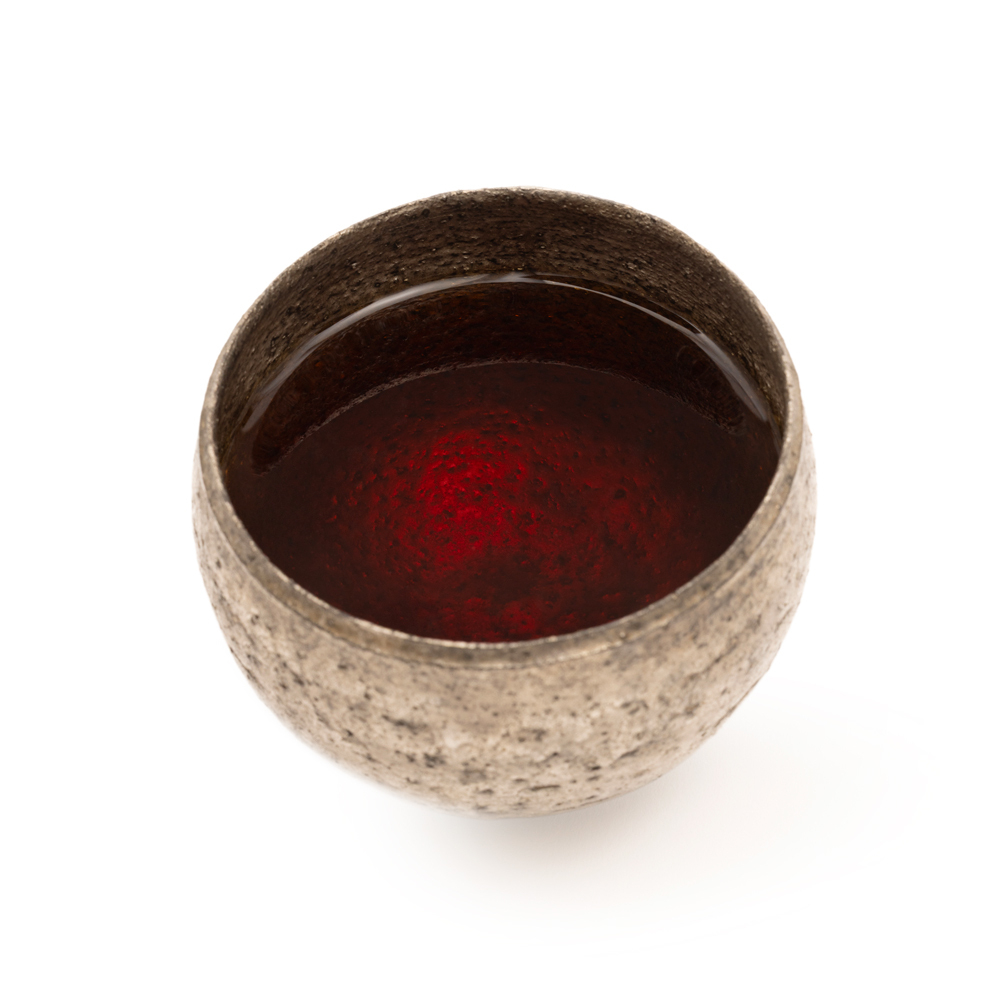
Deep orange with a golden sheen

Wakocha Sashima Fukumidori Pest.free

Wakocha

Wakocha (和紅茶) is the name given to black teas from Japan. Although once an important trade commodity until the latter half of the 20th century, growing competition from India and China pushed Japanese black tea into relative obscurity. Only in the past two decades has there been a revival and renewed appreciation of this heritage. Wakocha, while distinct in character, are generally milder in flavour than many other black teas, often marked by fruity-floral notes and, above all, a pleasant honeyed sweetness. For this reason, they are typically enjoyed without milk or sugar. Alongside the tea capital of Shizuoka, the southern main island of Kyushu is especially renowned for producing high-quality Wakocha.

Yoshien Labortests

Laboratory Tests

We go to great lengths to identify the finest organic tea farms across the world’s most celebrated terroirs. All our teas are sourced directly from the farmer and, with a few exceptions, are certified organic or come from pesticide-free farms. Each batch of tea for every harvest is tested for pesticides and other pollutants in an independent German lab to ensure they meet our strict quality standards as well as HACCP food safety requirements. Likewise, the regions of Japan from which we source our teas are tested for radioactivity for every harvest.

Yoshien

Yoshi En

World's Finest Organic Teas

Our comprehensive portfolio focuses on organic, single-origin teas sourced directly from renowned farms. We believe in creating partnerships with farmers who share our values and are committed to sustainable, responsible tea cultivation. Thanks to these strong relationships our exciting range is constantly growing and evolving. As an international team of dedicated and passionate tea experts, we are committed to preserving centuries-old tea culture while ensuring it remains relevant and continues to bring joy in the present. About Yoshi En.

Cultivation & Processing

Special features in location, cultivation & processing

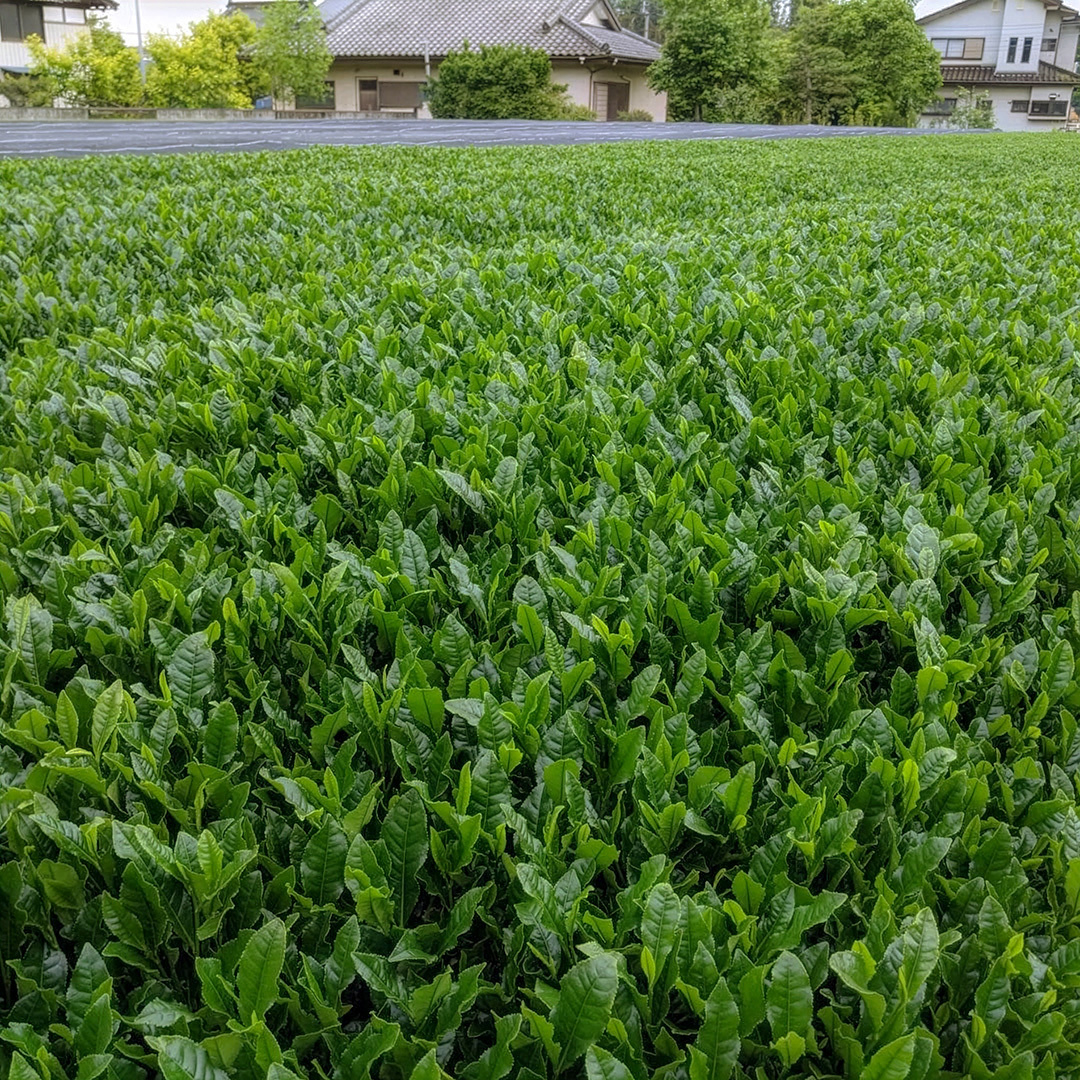
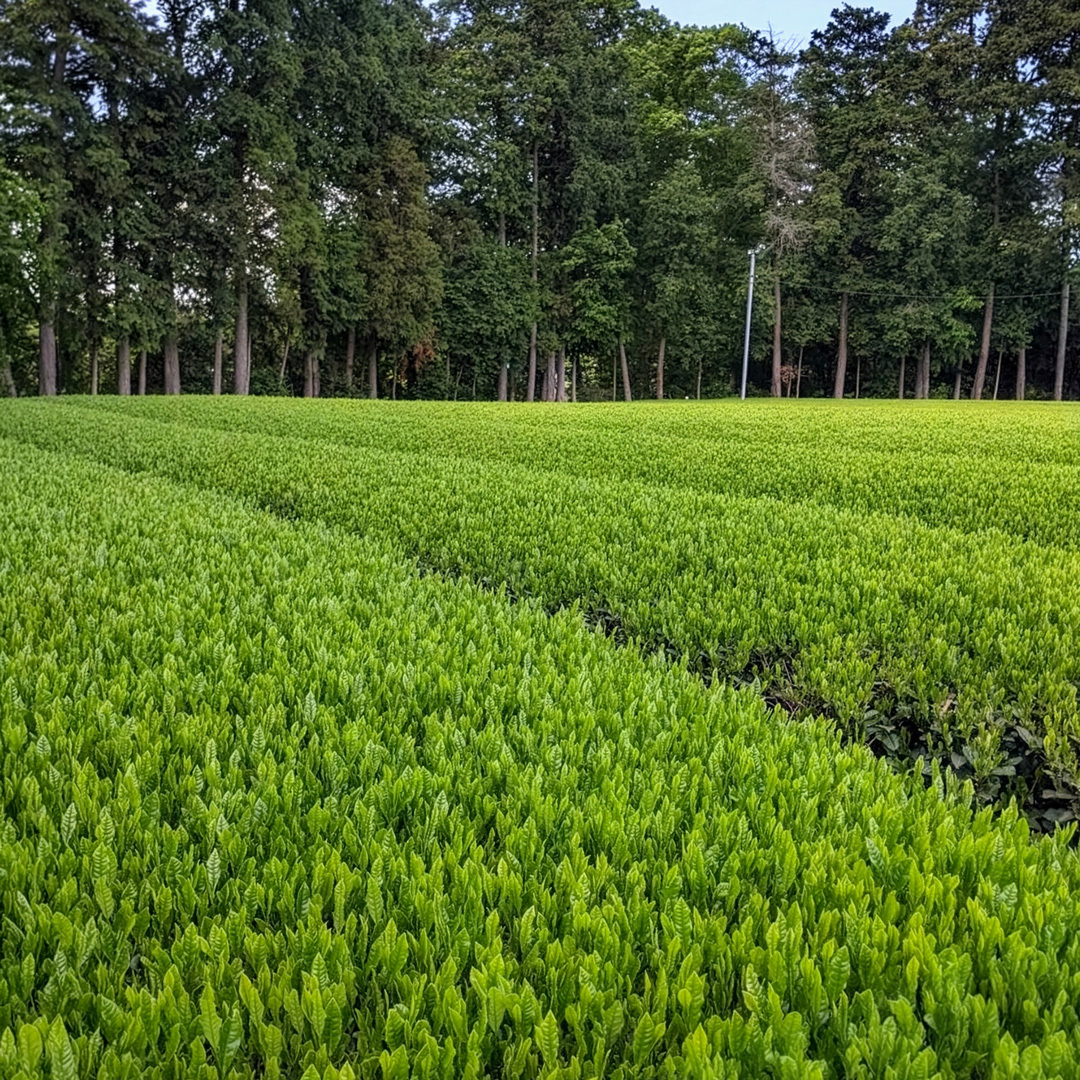
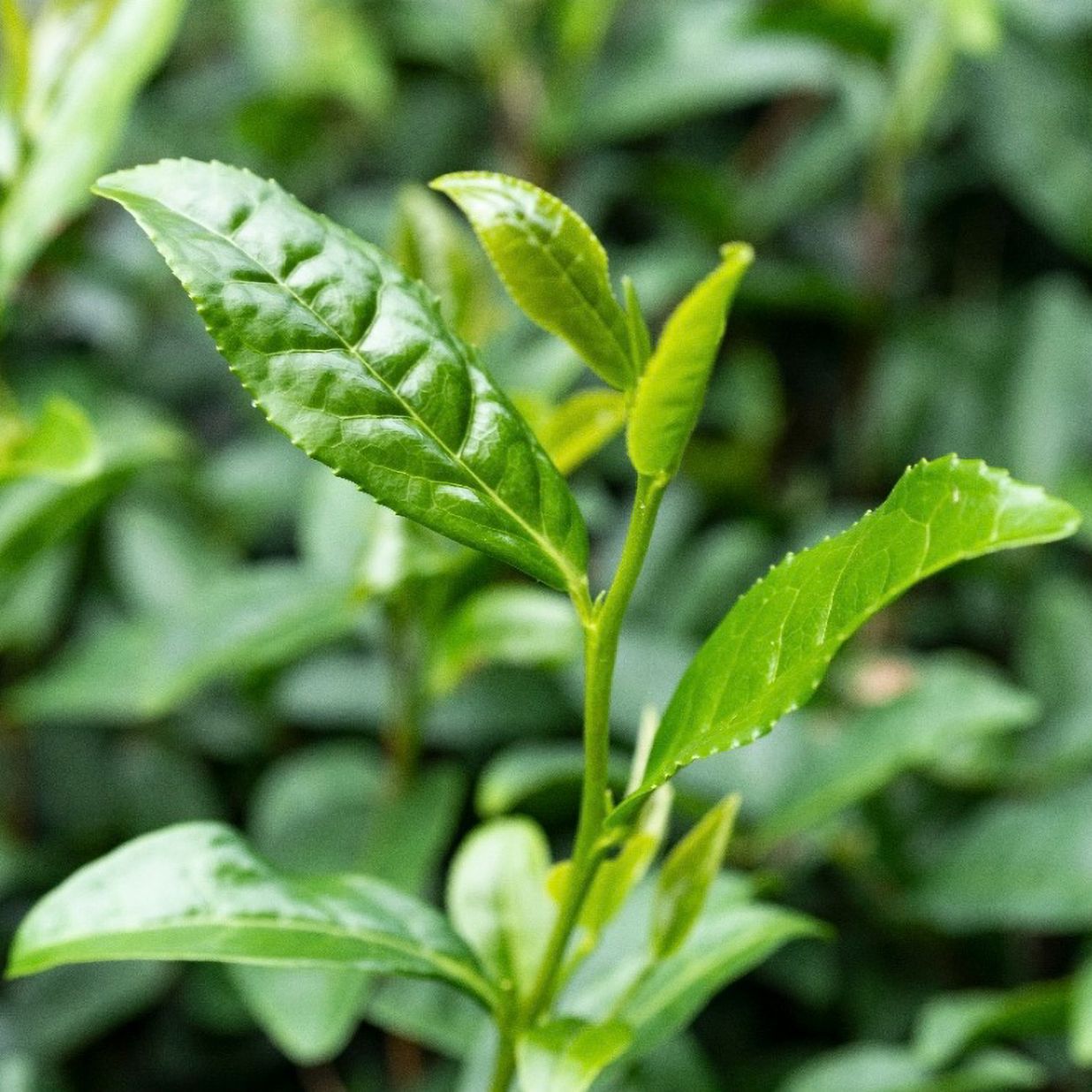
Ibaraki Prefecture, located north-east of Tokyo, is one of Japan’s lesser-known tea-growing regions. The flat landscapes around Jōsō, where our partner tea farm is located, lie just 15–20 metres above sea level. Dense surrounding forests provide shelter from the wind and create a balanced microclimate, while the region’s northerly location plays a decisive role in shaping the character of its teas. Winters are considerably colder than in the southern tea-growing regions, slowing the plants’ growth and resulting in leaves that are generally thicker and richer. This makes them particularly well-suited to processing as Japanese black tea (Wakocha), due to the depth and structure of the leaves.

This Wakocha comes from the second harvest in July and is made from the Fukumidori cultivar. Processing follows several carefully coordinated stages.

Picking (July, second harvest): The later-harvested leaves are more robust and aromatically concentrated than those from the spring harvest.

Withering: The freshly picked leaves are gently allowed to lose moisture, making them soft and pliable.

Rolling: Rolling breaks down the cellular structure of the leaves, bringing enzymes into contact with oxygen.

Oxidation: This is when the characteristic aromas of Wakocha develop. In Ibaraki, this process often produces sweet, rounded profiles with very little astringency.

Drying: Heat is applied to halt oxidation and stabilise the finished tea.

Single Origin

This tea comes 100% from the above-mentioned tea fields in Ashikita.
Preparation

Preparation

3 heaped teaspoons per 200–300ml water, 70°C, steep for 2–3 mins. Suitable for multiple infusions.

Packaging & Storage

Packaged in an especially high-quality, airtight, flavour-protecting pouch with zipper and stand-up base. Its special nine-layer coating ensures maximum protection against environmental contaminants. When closing the pouch, press out as much air as possible before snapping shut. Alternatively, and especially for longer-term storage, we recommend our stylish and airtight tea caddies.

Recommended Teapot

For this tea, we recommend a classic black Tokoname Kyusu. A teapot made of glass is also an excellent choice, allowing you to watch the leaves gracefully unfurl as the tea brews.

This tea is also well-suited for brewing in the Chinese gongfu style, ideally with a Gaiwan made from flavour-neutral porcelain.

Our recommendations

Loading...
The image could not be loaded.