


Special features in location, cultivation and processing
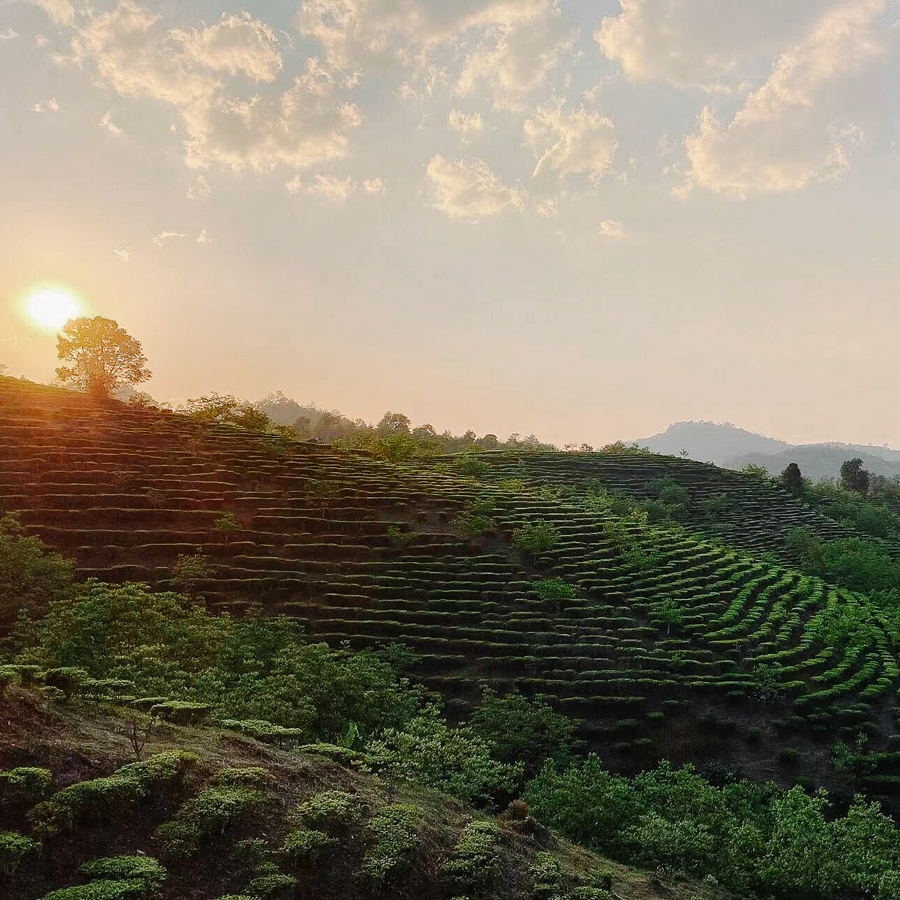
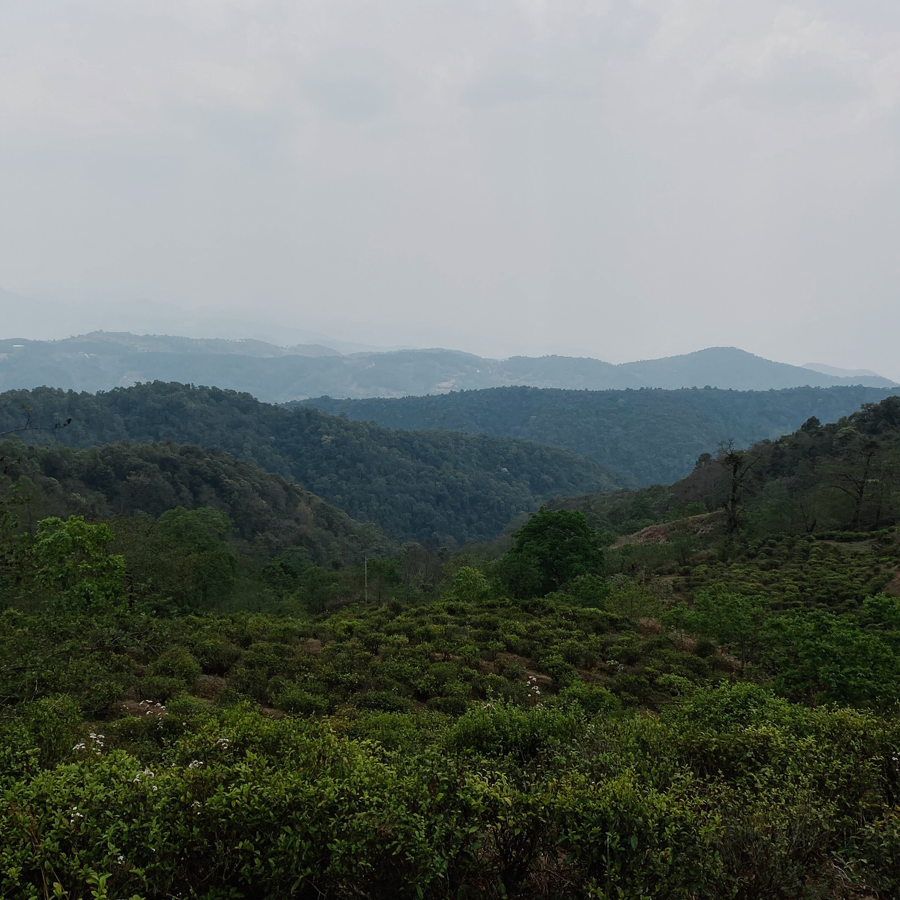
The Wuyi Shan Mountains in the northwest of Fujian Province are considered among China's most renowned traditional tea-growing regions, set against the backdrop of dense forests and wild rivers. In centuries past, the mountains were a place of hermitage for Taoist and Buddhist monks, who began to settle in the region during the Song Dynasty (960–1279). Tea cultivation has flourished here ever since, on the rocky cliffs, in sheltered valleys, and across rolling hillsides. Even today, the area remains remote and sparsely populated, home to only around 20,000 people.
With its rocky landscape, the terroir offers excellent growing conditions for tea. The rainwater absorbs a large amount of minerals from the rocks and the limestone canyons. Over time, residents developed a natural drainage system, which has enriched the soil enormously over the years, allowing the tea plants in the narrow valleys and on the slopes to absorb a great deal of these minerals.
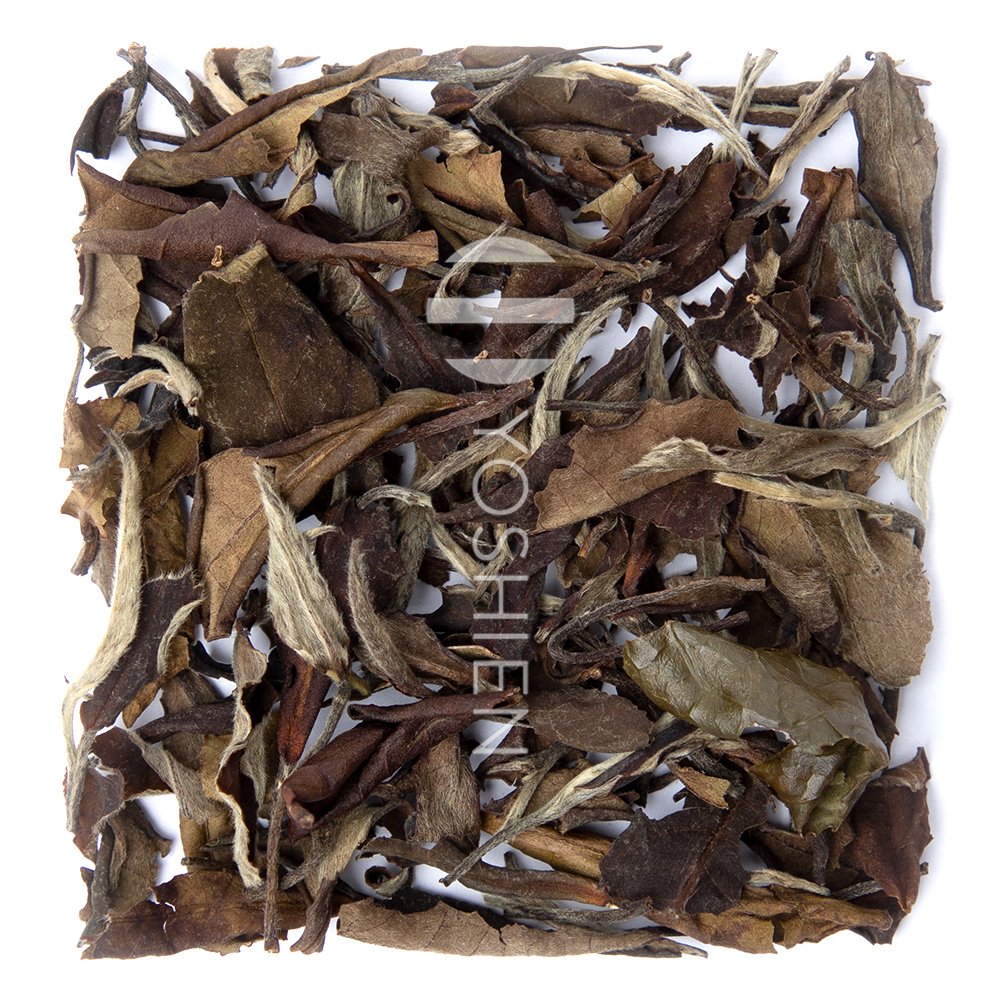
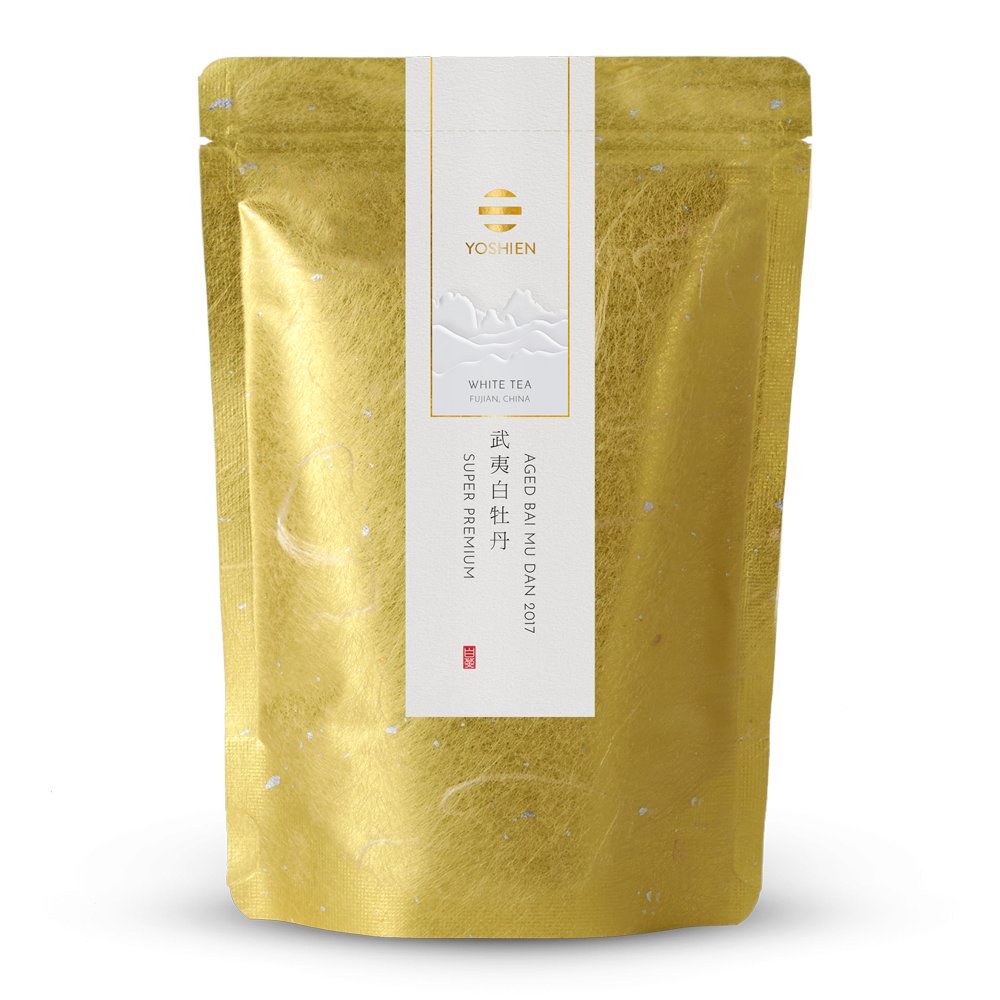
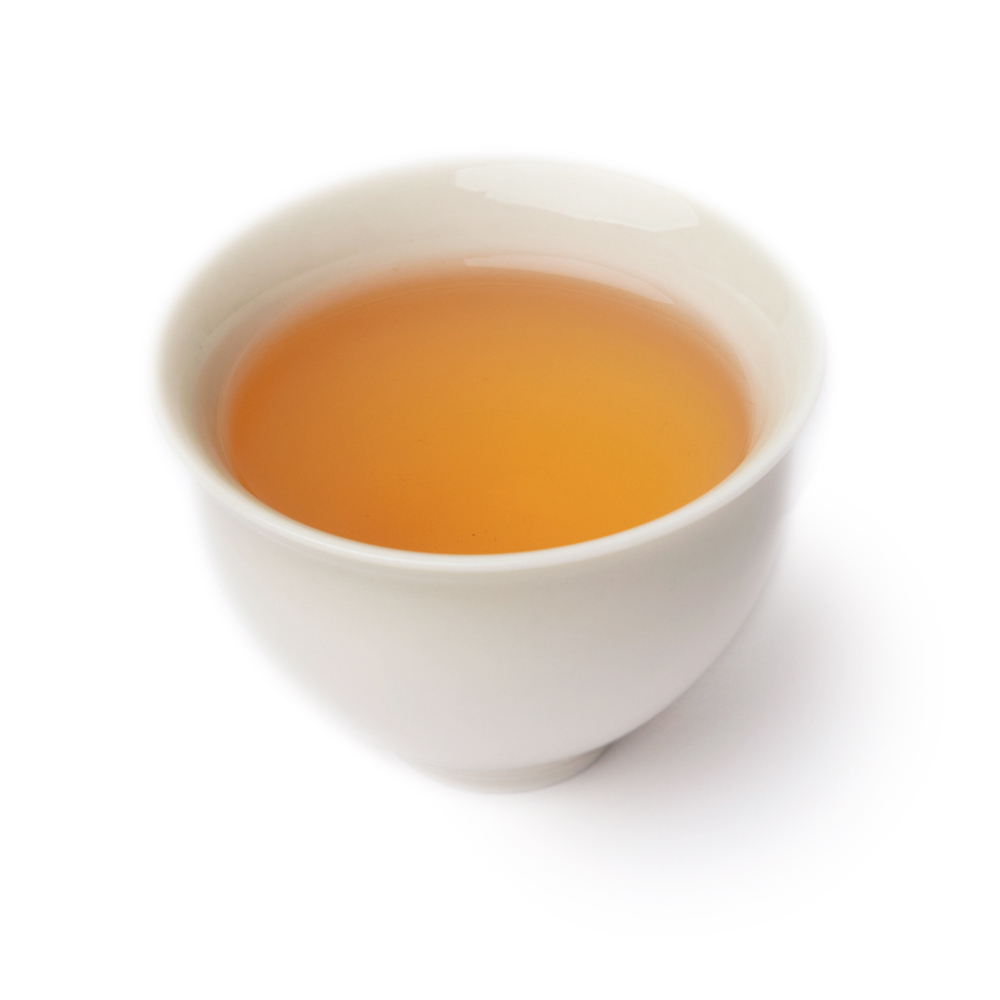
The Wuyi region is widely known for its oolongs, especially the famous "rock tea". White tea from Wuyi is much rarer, typically known only to connoisseurs, but it benefits to an equal degree from the exceptional local environment, which is reflected in its fine, mineral sweetness, similar to that of oolong rock teas. Through several years of careful maturing, the tea develops even stronger aromas and now exhibits an inimitable complexity that only high-quality, matured white teas can offer. These tea leaves have been maturing in the farm in Fuding, undisturbed, under the best possible conditions since 2017.
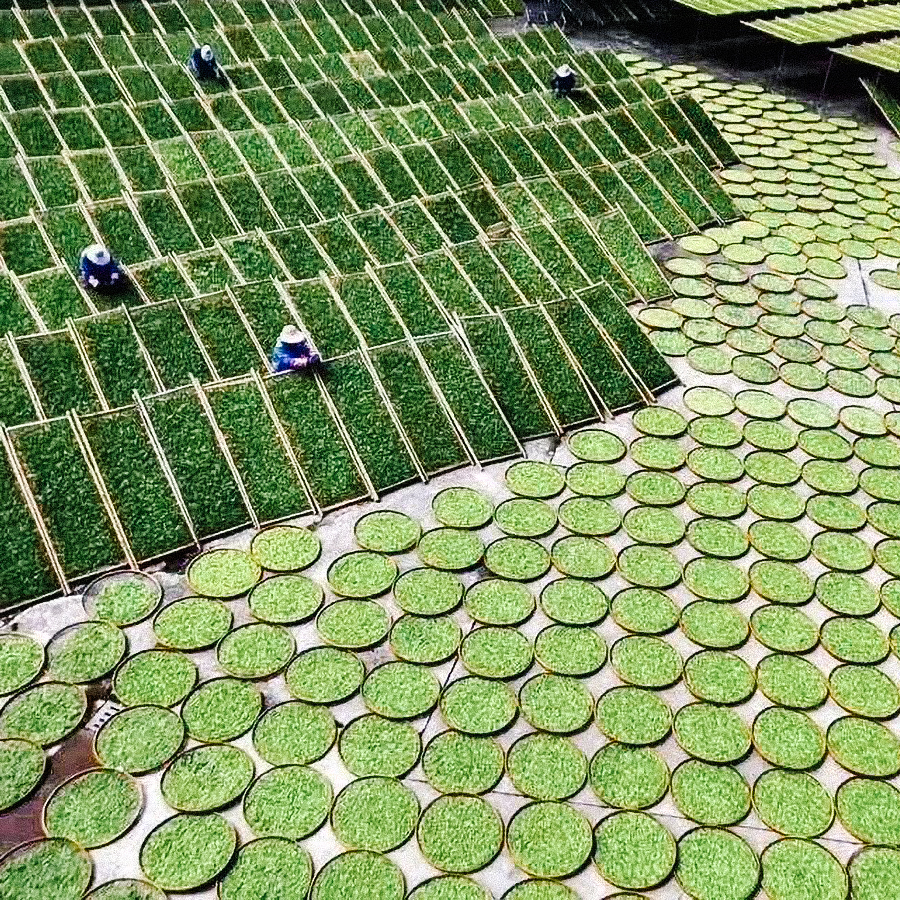
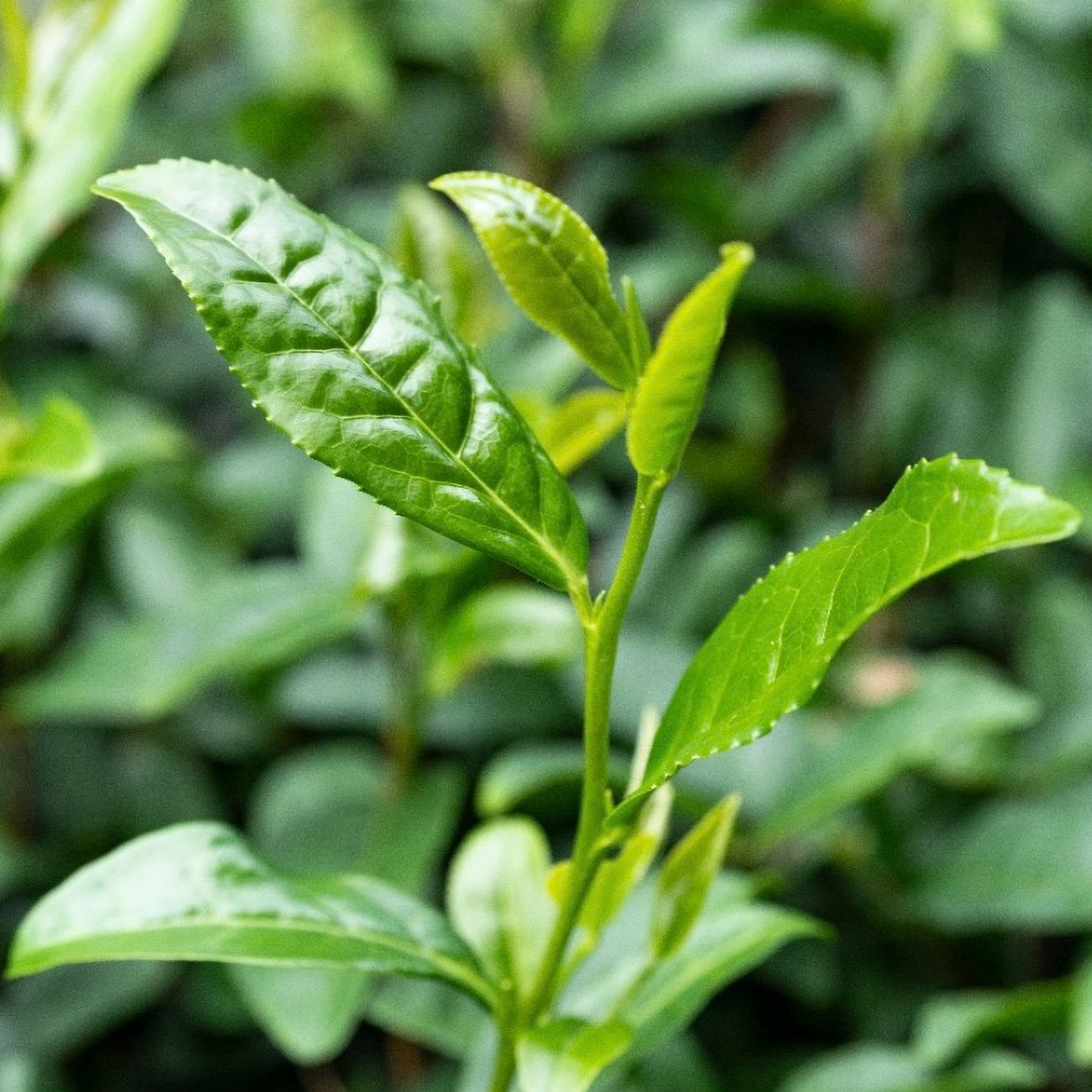
The production of the tea follows the traditional white tea cultivation process in China. After the buds and leaves have been hand-harvested, the tea leaves are dried by means of mixed withering (Chinese: Fùshì wēidiāo 複式萎凋), which involves drying the tea leaves alternately indoors and outdoors. On the first night, the leaves are usually wilted indoors, protected from the weather, and then freshly air-dried the following day. The tea is spread out on bamboo troughs, layered on top of each other to protect the leaves from aggressive sunlight and to allow it to wilt evenly. This process takes several days before the tea has reached the desired degree of ripeness. At the end, all residual moisture is removed by gentle oven drying. Afterwards, the leaves are matured in a protected environment for several years.