

ALL  2026 HASHIRI SHINCHA  HAVE ARRIVED - TRY NOW WITH 10% OFF! CODE:

Tetsubin
Hinomaru

Suzuki Morihisa

SKU
0451
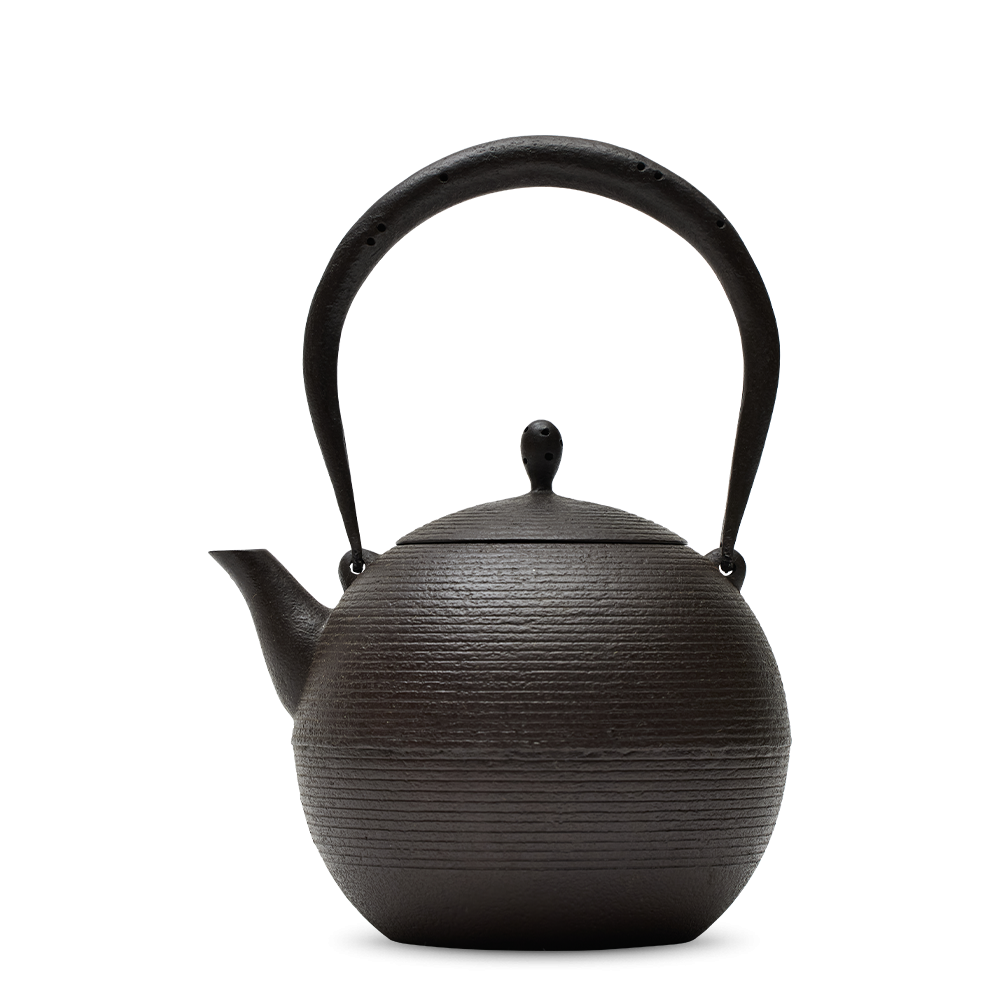
Handcrafted at the renowned Suzuki Morihisa foundry, this small cast iron Tetsubin kettle is a pinnacle of traditional Japanese Nanbu Tekki artistry. The classic Hinomaru (日の丸 "circle of the sun") design with fine concentric grooves is by the 13th generation Morihisa, who was designated a Living National Treasure in 1974.
Item Tetsubin kettle
Origin Morioka, Iwate, Japan
Maker Suzuki Morihisa
Dimensions Ø14.5 x 19.5cm
Volume 800ml
Material Cast iron
Stove compatibility Gas, electric, induction
Coating Ohaguro
Artist's mark Seal beneath spout
Packaging Cardboard box
€1,790.90

Delivery : up to 5 business days

Incl. VAT, excl. shipping

SKU
0451
In stock
Tetsubin Suzuki Morihisa Hinomaru

Suzuki Morihisa 鈴木盛久

Established in 1625, Suzuki Morihisa is one of the oldest Nanbu Tekki foundries in Iwate. Together with four other master casters, the first generation Suzuki was invited to settle in Morioka by the ruling Nanbu clan and played an important role in the foundation of Japanese cast ironware. The family business is now in its 16th generation and is the holder of two notable firsts in the history of Nanbu Tekki: the 13th generation being appointed an Intangible Cultural Property of Japan (aka Living National Treasure), and the 15th generation as the first female caster in Iwate. Suzuki Morihisa continue to preserve traditional techniques through their robust ironwork that can be used today and across many generations to come.

Tetsubin Suzuki Morihisa Hinomaru

Tetsubin 鉄瓶

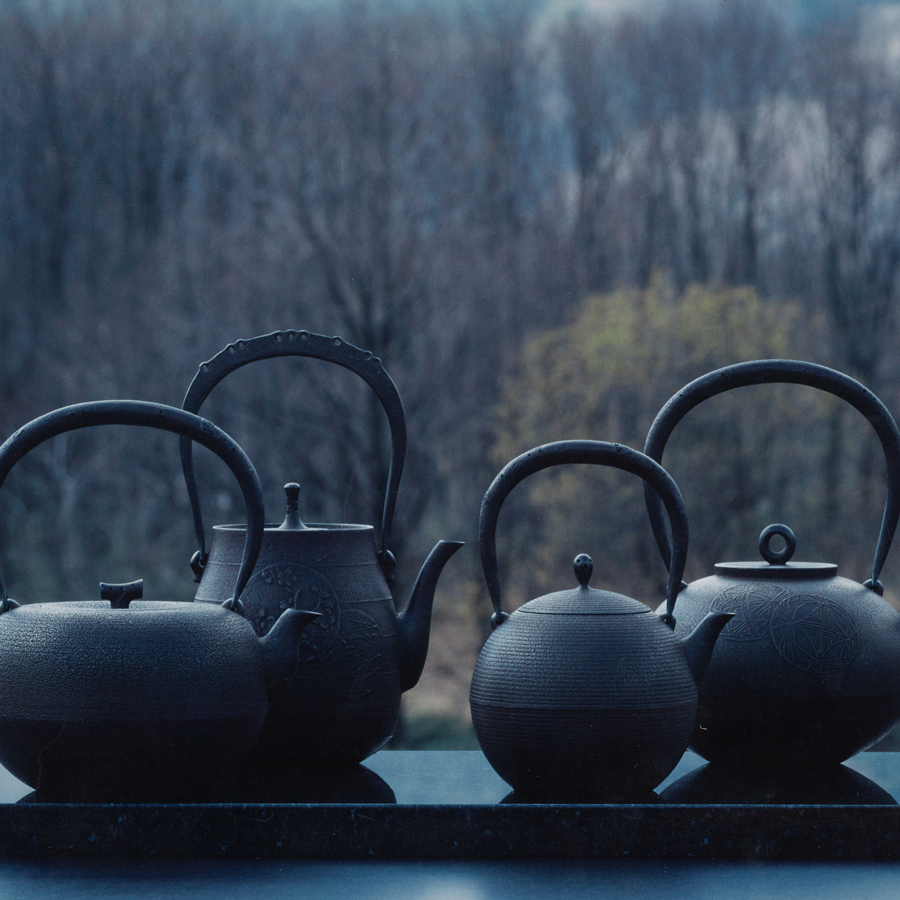
Rustic and brimming with charm, the Japanese Tetsubin kettle warms hearts as much as it does tea. This traditional cast iron kettle (“tetsu-bin” translates to “iron vessel”) is used to boil water during tea ceremonies, but equally in the home and for cooking. Uncoated on the inside, the iron mineralises and softens water, which helps to lessen the astringency of green teas, making for a richer, sweeter brew. The origin of the Tetsubin is uncertain, however it is most certainly a development of the older spout- and handle-free Chagama (茶釜) “tea kettle” that is heated atop a brazier or hearth. Since the Tetsubin is more portable, it is frequently used for outdoor tea ceremonies in place of the conventional Chagama. Often elaborately decorated with relief designs, Tetsubin also come in a variety of shapes and sizes, making them a much coveted item amongst teaware collectors.

Tetsubin Suzuki Morihisa Hinomaru

Nanbu Tekki 南部鉄器

The origins of Nanbu Tekki or “Nanbu ironware” go back to the mid-17th century, when the Nanbu samurai clan were in need of Buddhist altars, bells and chagama tea pots to furnish their newly built castle in Morioka, Iwate prefecture, and so invited skilled metal casters from across the country to lend them a hand. Although the name Nanbu is written in the kanji as “southern region” the clan ruled in the north of Japan, where materials needed for ironwork were naturally abundant. Highly durable, Nanbu Tekki wares are often deemed the best metalwork in Japan and make beloved heirlooms – particularly cast iron kettles or tetsubin, which are also highly sought after by collectors around the world. In 1975 Nanbu Tekki was designated the first certified Traditional Craft of Japan, and exclusively refers to cast iron products made in the cities of Morioka and Oshu.

Production

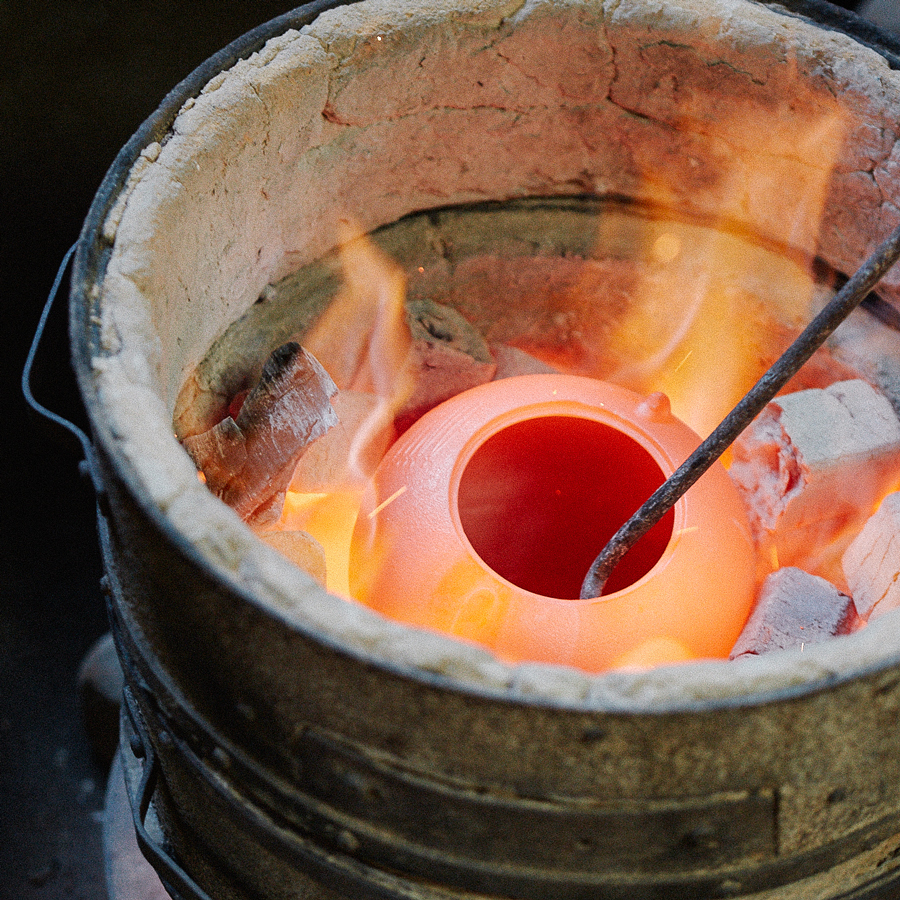
This Tetsubin is cast in a sand mould that is elaborately decorated with stamped or freehand motifs before it is fired in charcoal at 800°C to 1000°C to form a solid mould into which 1500°C molten iron can then be poured. Once the iron has cooled a little, the Tetsubin is removed from the mould and is checked for even thickness by tapping with a hammer. To prevent rust from developing, the Tetsubin is covered with lacquer and baked in charcoal again, this time at 900°C, to create an oxide film inside the kettle in a process known as Kamayaki (釜焼き "iron pot firing") which is unique to Nanbu Tekki cast ironware. In the final step, the Tetsubin is coated in Ohaguro (おはぐろ): a rust-preventing liquid made by putting pieces of steel in acetic acid and brewed tea, which also adds colour to the surface.

Application

Before use, season the Tetsubin first: Pour hard water (preferably with a hardness of about 300mg/l, such as Evian or Vittel) into the Tetsubin so that it is about 80% full, to prevent spillage when boiling. With the lid off, heat the Tetsubin over a medium heat on a gas or electric hob, or low to medium on an induction hob, for about 20 minutes. Then place the lid on, take a kitchen towel or oven mitt to grab hold of the handle, and carefully discard the boiling water. Remove the lid and leave to dry with the residual heat on top of a trivet or protected surface – never put empty Tetsubin on a hot hob. When the Tetsubin body has cooled down, repeat this process two more times. As the calcium and magnesium in the hard water crystallise when boiled, this creates a protective layer of scale inside the Tetsubin to stop rust developing. Once the Tetsubin is seasoned, boil water using the same procedure, ensuring to take the Tetsubin off the heat as soon as it has boiled to prevent overheating and pouring all the water out while it is still hot.

Care

Never leave water, hot or cold, standing in the kettle. Do not put it in the microwave, oven, dishwasher or dryer. Do not boil or brew tea in a Tetsubin, only plain water. Fill between 50% to 80% and always boil with the lid off or tilted to prevent water from boiling over. Always leave to dry with the lid off. Do not clean the inside of the Tetsubin, so that the scale/patina remains intact. Clean the outside with a dry cloth and wipe off any moisture straight away. It is recommended to use Tetsubin often, and when not in use please store in a well-ventilated place. Although highly durable, please do not drop the Tetsubin as this can lead to fractures.

Our recommendations

Loading...
The image could not be loaded.