




Japanese lacquer, or urushi, is the clarified sap of the Asian lacquer tree, which has been used in Japan for thousands of years to coat objects such as crockery, furniture and buildings. When dried, the lacquer is both heat and water resistant and therefore provides protection and strength for the underlying materials, very often wood, but also bamboo, paper and leather. Lacquerware itself can be referred to as both urushi and shikki 漆器 (literally "lacquer vessel"), and with the development of acrylic resin in the last century, objects coated with synthetic lacquers such as food grade polyurethane are also considered urushi/shikki. Pure urushi is transparent, while the black and red lacquer colours most commonly associated with shikki are achieved by adding mineral pigments. On top of this, traditional decorative details such as golden maki-e "scatter pictures" or shell inlays called "raden" can be added.
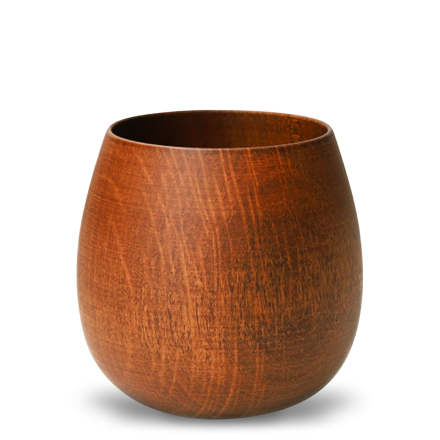
Gato Mikio Teacup
Sakura Tamago
Gato Mikio
SKU
5466
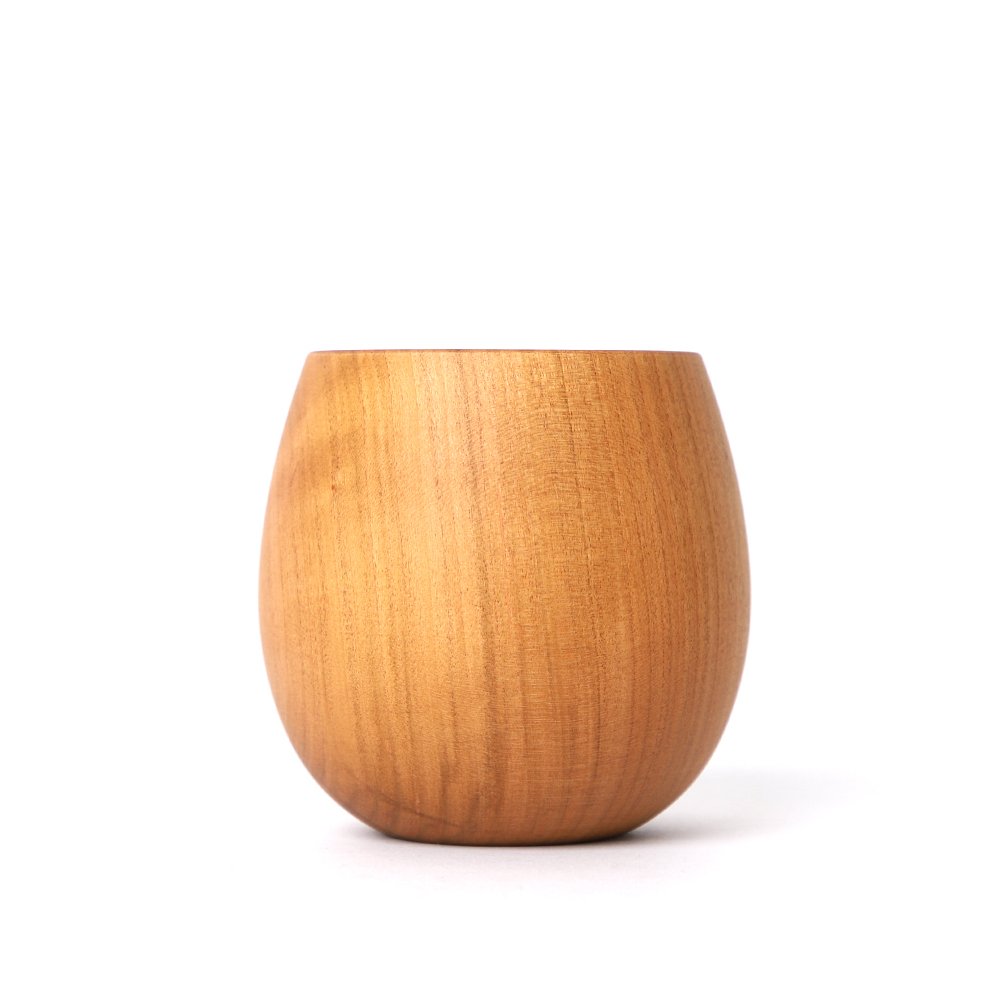
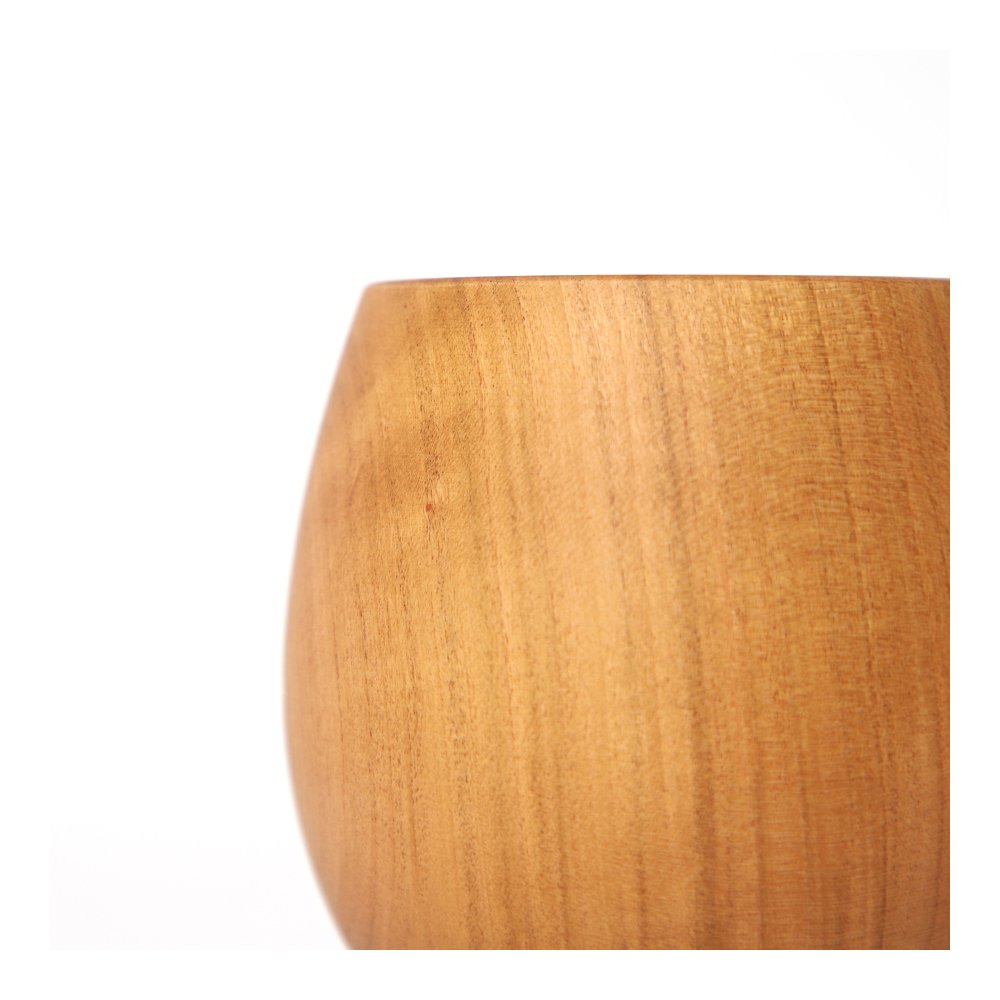
A modest Yunomi teacup made of the heartwood and sapwood of the wild cherry tree, which gives it a subtle, elegant contrast. This lacquered piece is handmade by the traditional Japanese manufacturer Gato Mikio from Yamanaka. 190ml
| Item | Teacup |
|---|---|
| Maker | Gato Mikio 我戸幹男 |
| Origin | Yamanaka, Ishikawa, Japan |
| Volume | 190ml |
| Dimensions | Ø8.3 x 8.1cm |
| Weight | 98g |
| Material | Japanese sweet cherry wood |
| Glaze | Polyurethane lacquer |
| Production | Rokuro-biki technique; wood turned by hand, requiring high skill and many years of experience |
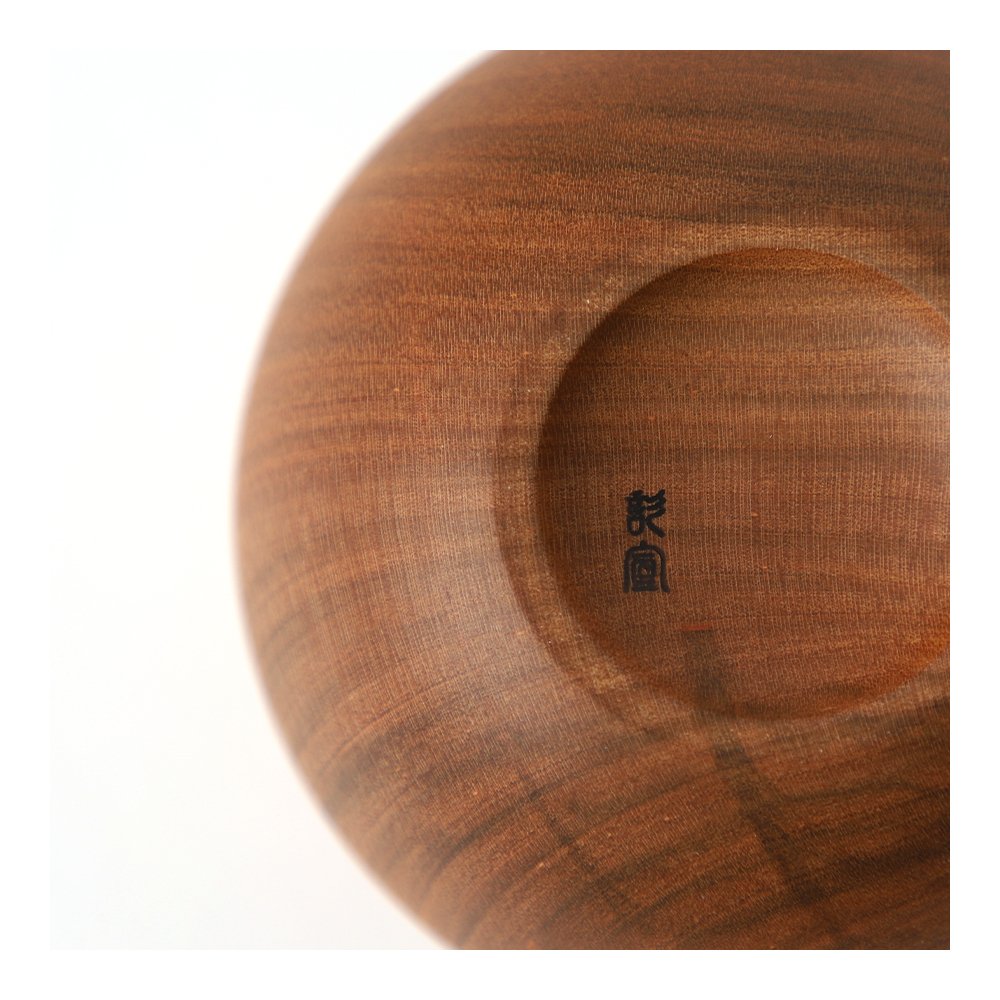
| Artist's Stamp | Yes |
In stock

Gato Mikio 我戸幹男
Founded in 1908 by master wood turner Komakichi Gato in Yamanaka Onsen (山中温泉), GATO MIKIO has since risen to international fame, winning numerous national and international design awards. Today, this traditional manufacturer from Japan is run by a member of the fourth generation of the Gato family, Masayuki Gato, who is dedicated to preserving the Yamanaka shikki traditions while carrying them forward to meet the demands of the modern world. The small hot spring resort (onsen; 温泉) is a town made famous by The Narrow Road to the Deep North (Oku no Hosomichi; 奥の細道), a major work of Japanese literature by the poet Basho, who praises the hot springs for their rejuvenating waters. The town is also renowned for its lacquerware; the humid climate is ideal for working with urushi. A characteristic of Yamanaka shikki is the vertical tatekidori cuts, which make the wood more stable and bring out the striking patterns of the grain. To further enhance the natural beauty of the wood and the decorative woodwork, GATO MIKIO prefers to use fuki-urushi (拭漆), or the "wiping varnish" technique, also known as suri-urushi (摺り漆), or "rubbing varnish", in which a clear varnish is rubbed into the wood to highlight the natural wood grain. The raw varnish is applied with a brush, then evenly distributed, wiped off and carefully polished with sandpaper. This process is repeated five to six times and can take several months, with each layer adding strength and shine to the vessel.
GATO MIKIO's attention to material and detail is a manifestation of the two central principles of their process: the preservation of local heritage and a "back to basics" mindset (genten kaiki; 原点回帰). GATO MIKIO pays homage to Yamanaka's heritage as a site for onsen souvenir manufacturing while creating objects that are not only aesthetically pleasing, but also practical and adapted to today's world. To achieve this, the master craftsmen work with Japanese designers to create new shikki interpretations which hold a traditional, minimalist beauty and modern appeal while preserving Yamanaka shikki traditions and maintaining the local craftsmanship and artisan community.

Yunomi
Yunomi (yu; "hot water" and nomi; "drinking") are tall, typically ceramic, cylindrical Japanese teacups. They are ideal for everyday use and for all types of tea (except matcha, which is best served in the more formal chawan/matchawan). Ideally, the yunomi is held with both hands: one hand around the cup to hold it and the other underneath to support it. Japanese tea is served at relatively low temperatures; even the hotter teas such as houjicha, genmaicha and bancha are served at temperatures below 80°C/175°F. In this way, since the yunomi itself does not get too hot to hold despite its lack of a handle, it can provide extra warmth to the hands during the colder months, making it particularly suitable for enjoying winter teas.