NOW AVAILABLE: 2026 HASHIRI SHINCHA - JAPAN'S FIRST GREEN TEA OF THE YEAR




Choose your language:

Masterpieces
Exquisite Japanese teapots handcrafted by leading kilns and artists from across the country.
Tokoname-yaki
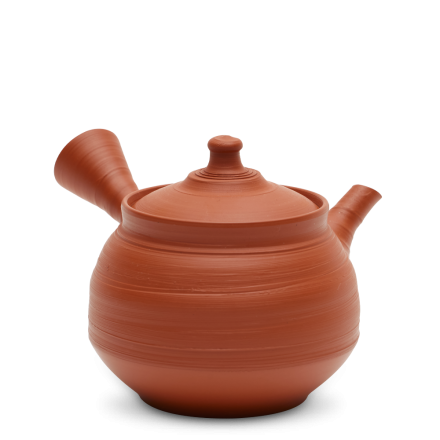
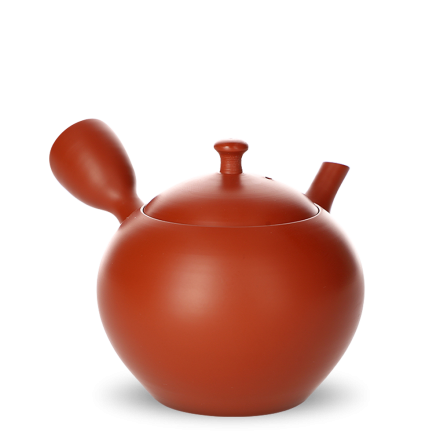
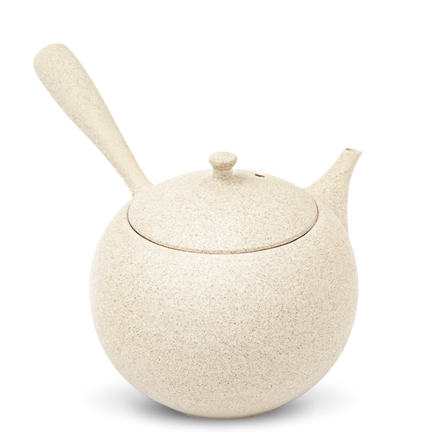
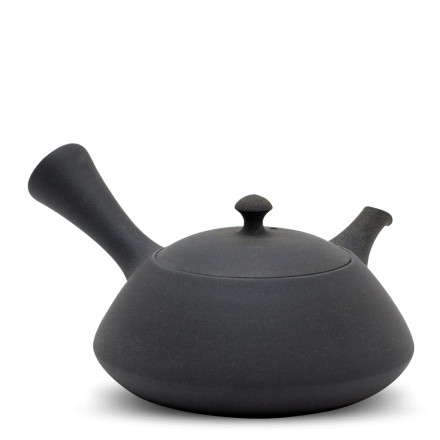
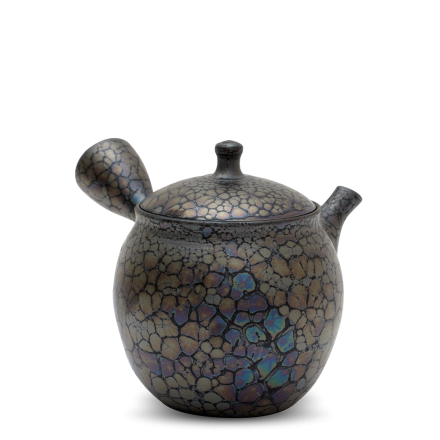
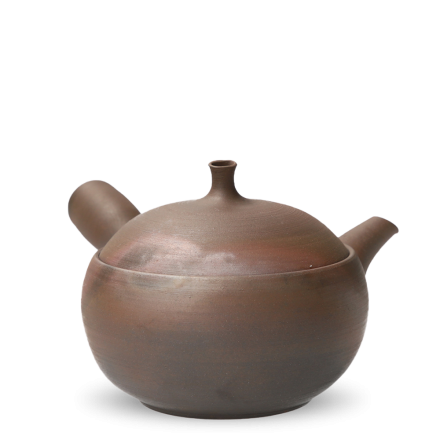
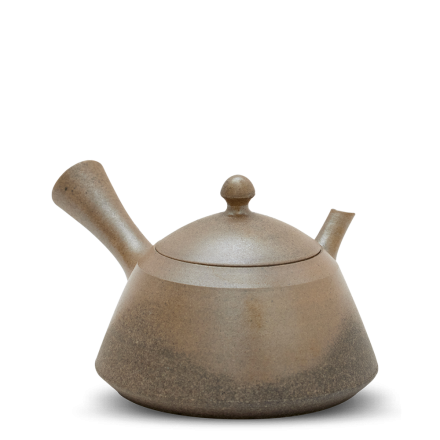
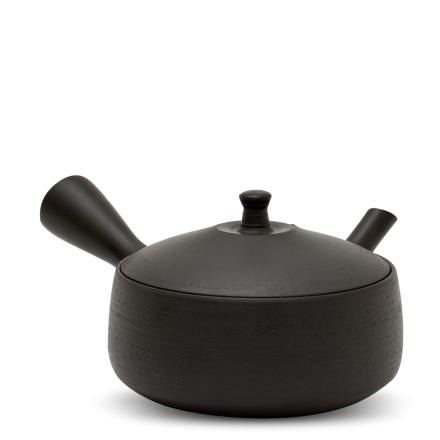
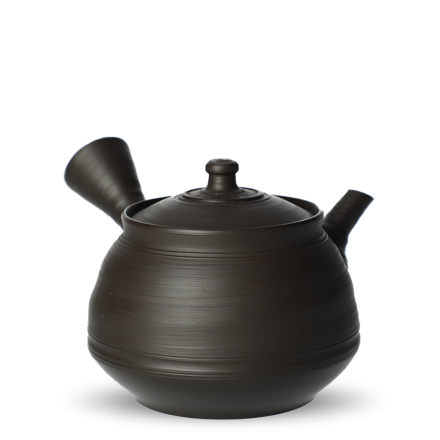
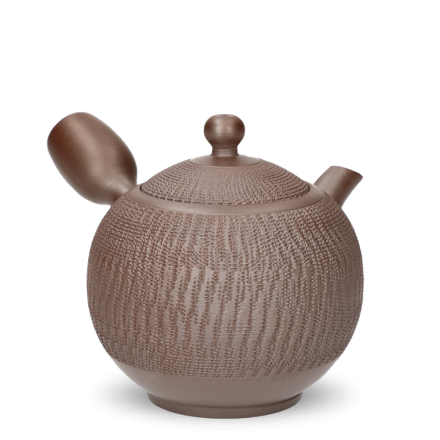
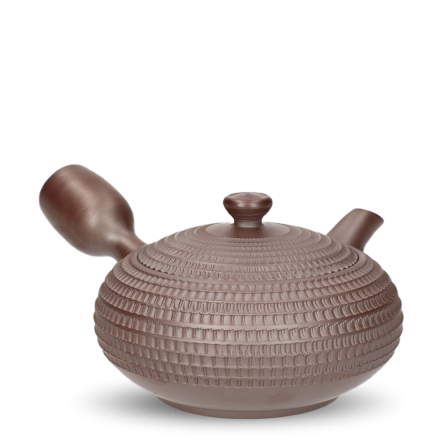
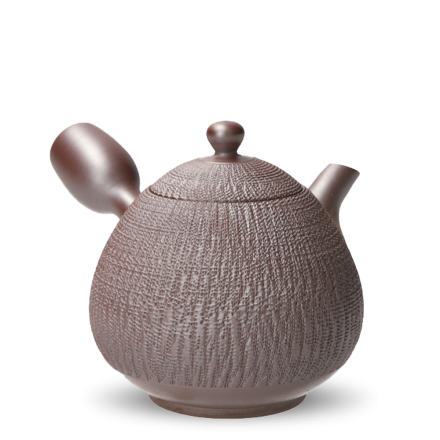
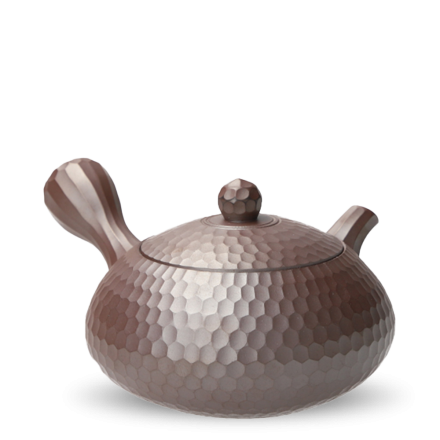
Tokoname, in Aichi prefecture, is one of Japan's most important ceramic centres with a history that extends over 900 years. Traditional Tokoname-yaki teapots are made from unglazed, iron-rich clay, which softens the astringency of green tea for a smoother and sweeter infusion.


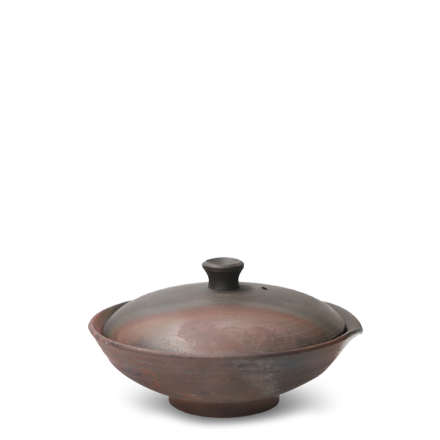
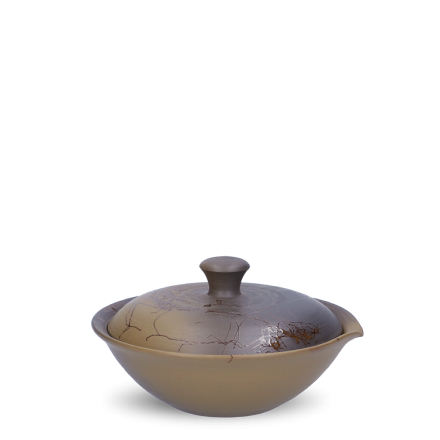
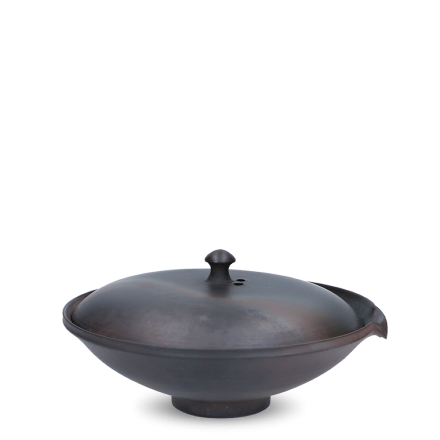
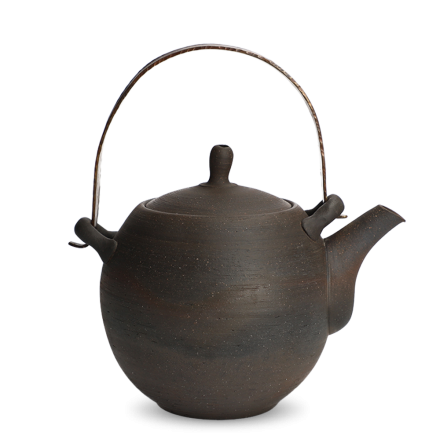
Banko-yaki
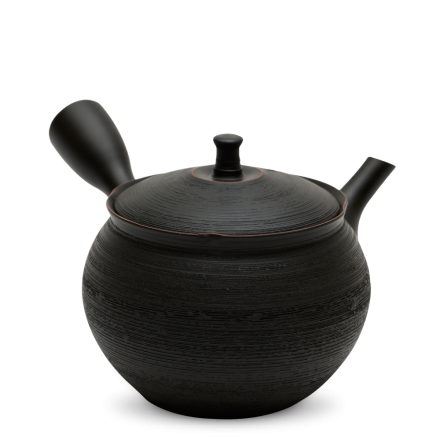
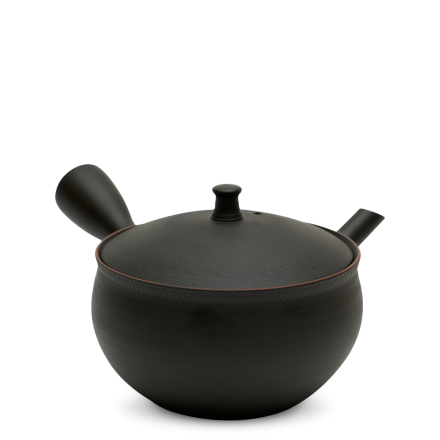
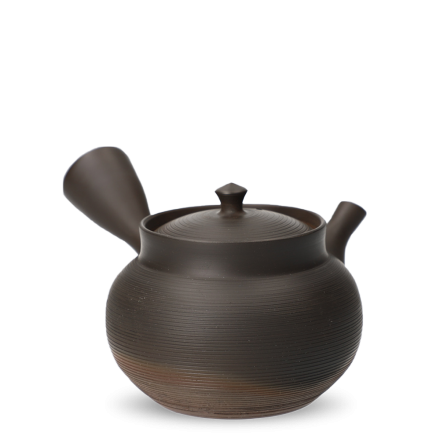
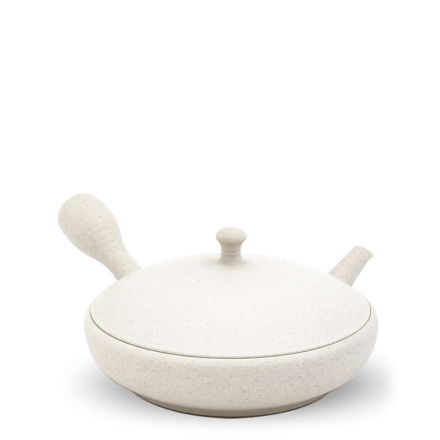
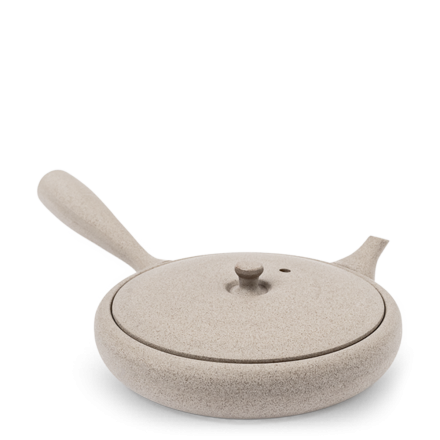
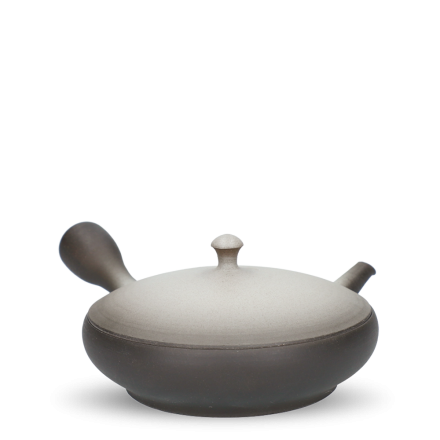
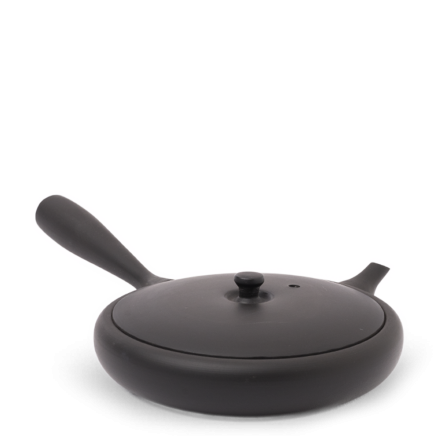
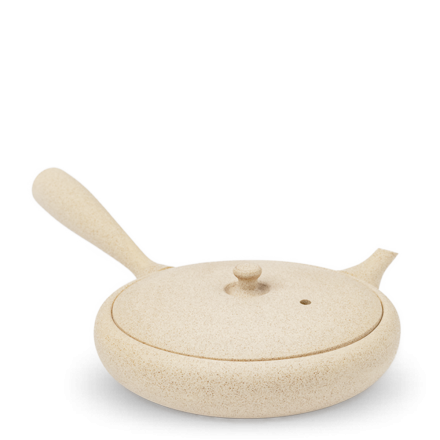
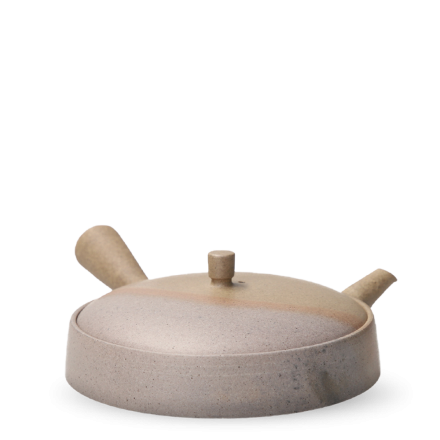
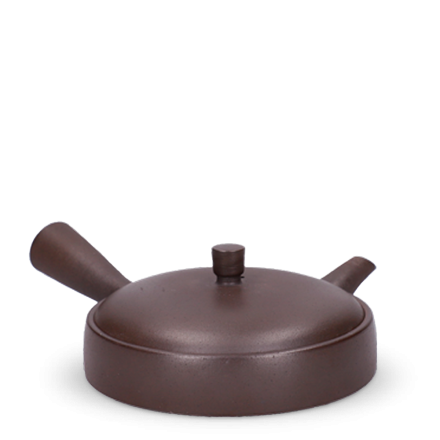
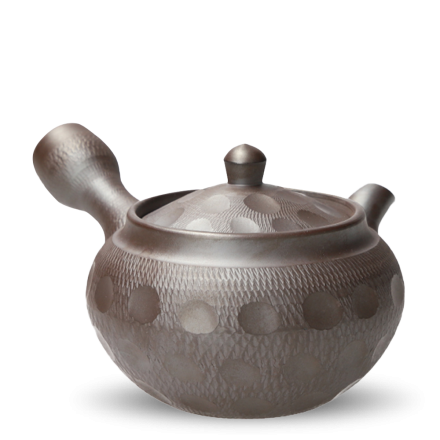
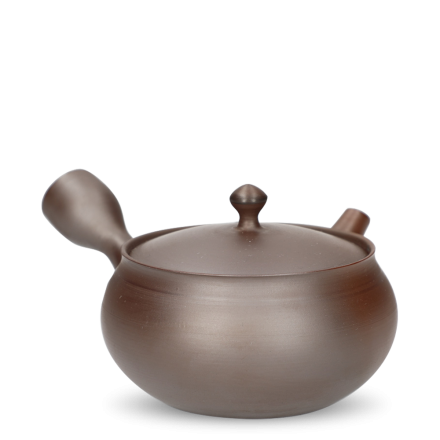
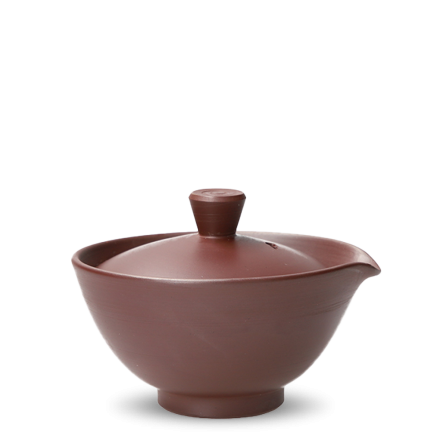
Original Japanese Banko teapots with side handle from the famous Yokkaichi (Yokkaichi Banko Yaki; 四日市萬古焼), handmade from natural clay by leading masters. Ceramic strainer, strong reduction firing, purple clay. Ideal for gyokuro, kabusecha and karigane.
Shigaraki-yaki
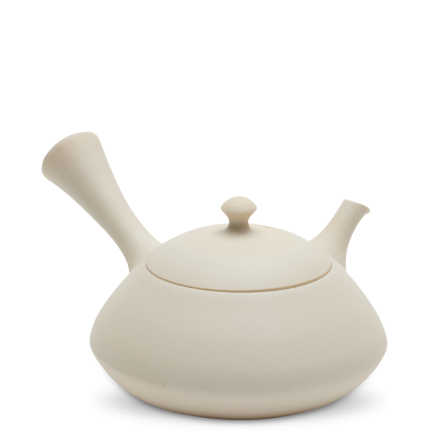
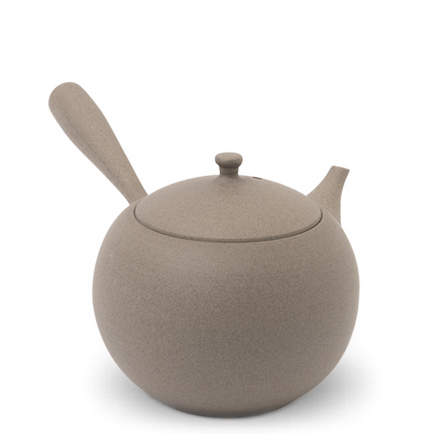
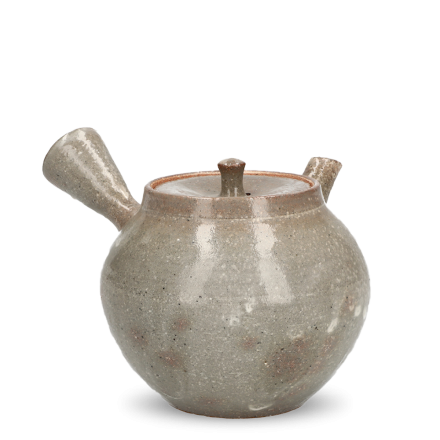
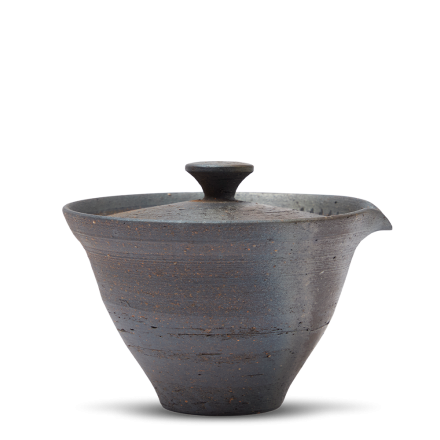
Pottery produced in and around Shigaraki is characteristically made of coarse, light-coloured clay that forms a particularly robust body. One of the Six Ancient Kilns, or Rokkoyō, of Japan, at the beginning of the 16th century the rustic aesthetics of Shigaraki-yaki was much admired within the tea ceremony, and today maintains a reputation for sturdy utilitarian objects.
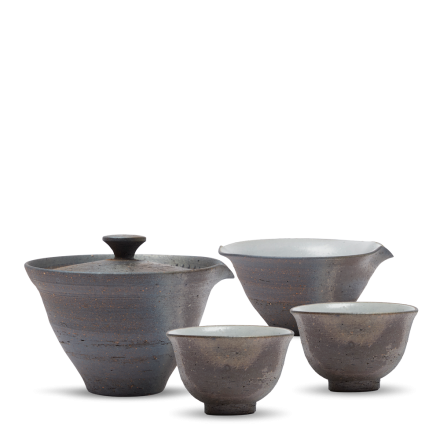
Kiyomizu-yaki
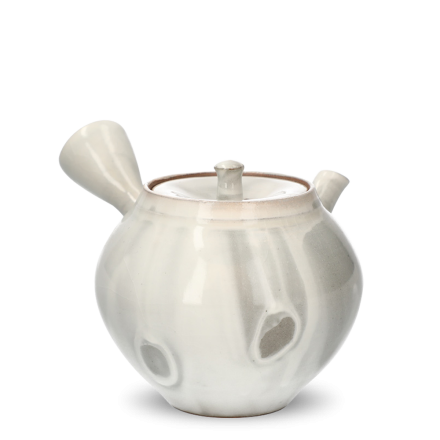
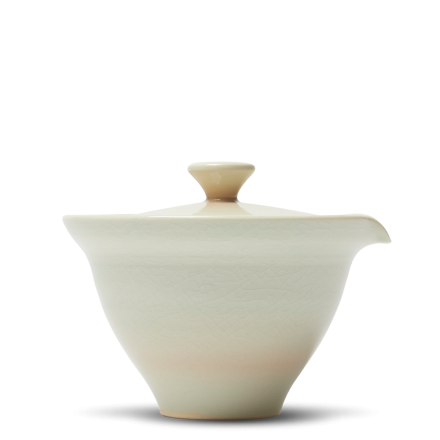
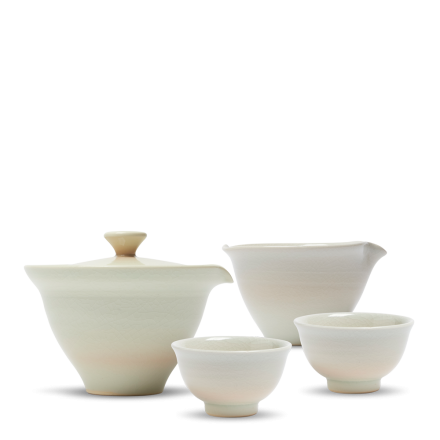
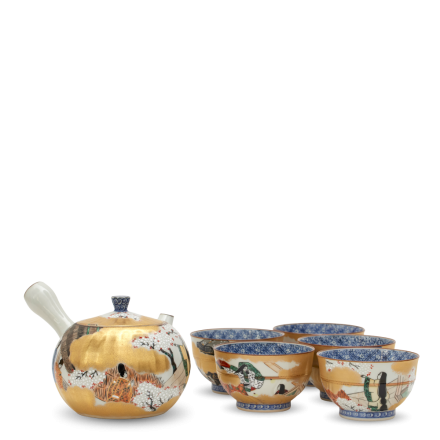
Original Japanese side-handled ceramic teapots with matching teacups. Handmade and hand-painted by leading artists and studios in Kiyomizu, an area of Kyoto known for the production of high-quality ceramics (Kiyomizu yaki 清水焼). With integrated ceramic strainer for preparing green tea.
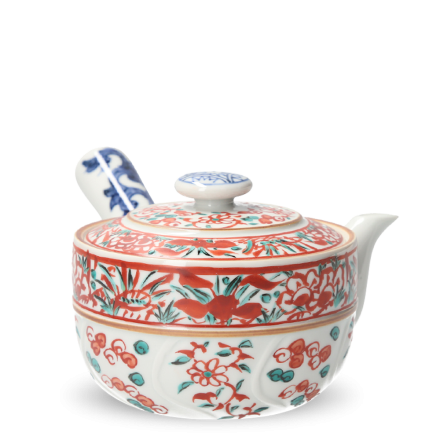
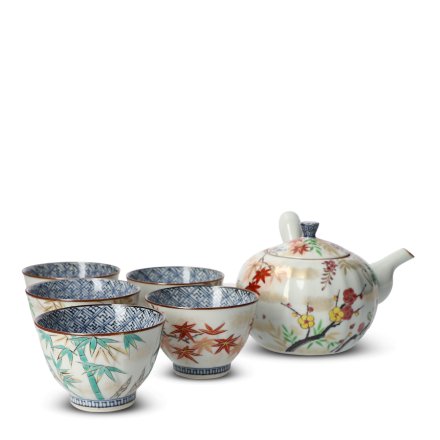
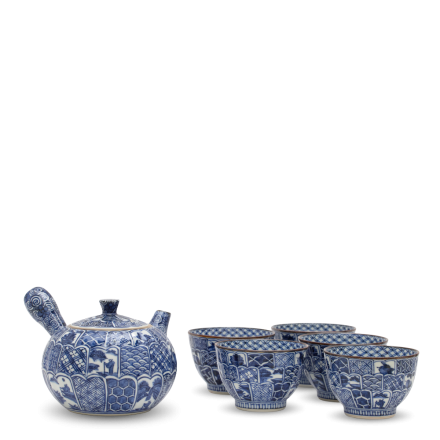
Urushi Lacquer
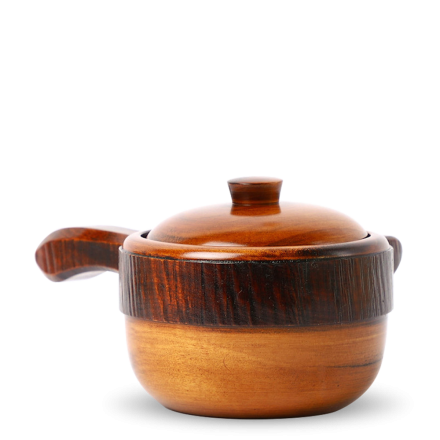
Original Japanese side handle teapot made of horse chestnut wood. The teapot is hand-turned and painted with a natural lacquer using a traditional method.