

Dobin Tokoname
Uwade

Jinshu

SKU
4261
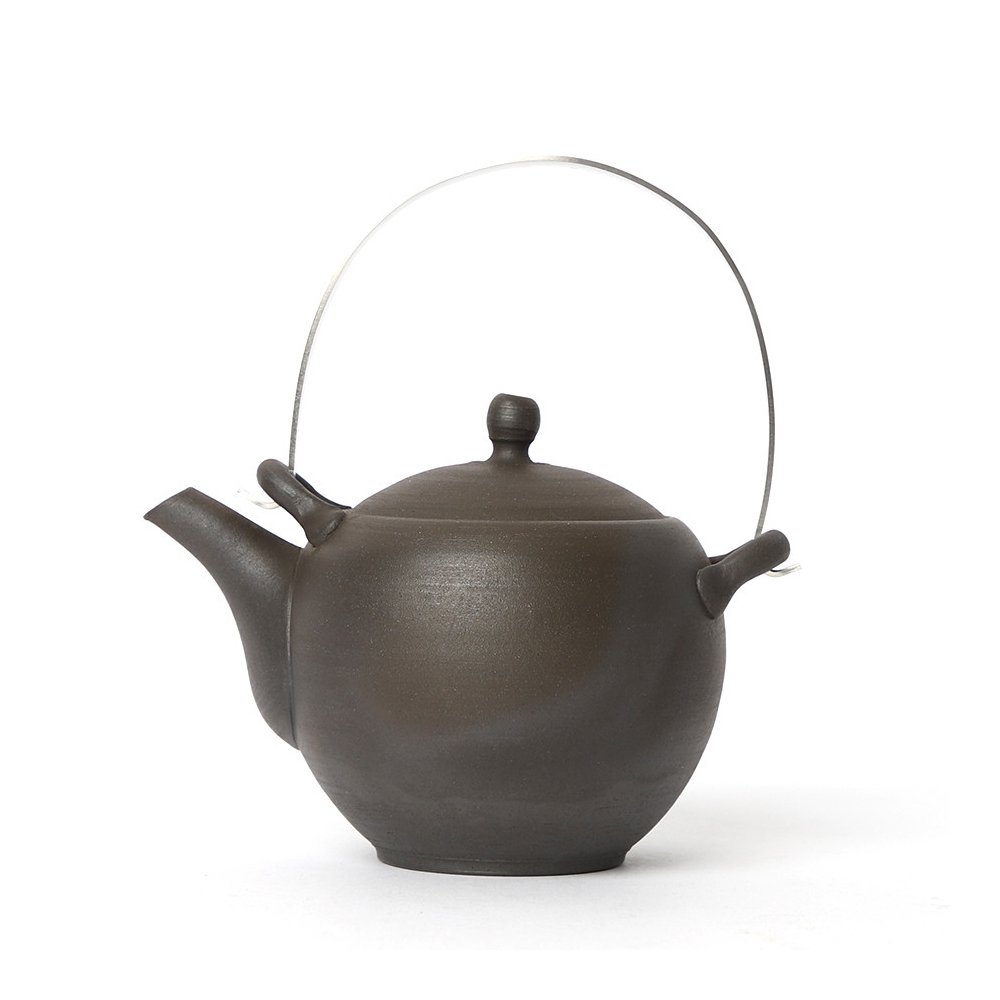
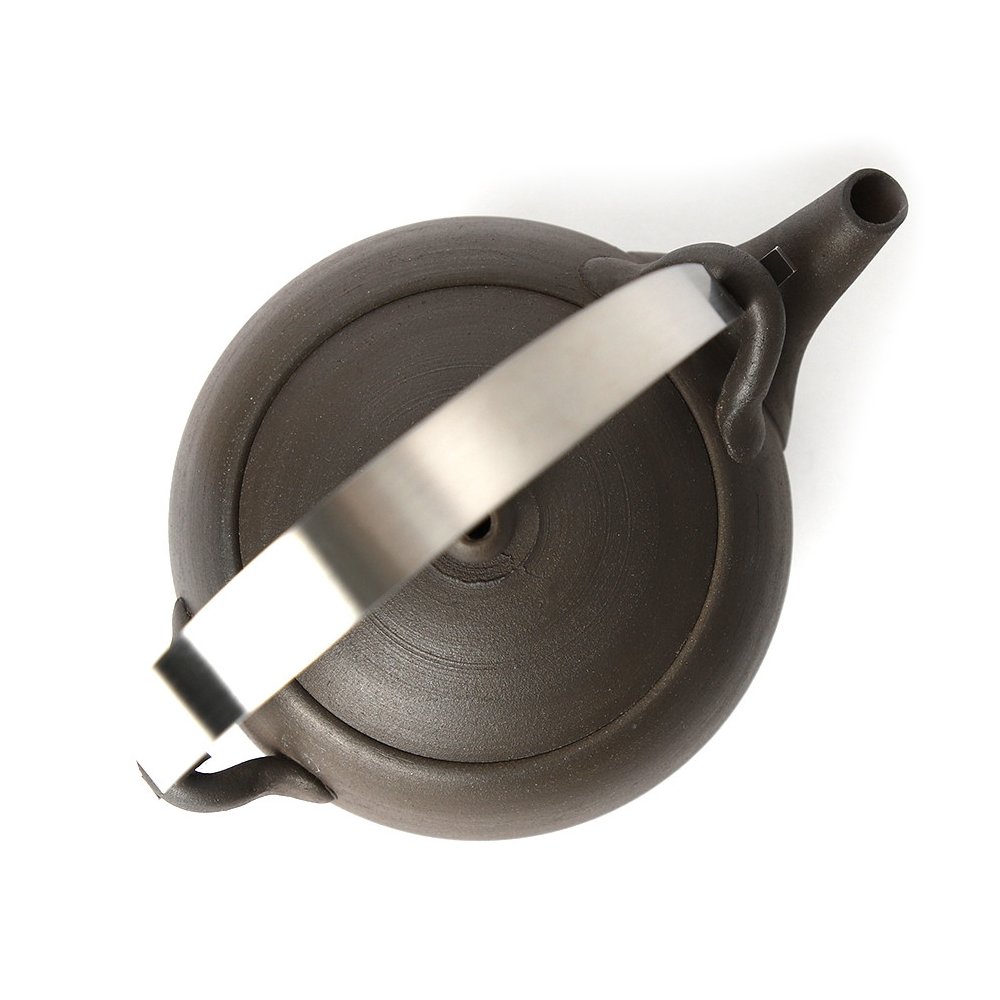
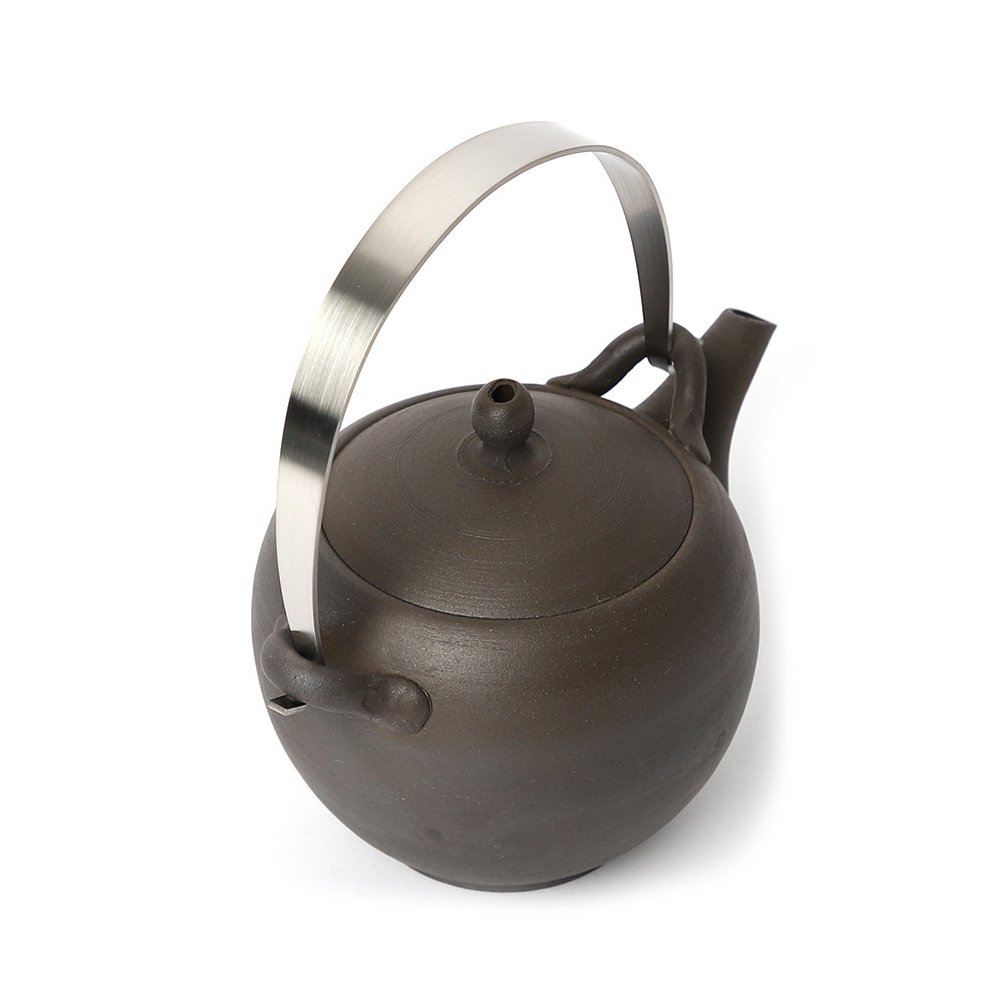
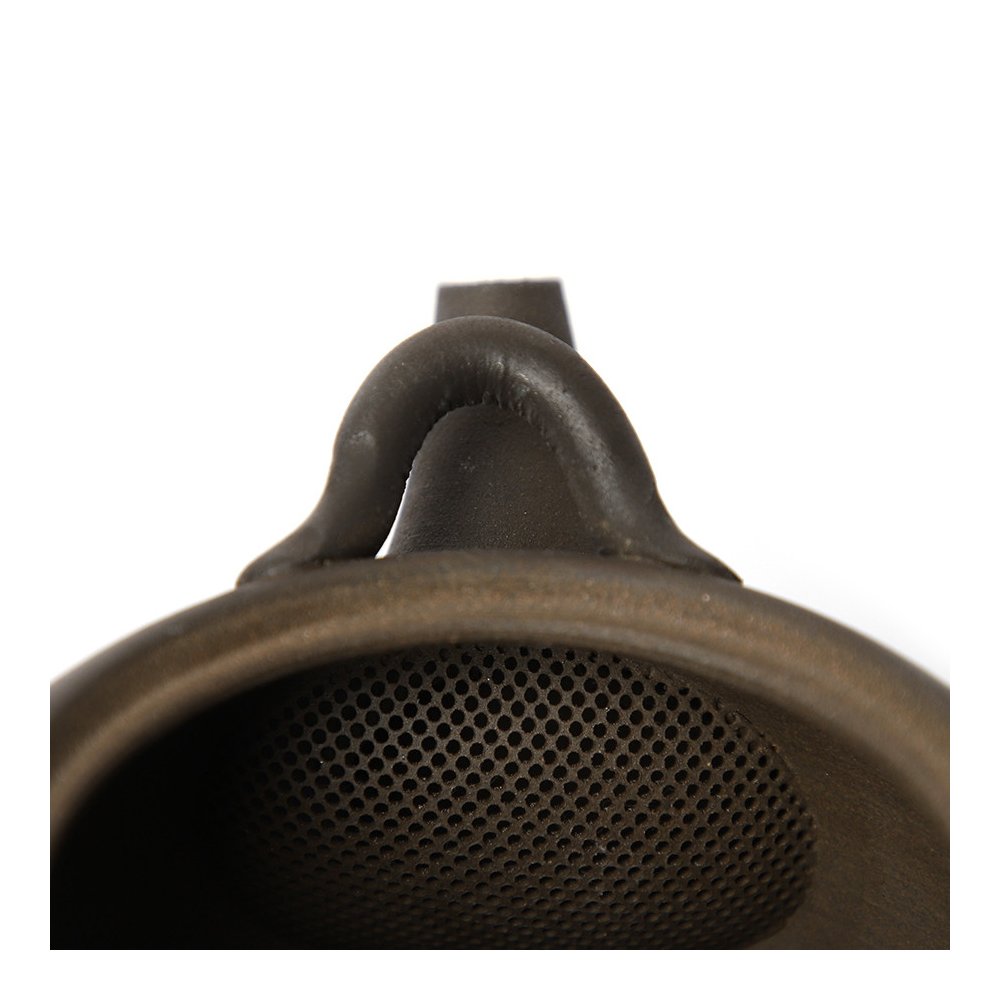
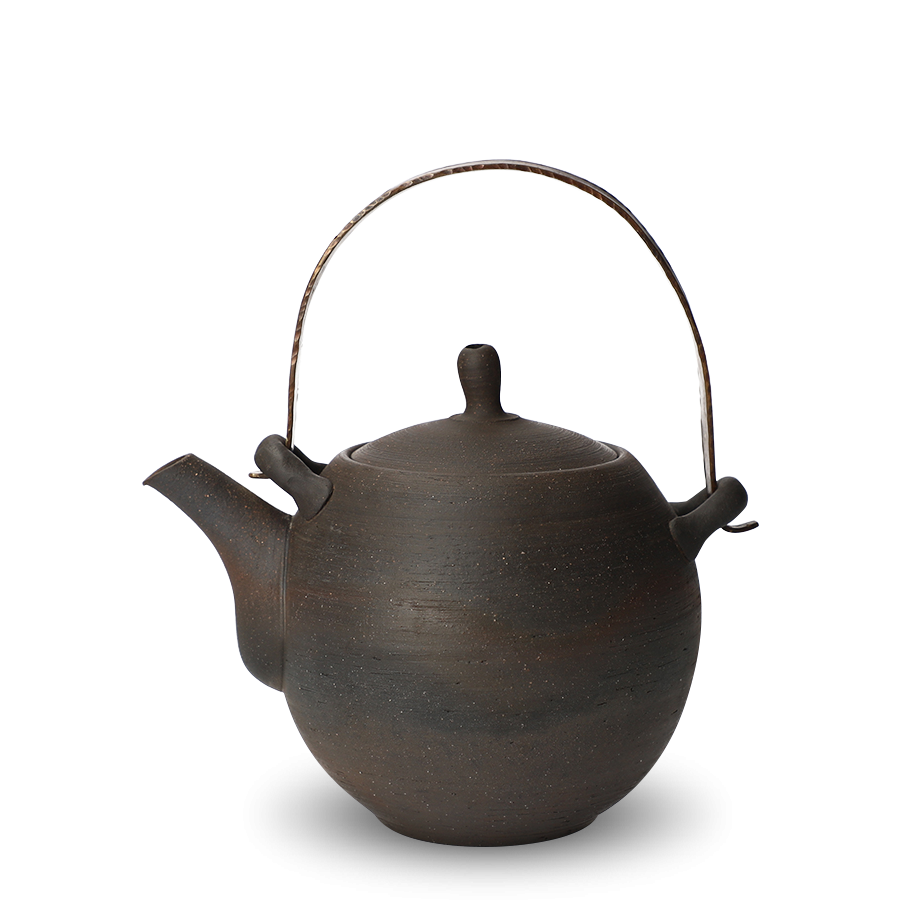
Original Japanese dobin teapot by Master Jinshu from Tokoname. Integrated, hand-pierced ceramic strainer, natural clay, handmade. Fine colour patterns from the yohen firing technique. 480ml
Item Dobin teapot
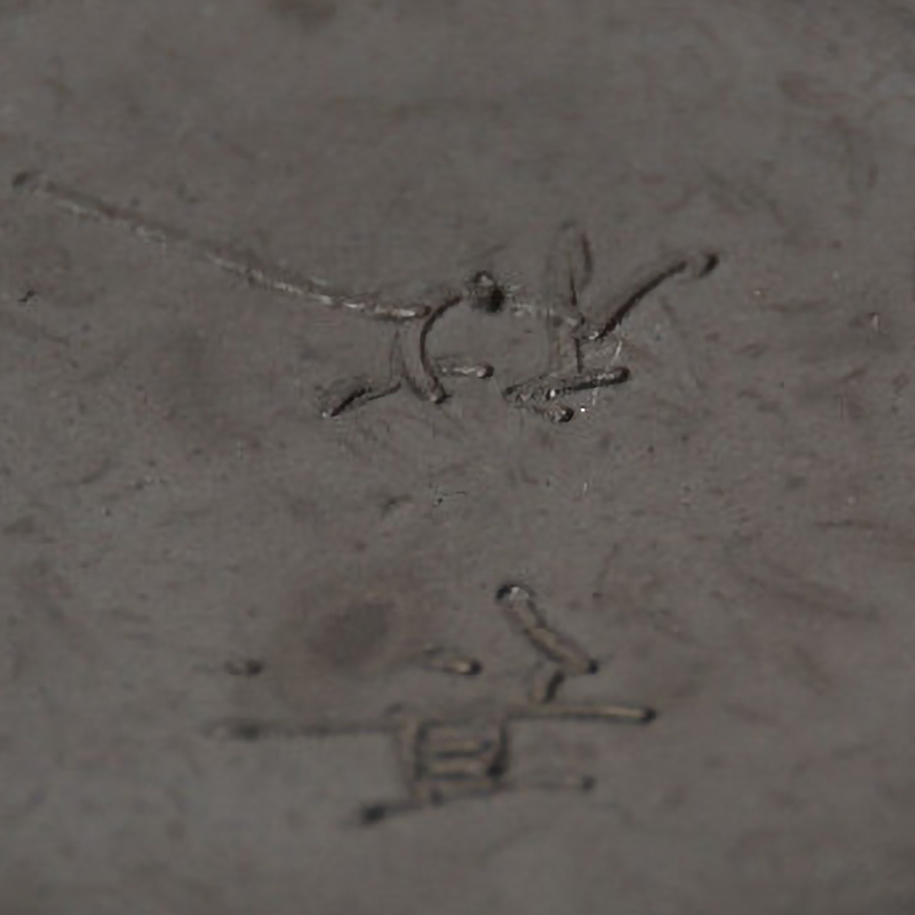
Artist Jinshu
Kiln Tokoname Yaki (常滑焼)
Origin Tokoname, Aichi Prefecture, Japan
Volume 480ml
Dimensions Ø10.8 x H9cm
Strainer Ceramic sieve pierced by hand
Packaging Box
Tea varieties Recommended for bancha, genmaicha, hojicha
Packaging Cardboard box


Each item is handmade and unique, therefore colour and size may vary slightly.

€389.90

Delivery : up to 5 business days

Incl. VAT, excl. shipping

SKU
4261
Notify me when this product is available:

Incl. VAT, excl. shipping

SKU
4261
Reminder set
Dobin Tokoname Jinshu Uwade

Jinshu

manufacturer

Founded in 1913 as a clay manufacturer in Yokkaichi – the home of Banko-yaki – Nankei Pottery started producing their own teapots and tableware in 1972. The family-run business manages every stage of production in-house, from blending their own clays to designing and crafting each piece. Led by a dedicated team of master artisans, Nankei Pottery combines their deep knowledge of raw materials with functional, contemporary aesthetics for effortless tea enjoyment.

Dobin Tokoname Jinshu Uwade

Dobin 土瓶

Literally "clay jug", the Dobin is a large teapot with a top handle, often made from bamboo, rattan, wood or metal. Historically used as kettles to boil water or infuse medicinal herbs, these days they are primarily used to brew larger quantities of tea – particularly Genmaicha, Hojicha and Bancha – making them ideal for serving several guests.

Dobin Tokoname Jinshu Uwade

Tokoname Yaki 常滑焼

Pottery has been produced in the city of Tokoname, Aichi prefecture, as far back as the 12th century, and since 1976 has been protected as a Traditional Craft of Japan. Tokoname was the site of the largest and oldest of the legendary Rokkoyō (六古窯): the “Six Ancient Kilns” of Japan, and is celebrated for its iron-rich Shudei (朱泥) "red clay" that turns a bright red after firing. When fired a second time in a reduction oven, the red Shudei turns black – another characteristic colour of Tokoname-yaki. High-fired at temperatures of around 1100°C and left unglazed (Yakishime, 焼き締め), this allows tannins in the tea to interact with the iron in the clay body, which is said to reduce astringency and highlight the sweetness of green teas. Another key feature of these Kyusu are the perfectly fitting lids, which are ground into the clay body after firing in a technique known as Suriawase.

Important to us

This traditional dobin is hand-turned from natural clay by Master Jinshu, a multiple award-winning potter from Tokoname. A dobin, usually unglazed on the inside, is an often slightly larger kyusu. This dobin has wonderful colour patterns created by Jinshu's speciality, the yohen firing technique.

The largest and oldest of the legendary Six Ancient Kilns of Japan, Tokoname has been producing high-quality earthenware since the 12th century. The particularly iron-rich clay deposits of the region give the wares their characteristic red colour which, combined with oxidation firing, are key elements in their ability to optimise the teas' flavour. A special feature of the production of kyusu from Tokoname are the lids, which are ground by hand and fit precisely.

Details

  • Genuine Jinshu masterpiece
  • Hand-cut lid
  • Red, ferruginous natural clay
  • Fine colour patterns from the yohen firing technique
  • Unglazed inside to emphasise mild, alkaline flavours, suitable for alkaline and balanced green teas from the second and subsequent harvests, such as bancha, genmaicha, hojicha and sannenbancha
Suitable for

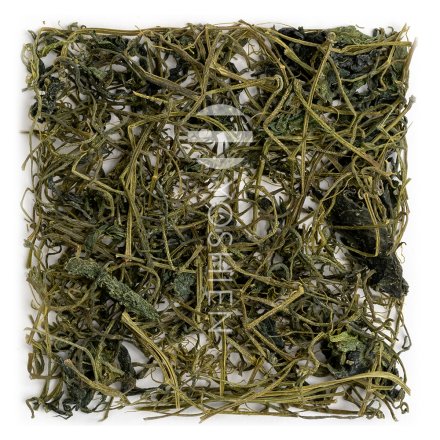
Recommended for the following Japanese green teas:

All alkaline and balanced green teas from the second and subsequent harvests.
Varieties: bancha, genmaicha, hojicha, sannenbancha

High-quality, internally unglazed, oxidation fired earthenware (light brown, slightly reddish and yellowish to grey) helps green tea to have a softer and more balanced body, resulting in a milder and more harmonious flavour. Strongly roasted teas, such as hojicha or sannenbancha, also benefit from these types of kyusus.

For long-term use, it is advisable to stick to similar tea types, such as those recommended above. Kyusus made of natural clay develop a patina in interaction with each tea, improving and intensifying their flavour over time. For this reason, too, avoid the use of tap or bottled water with a high lime content. Soft water (similar to natural mountain spring water), will not harm the patina.

Application

To properly care for high-quality Japanese ceramics, always use soft water throughout preparation and cleaning.

A kyusu should be warmed with water before usage so that the clay reacts better with the tea leaves. Only then should the tea needles be added with a wooden spoon. Depending on taste, variety and quality, 1-3 heaped teaspoons per person are recommended. Connoisseurs usually make the tea much stronger than beginners, who are less used to the intense taste and bitter compounds.

Pour the water carefully and slowly over the leaves, ideally from a yuzamashi (a vessel used for cooling the water after boiling) of the same or similar clay and fire. For best results, fill the water only to the top third of the strainer. Please close the lid while brewing the tea.

To pour, hold the kyusu with one hand, with your thumb on the knob. Make sure that the small opening on the lid is level with the spout. Then pour the tea slowly into the cup, drinking immediately. If several cups are being filled, they should be poured one after the other in small amounts to achieve an even result for all cups. At the end, gently but firmly point the kyusu downwards repeatedly with both hands to extract the last, particularly rich drops from the tea.

After the last infusion, remove the tea from the kyusu and rinse it with water. Do not scrape or otherwise clean the inside. Afterwards, rinse the inside and outside of the pot with soft water to prevent any detrimental limescale deposits. Briefly wipe the outside with a clean cloth. Then leave the kyusu open to dry completely and store it closed for the next infusion.

Care

Cleaning the exterior:

Clean only with water and a soft cloth. If dirty, wipe with infused green tea.

Cleaning the interior:

Only rinse with clean water containing as little lime as possible. During use, the kyusu accumulates a valuable patina on the inside which should not be removed.

If using tap water to rinse the kyusu, rinse it afterwards with low-lime, soft water inside and out to prevent any detrimental limescale deposits. Then wipe the outside with a clean, soft cloth.

For long-term use, it is advisable to stick to similar tea types, such as those recommended above. Kyusus made of natural clay develop a patina in interaction with each tea, improving and intensifying their flavour over time. For this reason, too, avoid the use of tap or bottled water with a high lime content. Soft water (similar to natural mountain spring water), will not harm the patina.

Our recommendations

Loading...
The image could not be loaded.