

NEW:  FUKAMUSHI SENCHA YAMAKAI  AND  TSUYUHIKARI  -20% &  ALL SENCHA  -10% | YOUR CODE:

Sencha
Honyama Yamakai P.Free

Super Premium 97 P.

SKU
0854
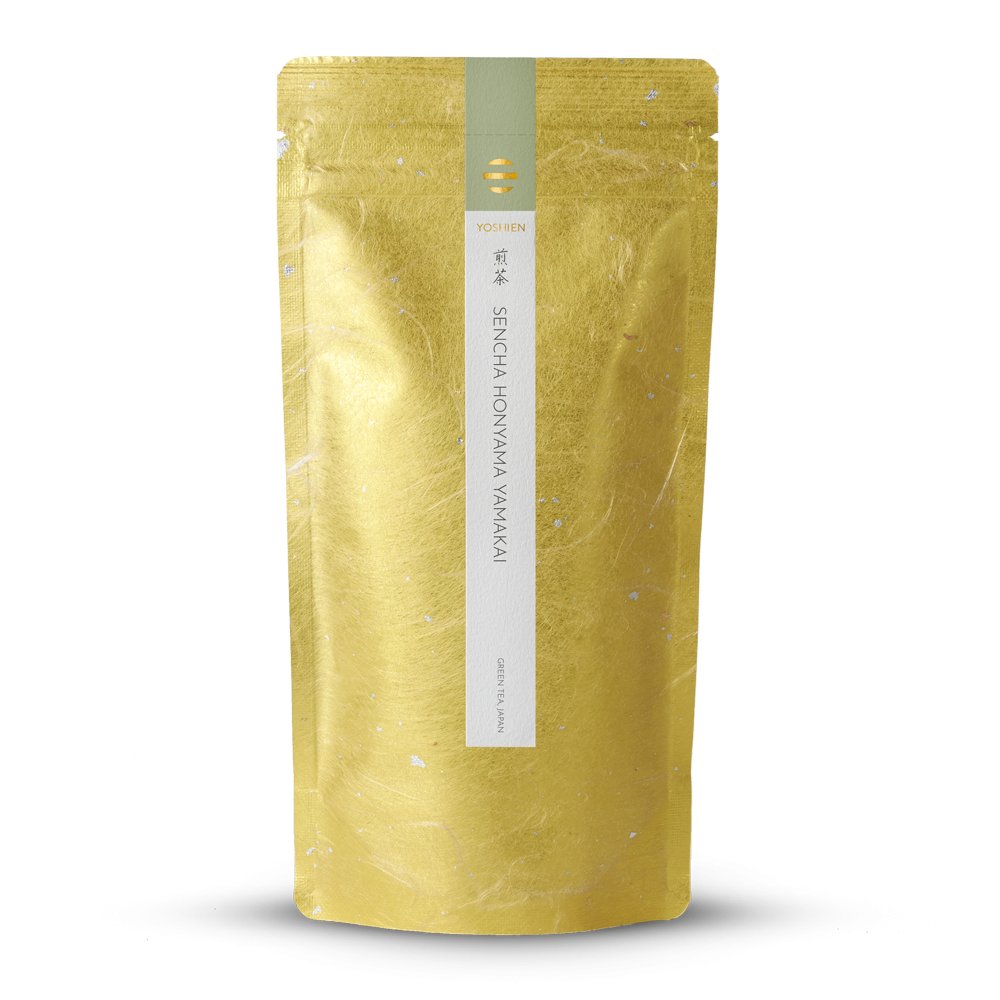
A natural, robust mountain Sencha crafted from the fine Yamakai cultivar, grown in the renowned Honyama region. Pesticide-free cultivation. 100g
Character Beautiful, refined bitterness and naturalness (Yamakai); elegant, classic, vibrant and clear, strong with a fine astringency – a tea for connoisseurs
Tea Farm A renowned young tea farmer in one of the top regions for Sencha
Terroir Ushizuma, Honyama, Shizuoka Prefecture, Japan
Harvest 1st harvest (Ichibancha), late May 2026
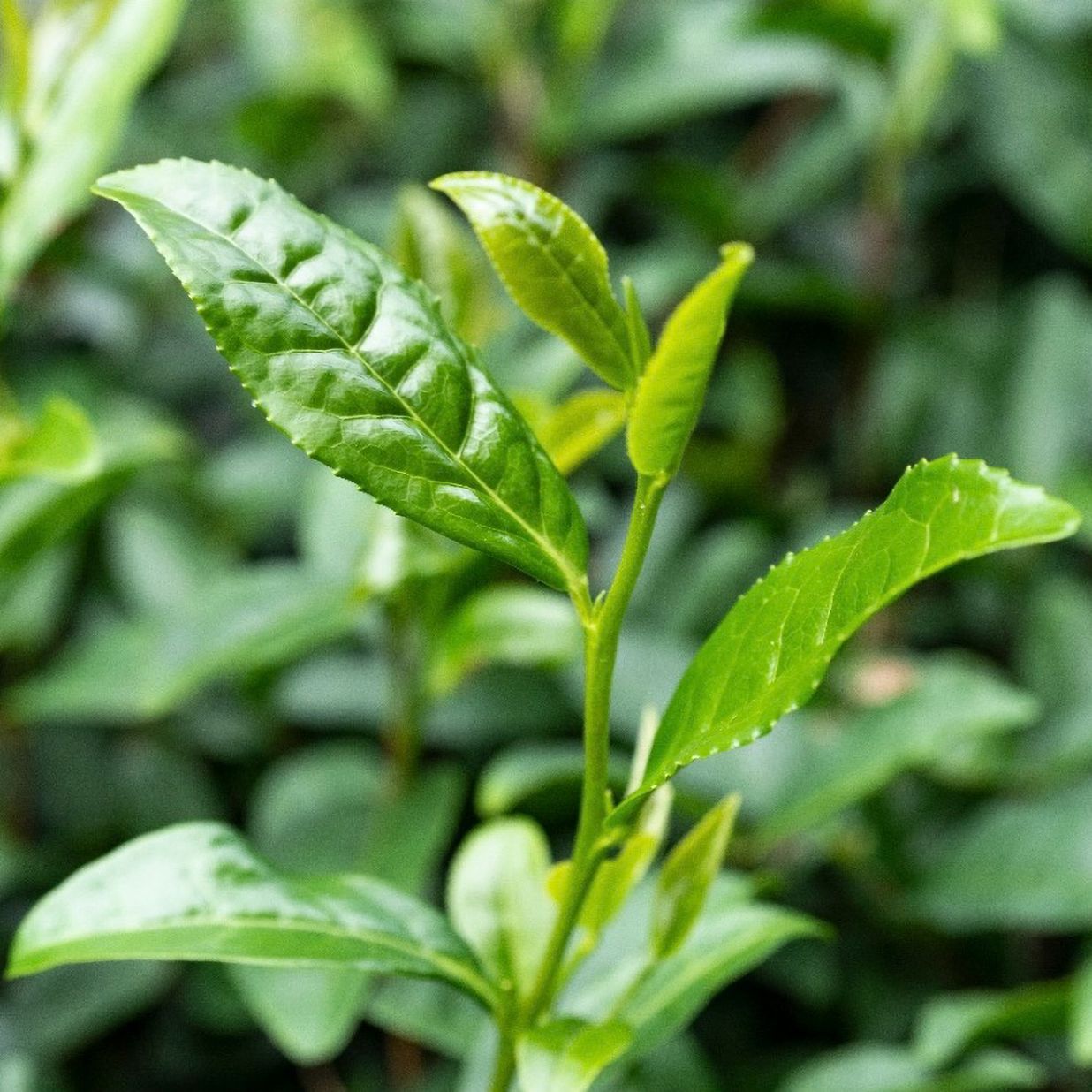
Cultivar Yamakai
Elevation Approx. 200-265m above sea level
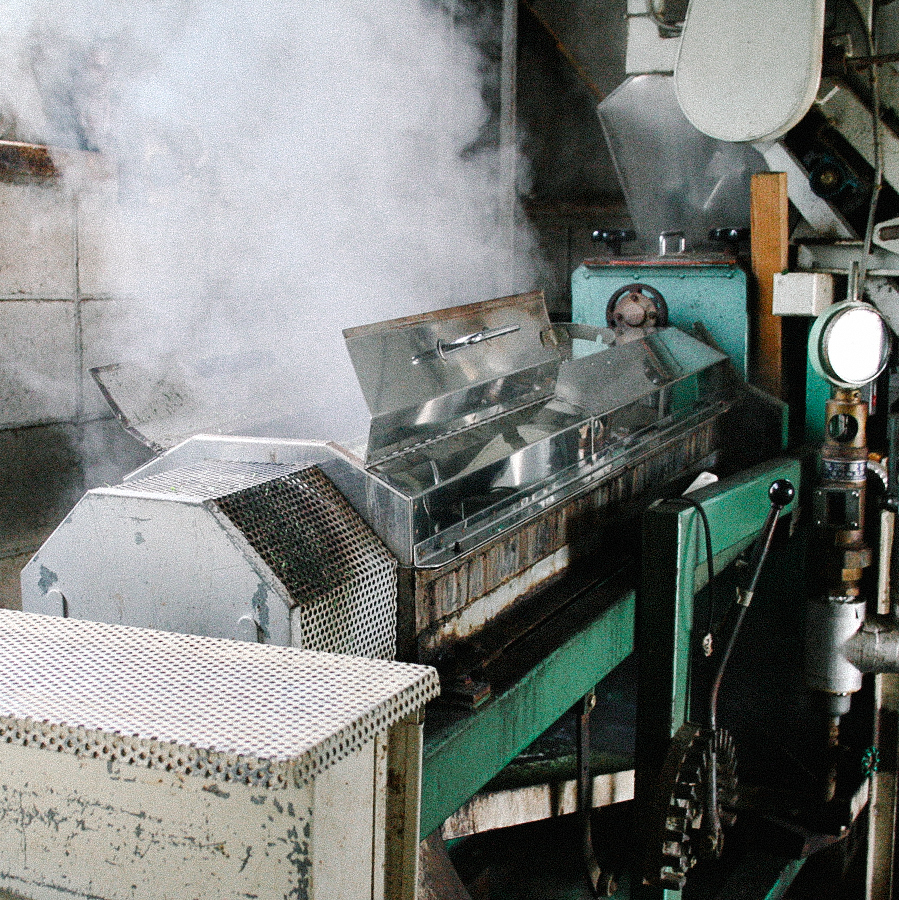
Steaming Short (Asamushi, 20 seconds)
Shading None
Cultivation Cultivated without chemical pesticides or fertilisers; farm’s own house-made Bokashi fertiliser
Laboratory Tests Radioactivity (annual test of the region) and pesticides
Grade 97/100 P. (Sencha category); Super Premium
€23.90
100g

Delivery : up to 5 business days

Incl. VAT, excl. shipping

SKU
0854
€239.00 / 1kg

Back in Stock after 2026 Harvest

Notify me when this product is available:

Incl. VAT, excl. shipping

SKU
0854
€239.00 / 1kg
Reminder set
Sencha Honyama Yamakai P.Free

Tea Farm

The tea farm is now run by the 15th generation of the same family and is considered one of the pioneers of organic tea cultivation in Japan. As early as 1989, the farm completely abandoned the use of chemical pesticides and fertilisers. After decades of conventional farming, the tea grower chose to convert to organic cultivation out of concern for the health of his family and his customers — a decision that meant accepting a three-year transition period without harvest. This commitment came long before the introduction of Japan’s JAS Organic certification. Today, the farm uses exclusively its own Bokashi fertiliser, produced from by-products of its own livestock and rice cultivation. This assures that the teas are created in harmony with nature and develop their own unique regional character.

Sencha Honyama Yamakai P.Free

Character

Tasting Notes

The rare Yamakai cultivar is often chosen for crafting fine, classic Senchas with a pronounced mountain character. It originated as a natural crossbreed of Yabukita in Shizuoka and, compared to its parent variety, expresses a more refined bitterness, naturalness, and clarity. The steep, sun-exposed mountain location, the stimulating climate, careful selection of the first harvest, and a short steaming process combine to create a tea that is at once powerful, remarkably clear and elegant. Highly recommended for lovers of classic, pure mountain Sencha as well as connoisseurs.

Leaf

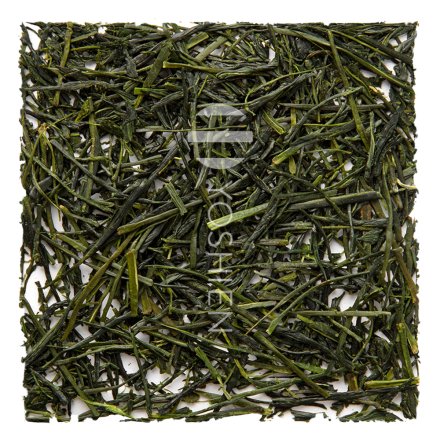
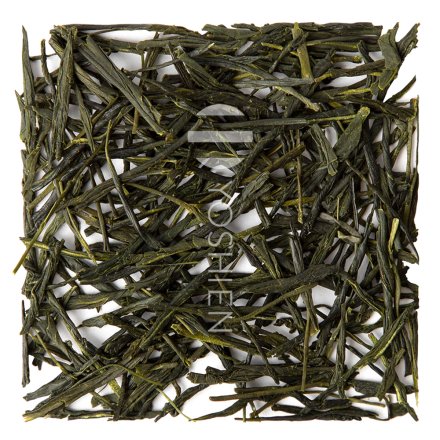
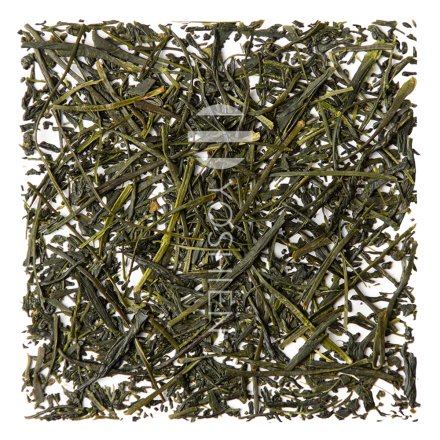
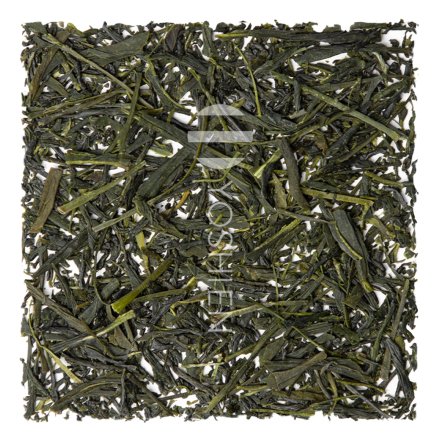
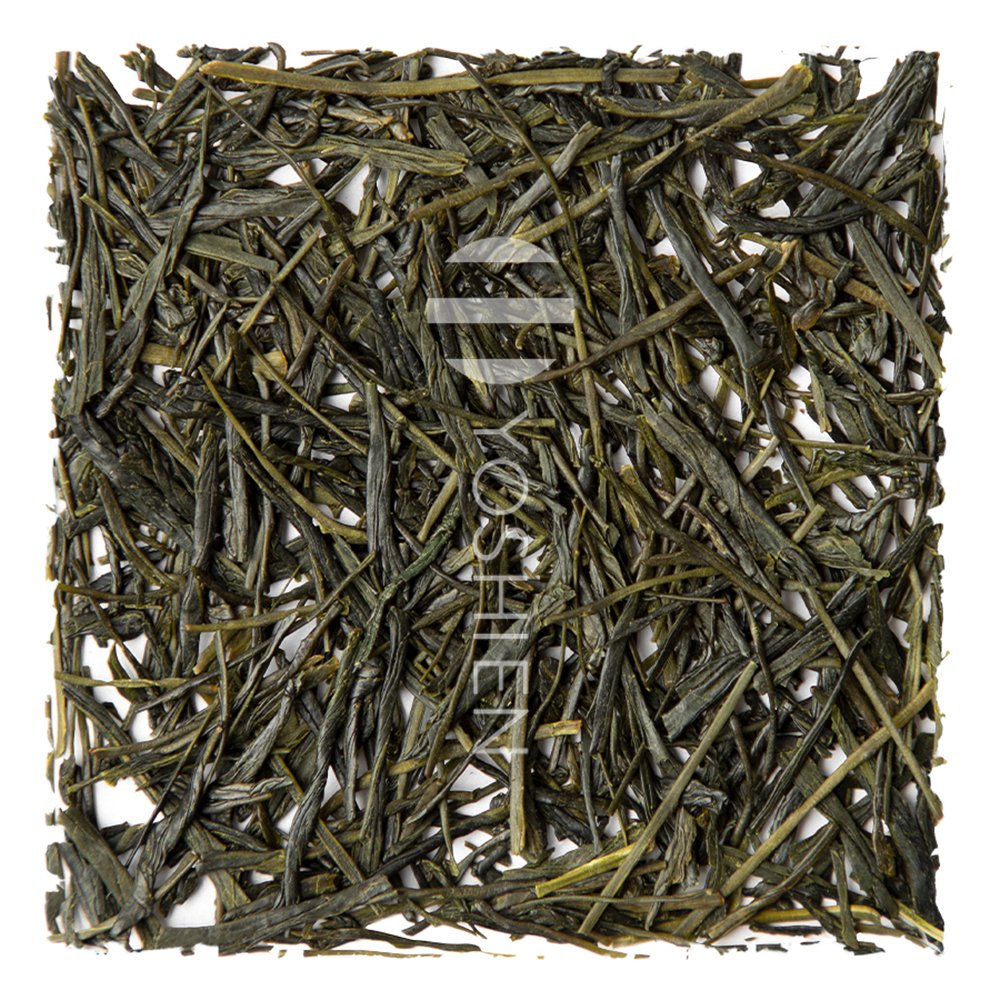
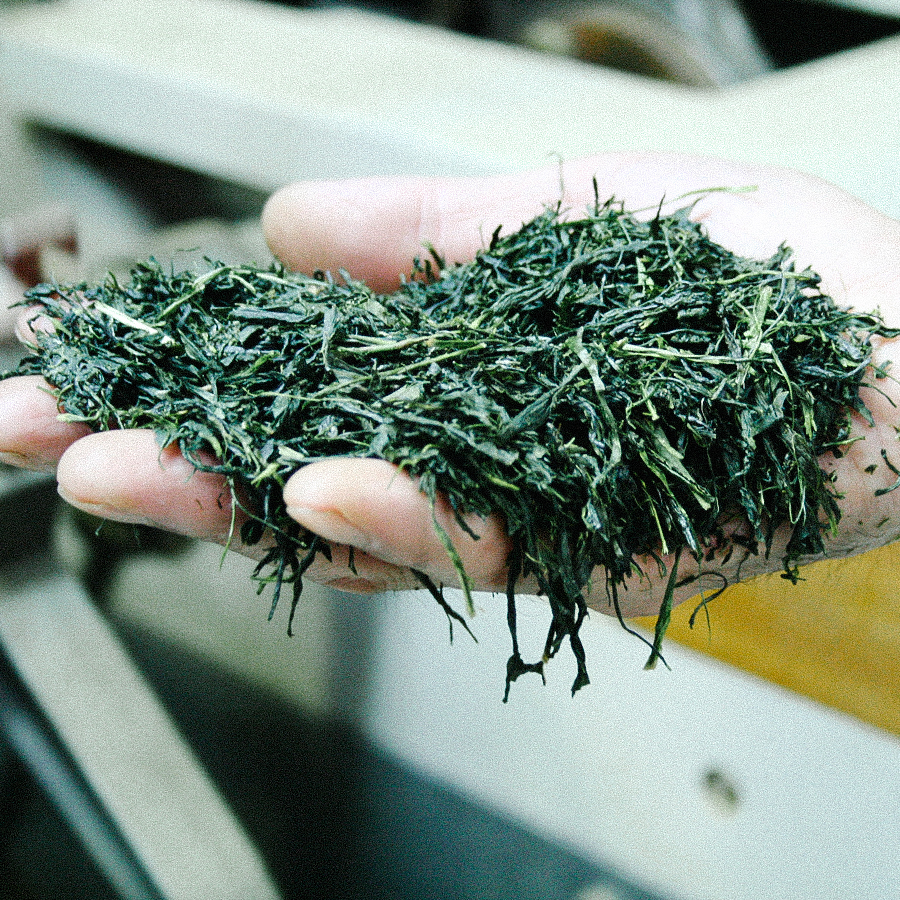
Rich grass-green and dark green needles

Cup

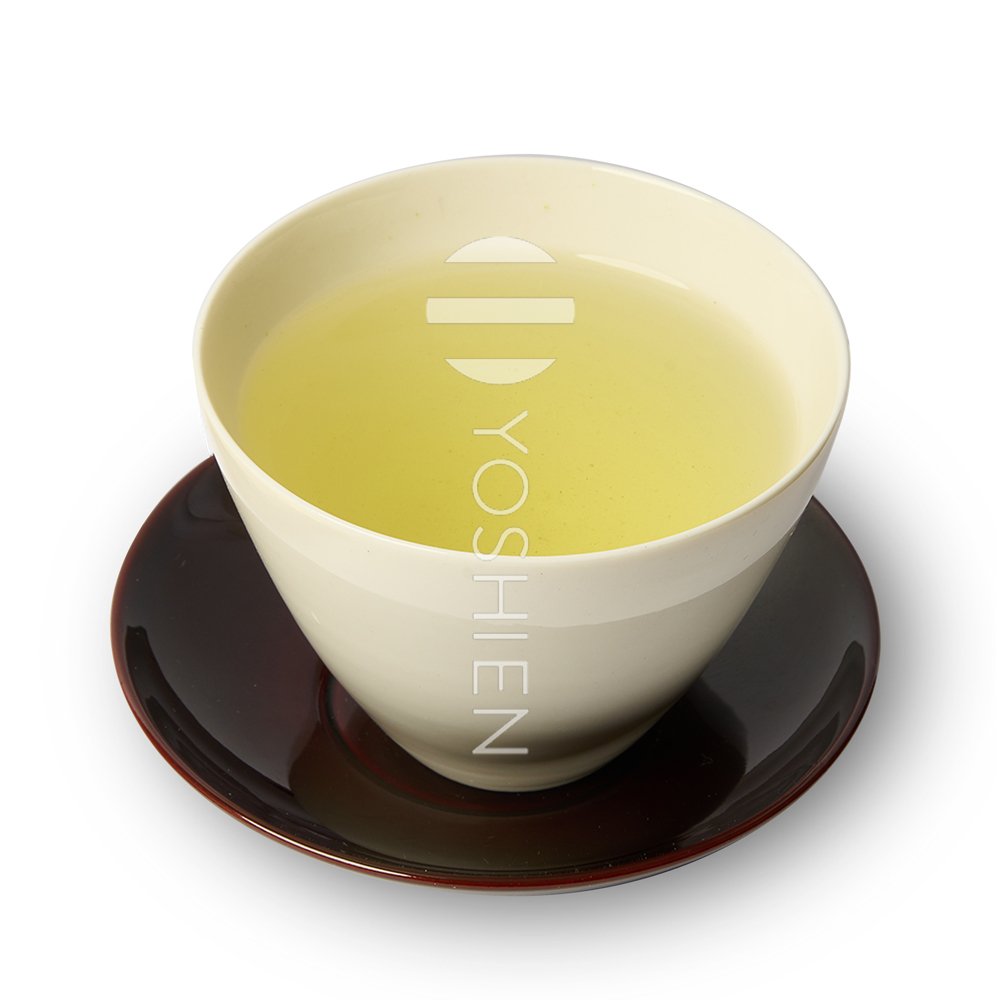
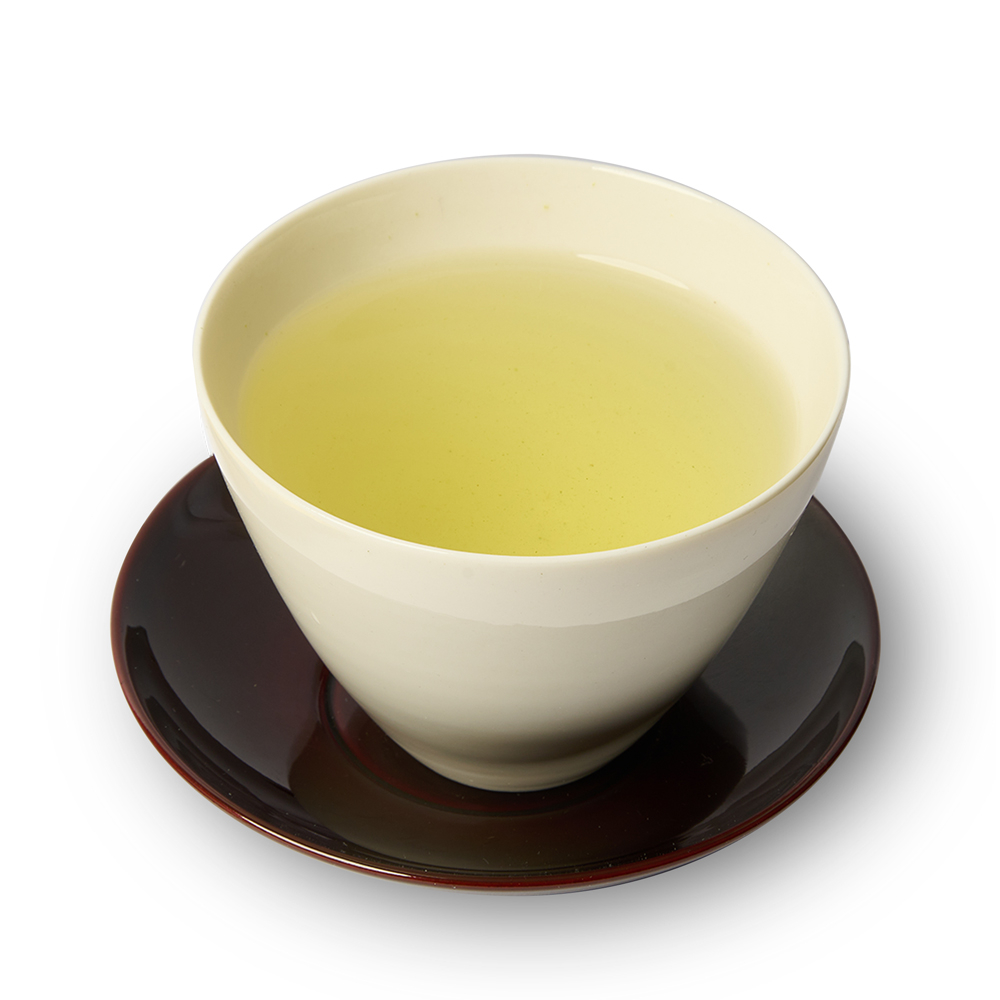
Classic Sencha sunny yellow

Sencha Honyama Yamakai P.Free Sencha Honyama Yamakai P.Free

Sencha

Sencha is by far the most commonly cultivated and consumed green tea in Japan and constitutes the backbone of Japanese tea traditions. The leaves are typically steamed for 10–60 seconds, dried with hot air, and via a multi-staged process rolled into flat needles. The flavour profile of Sencha is very diverse and varies between sweet, fresh and grassy to robustly bitter. The region of cultivation as well as quality of the tea play a significant role in determining flavour.

Yoshien Labortests

Laboratory Tests

We go to great lengths to identify the finest organic tea farms across the world’s most celebrated terroirs. All our teas are sourced directly from the farmer and, with a few exceptions, are certified organic or come from pesticide-free farms. Each batch of tea for every harvest is tested for pesticides and other pollutants in an independent German lab to ensure they meet our strict quality standards as well as HACCP food safety requirements. Likewise, all the regions of Japan from which we source our teas are tested for radioactivity for every harvest.

Yoshien

Yoshi En

Premium Organic Teas

Our comprehensive portfolio focuses on organic, single-origin teas sourced directly from renowned farms. We believe in creating partnerships with farmers who share our values and are committed to sustainable, responsible tea cultivation. Thanks to these strong relationships our exciting range is constantly growing and evolving. As an international team of dedicated and passionate tea experts, we are committed to preserving centuries-old tea culture while ensuring it remains relevant and continues to bring joy in the present. About Yoshi en.

Cultivation & Processing

Special features in location, cultivation & processing

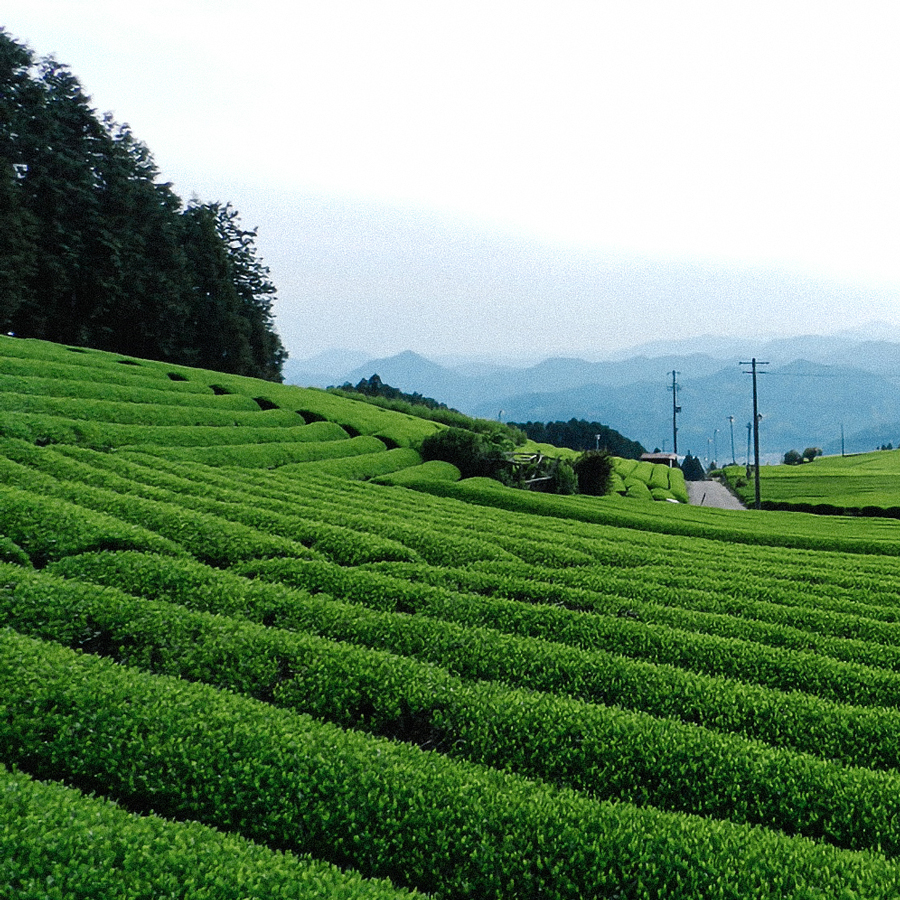
The tea farm lies on the valley slopes of the idyllic Abe River in Shizuoka, a region renowned for its ideal conditions for high-quality tea cultivation. The local climate alternates between cool mornings and evenings and warm midday temperatures, often creating a gentle morning mist that naturally moistens and lightly shades the tea plants. This microclimate encourages the development of a delicate, natural mountain umami and allows the tea plants to grow slowly and gently.

The combination of this distinctive climate, Shizuoka’s nutrient-rich soils and pure water has long been prized not only for tea cultivation but also for the region’s famous wasabi production.

The farm itself has been run by the same family for 15 generations and began its gradual transition to organic tea cultivation in 1989. This conversion required a long period of adjustment for both soil and plants and resulted in three years without harvest or income. Despite the uncertainty of this transition, the tea farmers of Honyama were determined to create a healthy, natural product that would harm neither people nor nature, whether in cultivation or consumption.

To sustain this philosophy, the farm even produces its own Bokashi fertiliser, made from by-products of its own livestock and rice cultivation. In this way, the tea production forms a closed, natural cycle, deeply rooted in the landscape from which these teas originate.

Honyama Terroir

The terroir of Honyama is not a clearly defined geographical place one will find marked on a map. Rather, it is a term from tea culture used to describe the cultivation area of the so-called “true mountain tea” of Shizuoka. The region surrounding the Abe and Warashina rivers is regarded as an ideal growing area and has a history of tea cultivation spanning over 800 years.

Due to the excellent climatic conditions (with cool mornings and evenings, warm midday temperatures, and the characteristic mist that forms between them), the tea plants have optimal conditions for slow, balanced growth. In combination, the mineral-rich mountain soils, the pure groundwater flowing from the Southern Alps, and the gentle mountain mist create a refreshingly clear aroma and a deep, multi-layered flavour, distinctly different from teas grown in the lowlands.

Single Origin

This tea comes 100% from the above-mentioned tea fields in Honyama, sourced directly from the tea farmer.


100% pure
wildcrafted

Preparation

Brewing Guide

3 heaped teaspoons (approx. 7g) per 100–300 ml water, 60 °C, steep for 2 minutes.
We recommend this preparation for a particularly gentle infusion that preserves valuable amino acids and vitamin C, while remaining mild in bitterness. Suitable for up to four further infusions, each with a steeping time of 10–30 seconds (we recommend increasing the temperature to 70–80 °C for subsequent infusions).

Alternatively, the following preparation methods may be used:
• 70 °C, 1.5 min: A balance of fresh and deep notes – intense, slightly bitter; brings out the catechins and caffeine (a balance of relaxing and revitalising)
• 80 °C, 1 min: Umami and sweetness in the background, with deep grassy notes, a pleasantly hot drinking temperature, moderate bitterness; emphasises catechins and caffeine (more invigorating)

Packaging & Storage

Directly packaged for us on-site in a high-quality, airtight, resealable zipper pouch with nine protective layers to preserve flavour and prevent oxidation. When closing the bag, press out as much air as possible to keep the tea well preserved. Alternatively, and especially for longer-term storage, we recommend our stylish and airtight tea caddies.

Recommended Teapot

Ideal is a Banko Kyusu made from 100% original purple Banko clay. This special clay, when reduction-fired, brings out the unique flavour components of Gyokuro including its amino acids and chlorophyll. Vintage Kyusus made before 1990 could still be made entirely from original clay sourced from the Banko region, now a rarity. Alternatively, a high-quality Shiboridashi without a handle, popular among Gyokuro enthusiasts, is also suitable for especially umami-rich infusions.

Test results

We find it very important that our teas are pure and produced in a way that respects the environment. For this reason, each one of our teas is tested for pesticide residues by an independent laboratory, the results of which can be found here. Some of our teas are also tested for specific nutritional compounds, in which case the test results are also published here.
Test results

Our recommendations

Loading...
The image could not be loaded.