

Shou Pu Erh
Ban Zhang 2017 P.Free

Imperial Grade 98 P.

SKU
4156-config
An extraordinary Imperial Grade tea sourced from the tea region of Ban Zhang in southern Yunnan. Only the finest, most precious leaf material was used for this quickly aged Pu Erh. The use of large, well-formed leaves with a high number of buds contributes to the exquisite flavour of this Pu Erh, which unfolds beautifully over multiple infusions. In terms of taste, this is the crème de la crème of Shou Pu Erh – highly recommended for seasoned connoisseurs and for special occasions. Available as a whole 357g cake or a 10g portion.
  • Shou Pu Erh tea from Ban Zhang, Yunnan
  • Hand-picked from old tea trees
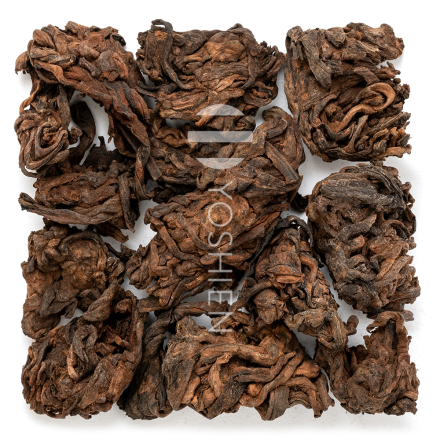
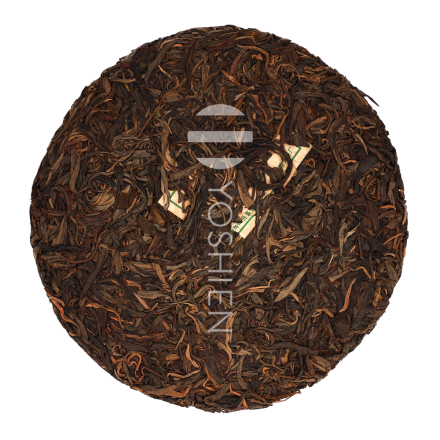
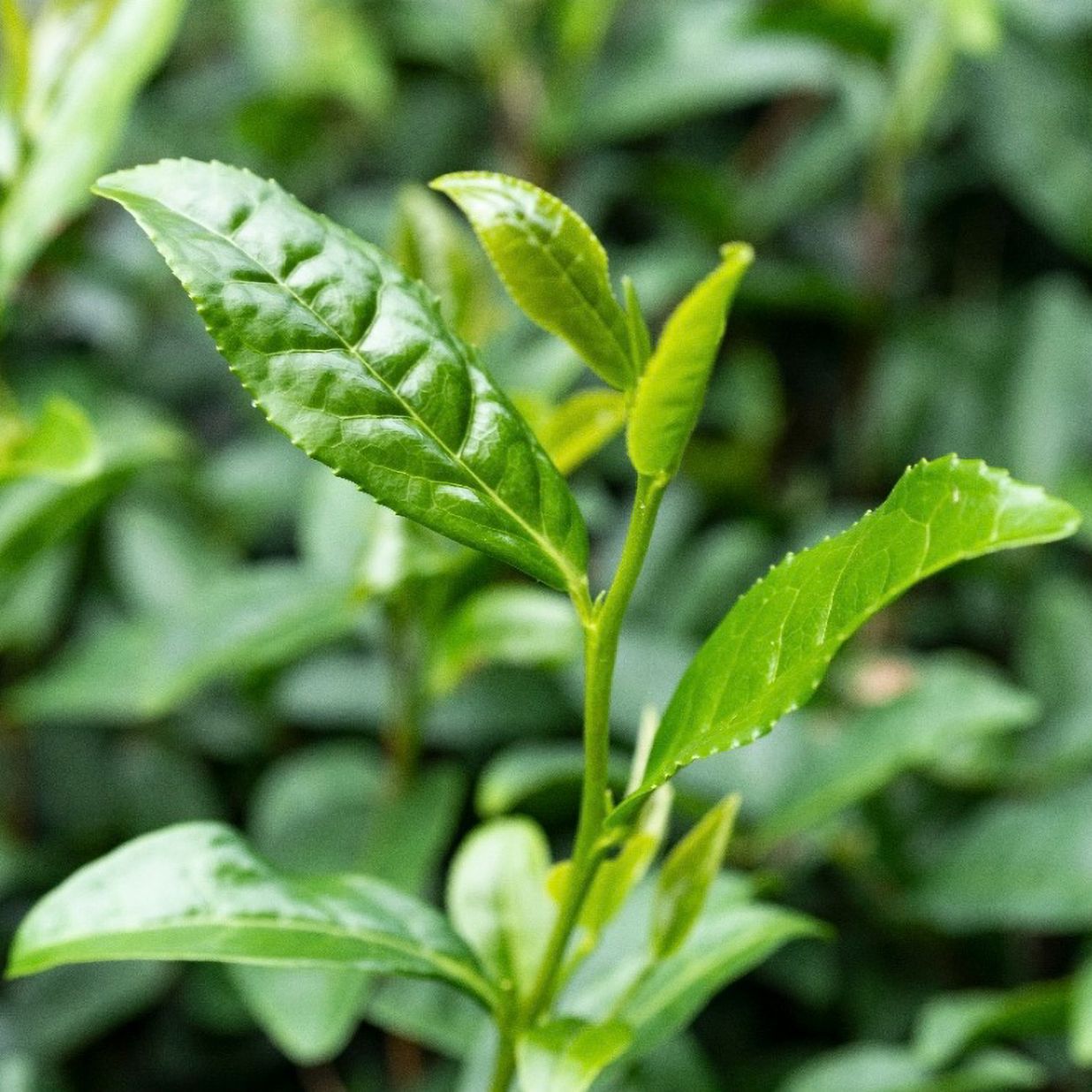
  • Large, unbroken tea leaves with a large proportion of buds
  • Directly sourced from the most sought-after terroir for Pu Erh
  • In terms of taste, the crème de la crème of Shou Pu Erh teas
  • Sustainably cultivated without the use of pesticides


Character Dark chocolate, smooth and full-bodied, earthy with notes of molasses; flavoursome, elegantly bitter, and distinctly mineral, evoking wet pebbles
Tea Garden The tea region of Ban Zhang has been considered for many years to be one of the best terroirs for Pu Erh tea
Terroir Ban Zhang, Xishuangbanna, Yunnan, China
Harvest Spring harvest, March to May, 2017, hand-harvested
Cultivar Yunnan Da Ye Zhong, 100-200 year old tea trees
Elevation 1,100-1,800m above sea level
Oxidation/Fermentation Indoor withering, oxidation halted via wok roasting (“kill green”), rolling, sun-drying, first leaf selection, layering of leaves, controlled fermentation over 45–60 days, air-drying, second leaf selection, steaming, pressing into shape, and final air-drying
Cultivation Cultivated without the use of plant protection products or synthetic fertilisers
Grade 98/100 p. (Pu-Erh category); Imperial Grade
€15.90

Delivery : up to 5 business days

Incl. VAT, excl. shipping

SKU
4156-config
€1,590.00 / 1kg
Pu-Erh Tea - Shou Da Ban Zhang 2017 357g Cake Pesticide Free

Tea Farm

The tea farmers live in the Ban Zhang region of Yunnan, on Bu Lang Shan, and belong to the Bu Lang ethnic minority. The right to harvest certain tea trees is passed down from generation to generation throughout all Pu Erh regions. The tea trees used in the production of this tea have likewise been cared for by the same families for several generations. In Yunnan, Pu Erh tea trees are treated with great respect, which is why no pesticides or herbicides are ever used.

Pu-Erh Tea - Shou Da Ban Zhang 2017 357g Cake Pesticide Free

Character

Tasting Notes

This finely aged Pu Erh from the renowned Ban Zhang region of Yunnan is a true masterpiece, ideal for connoisseurs. What sets this tea apart is its remarkable balance and depth: a full-bodied, creamy flavour that gently unfolds into a refined touch of elegant bitterness, evoking notes of dark chocolate. Sourced from the most sought-after Pu Erh region and made with exceptional care using only premium, hand-selected leaves, this tea embodies the highest standards of craftsmanship. A Shou Pu Erh unlike any other. 

Leaf

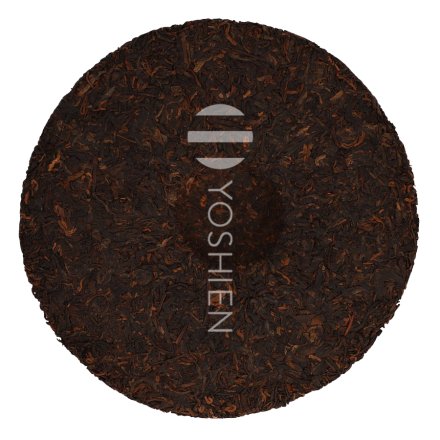
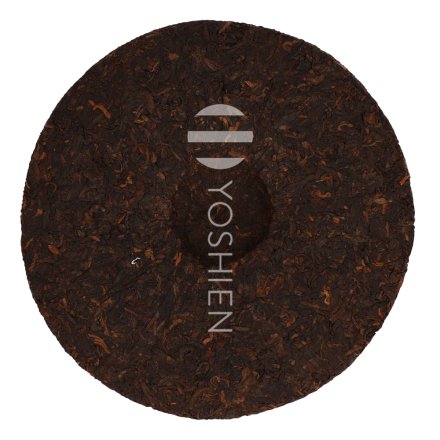
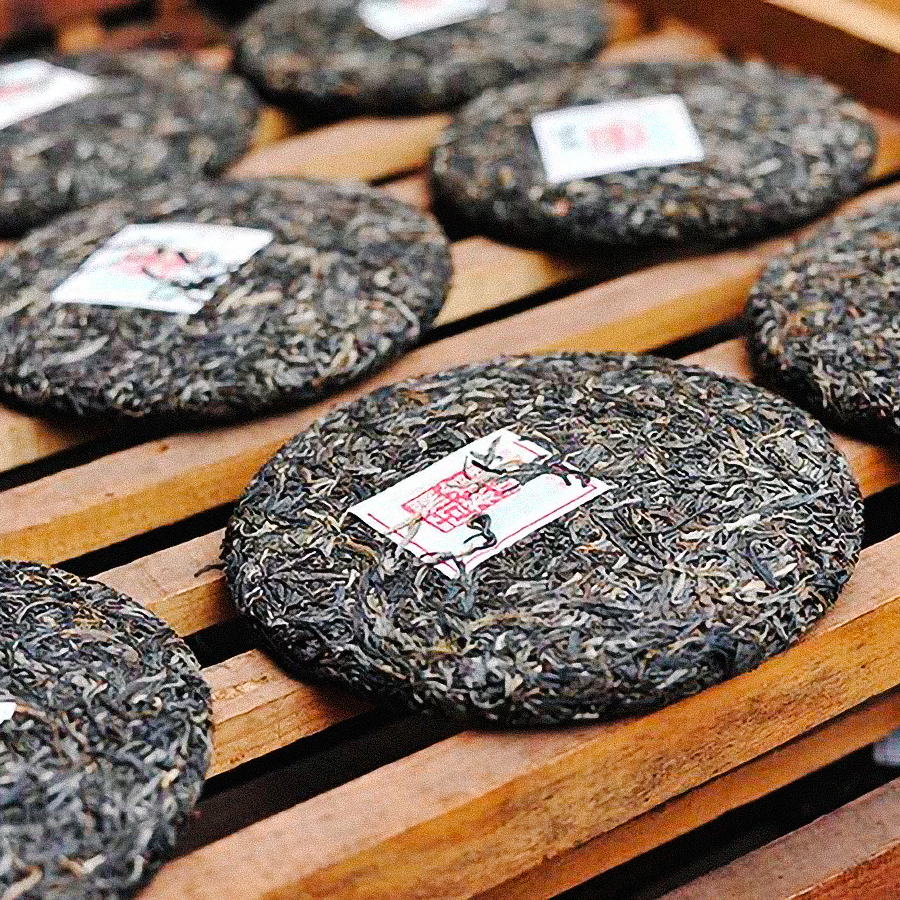
At the end of the production process the leaves are briefly steamed and pressed into traditional forms (cake, brick, mushroom). Historically, this method was developed for practical and logistical reasons. Today, pressing is known to improve the uniformity of fermentation (ripening) of the tea.

Cup

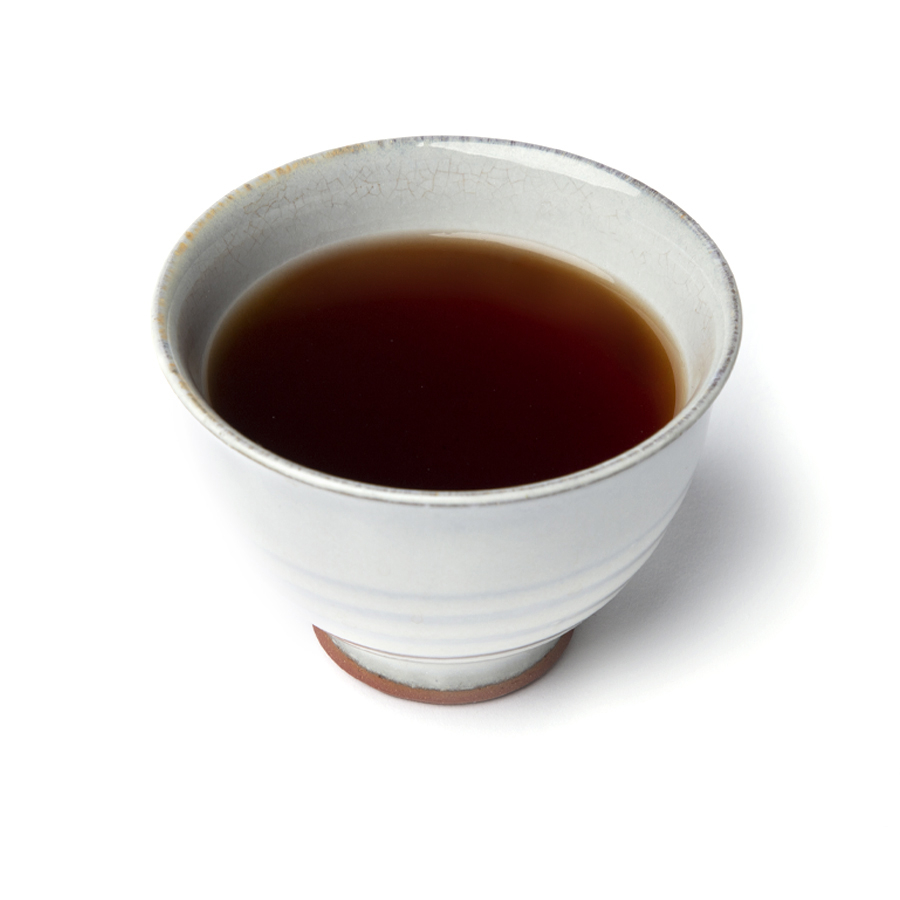
Dark reddish brown

Pu-Erh Tea - Shou Da Ban Zhang 2017 357g Cake Pesticide Free

Pu Erh Tea

Pu Erh tea is a so-called post-fermented tea whose leaves, similar to green tea, are first wilted, roasted and then rolled. Characteristic for Pu Erh is a relatively light, low-temperature heating and a slow, gentle drying of the leaves in the open air. This is followed by the fermentation phase, which is central to Pu Erh, and for which the tea is pressed into tight cakes. In this process, naturally occurring bacterial cultures are trapped between the leaves and cause the aromatic development of the tea over the course of months to decades. This is not to be confused with the oxidation-based production of black or oolong tea, in which the enzymes of the tea plant play a central role. In fermentation or maturation, a distinction is made in particular between sheng pu erh that has been stored and naturally matured for several years and often decades, and pu erh that has been rapidly matured (Shou) in special processing steps. Authentic Pu Erhs are made exclusively from leaves and buds of tea trees native to the Chinese province of Yunnan, which often grow wild. Particularly matured vintage Pu Erhs from special growing areas or specific vintages can fetch enormously high sales prices and are not readily available even on the Chinese market.

Yoshien Labortests

Laboratory Tests

We go to great lengths to identify the finest organic tea farms across the world’s most celebrated terroirs. All our teas are sourced directly from the farmer and, with a few exceptions, are certified organic or come from pesticide-free farms. Each batch of tea for every harvest is tested for pesticides and other pollutants in an independent German lab to ensure they meet our strict quality standards as well as HACCP food safety requirements.
Yoshien

Yoshi En

Premium Organic Teas

Our comprehensive portfolio focuses on organic, single-origin teas sourced directly from renowned farms. We believe in creating partnerships with farmers who share our values and are committed to sustainable, responsible tea cultivation. Thanks to these strong relationships our exciting range is constantly growing and evolving. As an international team of dedicated and passionate tea experts, we are committed to preserving centuries-old tea culture while ensuring it remains relevant and continues to bring joy in the present. About Yoshi En.

Cultivation & Processing

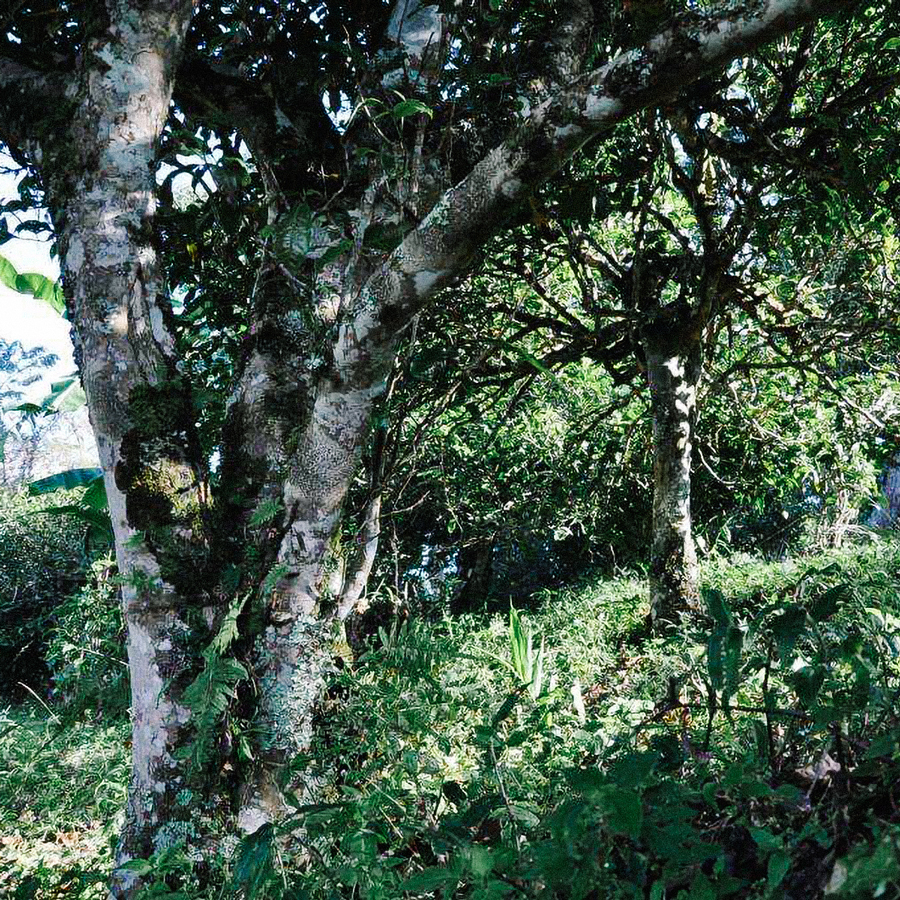
The tea region of Ban Zhang is located in southwestern Yunnan near the border with Burma/Myanmar. The entire region is encircled by mountain ranges dotted with old and young tea trees. Tea villages are spread throughout the region, where everything revolves around Pu-Erh tea.

This region is also home to the most expensive variety of Pu Erh, the renowned Lao Ban Zhang.

Storage

The tea was quickly fermented under carefully monitored conditions over a period of 45-60 days and then pressed into form. This tea was produced in 2017/2018 and stored in Guang Zhou, China. Since 2018, the tea has continued to be ripened under special conditions at Sunday Natural in Berlin.

Centuries-Old Pu-Erh Trees

The tea plants needed for producing Pu-Erh are autochthonous, large-leafed, and wild-grown tea plants. In contrast to generic tea plants grown around the world, this type does not grow as a bush, but rather as a tree that can live for up to thousands of years. Scientific study of the Camellia taliensis suggests that this tree is the common ancestor of all other types of tea. This cultivar is native to the region where China, Vietnam, Laos, and Myanmar meet. This is also where the Chinese province of Yunnan is located, and the history of Yunnan is also intertwined with the first known attempts to cultivate tea. For this reason, Yunnan is often considered the "cradle of all teas". In the tea forest of Yunnan, each tree has an individual character with a different shape and different cultures of moss and fungi. As such, each tree produces its "own" tea. The older the tree, the deeper its roots extend into the earth and into deep layers of rock and stone. These older trees can absorb minerals and trace elements that are passed on to the leaves and buds. The tea made from the buds and leaves of wild-grown older trees is thus rich in minerals and highly desirable.

100% pure

Preparation

Brewing Guide

5g or 1 heaped tbsp per 150ml (100°C) water.

Classic Pu Erh preparation:

Several infusions at 90-100°C for between 15 and 30 second; The first pour is used to open the leaves and is not intended for drinking. Shou Pu Erh does not become bitter even after a long infusion. For a particularly intense flavor, we recommend infusion times of 2-3 minutes and longer. 

Packaging

357g: A tea cake traditionally packaged in fine rice paper. Includes a certificate of authenticity and quality (Nei Fei, 内飞).

10g: High quality, airtight, resealable standing zipper pouch with 9 protective layers to preserve flavour and protect against oxidation and contamination.

Recommended Teapot

The ideal teapot for the traditional preparation of long Pu-Erh tea is a gaiwan. Alternatively, a particularly aromatic tea can be steeped in a yixing teapot made from natural clay.

Recommended Storage

Ideally store in a specially made container made of clay or an airtight, double-coated tea tin. To further ripen the tea, store at room temperature with a controlled humidity of 50-70%.

Our recommendations

Loading...
The image could not be loaded.