

Sheng Pu Erh
Nannuo 2014 P.Free

Premium 93 P.

SKU
4172-config
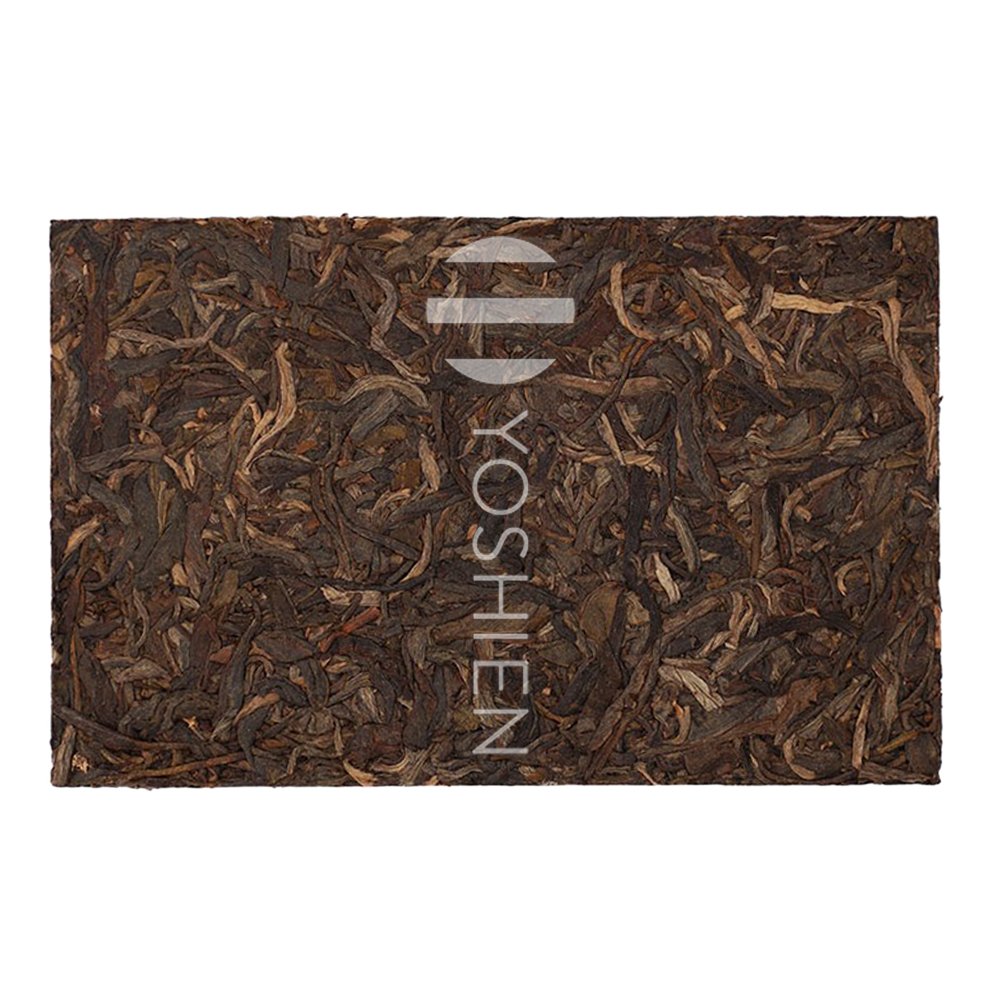
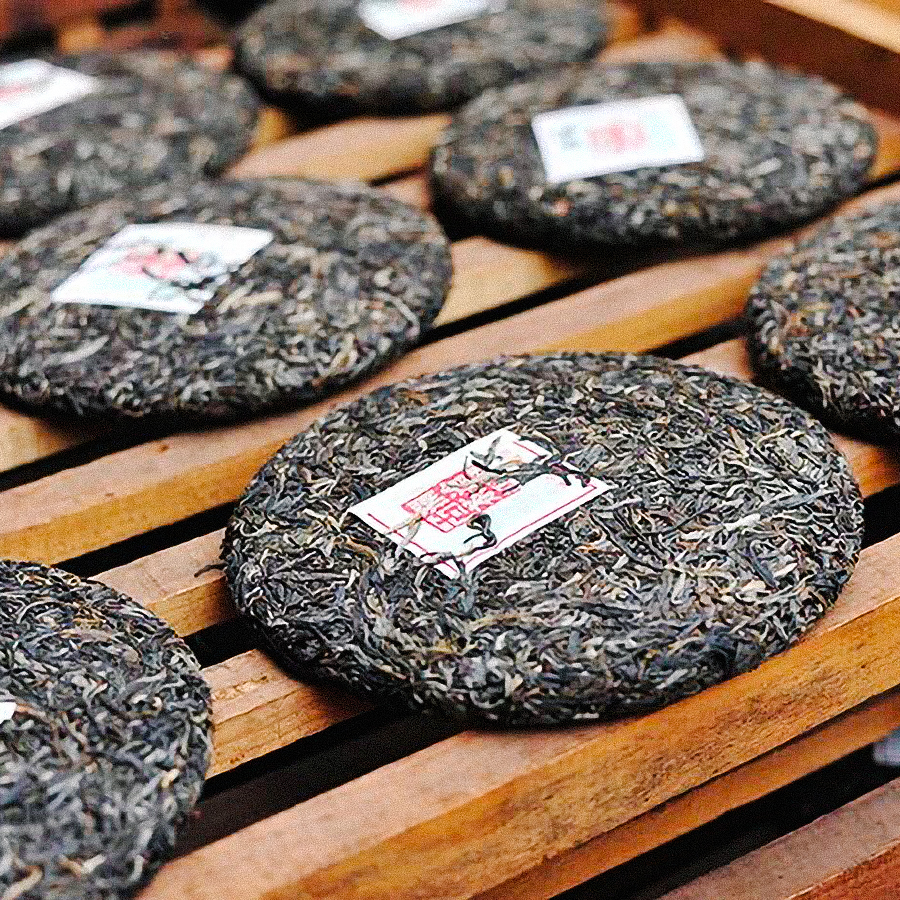
An exquisite Sheng Pu Erh, aged for several years, from the renowned Nannuo Shan tea mountain in Yunnan, China. The leaves are hand-picked, carefully roasted and finally pressed into traditional tea bricks through meticulous craftsmanship. It captivates with gently tart notes and is perfect for further ageing. Available as a whole 250g tea brick or a 40g portion.
  • Pu Erh tea speciality, carefully aged since 2014
  • From one of the most prestigeous mountains for Pu Erh tea, Nannuo Shan
  • Continues to improve in quality over the years through maturation
  • Long-lasting: short steeping times allow for 10+ infusions
  • Leaves from 100-200 year-old tea trees
  • Sustainably cultivated without the use of pesticides
Character Refreshing and invigorating, with notes of lemon balm, camphor, fine bitterness, leather, tobacco, a hint of Sichuan pepper and paprika
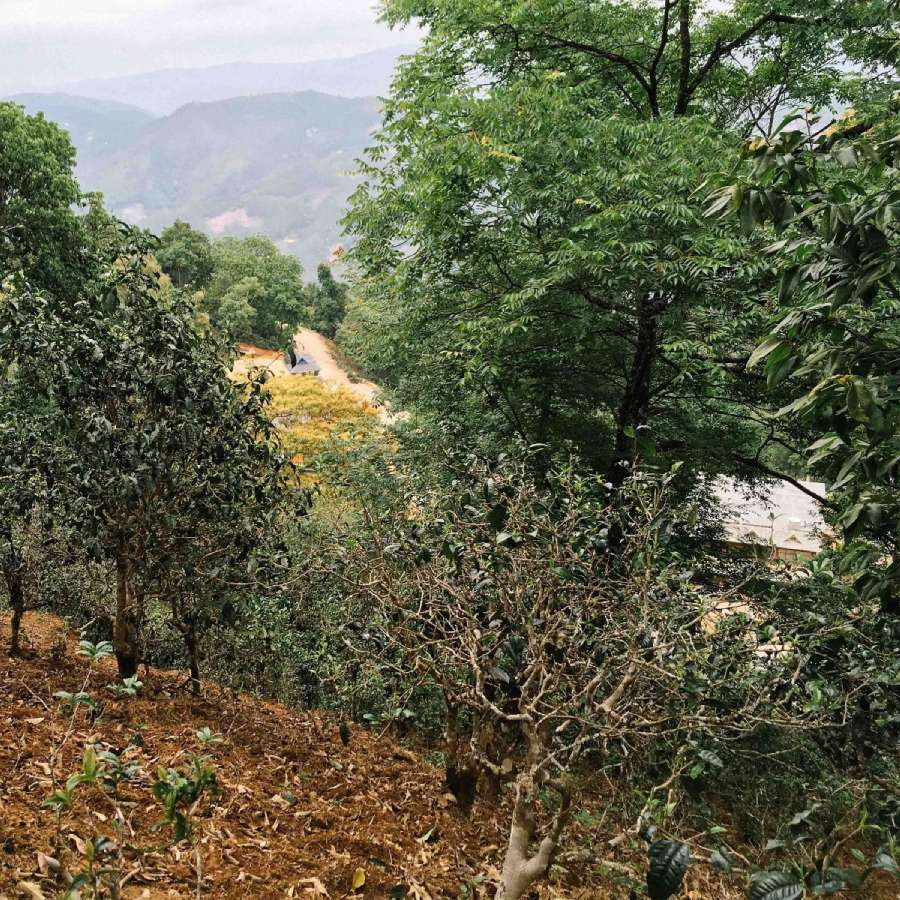
Tea Farm Nannuo Shan is one of the most historically significant tea mountains in all of Yunnan
Terroir Nannuo, Xishuangbanna, Yunnan Province, China
Harvest Spring harvest 2014, March to May, hand-harvested
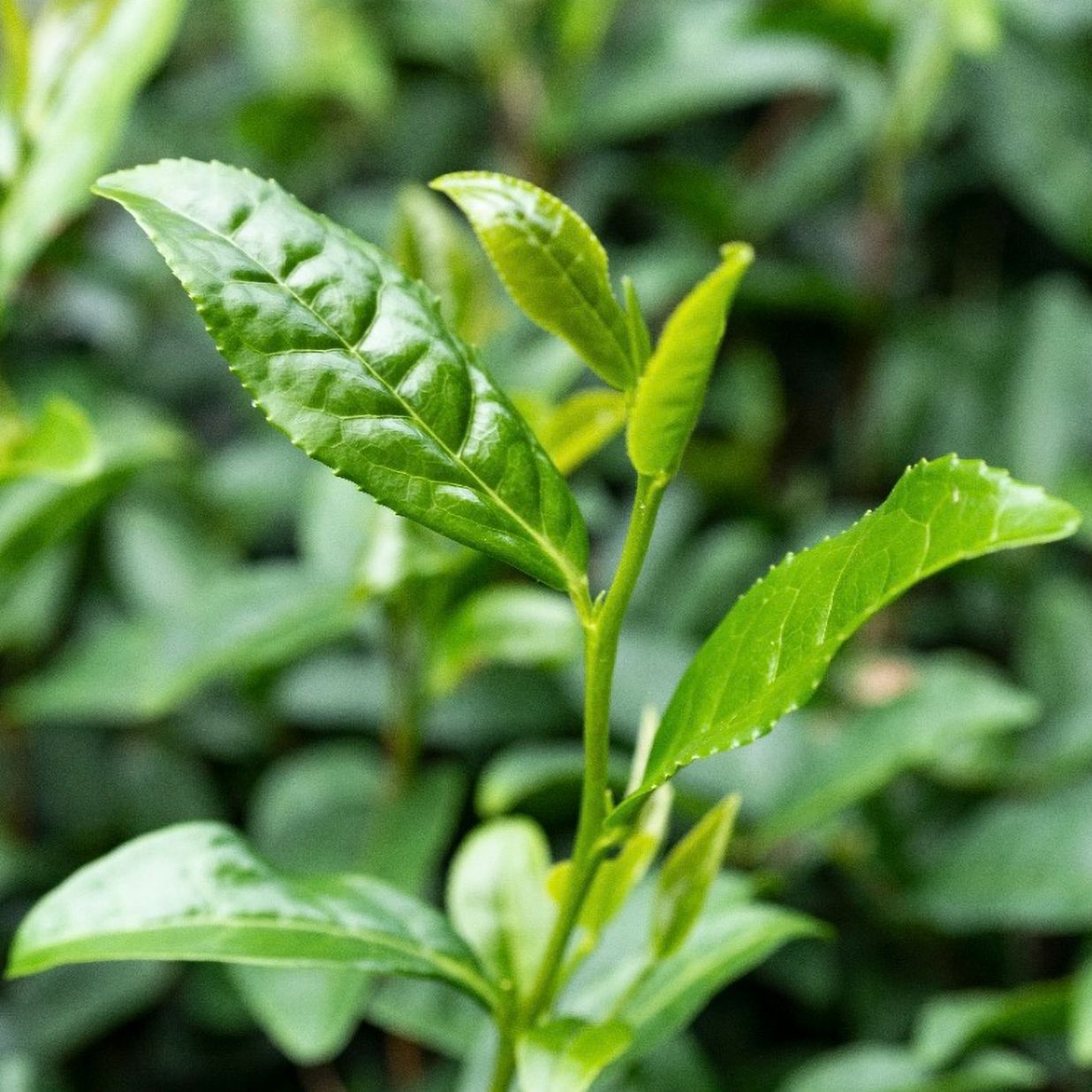
Cultivar Yunnan Da Ye Zhong, 100-200 year old tea trees
Elevation 1,300-1,800m above sea level
Fermentation Brief indoor withering phase, followed by halting oxidation by roasting the tea in a wok over a hand-stoked wood fire
Withering/Oxidation Process Indoor withering, oxidation stopped via wok roasting over a wood fire ("kill green"), sun-drying, leaf selection, steaming, pressing, air-drying
Cultivation Cultivated without the use of pesticides or synthetic fertilisers
Grade 93/100 p. (Pu Erh category); Premium
€22.90

Delivery : up to 5 business days

Incl. VAT, excl. shipping

SKU
4172-config
€572.50 / 1kg
Pu Erh Tea - Sheng Nannuo Shan 2014 Brick P.Free

Tea Farm

The tea farmers live in the Nannuo Shan region of Yunnan and belong to the Hani ethnic group. In all Pu Erh regions, the rights to harvest selected tea trees are passed down from generation to generation. The tea trees used to produce this tea have likewise been in the care of these farming families for several generations. Pu Erh tea trees in Yunnan are treated with great respect and therefore not sprayed with herbicides or pesticides.

Pu Erh Tea - Sheng Nannuo Shan 2014 Brick P.Free

Character

Tasting Notes

The mountain and the surrounding area of Nannuo Shan are world-renowned for producing tea of outstanding quality and enjoy an excellent reputation among connoisseurs of Chinese Pu Erh. The flavour profile of Nannuo Shan Pu Erh is generally described as fruity-bitter and flavoursome, with a refined bitterness. More specific tasting impressions may evoke hints of sweet paprika, Sichuan pepper and tobacco.

This tea is exceptionally well-suited for many further years of ageing, but is already a delight to drink. With extended maturation, its robust edge gradually softens, developing into a gentle yet still highly distinctive tea.

Leaf

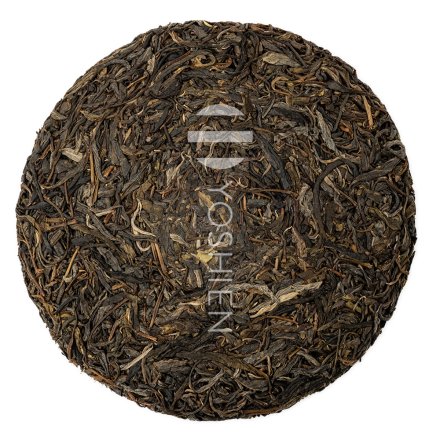
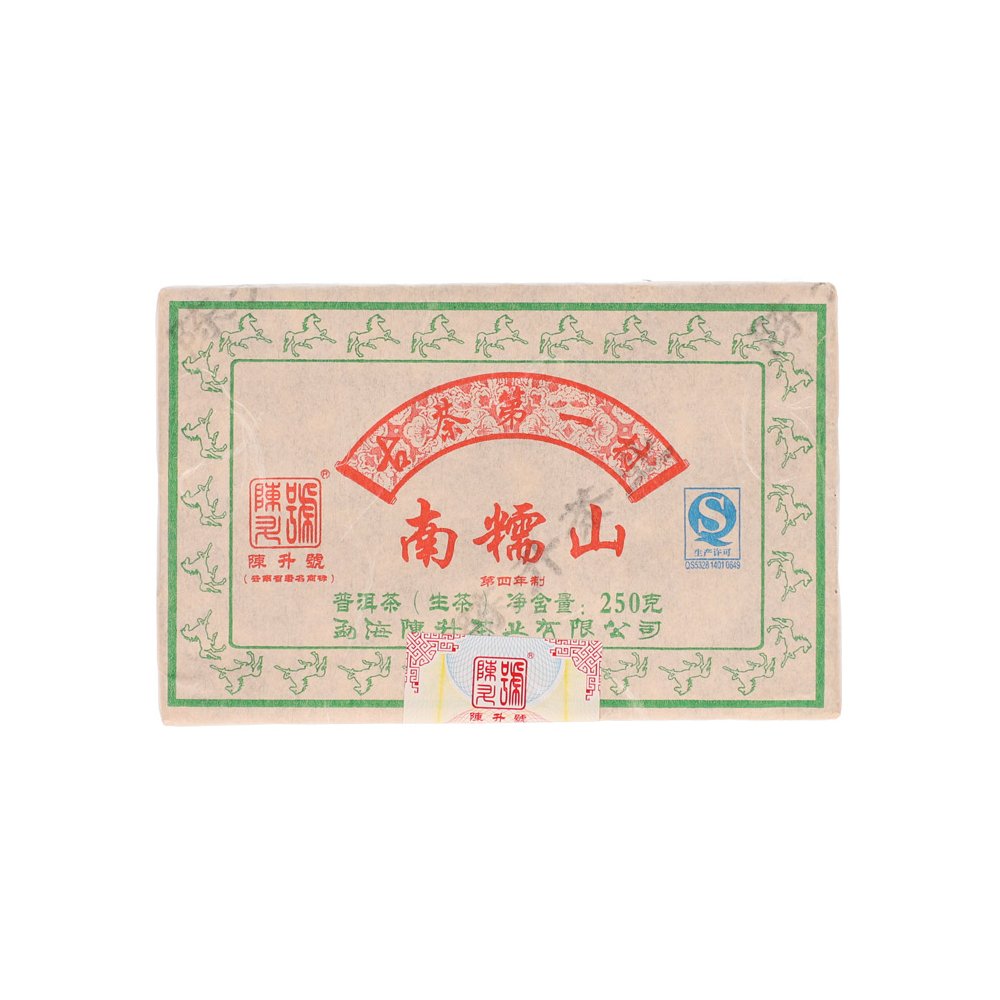
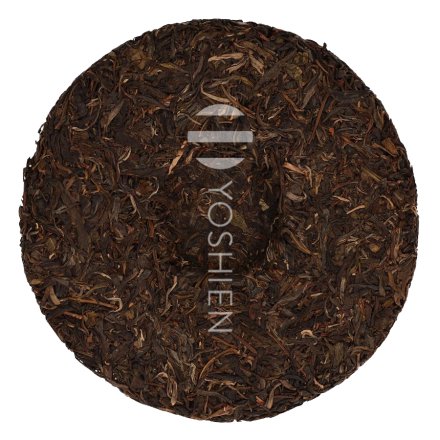
Towards the end of the production process, the leaves are briefly steamed once more and then traditionally compressed into various shapes (e.g. cakes, bricks, tuochas). In the past, this practice was largely for practical and logistical reasons, while today, it is understood that it also promotes a more even and consistent fermentation (ageing) of the tea.

Cup

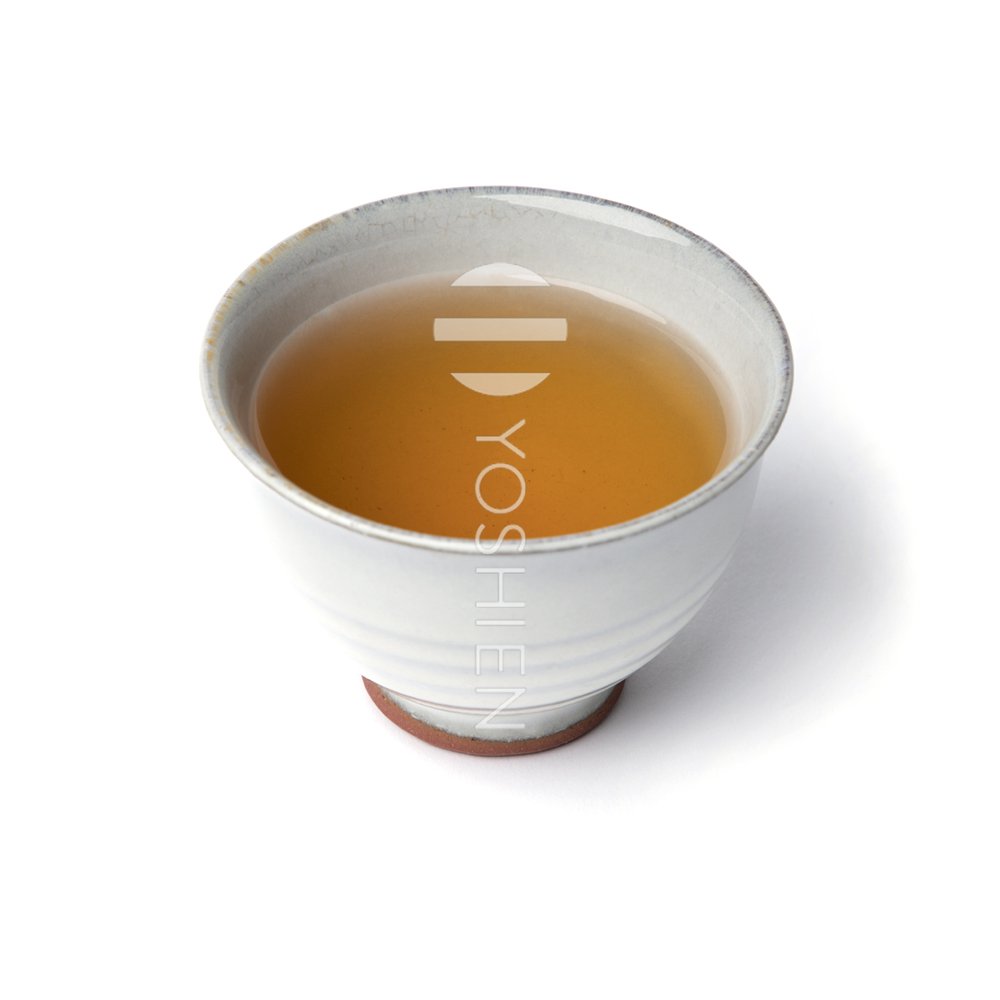
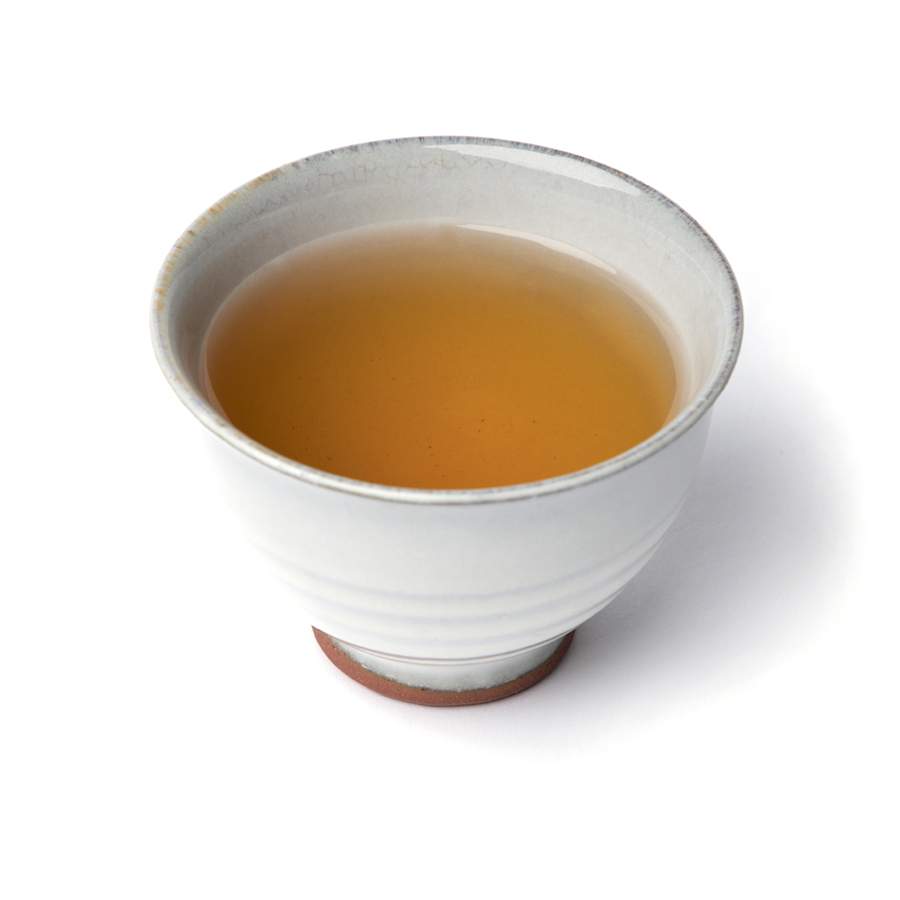
Golden yellow

Pu Erh Tea - Sheng Nannuo Shan 2014 Brick P.Free

Pu Erh Tea

Pu Erh tea is a so-called "post-fermented" tea that, similar to Chinese green tea, is first withered, roasted and then rolled. Traditionally, Pu Erh is only heated to a relatively low temperature and slowly, gently dried in the open air. Central to the production of Pu Erh is the period of fermentation after the leaves have been pressed into a cake form. Naturally occurring bacterial cultures present in the environment become enclosed between the leaves and, over the course of months or even decades, the tea's unique character gradually develops. This differs from the oxidation-based production of teas such as black tea and Oolong, in which the enzymes of the tea plant itself play the central role. In terms of fermentation or ageing, a distinction is made between naturally matured Sheng (“raw”) Pu Erhs, which are stored for many years and often decades, and Shou (or “ripe”) Pu Erhs, which undergo an accelerated ageing process through specific additional processing steps. Authentic Pu Erhs are produced exclusively from the leaves and buds of tea trees native to China’s Yunnan province, many of which grow wild. Particularly well-aged vintage Pu Erhs from specific growing areas or harvest years can command extraordinarily high prices and are not readily available even on the Chinese market.

Yoshien Labortests

Laboratory Tests

We go to great lengths to identify the finest organic tea farms across the world’s most celebrated terroirs. All our teas are sourced directly from the farmer and, with a few exceptions, are certified organic or come from pesticide-free farms. Each batch of tea for every harvest is tested for pesticides and other pollutants in an independent German lab to ensure they meet our strict quality standards as well as HACCP food safety requirements.

Yoshien

Yoshi En

Premium Organic Teas

Our comprehensive portfolio focuses on organic, single-origin teas sourced directly from renowned farms. We believe in creating partnerships with farmers who share our values and are committed to sustainable, responsible tea cultivation. Thanks to these strong relationships our exciting range is constantly growing and evolving. As an international team of dedicated and passionate tea experts, we are committed to preserving centuries-old tea culture while ensuring it remains relevant and continues to bring joy in the present. About Yoshi En.

Cultivation & Processing

The Nannuo Mountain Range is located, like most other renowned Pu Erh tea mountains, far to the south in the Chinese province of Yunnan near the border with Burma/Myanmar and Laos. The mountains reach elevations of 800-1,500m and have a mild climate with warmer winters and moderate summers.

Pu Erh tea from Nannuo Shan enjoys an outstanding reputation, due both to the ideal growing conditions for tea trees and to the region’s long-standing tea tradition. The production of Pu Erh tea here can be traced back to the Tang Dynasty (618–907 AD).

The region is populated by the Hani cultural minority, who share a spiritual connection with the old Pu Erh trees. As a result of the growing demand for Nan Nuo Shan Pu Erh, these trees are both the basis of cultural traditions as well as a means of livelihood and financial security. With due respect to the central role that these trees play in their lives, the Hani people carefully attend to the tea trees.

Storage

This tea was produced in 2014 and stored for maturation in Guang Zhou, China until 2018. Since 2018 the tea has continued to age under controlled conditions in the Yoshi en Pu Erh storage facility.

Centuries-Old Pu Erh Trees

The tea plants used for Pu Erh are indigenous, large-leaf varieties that are traditionally cultivated in a semi-wild manner. Unlike the conventional tea plants most widely grown around the world, the Pu Erh cultivar does not develop as a low shrub but grows into a tree, capable of living for several thousand years. Scientific study suggests that this cultivar is the common ancestor of all other types of tea. It is native to the four-border region of China, Vietnam, Laos and Myanmar, with the Chinese part located in Yunnan province. As the earliest attempts at cultivating tea are most closely associated with Yunnan’s history, the people of Yunnan fondly refer to their homeland as the “cradle of all tea”. In Yunnan’s tea forests, no two tea trees are alike. Each develops its own individual growth pattern and is covered with distinct mosses and fungal cultures, meaning that every tree produces its "own" unique tea. The older the tree, the deeper its roots extend into the earth and into deep layers of rock and stone, allowing it to absorb minerals and trace elements that are then passed on to the leaves and buds. For this reason, teas from these wild-growing ancient tea trees are considered especially precious and are highly sought after.

100% pure

Preparation

Brewing Guide

For the extraction of Pu Erh tea we recommend using a Pu Erh needle. Simply look for a looser spot on the outer edge of the cake and gently pry off a small piece.

Use one 5g portion of the cake (approx. 2 heaped teaspoons) per 200–300ml water, 100°C, steep for 1–2 minutes.

A first short infusion (5 seconds) is used to open the leaves for the subsequent infusions and is not consumed.

Classic Pu Erh preparation / Gong Fu:

For this method, a Gaiwan or small teapot (up to 150ml) is used. The amount of tea can be slightly higher (7g). At a temperature of 100°C and initially short steeping times of 15–30 seconds – gradually extended with each subsequent infusion – more than 10 infusions are possible. With this preparation method as well, we recommend first awakening the leaves with a brief rinse.

Packaging

250g: Traditionally packaged in fine rice paper. Includes a certificate of authenticity and quality (Nei Fei, 内飞).

40g: Packaged in a high quality, airtight, resealable standing zipper pouch with 9 protective layers to preserve flavour and protect against oxidation and contamination.

Recommended Teapot

Traditionally, smaller clay teapots are used for preparing Pu Erh tea. In more recent times, however, classic Gaiwans have also become a popular choice.

Recommended Storage

We recommend Chinese tea caddies made of porcelain or clay for an especially stylish storage option. Alternatively, a more affordable, internally-coated airtight tea caddy is also suitable. To further age the tea, store at room temperature with a controlled humidity of 50-70%.

Our recommendations

Loading...
The image could not be loaded.