

Sencha Yame Organic

Premium 90 P.

SKU
7318-bio
Fresh organic Sencha from the renowned green tea mecca of Yame. Cultivated in Yame's mountainous terroir with optimal growing condititions for strong, healthy plants. Grown by one of the few organic farmers in Yame. Mild summer harvest. A premium, yet beginner-friendly Sencha. 200g
  • From the Yame mountains, optimal growing conditions for strong, healthy plants
  • Sourced from one of the few organic farmers in Yame
  • 3rd generation family farm
  • Multiple awards (MAFF Award)
  • Excellent value with 100% first harvest tea leaves


Character Clear and smooth, with a gentle Bancha-like sweetness and a subtle, refined bitterness
Tea Farm  Renowned third-generation tea farmer
Terroir Yabe, Yame, Fukuoka Prefecture, Japan
Harvest 2nd harvest (Nibancha), late June 2025
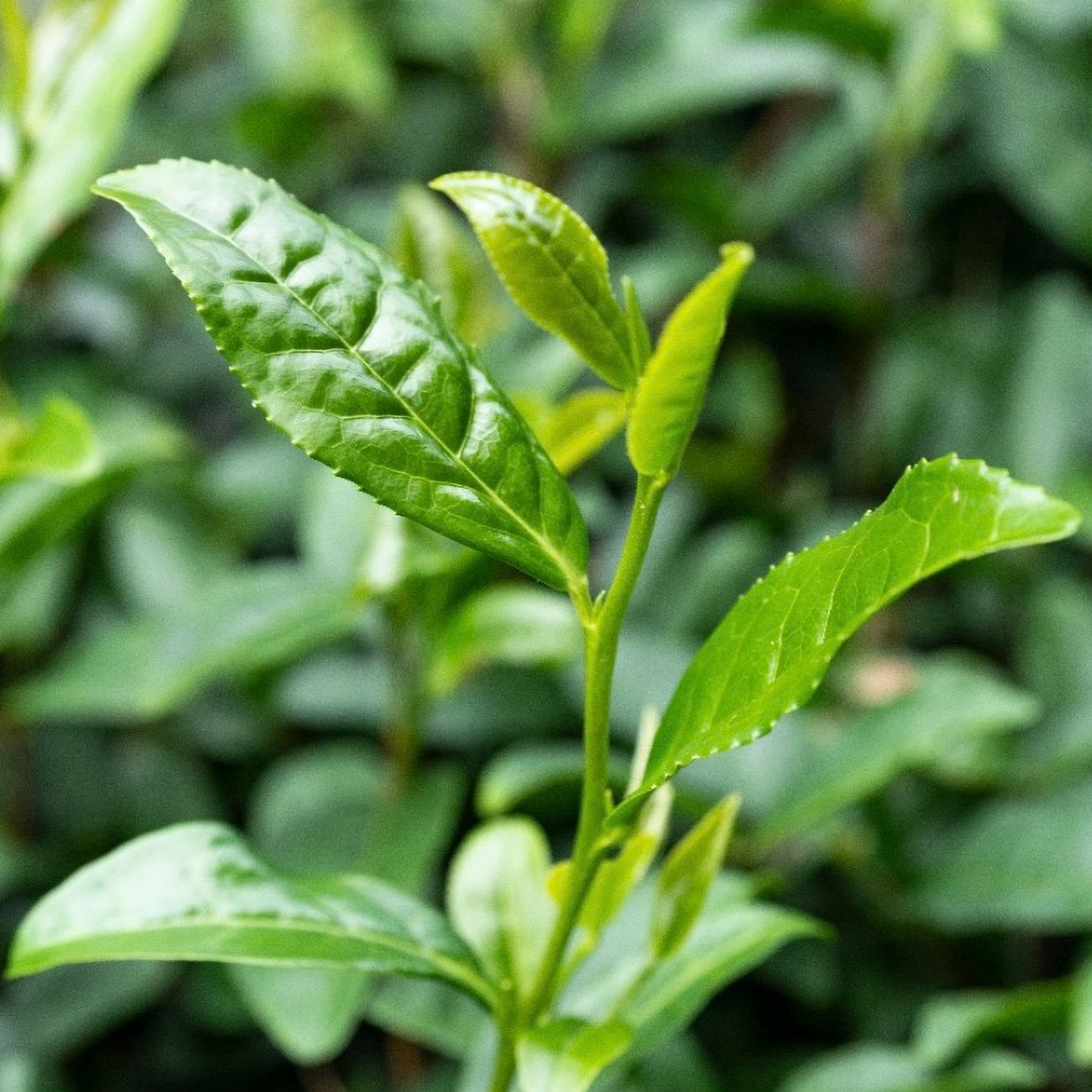
Cultivar Yabukita, Okumidori
Elevation 600m above sea level
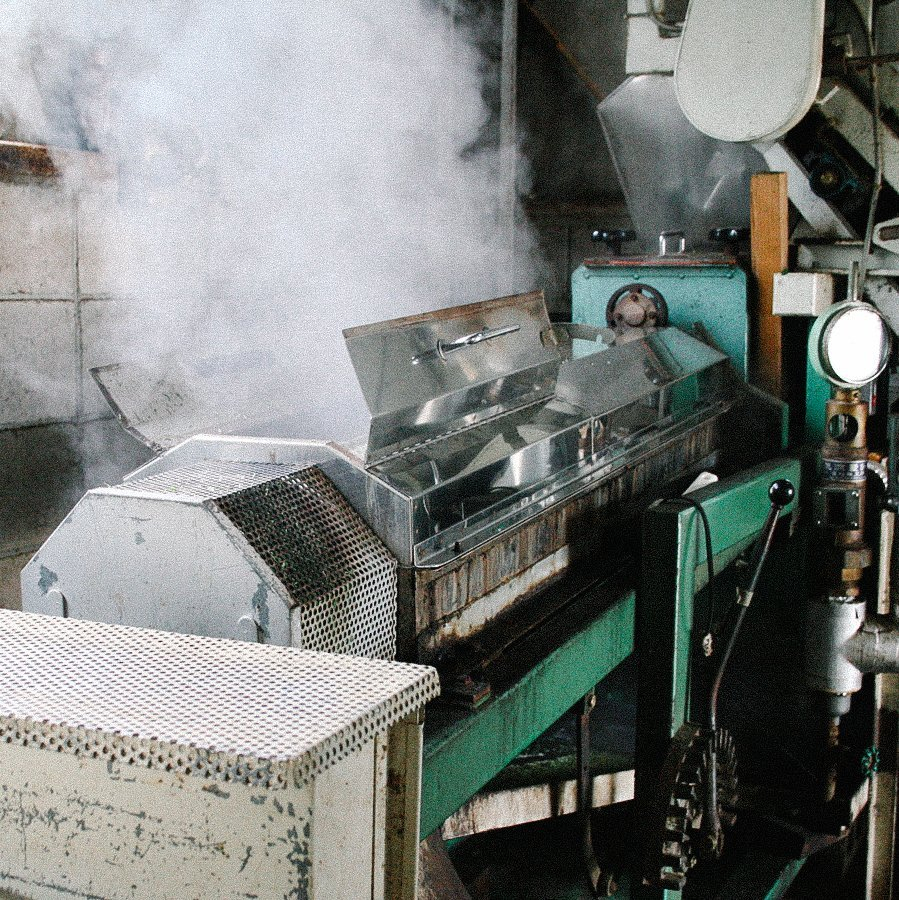
Steaming Medium (Chumushi, 50 seconds)
Shading None
Cultivation Certified organic cultivation
Laboratory Tests Radioactivity (annual test of region) and pesticides
Awards MAFF Award for the tea farmer
Grade 90/100 p. (Sencha category); Premium


€16.90
200g

Delivery : up to 5 business days

Incl. VAT, excl. shipping

SKU
7318-bio
€84.50 / 1kg
In stock
Sencha Yame Organic Sencha Yame Organic Sencha Yame Organic Sencha Yame Organic Sencha Yame Organic

Tea Farm

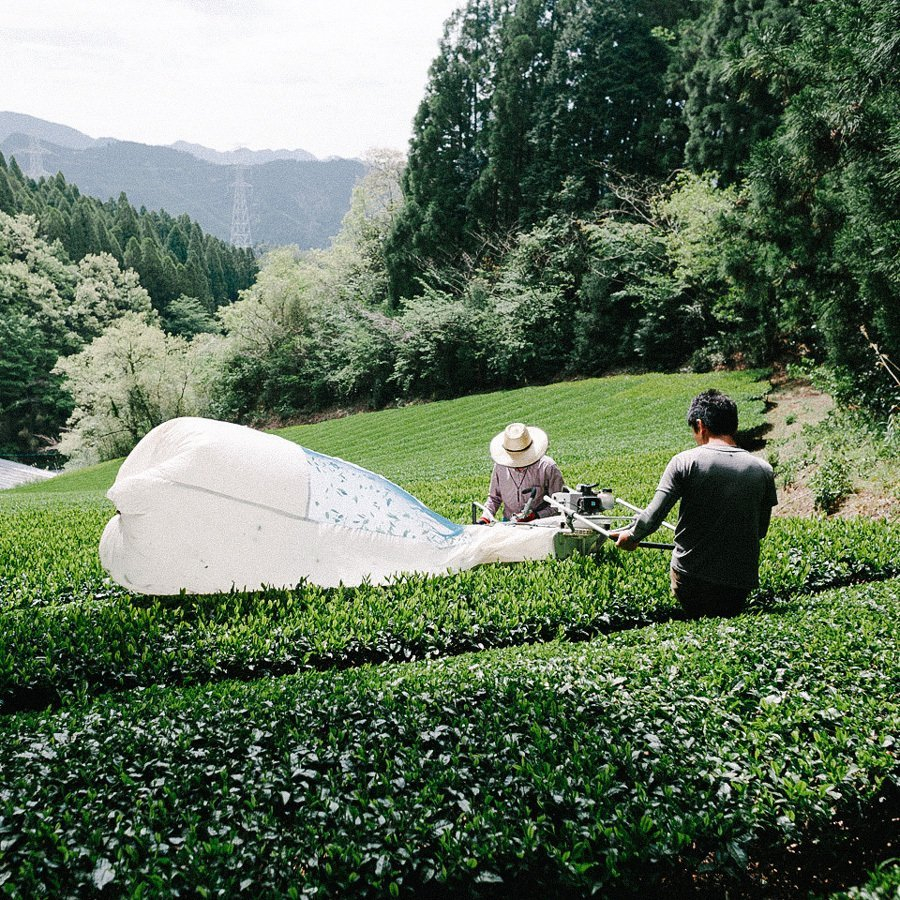
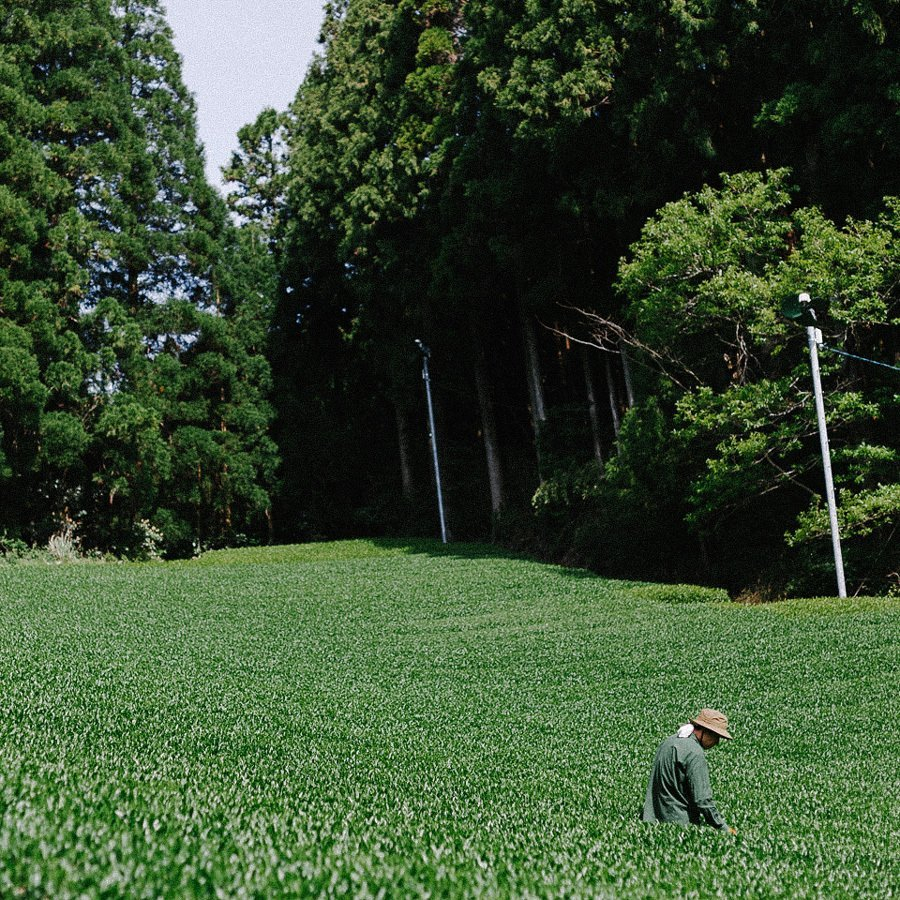
In the snow-covered mountains surrounding the legendary tea village of Yabe, located in the green tea haven of Yame, our farmer has been cultivating the fields of his grandfather’s tea farm for over 30 years. For the past 13 years, he has completely avoided the use of pesticides or chemical treatments. 

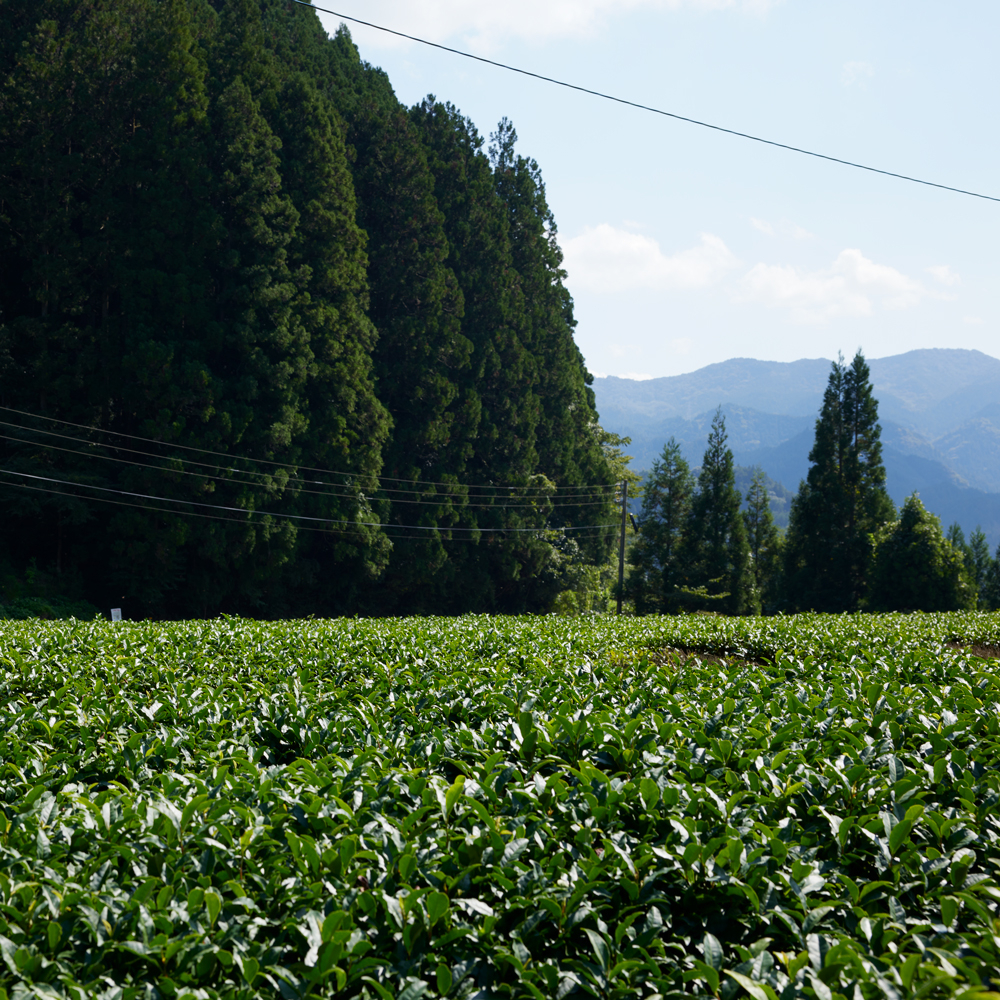
These cultivation methods are made possible by the farm’s unique climate, sitting over 500 meters above sea level. The high elevation naturally limits the presence of insects and pests, while the dynamic climate (with snow, sunshine, and mist) endows the tea plants with exceptional resilience that is reflected in the unique flavour profile of the tea. The farmer has earned multiple prestigious MAFF Awards, along with numerous other accolades, solidifying his reputation as one of the best organic tea farmers in all of Yame. The farm takes particular pride in the recognition not only of their Sencha and Gyokuro, but also their rare Wakoucha, a Japanese black tea that ranks among the best in the country.

Sencha Yame Organic

Character

Tasting Notes

Nourished by the warm summer sun of southern Japan and the fresh mountain air of Yame, this Sencha achieves a perfect balance between vegetal, refined bitterness and pure, gentle freshness. It features the characteristic umami typical of Yame green teas, reminiscent of deep-green, chlorophyll-rich vegetables, complemented by an extremely subtle roasted note. This is an ideal tea for discovering and familiarising oneself with the distinctive Yame character.

As a second-harvest Sencha (Nibancha), the tea develops a Bancha-like sweetness, lending this summer tea a pleasantly light and refreshing drinking experience. The mouthfeel is notably soft and clear, allowing even larger quantities to be enjoyed without any trace of harsh astringency. An honest, straightforward tea from certified organic cultivation which, despite its very approachable price, meets every expectation of a high-quality entry-level Sencha.

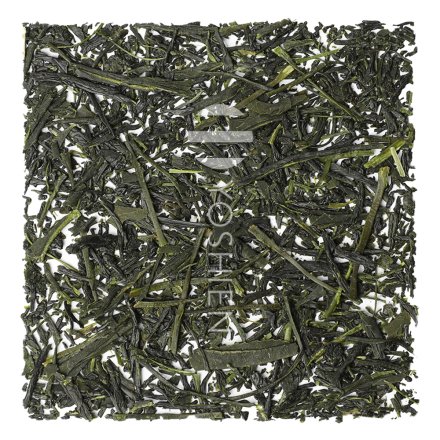
Leaf

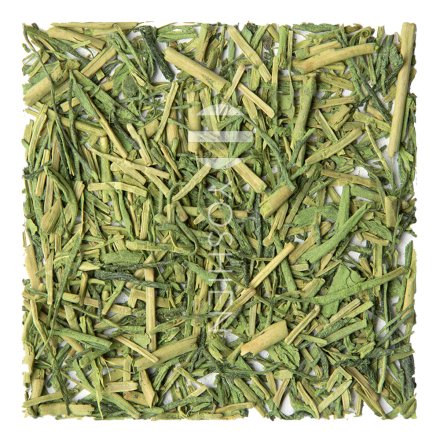
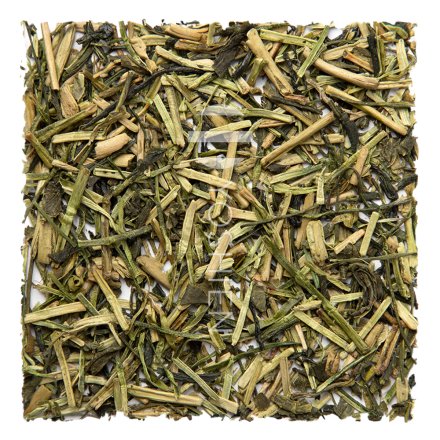
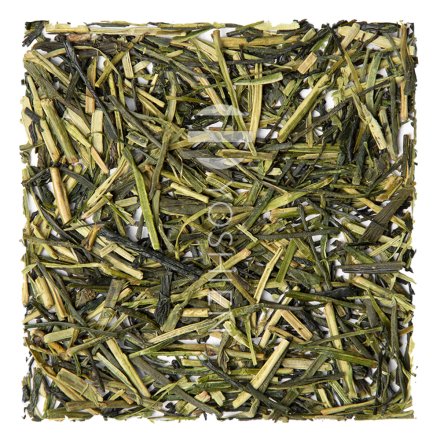
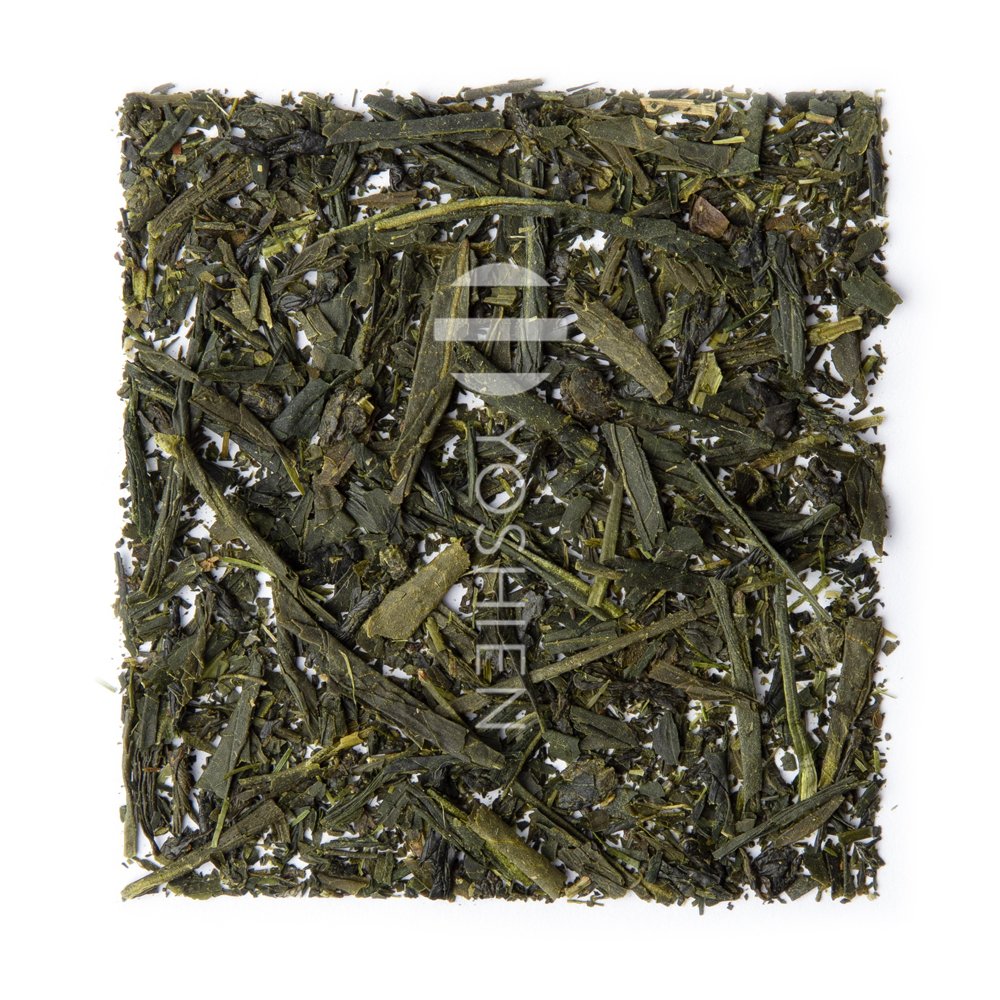
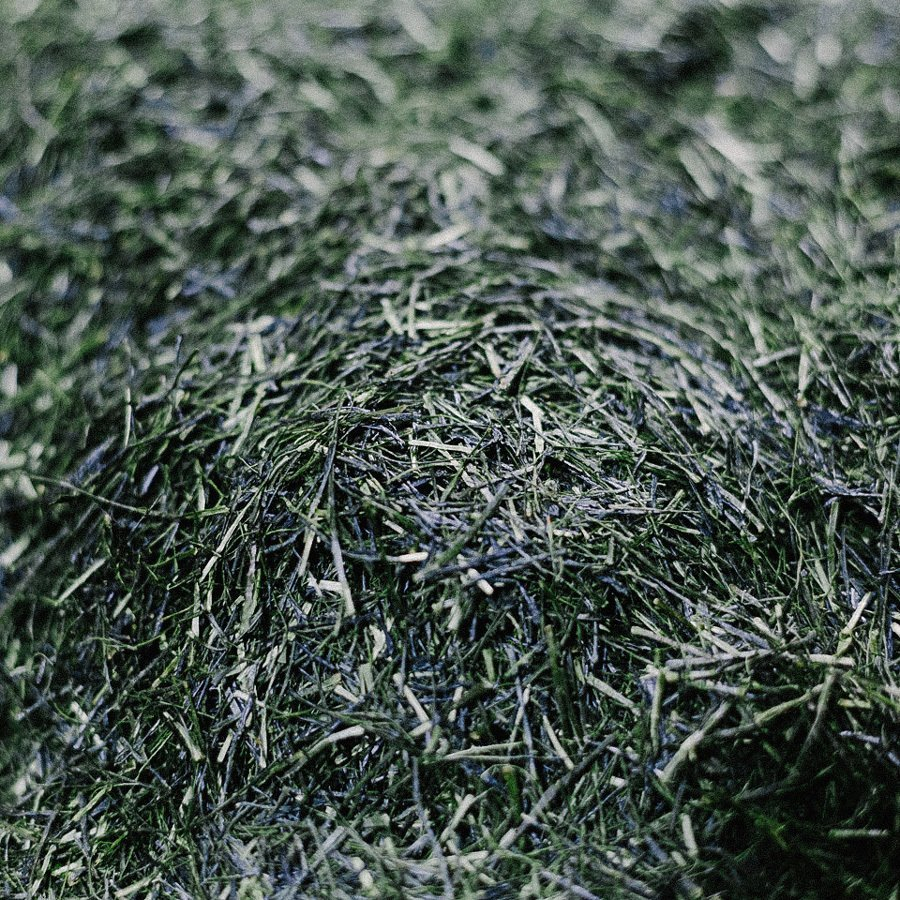
Olive green leaves in varying sizes

Cup

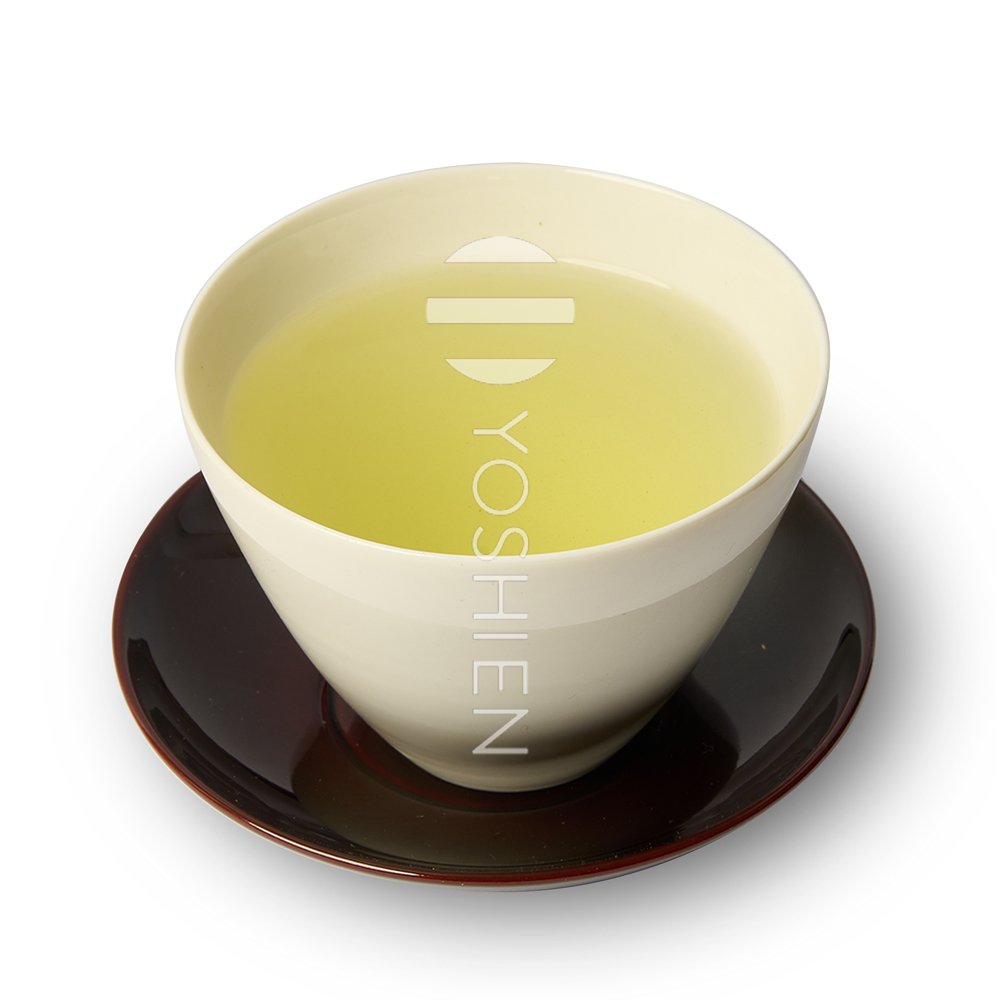
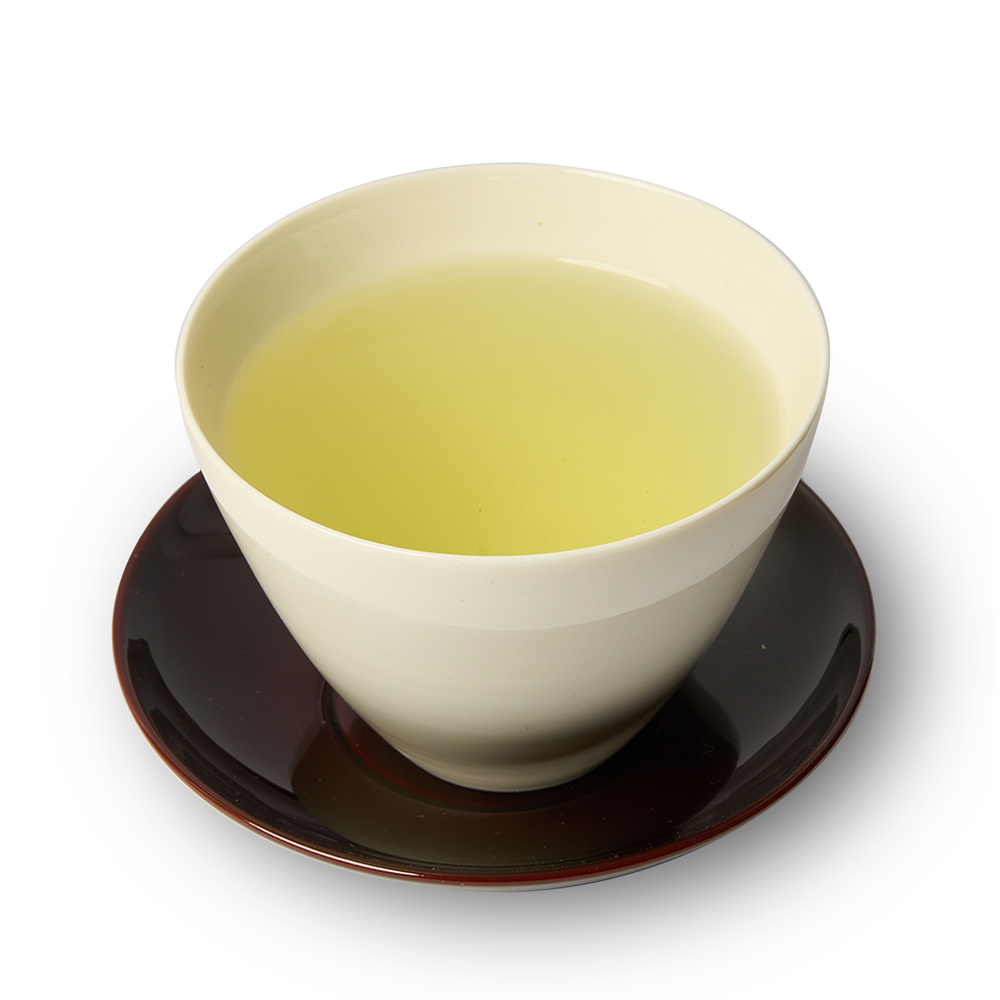
Crisp meadow green

Sencha Yame Organic Sencha Yame Organic

SENCHA

Sencha is by far the most widely cultivated and consumed green tea in Japan and, in a sense, is the cornerstone of Japanese tea tradition. The leaves are traditionally steamed for 10 - 60 seconds after being harvested, then dried with hot air, shaken out and rolled into small, flat needles in several rounds. The flavour profile of sencha is very versatile, ranging from sweet, fresh and grassy to strong, tart and slightly bitter, with the cultivation region and quality playing a decisive role.

Yoshien Labortests

Laboratory Tests

We go to great lengths to identify the finest organic tea farms across the world’s most celebrated terroirs. All our teas are sourced directly from the farmer and, with a few exceptions, are certified organic or come from pesticide-free farms. Each batch of tea for every harvest is tested for pesticides and other pollutants in an independent German lab to ensure they meet our strict quality standards as well as HACCP food safety requirements. Likewise, the regions of Japan from which we source our teas are tested for radioactivity for every harvest.
Yoshien

Yoshi En

Premium Organic Teas

Our comprehensive portfolio focuses on organic, single-origin teas sourced directly from renowned farms. We believe in creating partnerships with farmers who share our values and are committed to sustainable, responsible tea cultivation. Thanks to these strong relationships our exciting range is constantly growing and evolving. As an international team of dedicated and passionate tea experts, we are committed to preserving centuries-old tea culture while ensuring it remains relevant and continues to bring joy in the present. About Yoshi En.

Cultivation & Processing

Yamecha (八女茶)

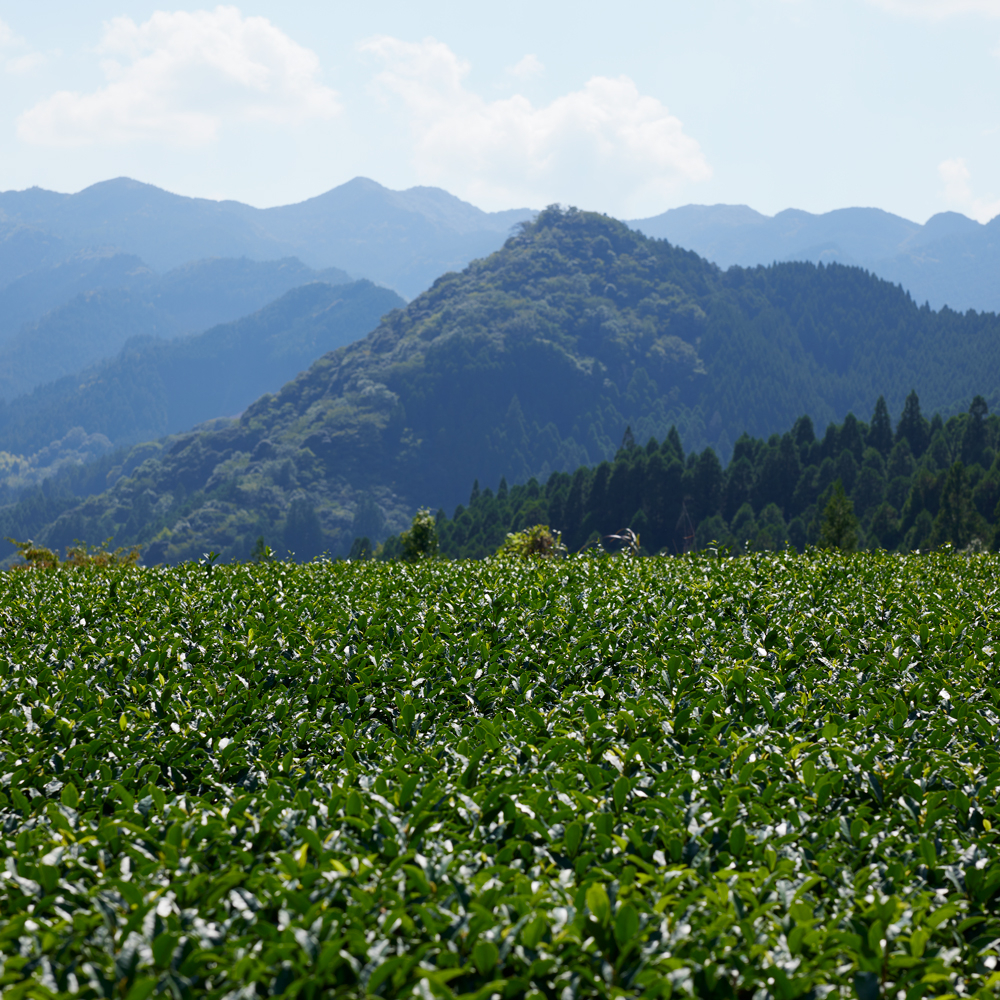
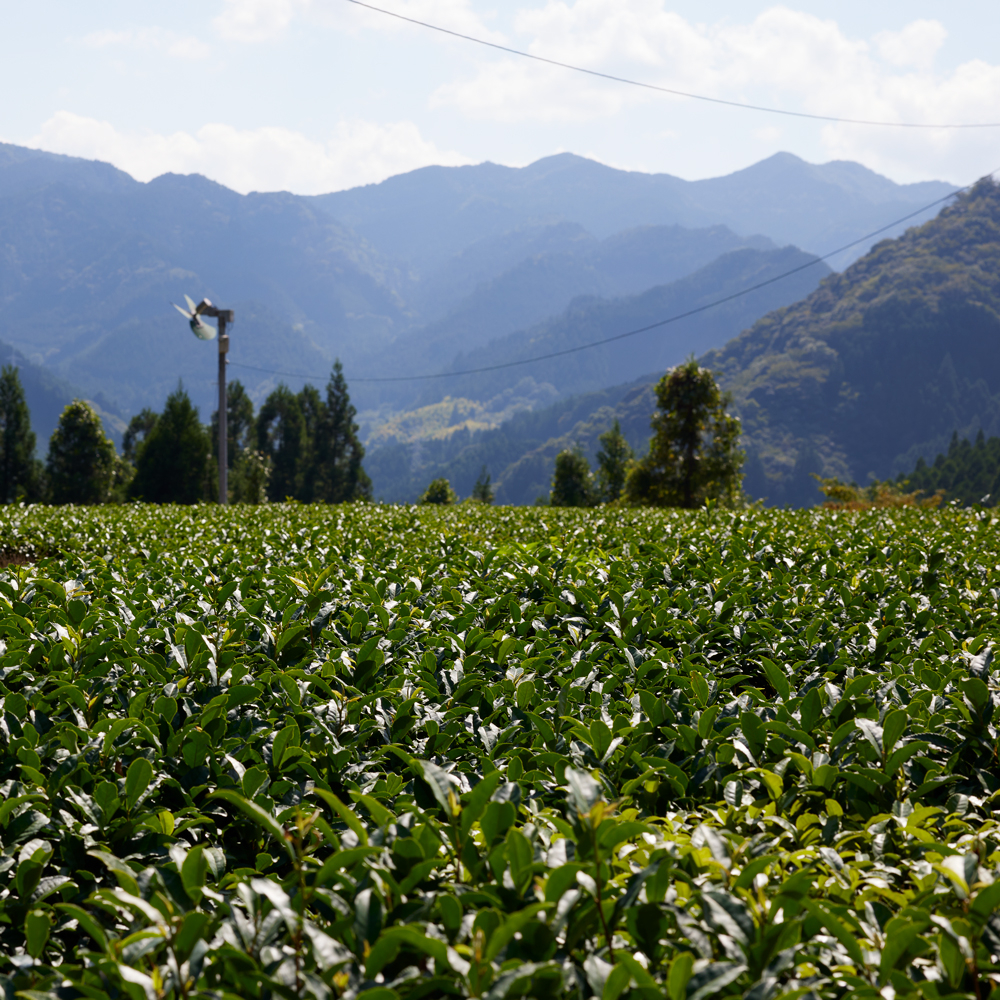
The city of Yame is located within Fukuoka prefecture on Japan's southernmost main island of Kyushu and is home to the renowned Yamecha (八女茶; tea from Yame). Here, the entire region from the Tsukushi Plain to the basins of the Yabe and the Chikugo rivers are often shrouded in a dense fog, especially in the morning. This provides natural protection from sunlight, which in turn stimulates the tea plants, enabling them to develop high levels of umami-rich amino acids. Teas from Yame are hence often referred to as "natural Gyokuros" and can become particularly intense in flavour. The rivers not only provide the region with pure mountain spring water, but also bring cool, humid air to the terroir. With hot days, cool nights and even snow in winter, the fluctuating temperatures of the region contribute to this humidity. The area around Yame also experiences heavy rainfall with up to 2400mm falling annually. This, combined with the loose, sediment-rich soils and the sloping mountain terroir, ensures that the tea plantations are constantly irrigated. The climate and the rich soil make the tea plants particularly hardy and ultimately contribute to the unmistakable, full-bodied flavour of Yamecha.

The origin of Yamecha dates back to 1423 and the work of the Zen master Shuzui, who brought Ming-style tea cultivation and processing methods to Japan from China, in which the tea would be roasted in a pot. However, it was not until the Edo period in the mid-19th century that the Uji method of tea production, which involves steaming and shading, gradually began to gain popularity; this resulted in the production of the very first Senchas, which at the time were rare and considered a luxury product. The gradual modernisation of tea production followed, and a tea industry slowly developed around Fukuoka. The teas from this region were formally grouped together under the name Yamecha in 1925 to highlight their distinctive qualities. Today, Yame is considered one of the leading tea regions in all of Japan, and consistently receives the most prestigious awards in the country's tea contests. Yamecha has won the prestigious MAFF Award for Gyokuro from the Japanese Ministry of Agriculture, Forestry and Fisheries consistently from 2001 to 2012, and has also regularly received the same award in the Sencha category.

SINGLE ORIGIN

This tea is sourced exclusively from the above-mentioned tea fields in Yame and is purchased directly from the farmer.

Organic Certification

Organic Certification

PL-EKO-01
Nicht-EU-Landwirtschaft

100% pure
wildcrafted

Preparation

Brewing Guide

2 heaped tsp per 100-300ml (60°C) water. Steep for 2 minutes. Suitable for several infusions.

PACKAGING

Packaged in a high-quality, airtight, resealable standing zipper pouch with 9 protective layers to preserve flavour and protect against oxidation and contamination.

RECOMMENDED TEAPOT

In order to best bring out the flavours of Sencha, the ideal teapot is a red Tokoname Kyusu with a fine ceramic filter. Alternatively, a black Tokoname Kyusu serves as an excellent all-rounder, perfect for all types of green tea.

RECOMMENDED STORAGE

Ideal is a high quality tea caddy made of cherry bark (Kabazaiku Chazutsu). Alternatively, a more affordable airtight, internally coated tea caddy is also an excellent option.

Test results

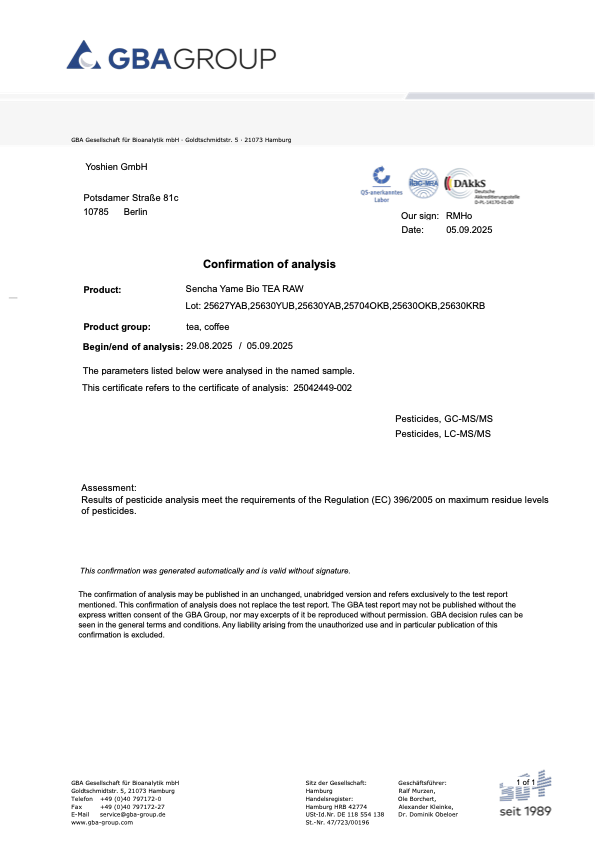
We find it very important that our teas are pure and produced in a way that respects the environment. For this reason, each one of our teas is tested for pesticide residues by an independent laboratory, the results of which can be found here. Some of our teas are also tested for specific nutritional compounds, in which case the test results are also published here.
Test results

Our recommendations

Loading...
The image could not be loaded.