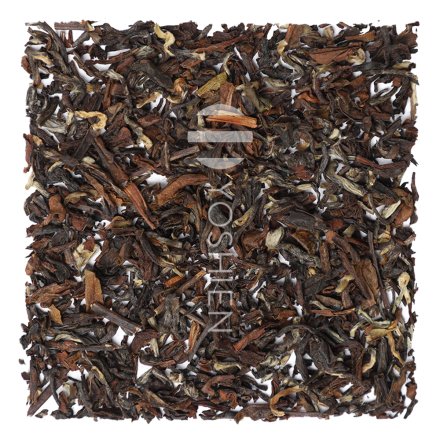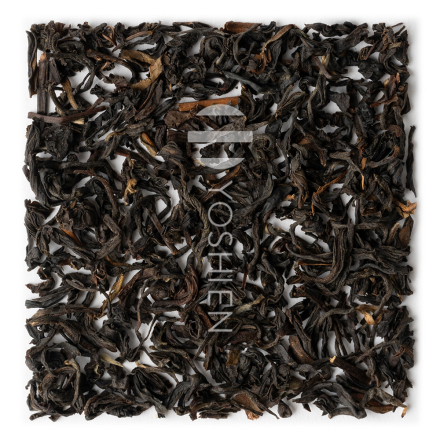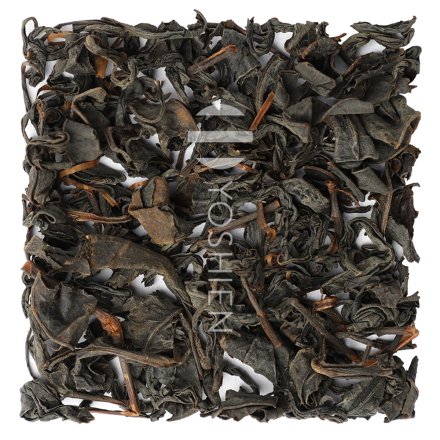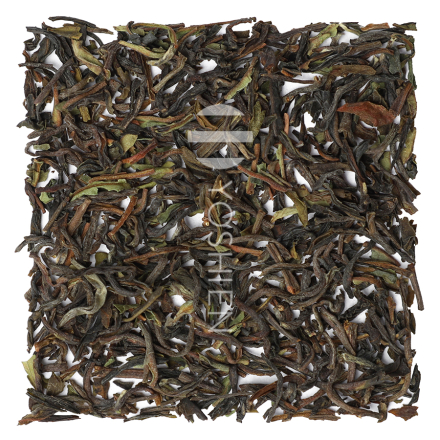


Nurbong
Darjeeling Organic
Second Flush

Premium 91 P.

SKU
0359-bio
An ideal entry-level Second Flush Darjeeling with a classic malty-sweet flavour profile and a subtle smoky note. Harmoniously balanced and perfect for lovers of full-bodied black teas. Sourced directly from the historic organic Nurbong Estate, located at an altitude of over 1,200 metres in the southern foothills of the Himalayas. 100g
Character Malty, sweet, slightly smoky, sourdough notes
Tea Farm Nurbong Estate
Terroir Sittong Valley, Darjeeling, India
Harvest Second flush, June 2025, hand-picked
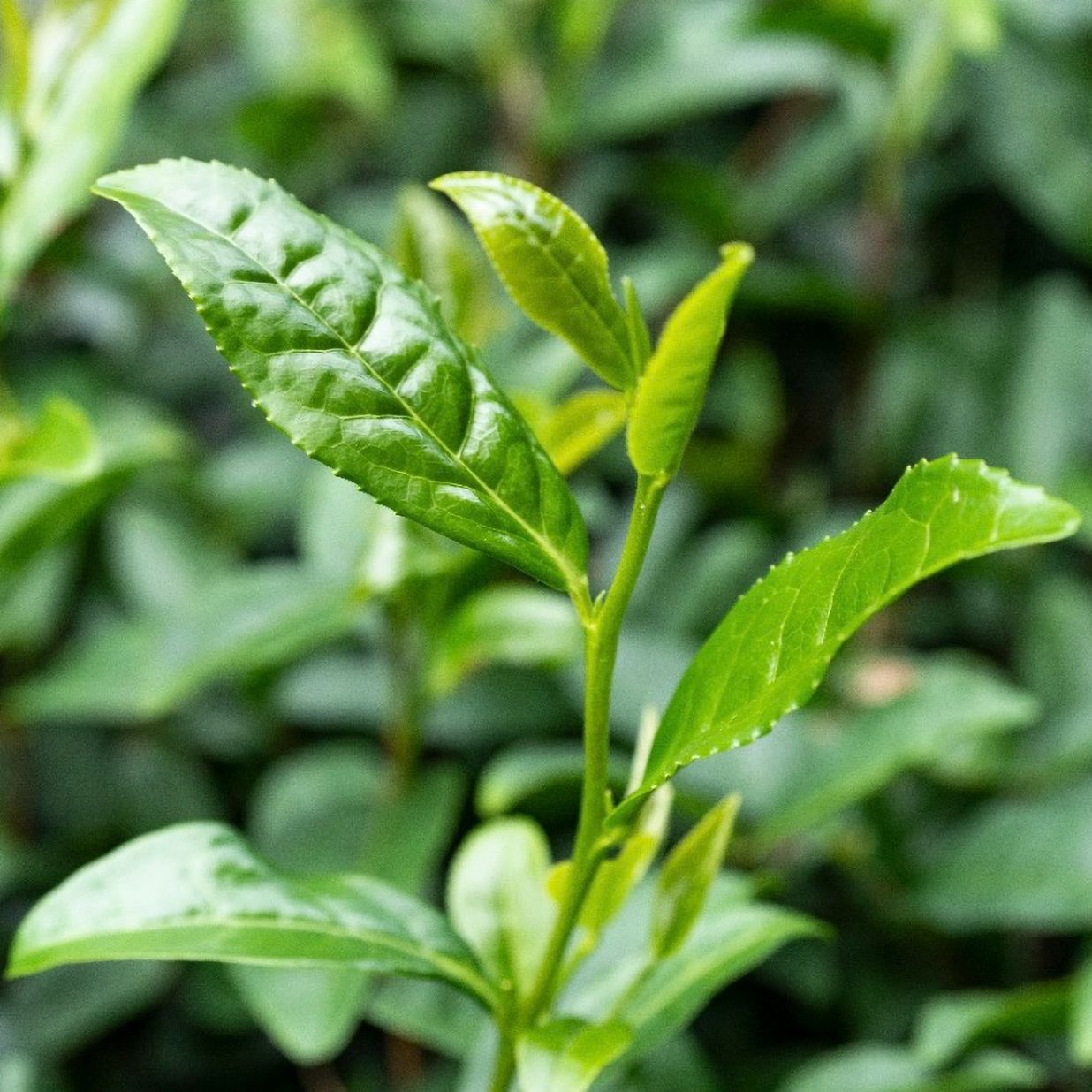
Selection A bud and two leaves
Cultivar Camellia Sinensis (China)
Elevation 1,200m above sea level
Oxidation Moderate oxidation
Method Orthodox
Processing Hand-picked in the morning, followed by a natural withering process and rolling of the tea leaves; light, carefully controlled, medium-strength oxidation to develop the aroma, followed by gentle drying
Cultivation Organic certified cultivation
Laboratory Tests Pesticides
Grade 91/100 P. (2nd Flush category); Premium
€10.90
100g

Delivery : up to 5 business days

Incl. VAT, excl. shipping

SKU
0359-bio
€109.00 / 1kg
In stock
Nurbong Second Flush

Tea Farm

Nurbong Tea Estate

The Nurbong Tea Estate is one of Darjeeling’s historic tea gardens and is located in the Kurseong region on the southern foothills of the Himalayas. Founded around 1870, the estate has a long history of orthodox tea cultivation and is therefore considered one of the classic estates of the region. It remains family-owned to this day.

The tea fields are naturally situated between two large mountain forests, the Sukna and Mohanadi forests, and extend across mid to higher elevations (1,200 metres and above). They benefit from mineral-rich soils, a cool, mist-laden mountain climate, and a reliable water supply from natural mountain springs such as the nearby Panchai River. The organically-certified estate is known for its meticulous garden management and traditional orthodox processing.

Nurbong Second Flush

Character

Tasting Notes

Second flush Darjeelings are generally less floral and less "fresh" in character than the first flush teas harvested in March and April. Instead, they are distinguished by a more pronounced malty profile, greater body and fullness, and a more noticeable astringency.

This particular Second Flush is an ideal introduction to the style. Alongside the characteristic malty base, it reveals a delicate, aromatic smokiness as well as hints of fresh sourdough. On the palate, the tea is well-balanced, with a subtle bitterness and a restrained sweetness.

Recommended for lovers of classic second flush Darjeelings, for those new to this style, and for anyone who generally prefers robust black teas.

Cup

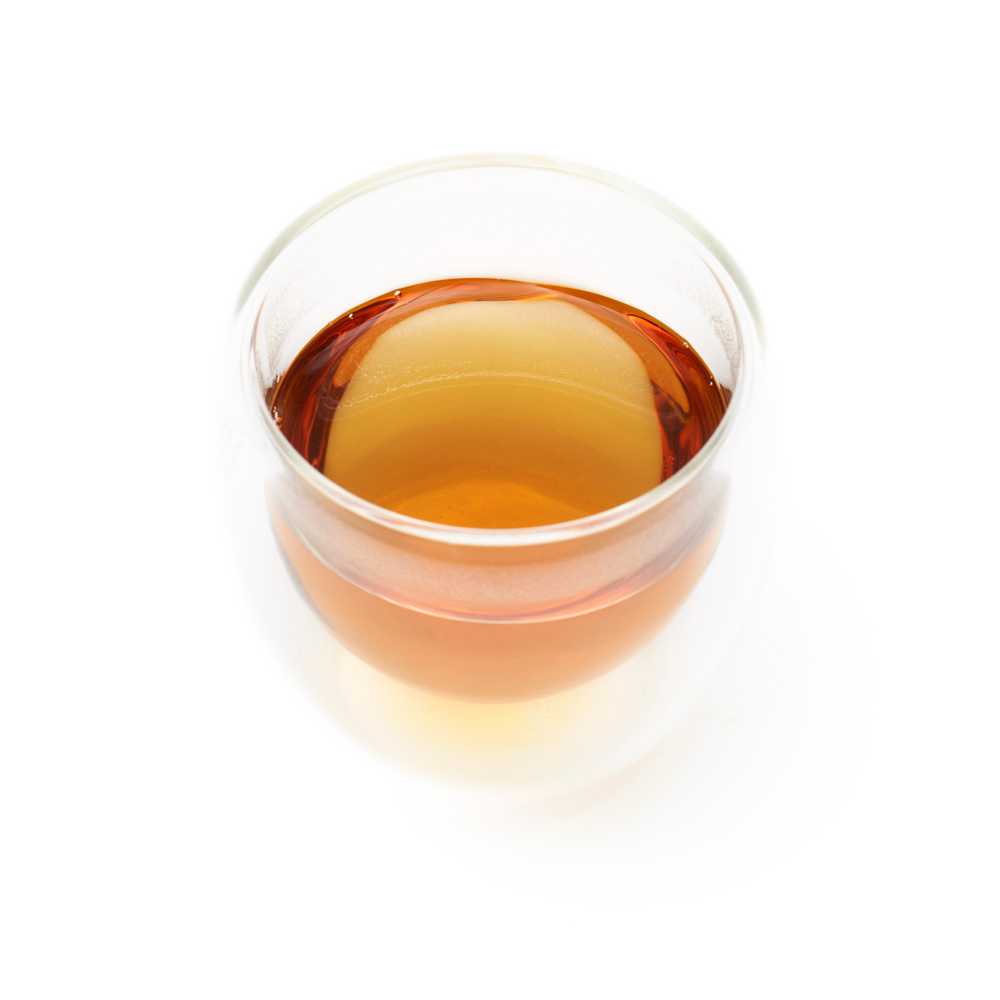
Dark orange

Nurbong Second Flush

Black Tea

Black tea is the most oxidised form of tea. In contrast to green tea, oxidation is not halted after harvesting and withering by applying heat. Instead, it is intensified through vigorous rolling, which breaks down the leaf cell walls and releases the enzymes essential to the oxidation process. As a result, the leaves transform from green to deep black, developing a particularly full-bodied character and a complex aromatic profile. In the cup, black tea often displays a vibrant orange to red hue, reflected in its Chinese name “Hong Cha”, meaning “red tea”.

Yoshien Labortests

Laboratory Tests

We go to great lengths to identify the finest organic tea farms across the world’s most celebrated terroirs. All our teas are sourced directly from the farmer and, with a few exceptions, are certified organic or come from pesticide-free farms. Each batch of tea for every harvest is tested for pesticides and other pollutants in an independent German lab to ensure they meet our strict quality standards as well as HACCP food safety requirements.

Yoshien

Yoshi En

Premium Organic Teas

Our comprehensive portfolio focuses on organic, single-origin teas sourced directly from renowned farms. We believe in creating partnerships with farmers who share our values and are committed to sustainable, responsible tea cultivation. Thanks to these strong relationships our exciting range is constantly growing and evolving. As an international team of dedicated and passionate tea experts, we are committed to preserving centuries-old tea culture while ensuring it remains relevant and continues to bring joy in the present. About Yoshi En.

Cultivation & Processing

Special features in location, cultivation & processing

Second flush Darjeelings differ in several key respects from those of the first harvest. While first flush teas are processed particularly gently and quickly, the leaves of the summer harvest (second flush) undergo a more intensive and prolonged treatment. The aim of this differing approach is to highlight the fresh, floral notes in first flush teas, whereas in second flush teas, fuller-bodied, fruity and malty aromas are developed through more extensive oxidation. As with all high-quality teas, production methods have gradually evolved over the ages to suit the specific characteristics of the harvest. The special quality of Darjeeling’s summer harvest lies above all in its depth of flavour, which is significantly enhanced by longer oxidation.

Nurbong Second Flush

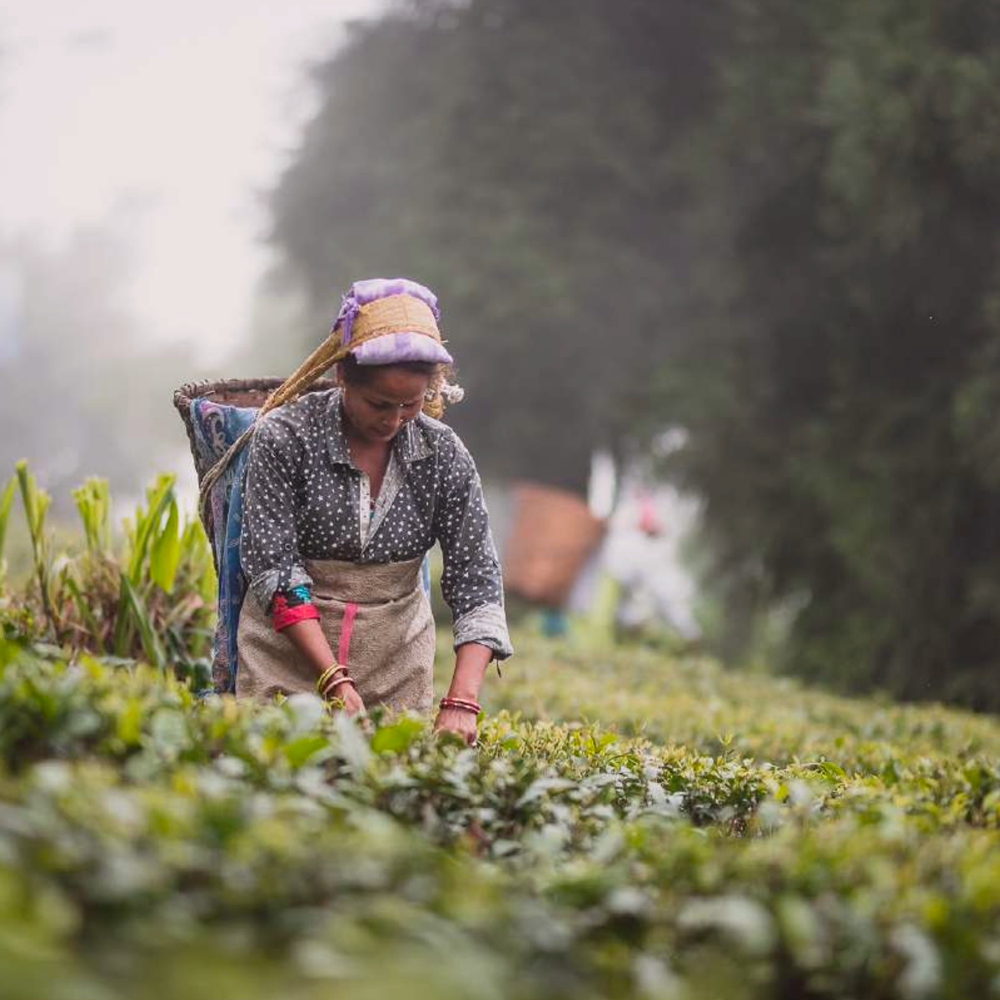
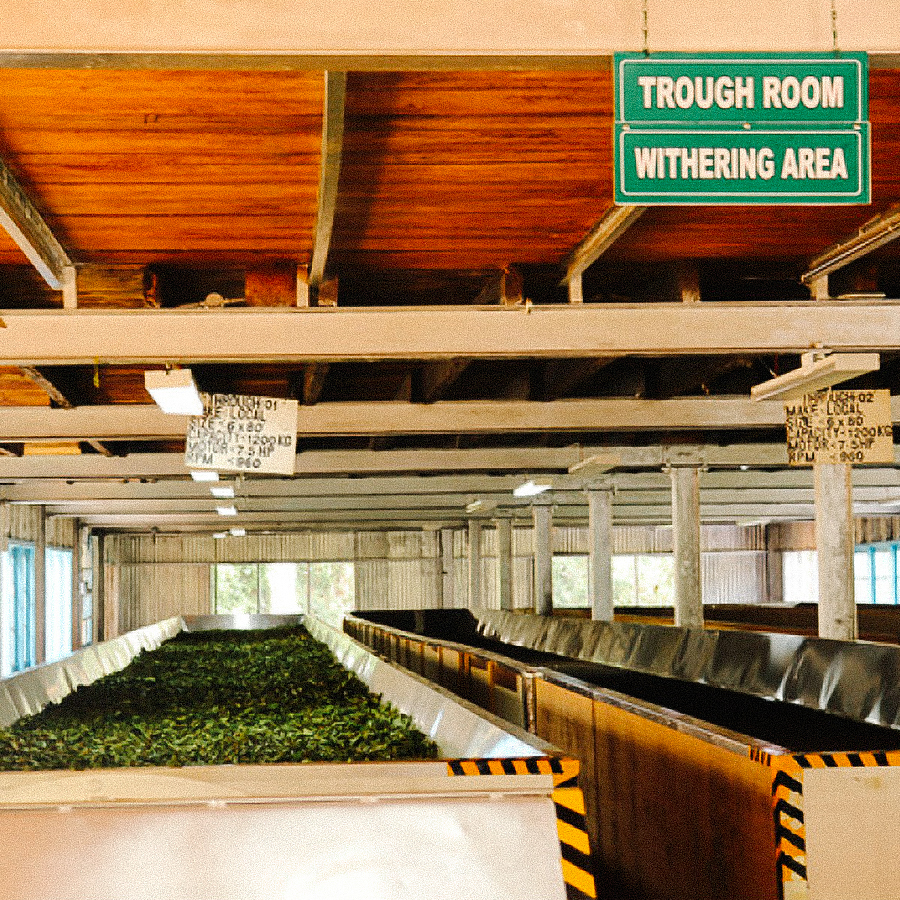
For this Nurbong Second Flush, the tea leaves are carefully hand-plucked in the mornings in June and then sorted. After harvesting, the moisture content of the leaves is slowly reduced during a strictly controlled, natural withering process. The leaves are then rolled and oxidised. Finally, the tea is fully dried in an oven using hot air.

Single Origin

This tea comes 100% from the Nurbong Estate, directly sourced.

Organic Certification

Organic Certification

PL-EKO-01
Nicht-EU-Landwirtschaft

100% pure

Preparation

Preparation

2 heaped tsp per 200–300ml water, 80–90°C, steep for 2–3 mins.

Packaging

Packed in a particularly high-quality, airtight bag with a zipper and stand-up base, with a 9-layer coating for optimal protection against oxidation and external contaminants.

Recommended Teapot

For particularly aromatic and traditional preparation of this tea, we recommend an elegant glass teapot, or alternatively a classic porcelain teapot.

Recommended Tea Caddy

Ideal is a high-quality, internally coated airtight tea caddy.

Our recommendations

Loading...
The image could not be loaded.