

Matcha Bowl
Kuro Raku Fuku

Studio Juraku

SKU
4317
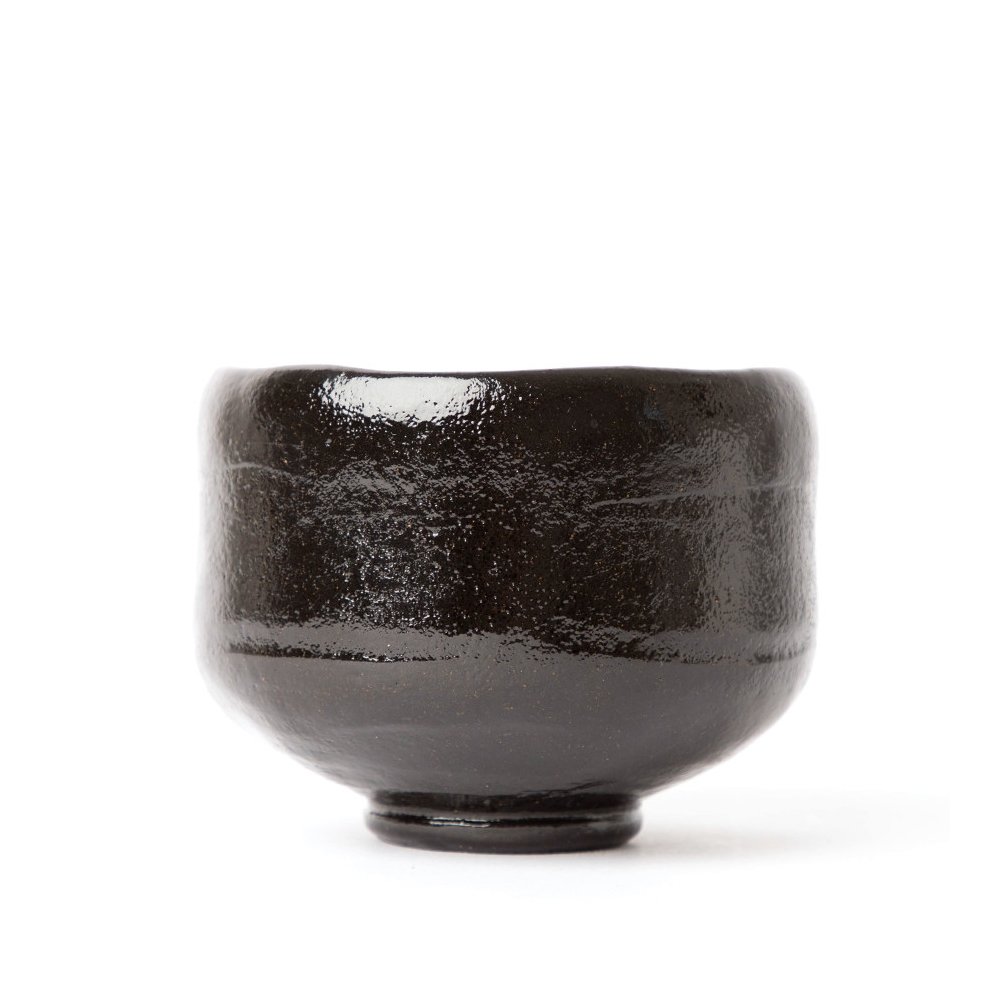
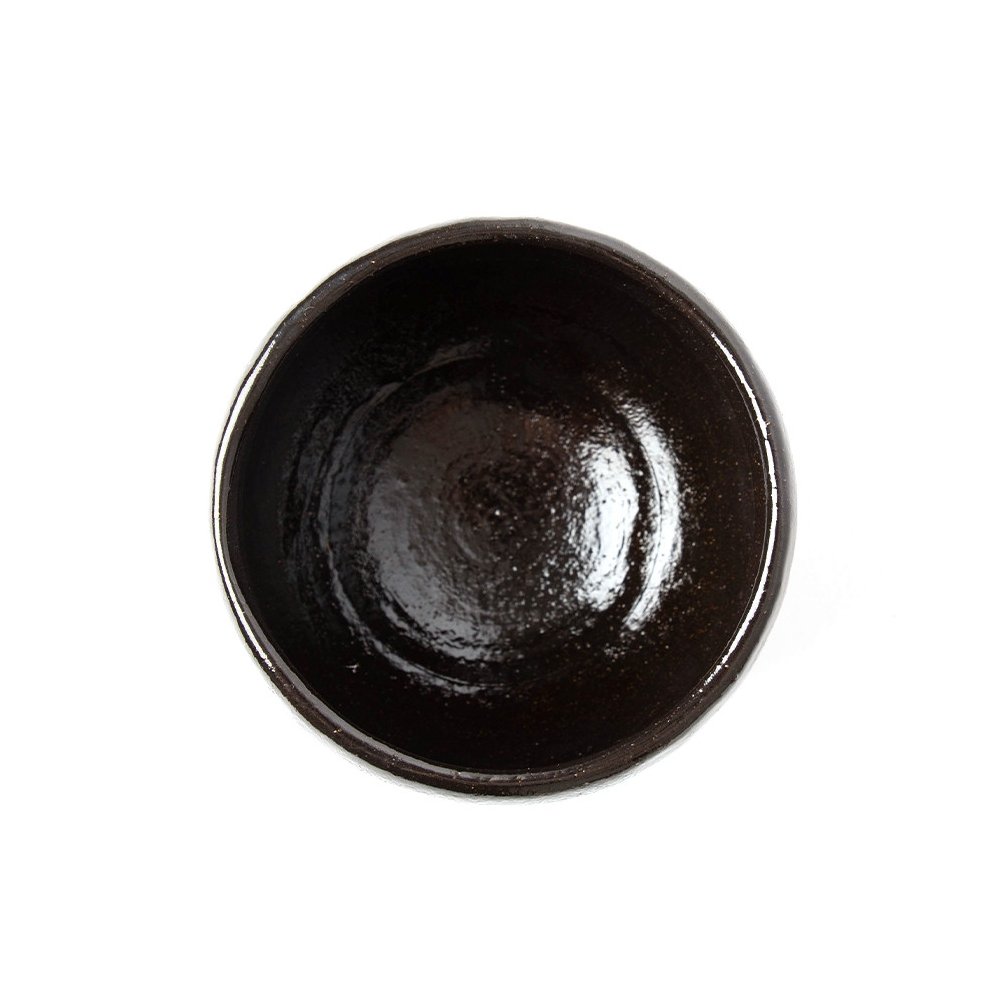
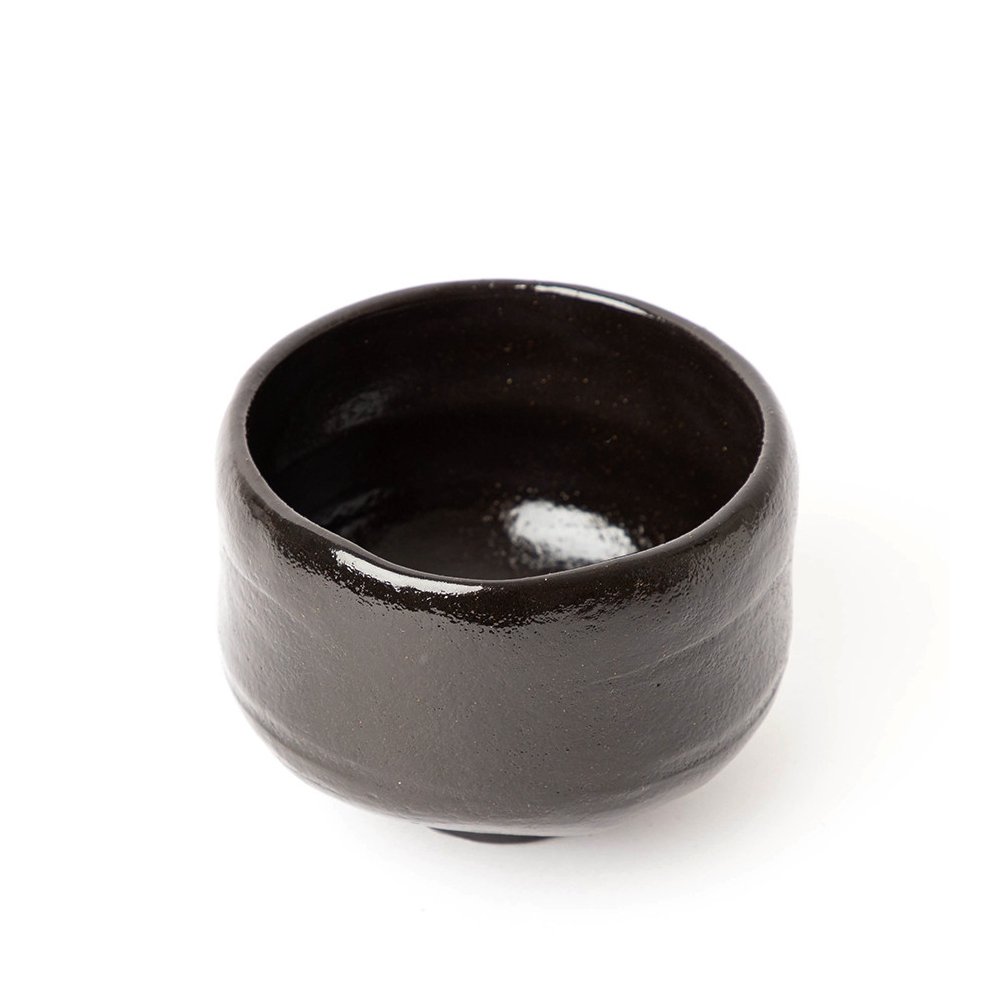
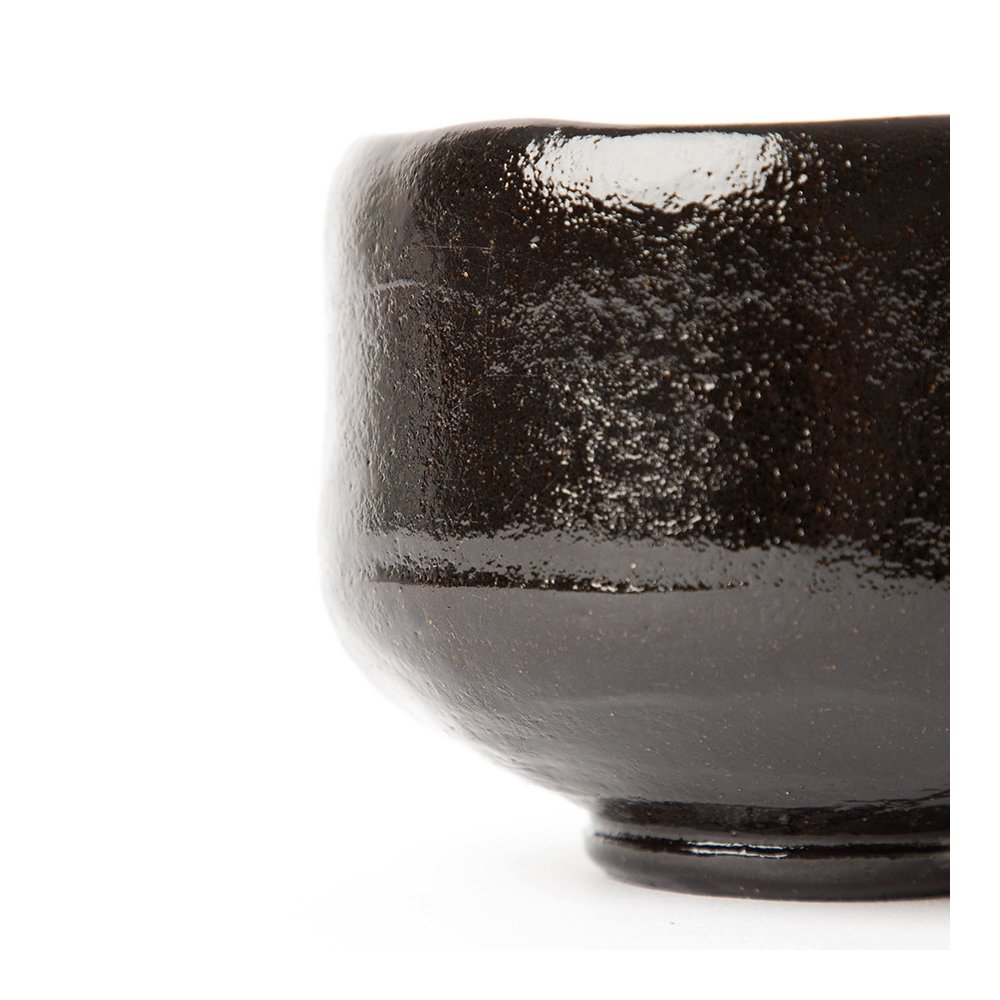
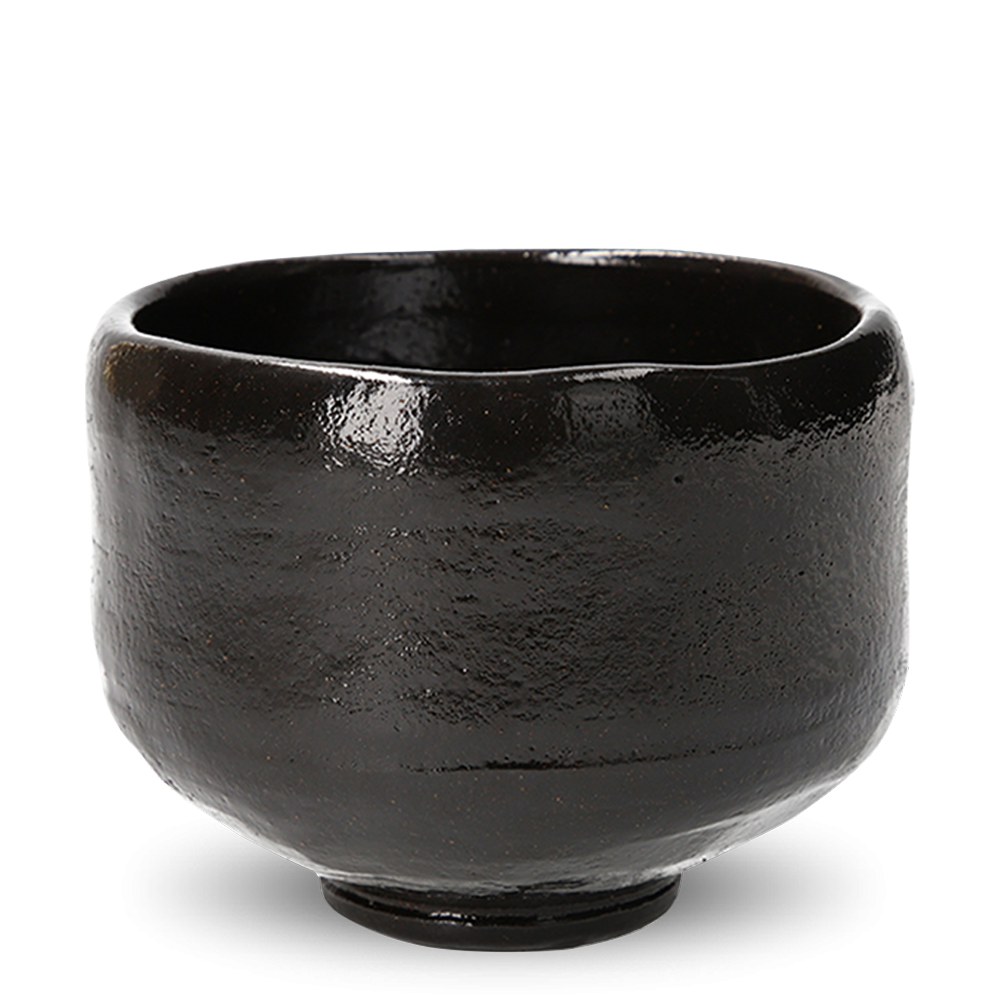
Classic black Kuro Raku Chawan tea bowl with a soft, rustic touch, handcrafted at the Juraku kiln in Kyoto, Japan. Perfect for preparing matcha at tea ceremonies and lessons.
Item Chawan tea bowl
Colour Black
Style Raku-yaki
Origin Kyoto, Japan
Dimensions Ø12 x 8.7cm
Studio Juraku
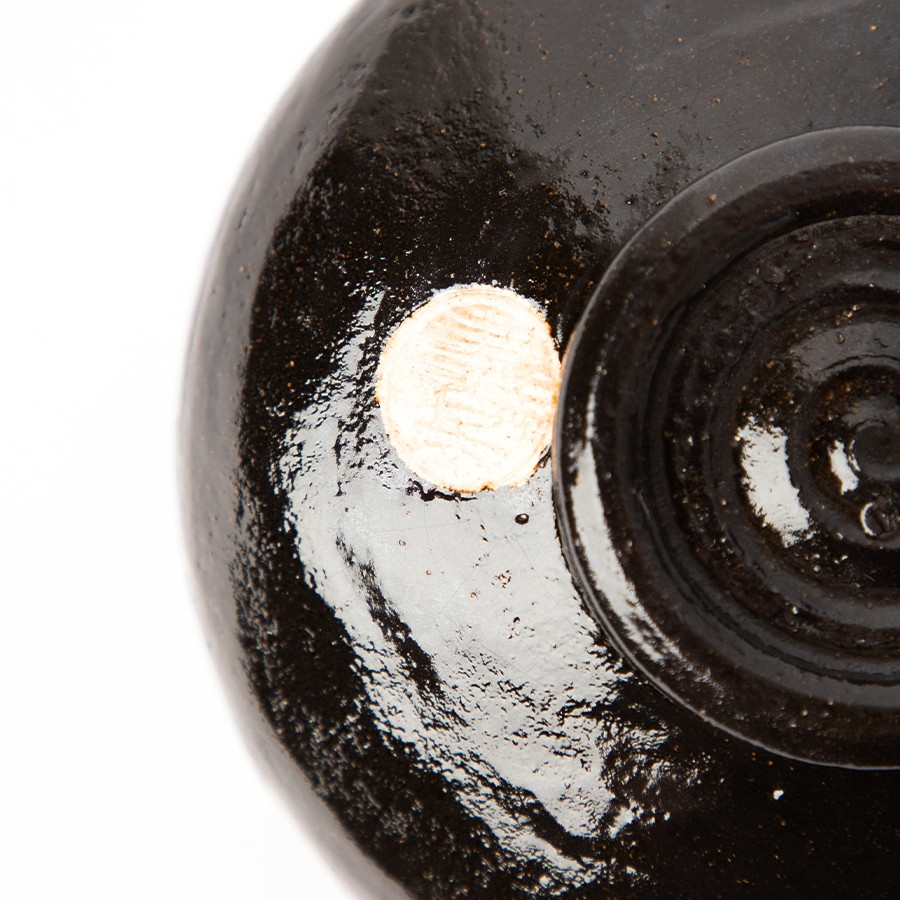
Stamp Raku seal to base
Packaging Gift box


Each piece is handmade and unique, therefore colour, dimensions and finish will vary slightly

€69.90

Delivery : up to 5 business days

Incl. VAT, excl. shipping

SKU
4317
In stock
Matcha Bowl Raku Fuku Kuro

Juraku 寿楽

Akihiro Shimada (嶋田 章弘) was born in 1938 and graduated from the Kanazawa School of Art in 1960. He would inherit the family business as the third generation of the Juraku Kiln, which was established in its current location in 1924. The kiln draws on the traditions of the 19th century Yoshidaya (吉田屋) Kutani revival ware kiln that would later become the Miyamotoya Kiln (宮本屋), which was famed for intricate Akae ("red picture") porcelains. Masanori Shimada (嶋田 正則) continues the craft as the fourth generation.


Matcha Bowl Raku Fuku Kuro

Chawan 茶碗

The tea bowl, known as a Chawan or Matchawan (抹茶碗, literally: "matcha tea bowl") in Japanese, originated in China and began to be imported to Japan in the 13th century. To this day, the Chawan is used in the Japanese tea ceremony to serve Koicha: a thick, dark tea made with the finest matcha, as well as Usucha: a thinner, frothier, diluted version – and how matcha is typically prepared for everyday drinking. Chawan come in a variety of shapes and regional styles, sometimes with the addition of seasonal motifs, making them popular collectors' items.

Raku Yaki 楽焼

Raku Yaki 楽焼

Almost exclusively used for tea ceremonies, Raku is a special type of hand-moulded pottery that is quick-fired at low temperatures then rapidly cooled in air or water to give it its characteristic soft, warm texture. The Raku bowl was developed in the 16th century by the foremost Japanese tea master, Sen no Rikyu, in collaboration with Tanaka Chojiro, a Kyoto-based tile-maker and founding father of the Raku family of potters. Designed to reflect the sobriety of the Wabi aesthetic championed by Rikyu, Raku bowls were originally produced, without ornament, in black or red – colours believed to bring out the vibrant green of Matcha most beautifully.

Kuro Raku 黒楽

Black or Kuro Raku tea bowls are coated in an opaque glaze traditionally made from powdered Kamogawa-ishi: stones from Kyoto’s Kamo river, rich in iron and manganese. After applying several layers of glaze, the bowl is fired at around 1200°C for 5 to 10 minutes. The red hot bowl is then removed from the kiln with tongs – which often leave small marks on the bowl’s surface – and cooled in air or water.
Care

As Raku ware is very porous, this bowl should only be used for preparing Matcha to prevent any odour or flavour transfer. Wash with lukewarm water only and no washing-up liquid. Rinse with warm water before use and make sure to clean immediately after use to prevent stains, then dry thoroughly with a tea towel. Never soak Raku wares as this may cause them to fall apart.

Our recommendations

Loading...
The image could not be loaded.