


Teacup Hakuji
Porcelain
SKU
0937


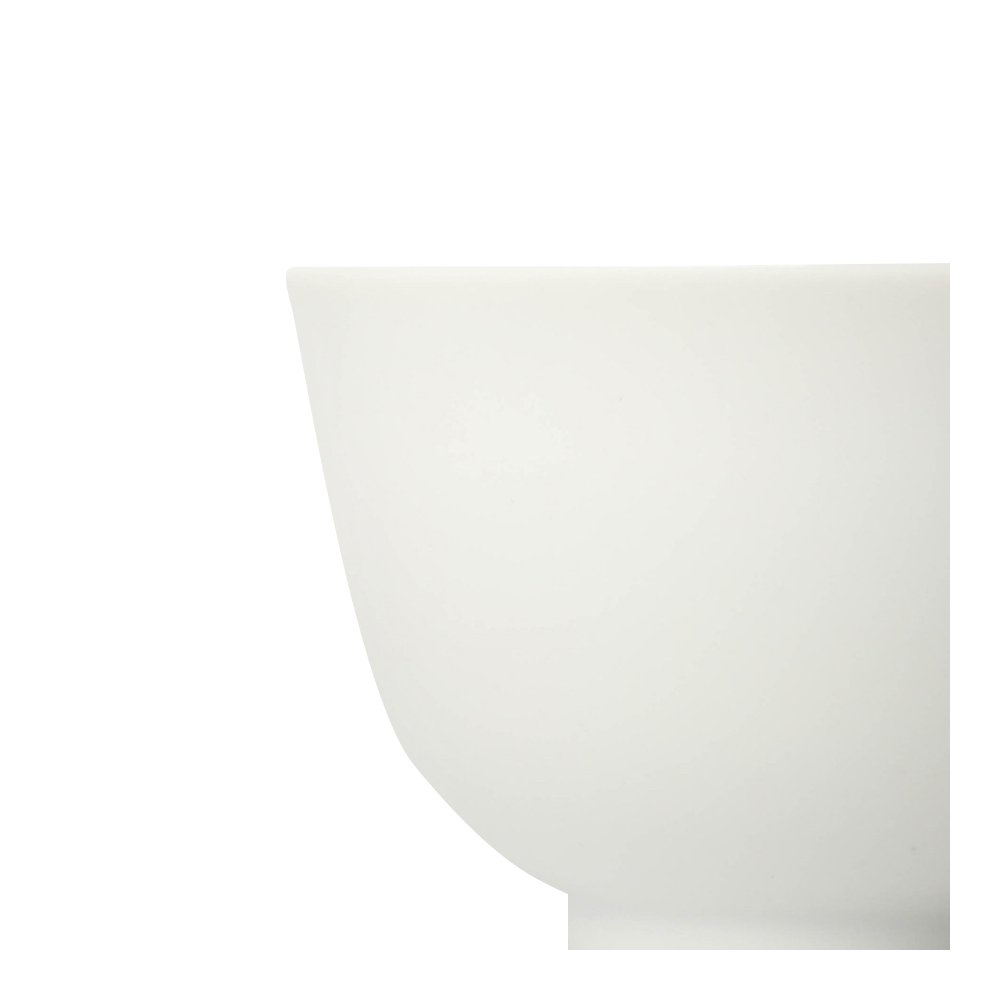
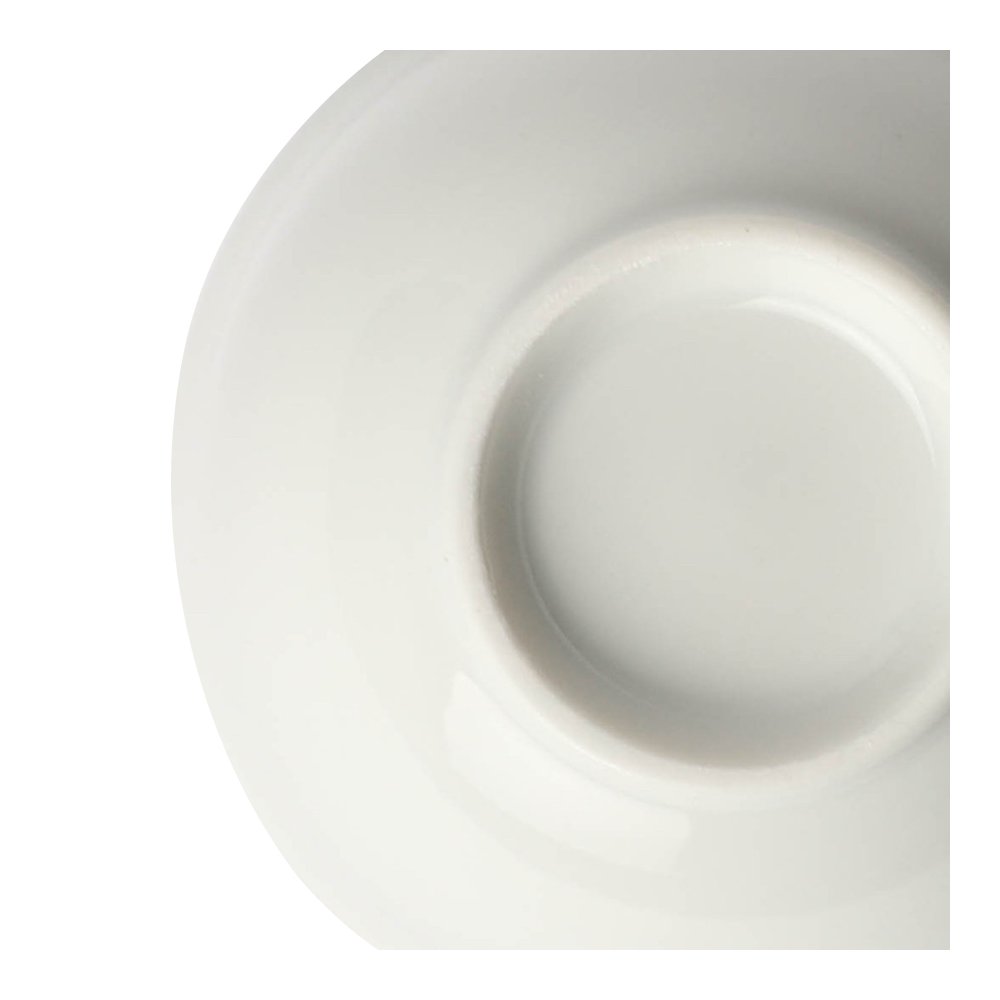
Timeless and versatile plain white porcelain teacup suitable for all types of Japanese green tea. Hakuji (白磁) literally means "white porcelain" and is a form of Japanese pottery that began as an imitation of Chinese Dehua or Blanc de Chine porcelain.
| Product | Teacup, white |
|---|---|
| Origin | Toki, Gifu, Japan |
| Dimensions | Ø7.7cm x 4.6cm, foot Ø3.7cm |
| Volume | 100ml |
| Weight | 75g |
| Material | Porcelain |
In stock
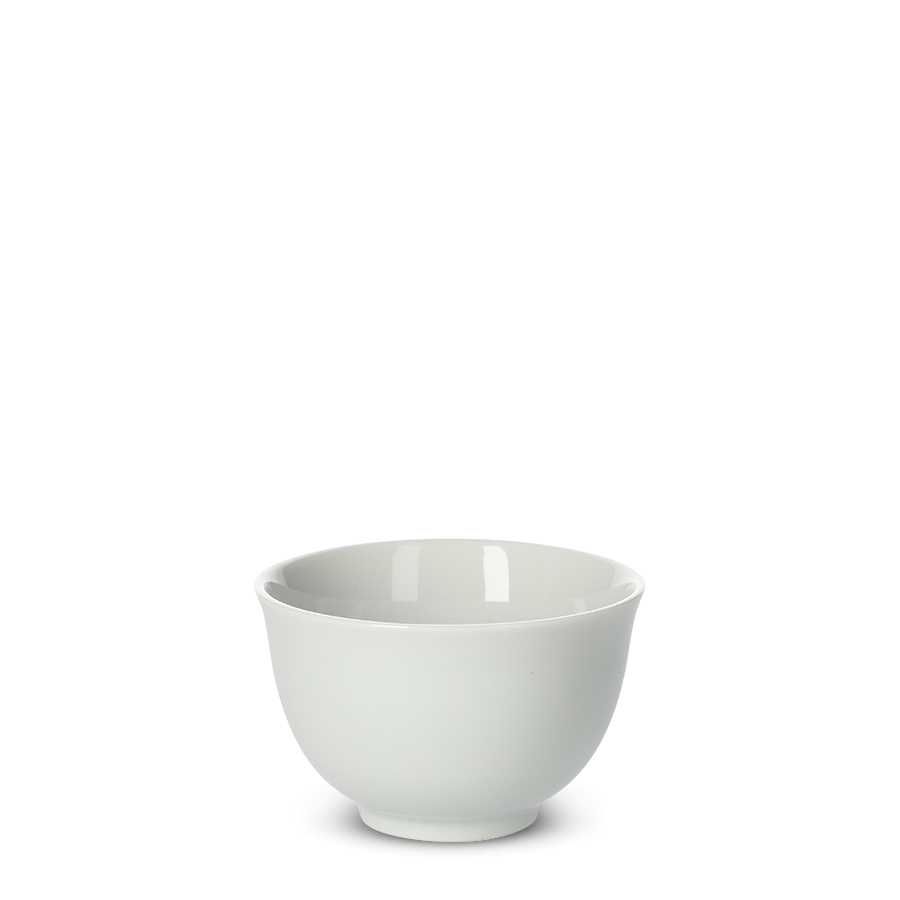
Kumidashi 汲み出し
The Kumidashi is a short, light, handle-free teacup traditionally used to serve Sencha during Senchadō: the Japanese leaf tea ceremony (as opposed to Sadō for matcha powdered green tea). Kumidashi with mouths that spread outwards are particularly suitable for high-grade teas as the shape helps to amplify the aroma. Often sold in sets of five, Kumidashi are the choice of teacup when entertaining guests.