




Restharrow root
Restharrow root (Ononis spinosa L.) is native to Europe, Western Asia and North Africa, and can be found at altitudes of up to 1,500 metres. This plant lives in symbiosis with fungi and bacteria, and has been mentioned since antiquity in early herbal texts. In the 16th century it was documented in the writings of the founding fathers of modern botany.
Green tea
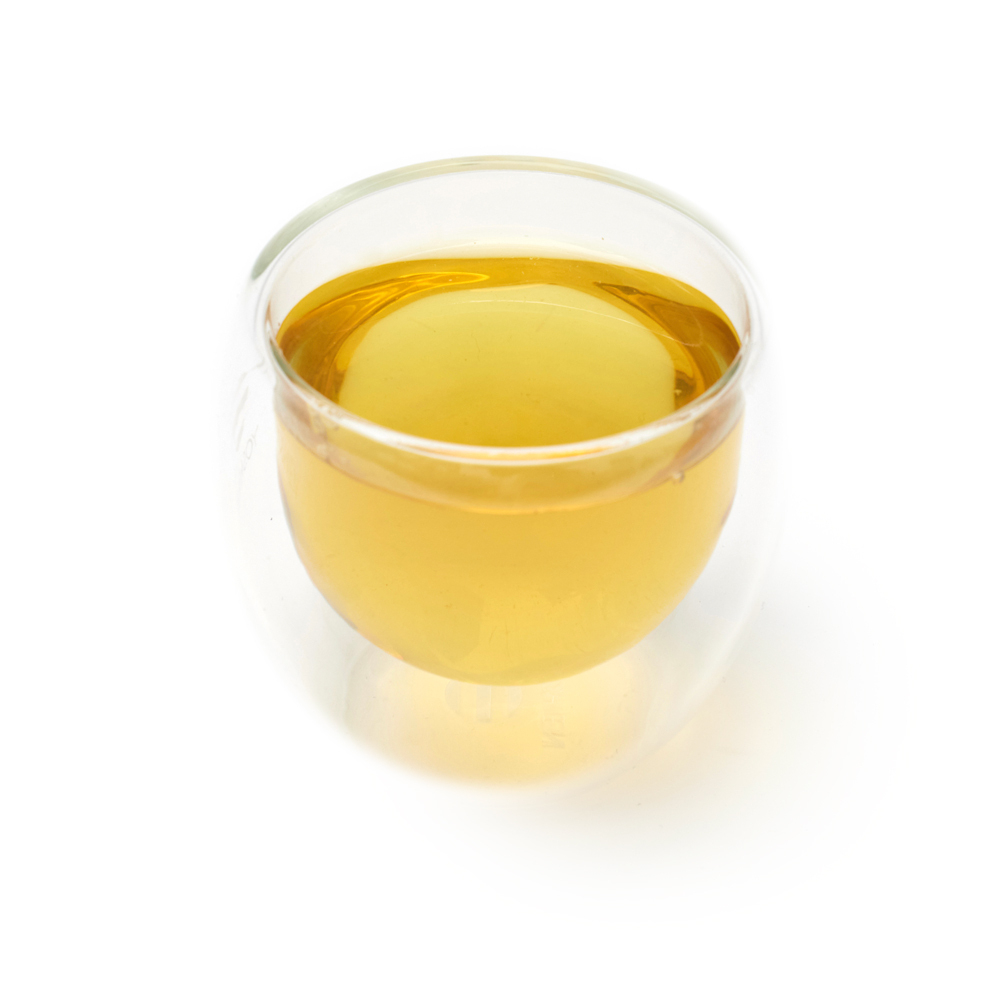
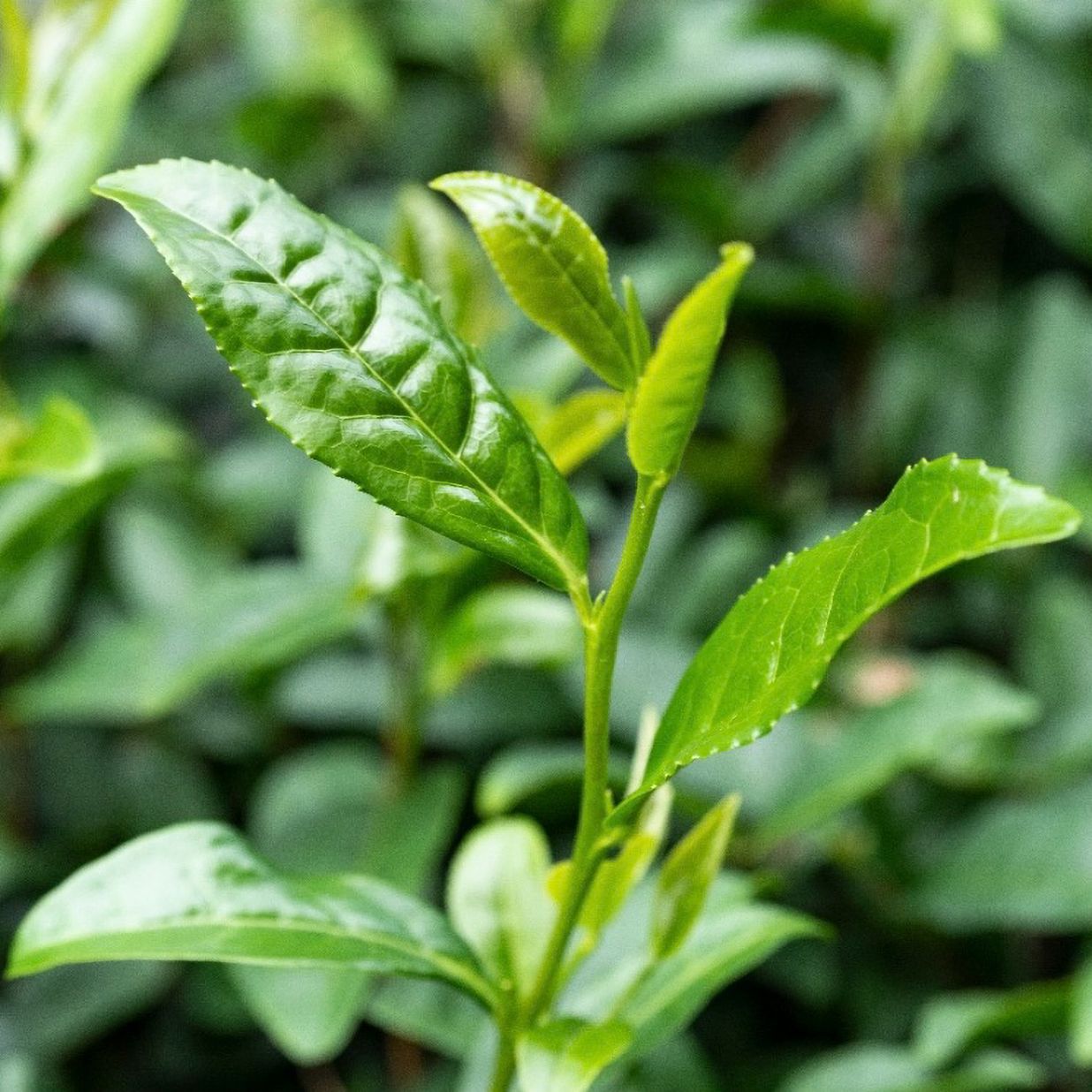
Tea (Camellia sinensis) is traditionally cultivated in a shrub-like form. In many countries, it is enjoyed to support general well-being. The abundant sunshine in the growing regions allows valuable compounds to accumulate in the evergreen tea leaves. Green tea, in particular, is rich in catechins and chlorophyll, as well as amino acids, organic acids and vitamins.
Green Oat
Green oat is made from the young green oat herb (Avena spp.), harvested before the plant reaches full bloom. At this early stage of growth, the plant is especially rich in naturally occurring plant compounds and has long been appreciated as a mild, alkaline herb. Botanically, oats belong to the grass family (Poaceae). Originating in the Middle East, oats were among the early cereal crops to be domesticated. For green oat tea, it is not the grain but the tender green herb that is used, giving the infusion its softly herbal flavour and a distinctive profile that clearly sets it apart from traditional oats.
Dandelion
Dandelion (Taraxacum officinale) is a resilient perennial herb native to the entire northern hemisphere. It exhibits remarkable adaptability, thriving in diverse habitats at altitudes of up to 2800m above sea level such as meadows, forests and even urban environments, where it can be found in such unlikely places as cracks in the pavement. The dandelion can grow up to 10cm tall and is characterised by its distinctively white sap present in all parts of the plant. Although references to the dandelion date back to the 11th century in Persia, it wasn't until the 16th century that it was mentioned in European herbal lore.
Bay leaf
Bay leaves come from the evergreen bay laurel tree (Laurus nobilis) and lend a subtle, aromatic bitterness to soups and other slow-cooked dishes. Beyond the kitchen, they have a rich cultural history. In ancient Greece and Rome, the bay laurel was considered sacred to the god Apollo, and its leaves were woven into crowns to honour esteemed figures such as poets, athletes and emperors. The term “laureate”, as in “poet laureate”, stems from this tradition.
Fumitory
Fumitory (Fumaria officinalis) has a long history in European and Mediterranean culture, dating back to ancient Greece and Rome. Its Latin name, fumus terrae, meaning “smoke of the earth”, is thought to refer to its soft, cloud-like appearance when seen from a distance, or the smoke-like scent of some species. Throughout the Middle Ages and Renaissance, fumitory was widely noted in herbal traditions and folklore, often associated with rituals of cleansing and seasonal renewal.
Poplar buds
Poplar buds (Populi gemmae) have long been used in herbal medicine, dating back to ancient times among the Egyptians, Greeks and Romans. Rich in aromatic resins and natural salicylates, the buds were often incorporated into traditional healing ointments. Their pleasant fragrance, with hints of balsamic, honey and vanilla, also made them a popular ingredient in early perfumery.
Marigold petals
Marigold (Calendula officinalis) belongs to the plant family Asteraceae (daisy family) and is particularly widespread in Europe. With its bright yellow and orange flowers, it is especially eye-catching and commonly found in many gardens. The petals are the most often used part of the plant, traditionally dried for use as a tea or as an extract for external application.
Camomile
Camomile (Matricaria chamomilla L.) has been a trusted part of herbal tradition for thousands of years, with the flowers being the primary part used in herbal medicine. In ancient Egypt, camomile was held among the most revered herbs and considered to be sacred. Its delicate blossoms contain a valuable combination of plant compounds, long appreciated for their versatility and gentle effectiveness.
Rose petals
Roses are one of the world's oldest flowers, with fossil evidence suggesting they have existed for over 35 million years. The earliest cultivated varieties are believed to have come from China (around 5,000 years ago), later spreading to to the rest of the world through trade and conquest. For thousands of years, rose petals have been used as medicine and fragrance, as well as in rituals and celebrations.