

CELEBRATE YOSHI EN’S BIRTHDAY: 10% OFF SITEWIDE (EXCL. SETS & BUNDLES) | UNTIL 4 JUNE

Sencha Izumi Asanagi Organic

Contest Grade 98 P.

SKU
0509-bio
This organic Sencha was recognised at the 2025 Nihoncha Award. An expertly crafted blend of select cultivars creates a particularly complex and layered flavour profile. Crafted by an exceptionally talented fourth-generation organic tea farm in Izumi.
Character Complex aroma, intense flavour, matcha notes, distinct umami, the finest mountain Sencha character
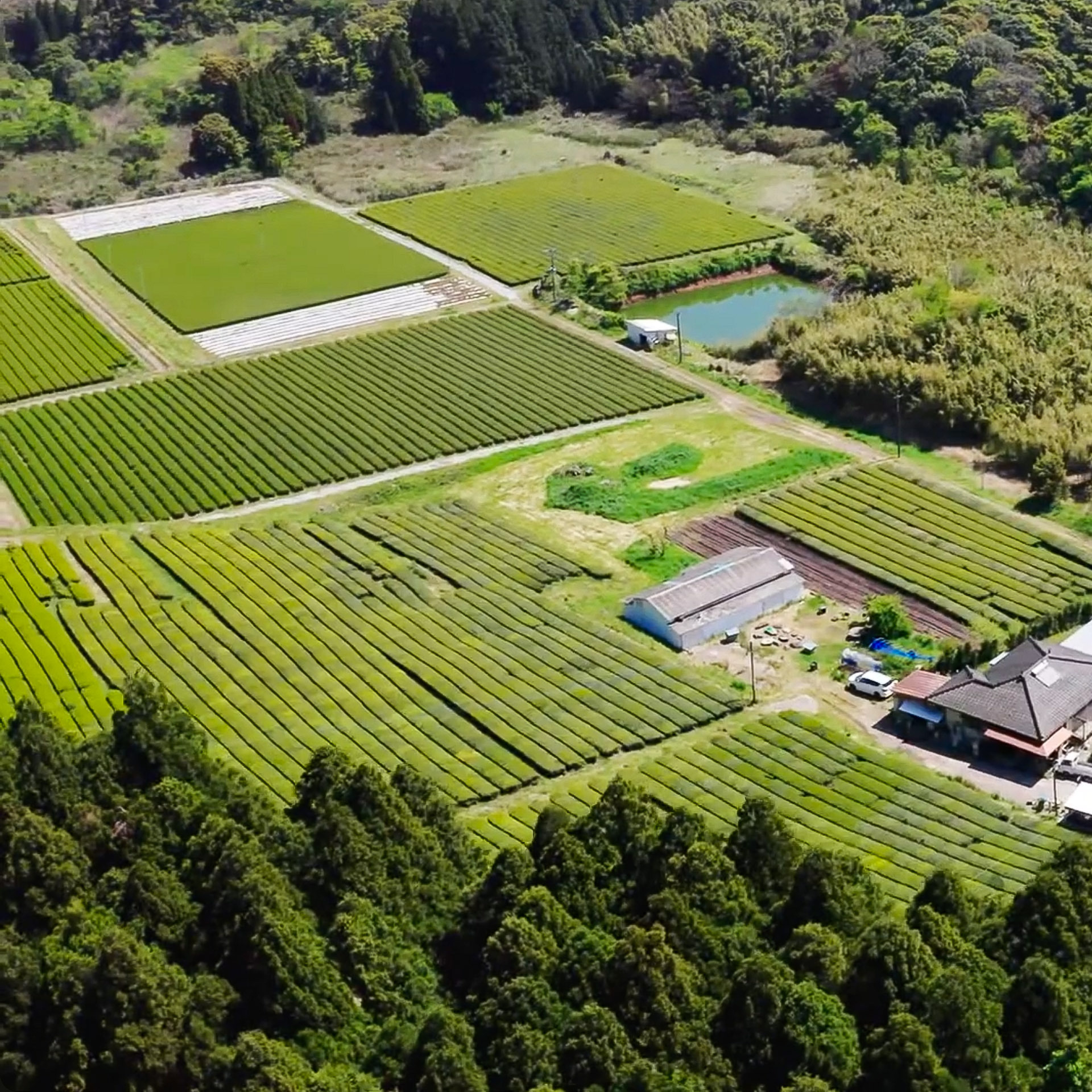
Tea Farm A deeply nature-oriented tea farm that has been cultivating tea without pesticides since 1979, now in its fourth generation
Terroir Izumi, Kagoshima Prefecture, Japan
Harvest 1st harvest (Ichibancha), May 2025
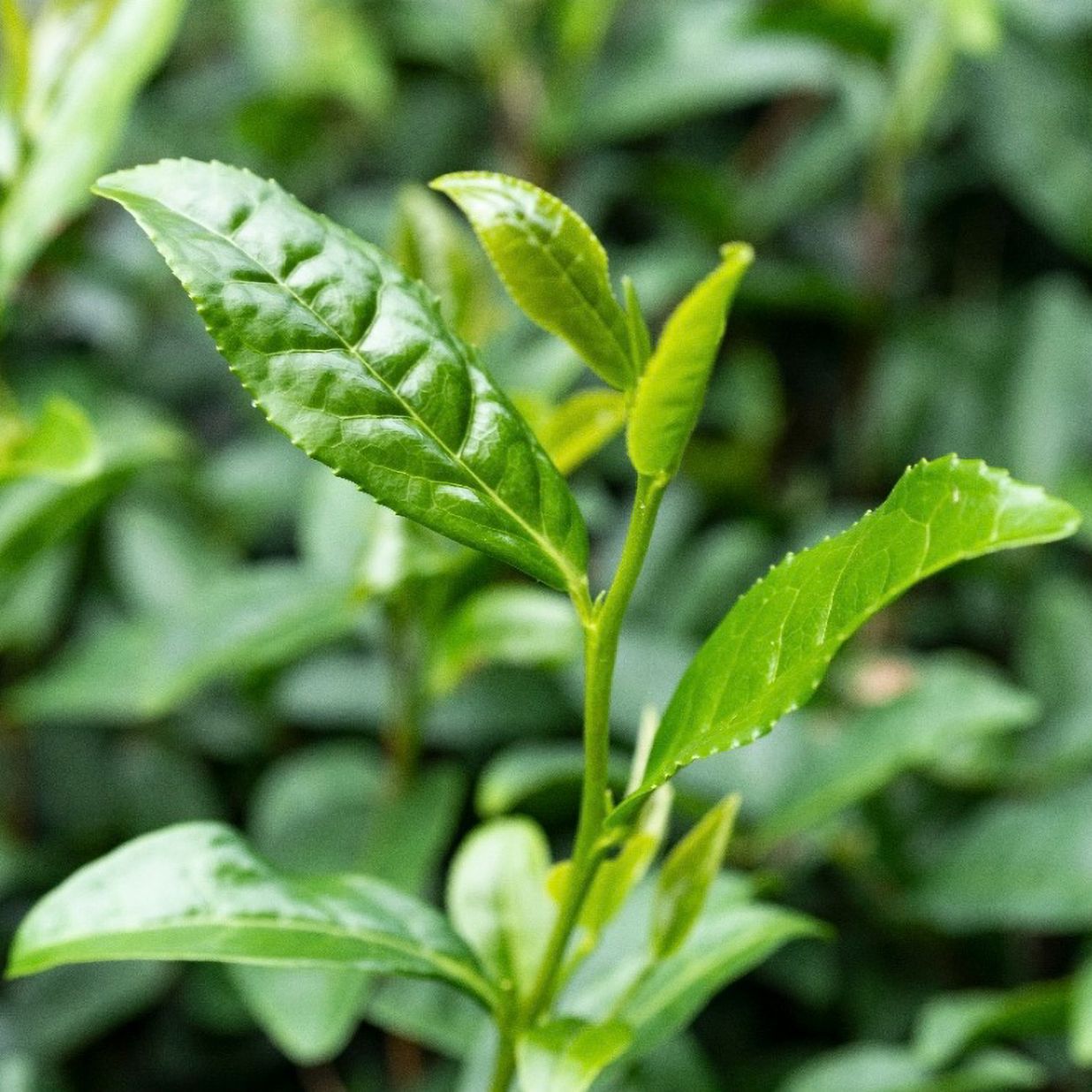
Cultivar Blend: Asanoka, Asatsuyu, Kirari 31
Elevation ~550m above sea level
Steaming Deep (Fukamushi, approx. 80–90 sec.)
Shading 10–18 days, Jikagise style (direct shading)
Cultivation Organic-certified cultivation
Laboratory Tests Radioactivity (annual regional testing) and pesticides
Grade 98/100 P. (Sencha category); Contest Grade
€29.90
80g

Delivery :

Incl. VAT, excl. shipping

SKU
0509-bio
€373.75 / 1kg
In stock
Organic Sencha Izumi Asanagi

Character

Tasting Notes

A mountain-grown Sencha blend of three distinguished cultivars – Asanoka, Asatsuyu and Kirari 31 – offering remarkable intensity and a beautifully layered flavour profile that initially recalls premium Kagoshima matcha. Rich umami takes centre stage from the very first sip, before unfolding into vibrant grassy freshness and the distinctive vigour that characterises the finest mountain Sencha. A delicate, gently tingling mouthfeel adds further intrigue and complexity to the cup. Despite its full, almost broth-like body, the tea retains a refreshing sense of lightness and clarity throughout. An ideal Sencha for lovers of the deep, expressive notes of matcha, who also appreciate the clear, fresh elegance of a natural mountain Sencha.

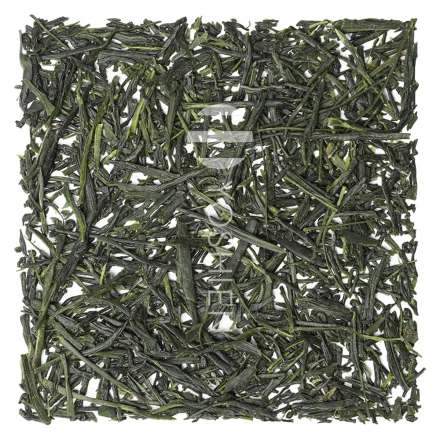
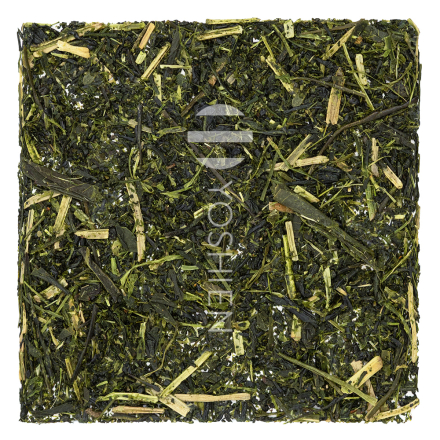
Leaf

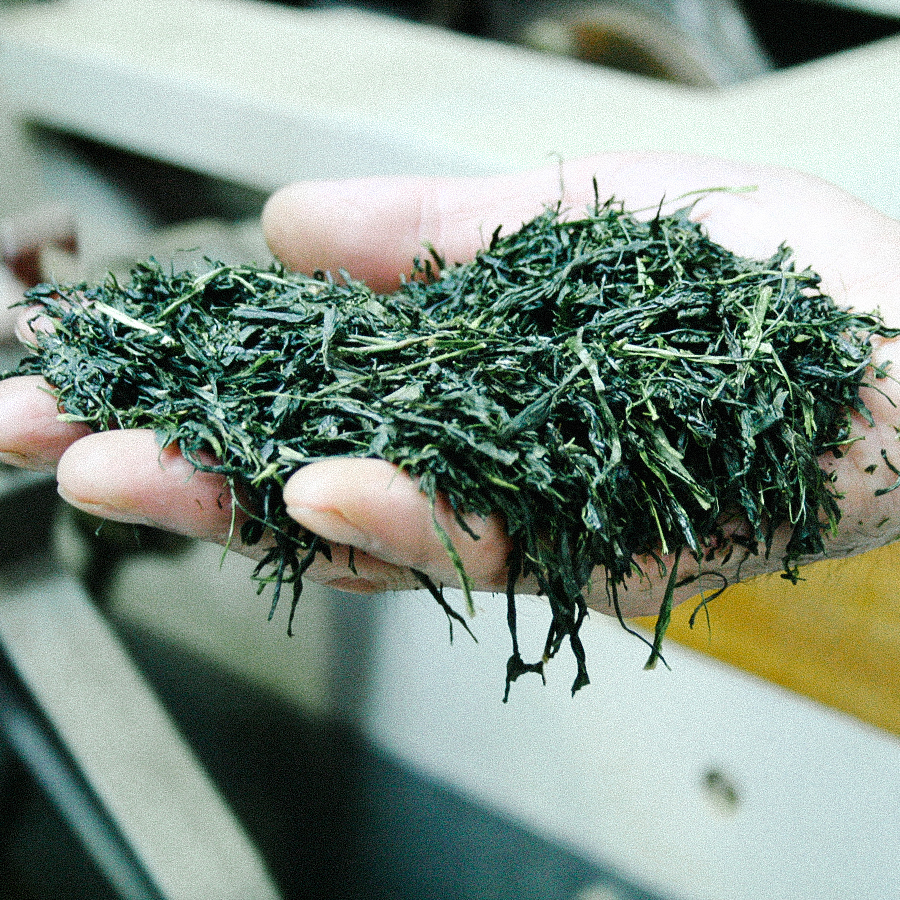
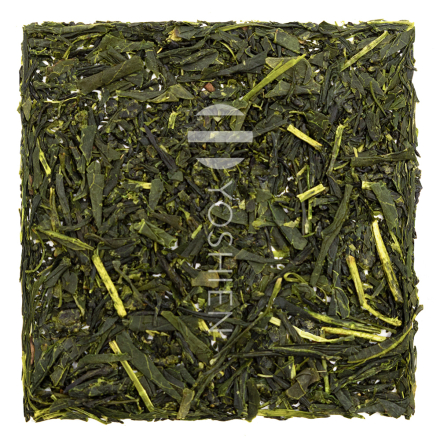
matt grün, viel Bruchmaterial durch Dämpfung

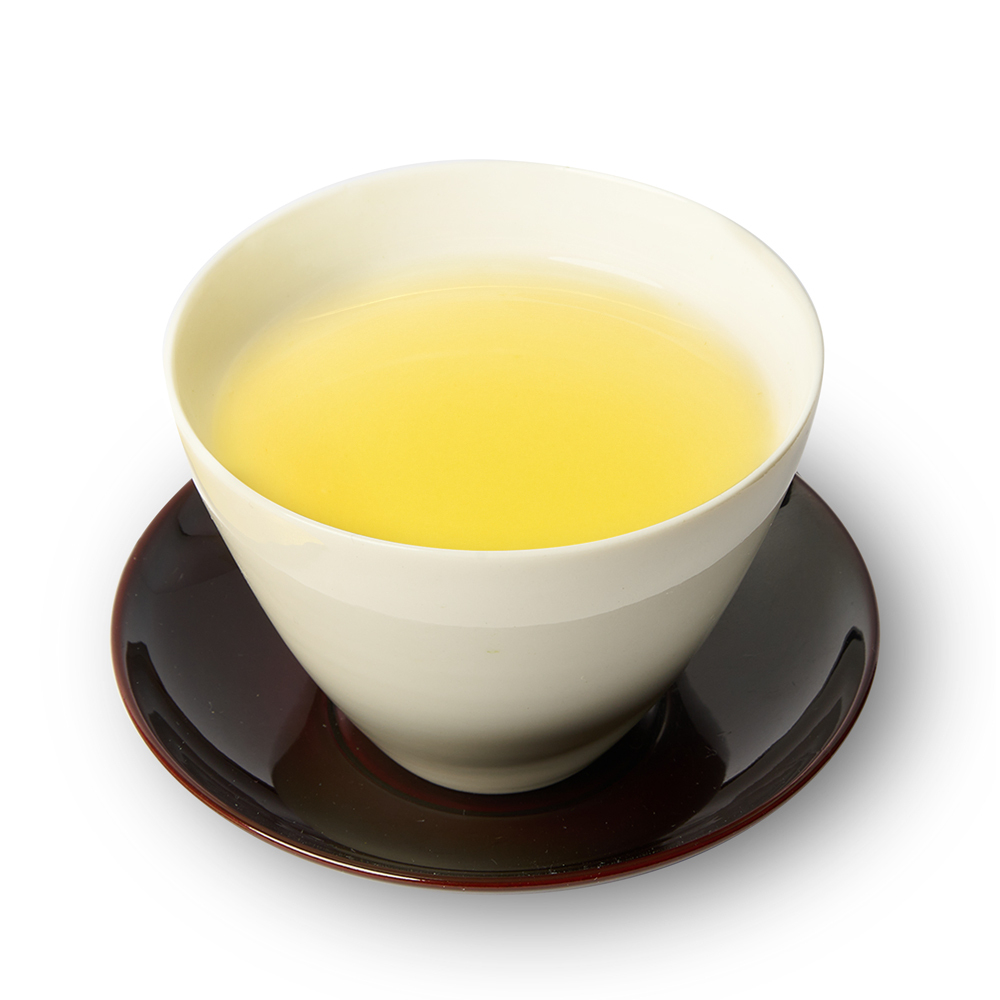
Cup

intensiver Aufguss, frisches Gelb

Organic Sencha Izumi Asanagi Organic Sencha Izumi Asanagi

Sencha

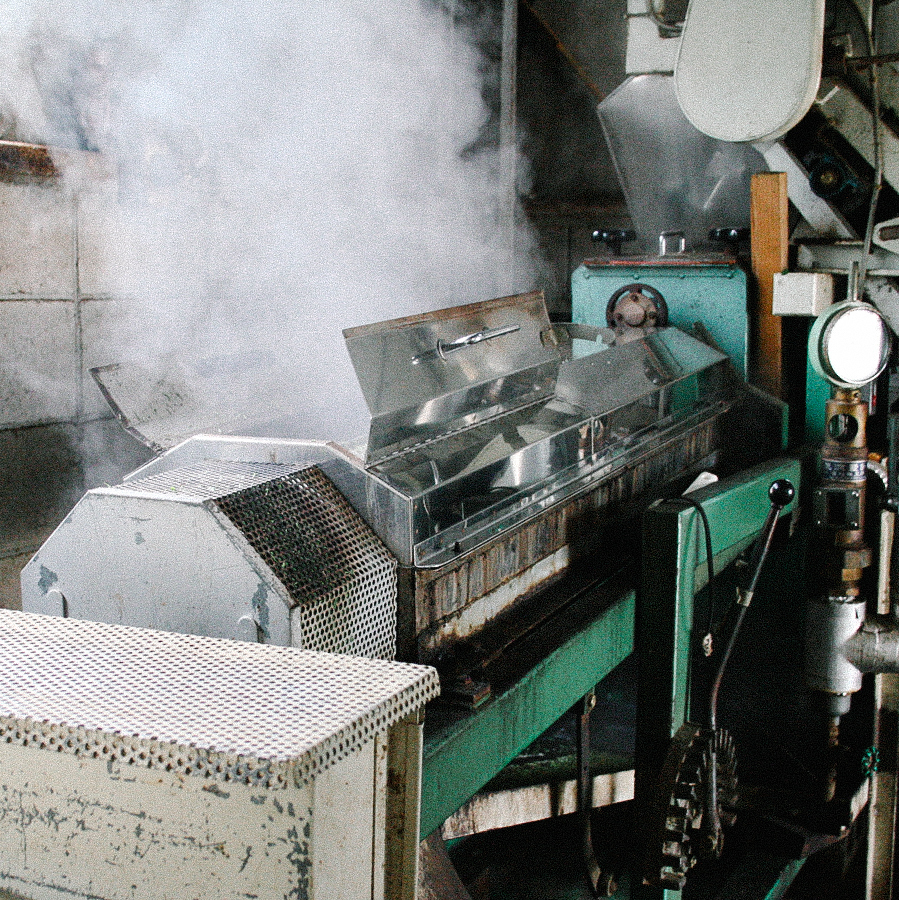
Sencha is by far the most commonly cultivated and consumed green tea in Japan and constitutes the backbone of Japanese tea traditions. The leaves are typically steamed for 10–60 seconds, dried with hot air, churned, and via a multi-staged process rolled into flat needles. The flavour profile of Sencha is very diverse and varies between sweet, fresh and grassy to robustly bitter. The region of cultivation as well as quality of the tea play a significant role in determining flavour.

Yoshien Labortests

Laboratory Tests

We go to great lengths to identify the finest organic tea farms across the world’s most celebrated terroirs. All our teas are sourced directly from the farmer and, with a few exceptions, are certified organic or come from pesticide-free farms. Each batch of tea for every harvest is tested for pesticides and other pollutants in an independent German lab to ensure they meet our strict quality standards as well as HACCP food safety requirements.

Yoshien

Yoshi en

Premium Organic Teas

Our comprehensive portfolio focuses on organic, single-origin teas sourced directly from renowned farms. We believe in creating partnerships with farmers who share our values and are committed to sustainable, responsible tea cultivation. Thanks to these strong relationships our exciting range is constantly growing and evolving. As an international team of dedicated and passionate tea experts, we are committed to preserving centuries-old tea culture while ensuring it remains relevant and continues to bring joy in the present. About Yoshi en.

Cultivation & Processing

Special features in location, cultivation and processing

Located at an altitude of 500 metres in the mist-shrouded mountains of Kagoshima, this tea farm has been producing exceptional organic teas of remarkable depth and purity since the 1950s. JAS-certified, it has been cultivated entirely without pesticides or chemical fertilisers for decades, relying instead on living soils, natural cycles and traditional craftsmanship.

The cool climate of the highlands, soft nutrient-rich soils and gentle fertilisation with fermented organic materials create ideal conditions for resilient tea plants. Many of the tea bushes are still grown from original seed stock and, through their deep root systems, develop distinctive, complex flavour profiles.

To this day, the tea farm is managed with great care across generations, guided by a commitment to producing nature-focused teas that express the authentic character of their place of origin.

Single Origin

This tea comes 100% from the above-mentioned tea fields and is sourced directly from the tea farmer.
Preparation

Brewing Guide

3 heaped teaspoons (approx. 7g) per 100–300ml water, 60 °C, steep for 2 minutes. This method yields a particularly gentle infusion that preserves valuable amino acids and vitamin C, while remaining mild in bitterness. Suitable for up to four further infusions, each with a steeping time of 10–30 seconds (we recommend increasing the temperature to 70–80 °C for subsequent infusions).

Alternatively, the following preparation methods may be used:
• 70 °C, 1.5 min: A balance of fresh and deep notes, intense, slightly bitter, brings out the catechins and caffeine (a balance of relaxing and revitalising)
• 80 °C, 1 min: Umami and sweetness in the background, deep grassy notes, pleasantly hot drinking temperature, moderate bitterness, emphasises the catechins and caffeine (invigorating)

Packaging & Storage

Packed in an especially high-quality, airtight, flavour-protecting pouch with a resealable zip and stand-up base. A special nine-layer coating optimally protects the tea from oxidation and external contaminants.

When resealing, press out as much air as possible to keep the tea fresh. Alternatively, and especially for longer-term storage, we recommend our stylish, airtight tea caddies.

Recommended Teapot

Ideal is a Banko Kyusu made from 100% original purple Banko clay. This special clay, when reduction-fired, brings out the unique flavour components of Gyokuro including its amino acids and chlorophyll. Vintage Banko Kyusu produced before 1990 could still be crafted entirely from original Banko clay sourced directly from the region.

Our recommendations

Loading...
The image could not be loaded.