

FRESH ARRIVAL: ALL  2026 HASHIRI SHINCHA  ARE NOW IN – DISCOVER JAPAN’S EARLIEST GREEN TEAS!

Nilgiri Black
Winter Flush Organic

Premium 90 P.

SKU
0484-bio
Hand-harvested black tea from the Nilgiri Blue Mountains of southern India, grown at elevations of up to 2,100 metres in accordance with the highest organic standards. Traditionally processed using orthodox methods, it features a robust, invigorating profile and a subtly sweet aroma. Ideal as an everyday tea. 200g
Character Grape and sour cherry aromas; smooth, clear, well-balanced, with a subtle malty note
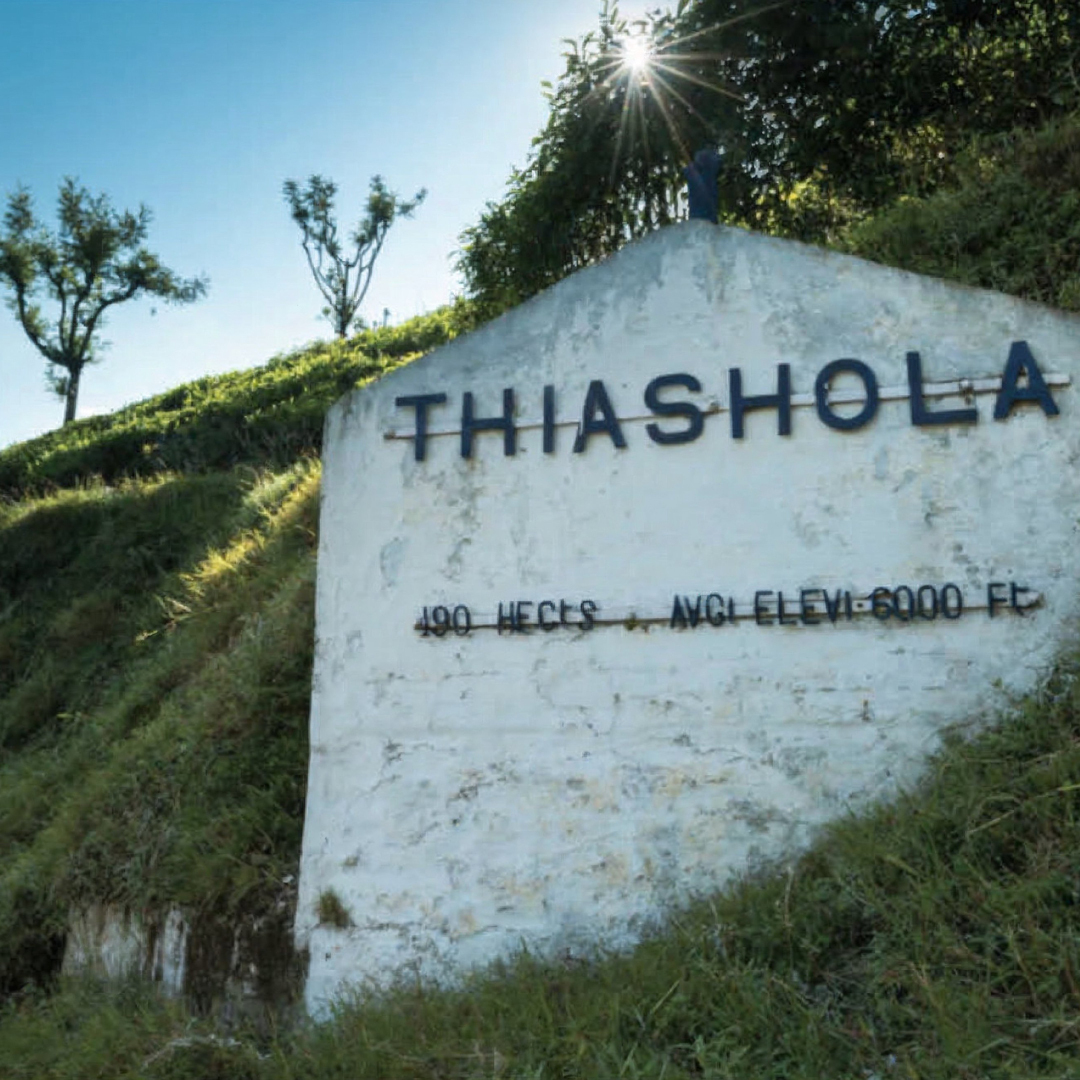
Tea Farm Thiashola Estate
Terroir Nilgiris, Tamil Nadu, India
Harvest Winter Flush, February 2025, hand-harvested
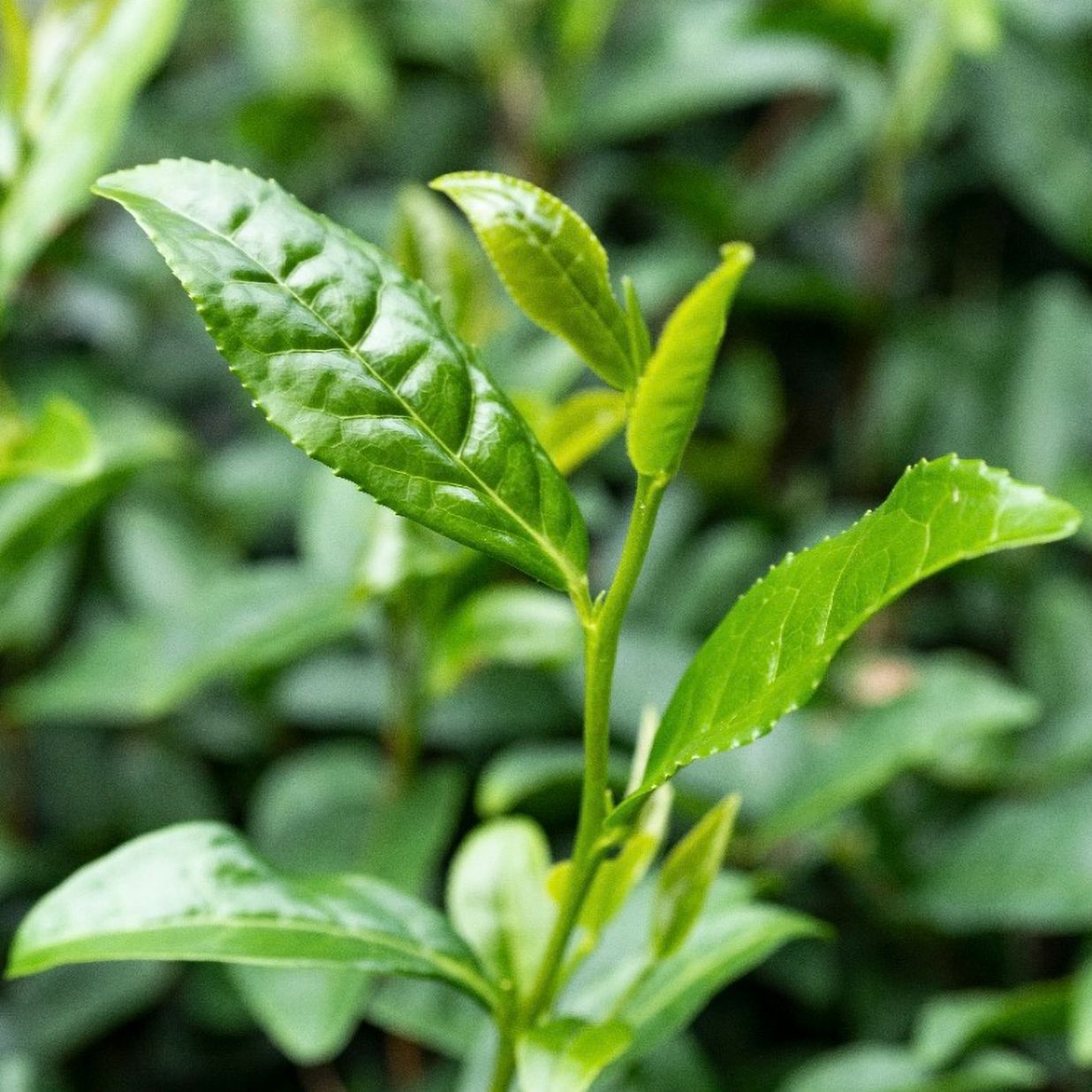
Cultivar Camellia sinensis var. Assamica
Elevation 1800-2400m
Oxidation Medium
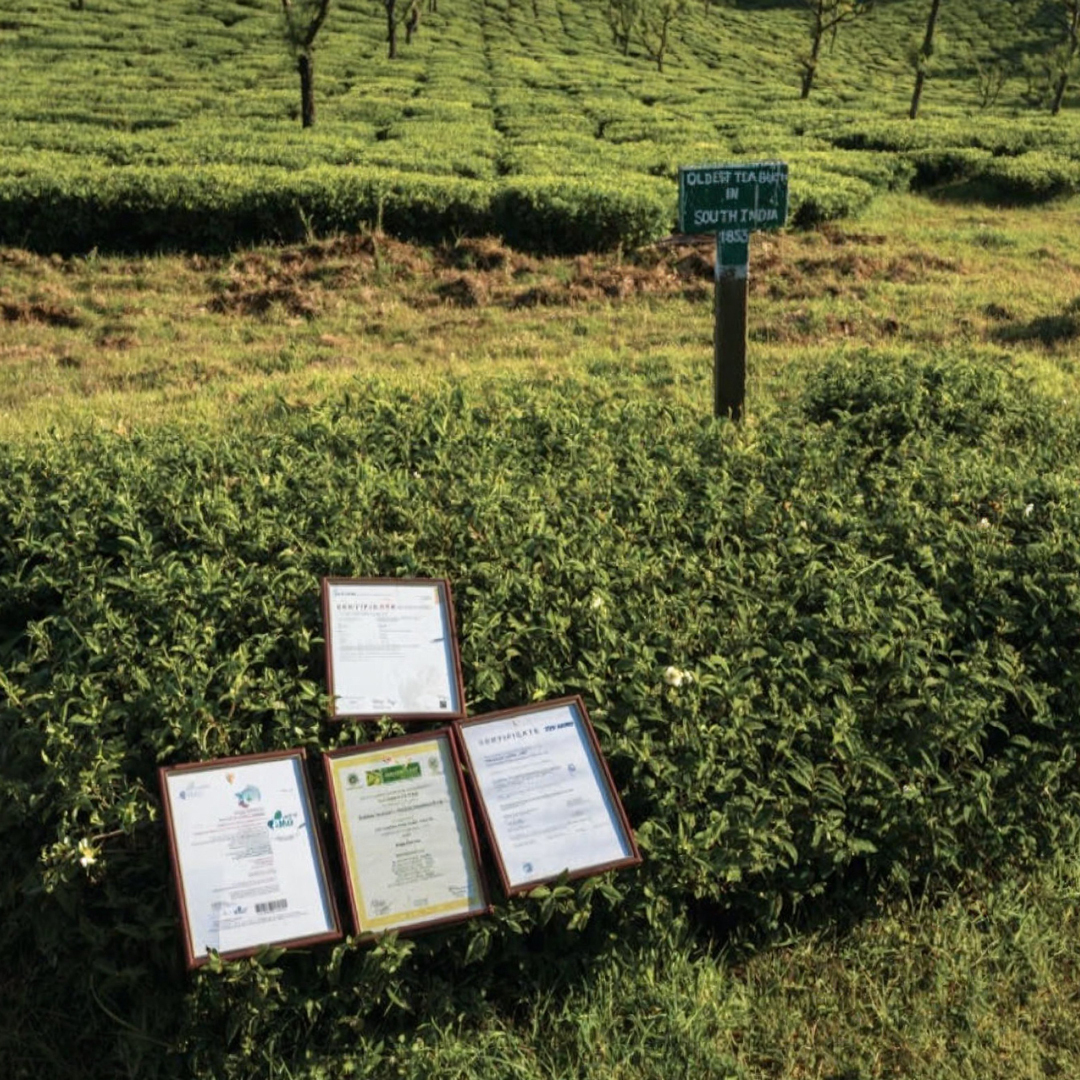
Cultivation Organically certified cultivation
Laboratory Tests Pesticides
Grade Premium (90/100 P.)
€12.90
200g

Delivery :

Incl. VAT, excl. shipping

SKU
0484-bio
€64.50 / 1kg
In stock
Organic Nilgiri Black Winter Flush Organic Nilgiri Black Winter Flush Organic Nilgiri Black Winter Flush

Tea Farm

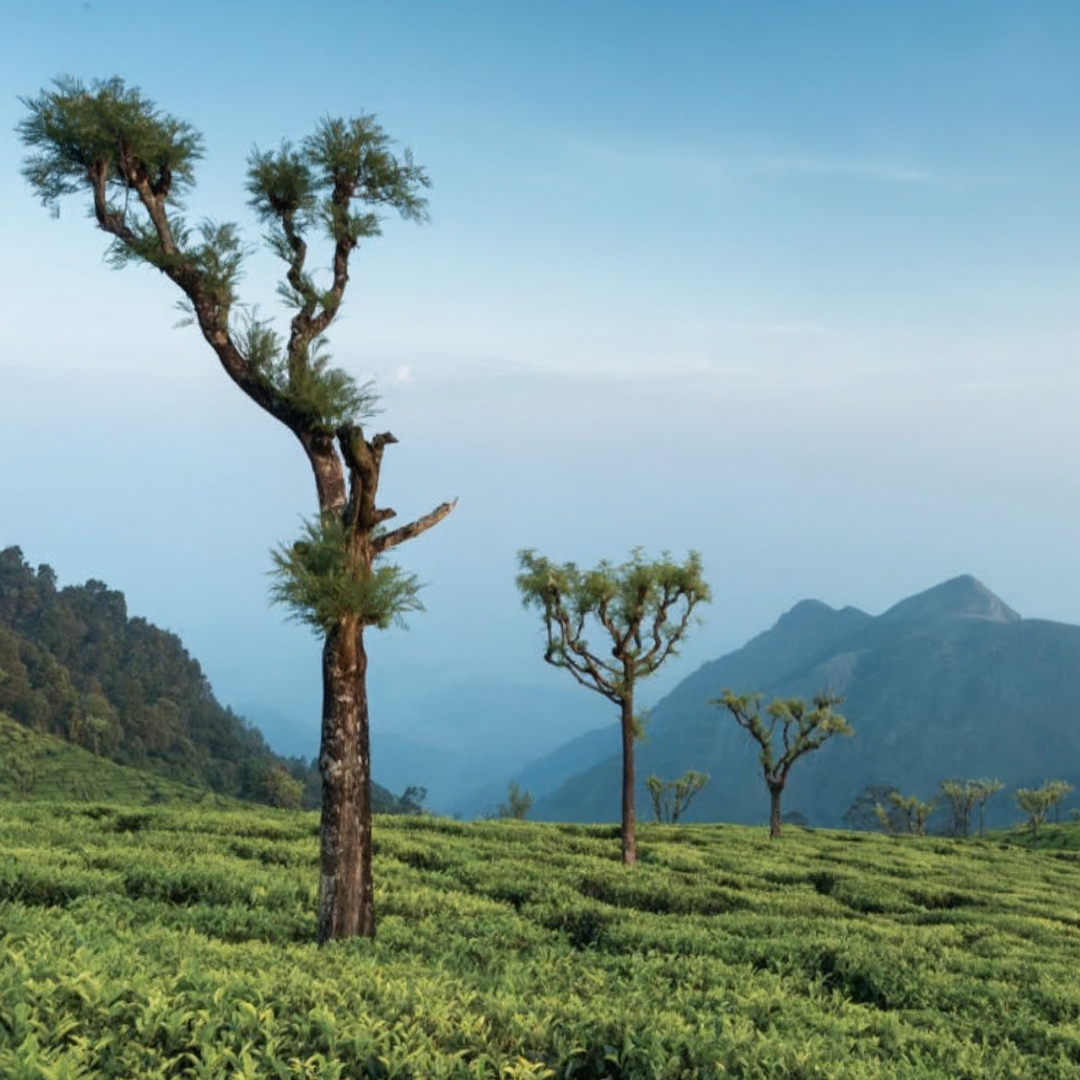
The remote Thiashola Estate is set in a picturesque landscape at elevations of up to 2,100 metres in the renowned Nilgiri Blue Mountains of southern India. These mountains form part of the Western Ghats, a vast mountain range along India’s western edge, encompassing the southern state of Tamil Nadu and some of the country’s most important tea-growing regions. The Nilgiris have been recognised by UNESCO as a biosphere reserve. The surrounding hillsides remain largely untouched, with dense forests and open meadows shaping the natural landscape. The name “Nilgiri” is derived from the endemic Neelakurinji flower (Strobilanthes kunthiana), whose violet-blue blossoms appear only once every twelve years, giving the mountains their name (nil, meaning blue, and giri, meaning mountains). Alongside organic and Demeter-certified cultivation, the United Nilgiri Tea Estates Company places strong emphasis on sustainable practices and fair working conditions for everyone involved, both in the fields and in tea production.

Organic Nilgiri Black Winter Flush

Character

Tasting Notes

The dry leaf reveals a beautifully fruity bouquet, with notes of red grapes, ripe plum and sour cherry coming to the fore. Once infused, a gentle, natural sweetness unfolds. Subtle hints of mossy wood emerge in the background, harmoniously balanced with delicate acidity and a soft malty sweetness. Low in bitterness, the tea leaves a refined, lightly astringent finish. Enjoyed on its own, it is an elegant and effortless star in its own right. Also well suited to a second infusion, and excellent when served cold.

Leaf

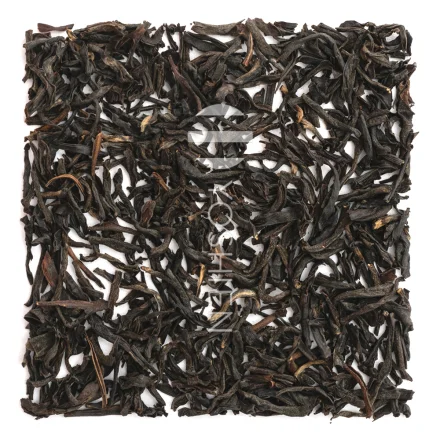
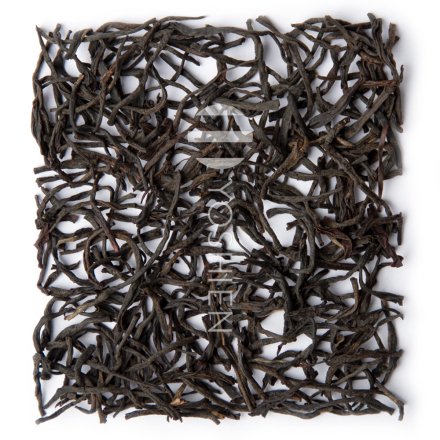
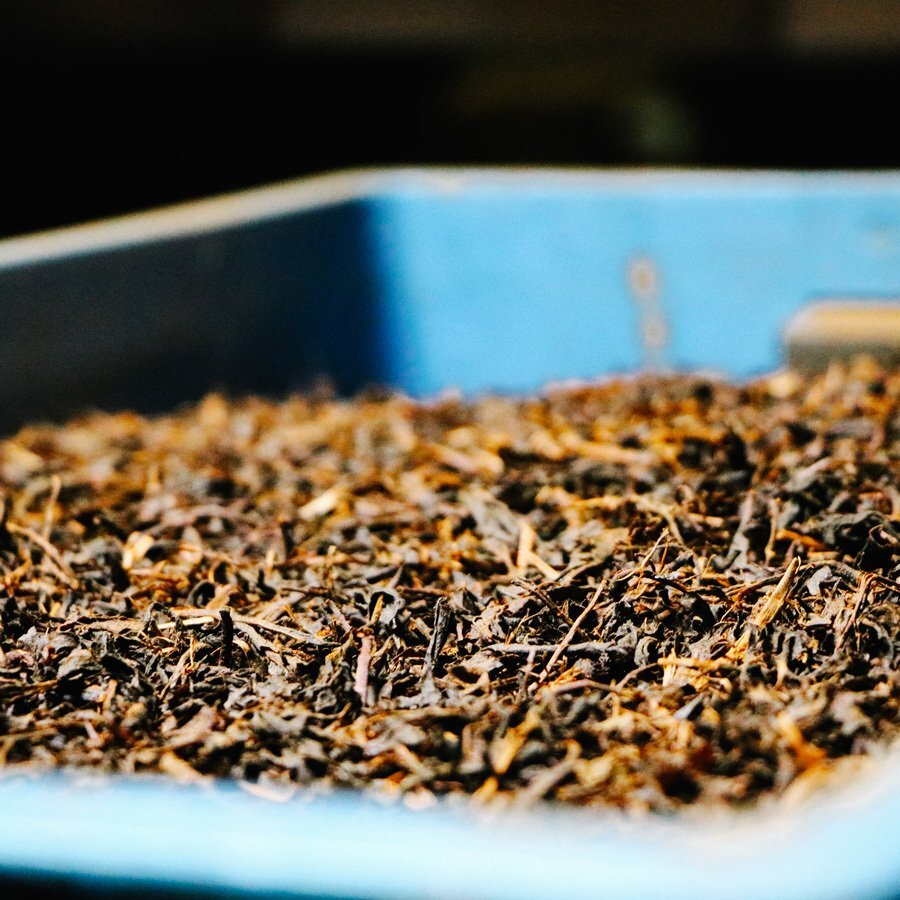
Delicate, slender, autumn-brown leaves with a reddish sheen. When brewed, they produce a magnificent, colourful display of warm autumnal hues.

Cup

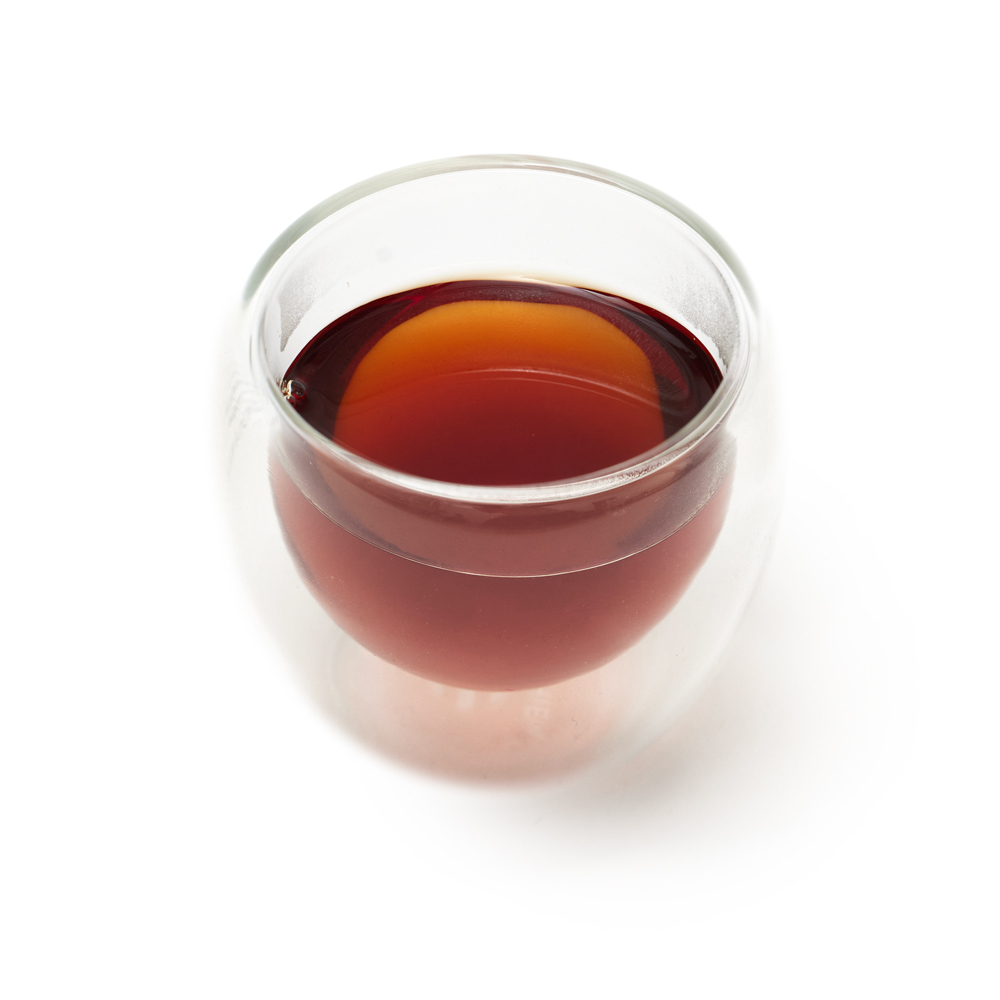
Cinnamon-stick orange

Organic Nilgiri Black Winter Flush

Black Tea

Black tea is the most oxidised form of tea. In contrast to green tea, oxidation is not halted after harvesting and withering by applying heat. Instead, it is intensified through vigorous rolling, which breaks down the leaf cell walls and releases the enzymes essential to the oxidation process. As a result, the leaves transform from green to deep black, developing a particularly full-bodied character and a complex aromatic profile. In the cup, black tea often displays a vibrant orange to red hue, reflected in its Chinese name “Hong Cha”, meaning “red tea”.

Yoshien Labortests

Laboratory Tests

We go to great lengths to identify the finest organic tea farms across the world’s most celebrated terroirs. All our teas are sourced directly from the farmer and, with a few exceptions, are certified organic or come from pesticide-free farms. Each batch of tea for every harvest is tested for pesticides and other pollutants in an independent German lab to ensure they meet our strict quality standards as well as HACCP food safety requirements.

Yoshien

Yoshi en

Premium Organic Teas

Our comprehensive portfolio focuses on organic, single-origin teas sourced directly from renowned farms. We believe in creating partnerships with farmers who share our values and are committed to sustainable, responsible tea cultivation. Thanks to these strong relationships our exciting range is constantly growing and evolving. As an international team of dedicated and passionate tea experts, we are committed to preserving centuries-old tea culture while ensuring it remains relevant and continues to bring joy in the present. About Yoshi en.

Cultivation & Processing

Special features in location, cultivation & processing

The Nilgiri Blue Mountains lie within the Western Ghats, a mountain range in western India that spans the southernmost state of Tamil Nadu and encompasses South India’s major tea-growing regions. The Western Ghats are recognised as one of the world’s most important biodiversity hotspots. In 2012, 39 protected areas within the range were inscribed on the UNESCO World Heritage list, while the Nilgiri Hills themselves are designated as a biosphere reserve.

Above 1,000 metres lies the South Western Ghats Montane Rainforests Ecoregion – the most species-rich in all of India. Around 80% of all flowering plant species found across the Western Ghats occur here; approximately 35% of the plants, 42% of the fish, 48% of the reptiles and 75% of the amphibians are endemic. The surrounding slopes and hills remain largely untouched, with dense forests and open grasslands shaping a striking natural landscape. With at least 24 peaks rising above 2,000 metres, the Nilgiri Mountains enjoy a noticeably cooler climate than the tropical lowlands of southern India. Annual rainfall averages 1,845 mm, falling predominantly during the summer monsoon. Located just north of the equator and influenced by both the south-west and north-east monsoons, the Nilgiris benefit from conditions that allow tea leaves to be plucked throughout the year.

United Nilgiri Tea Estates Company places particular emphasis on organic and Demeter-certified cultivation. To enhance soil fertility, the tea estate relies extensively on natural fertilisers such as compost and vermiwash, a highly nutrient-rich liquid derived from worm compost (vermicompost; from the Latin vermis, meaning worm). This deep black, fertile substrate is created through the breakdown and transformation of organic matter and is rich in essential nutrients including nitrogen (N), phosphorus (P) and potassium (K). Many tea growers use prunings from shade trees alongside animal manure as feedstock for vermicomposting. The resulting compost is a sustainable, nutrient-dense fertiliser that aerates the soil, improves drainage, and draws organic matter into the worms’ burrows, where it decomposes more rapidly and enriches the soil further. It is a compelling example of a local circular system in practice, supporting both the health of the tea plants and the exceptional quality of the harvest. The estate also maintains a strong commitment to sustainable and fair working conditions for all employees, both in the fields and in production.

The winter flush of the Assamica cultivar, grown in the south-western tea gardens, is hand-picked at 8 a.m. and processed using the traditional orthodox method.

Organic Certification

Organic Certification

PL-EKO-01
Nicht-EU-Landwirtschaft

100% pure

Preparation

Preparation

5 grams per 100–300ml water, 85°C, steep for 2–3 minutes. Suitable for multiple infusions.

Packaging

Packed in a particularly high-quality, airtight flavour-protecting pouch with a zip closure and stand-up base. Thanks to a special nine-layer coating, the tea is optimally protected from oxidation and external contaminants.

Recommended Teapot

For an especially aromatic and traditional preparation of tea from India, an elegant glass teapot is recommended. A classic porcelain teapot is also an excellent option.

Recommended Tea Caddy

We recommend an elegant, airtight tea caddy covered with traditional Japanese washi paper.

Our recommendations

Loading...
The image could not be loaded.