



Special features in location, cultivation & processing
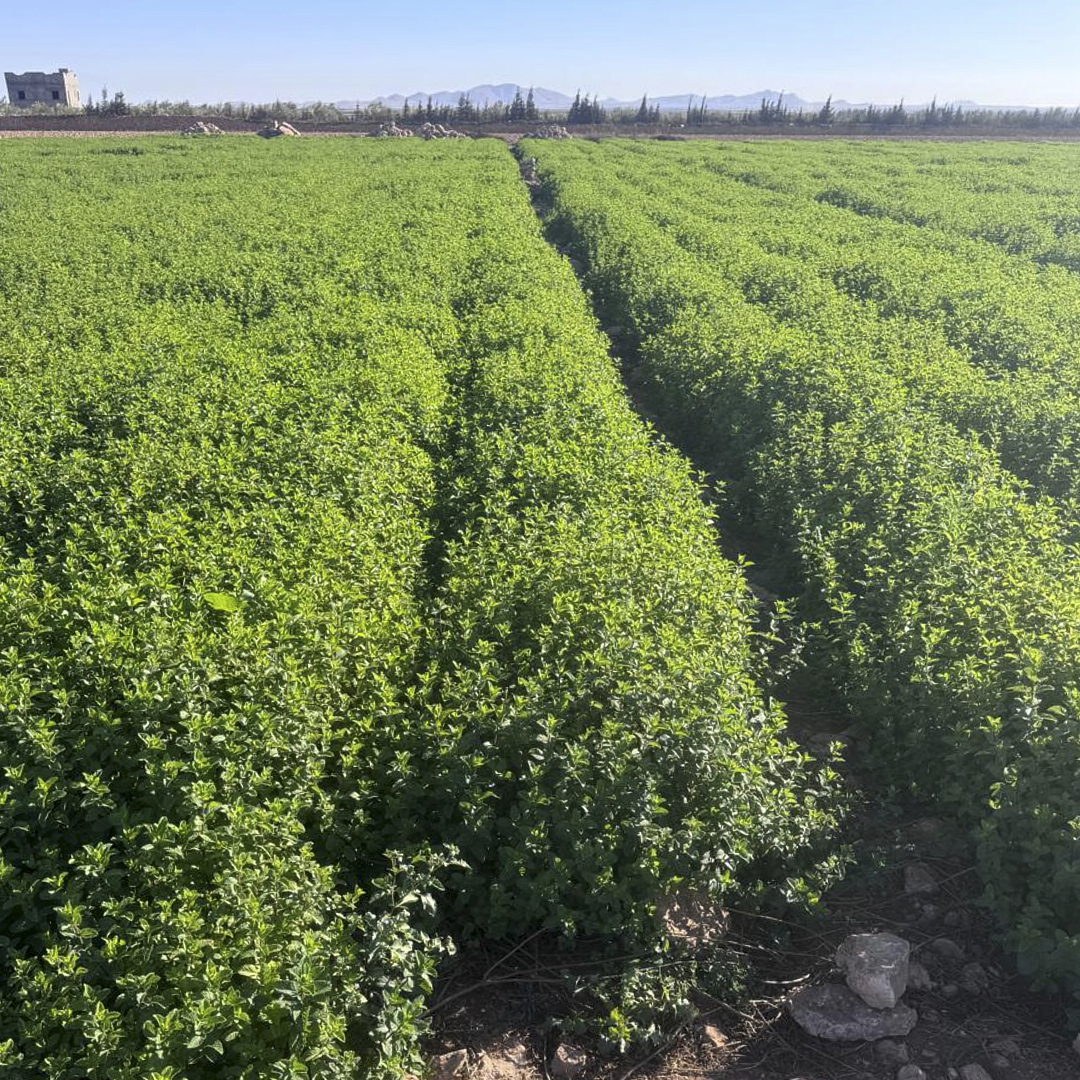
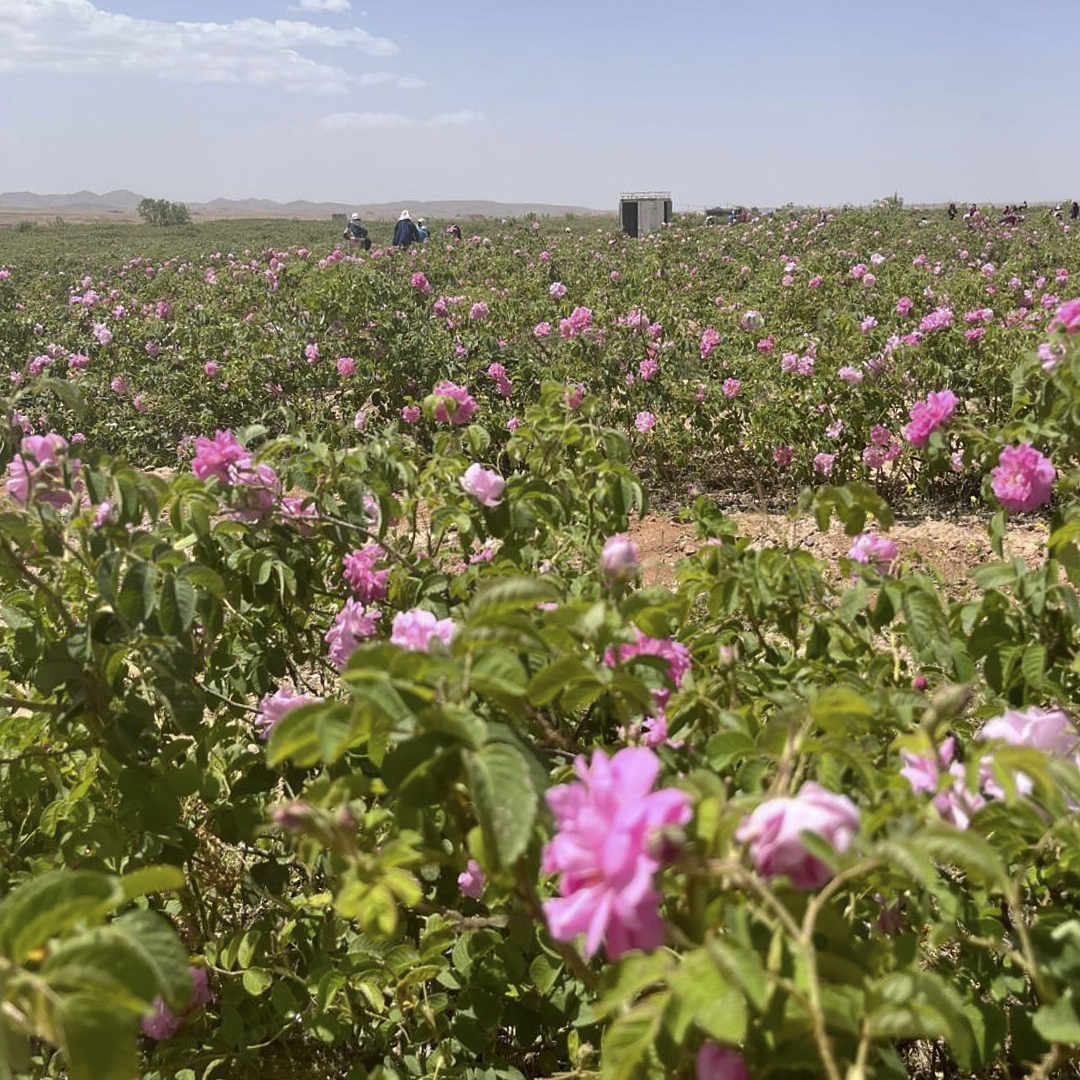
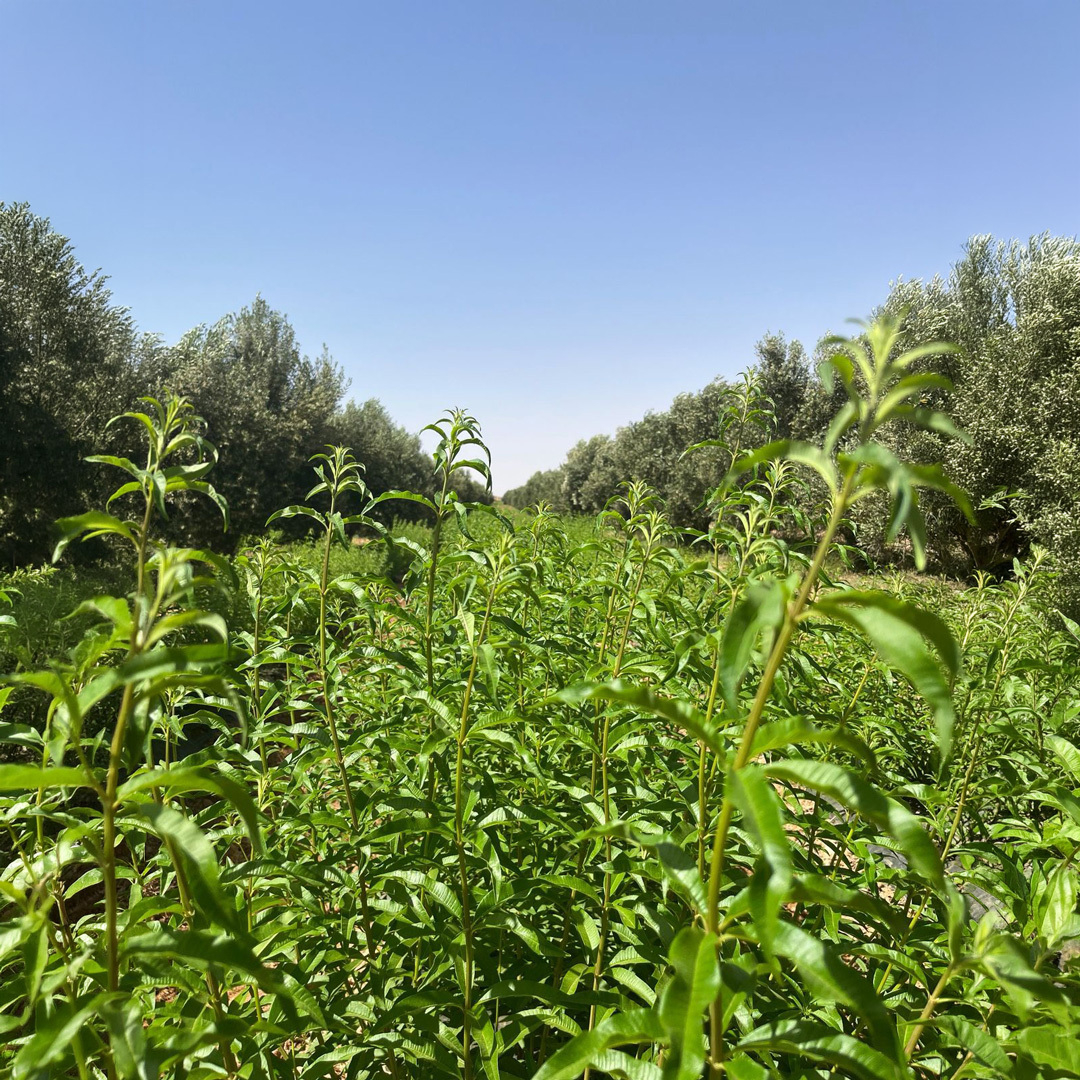
Nestled in the heart of the Marrakesh–Safi region on the fertile Haouz plain lies the legendary “Red City” of Marrakesh. It is framed by the snow-capped High Atlas Mountains and crowned by Jebel Toubkal, North Africa’s highest peak (4,167 metres), which takes its name from the Berber Tugg Akal, often translated as “the one that looks down upon the earth”. For centuries, this region has been one of Morocco’s most treasured agricultural landscapes, renowned for its olives, fruits, and aromatic herbs nourished by mountain waters.
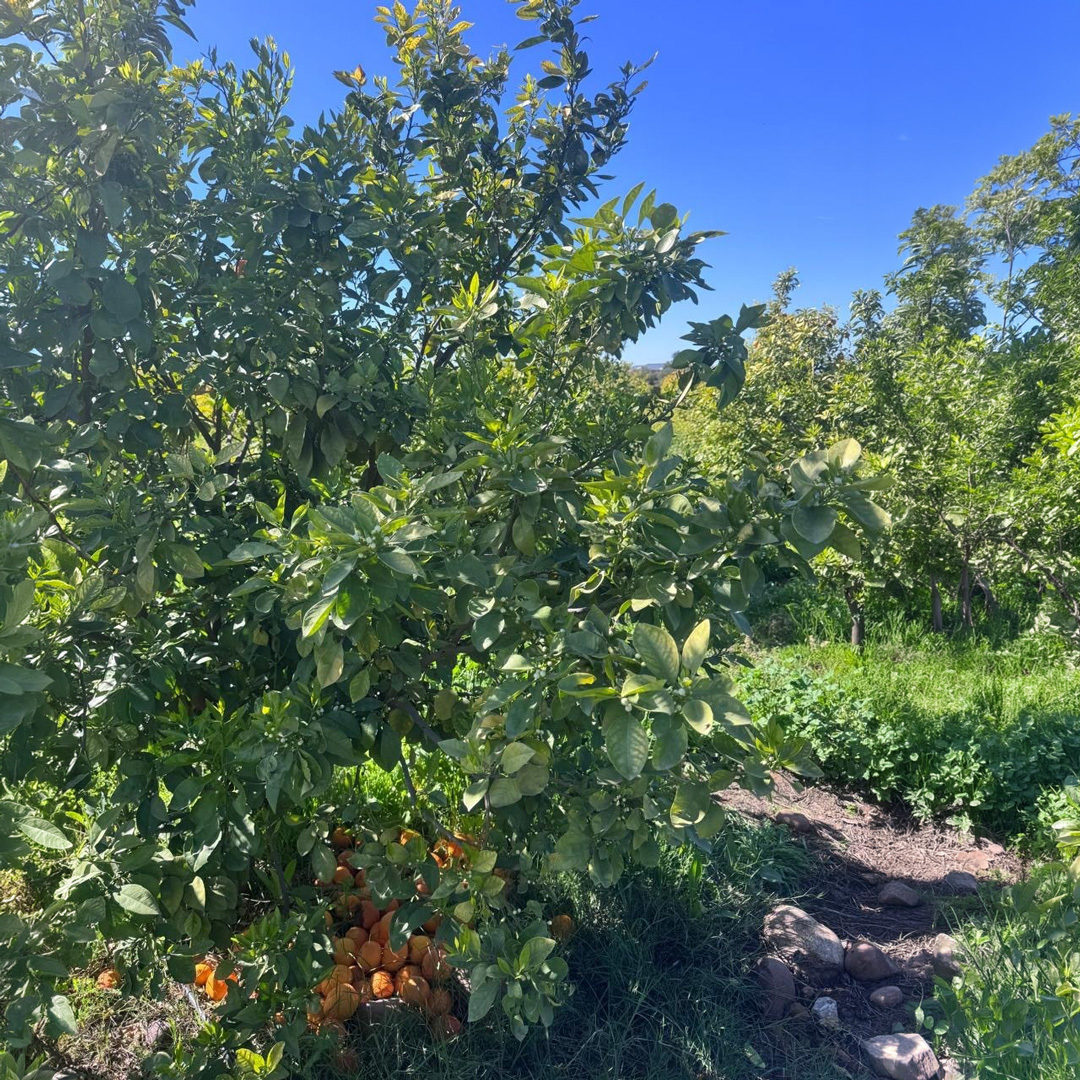
Marrakesh and the surrounding region are famed for the cultivation of the bitter orange tree, an enduring symbol of the city’s identity that lines its streets and fills its courtyards. Introduced as early as the 12th century, the tree has become deeply woven into the history and cultural heritage of Marrakesh. Each spring, its fragrant blossoms signal the arrival of Zahria, an ancestral tradition dedicated to the distillation of orange blossom water. Preserved and passed down through generations of women, this ritual brings together perfumery, family gatherings, and centuries-old craftsmanship. Today, it is recognised as a valuable element of Moroccan cultural heritage and is supported by national preservation efforts.
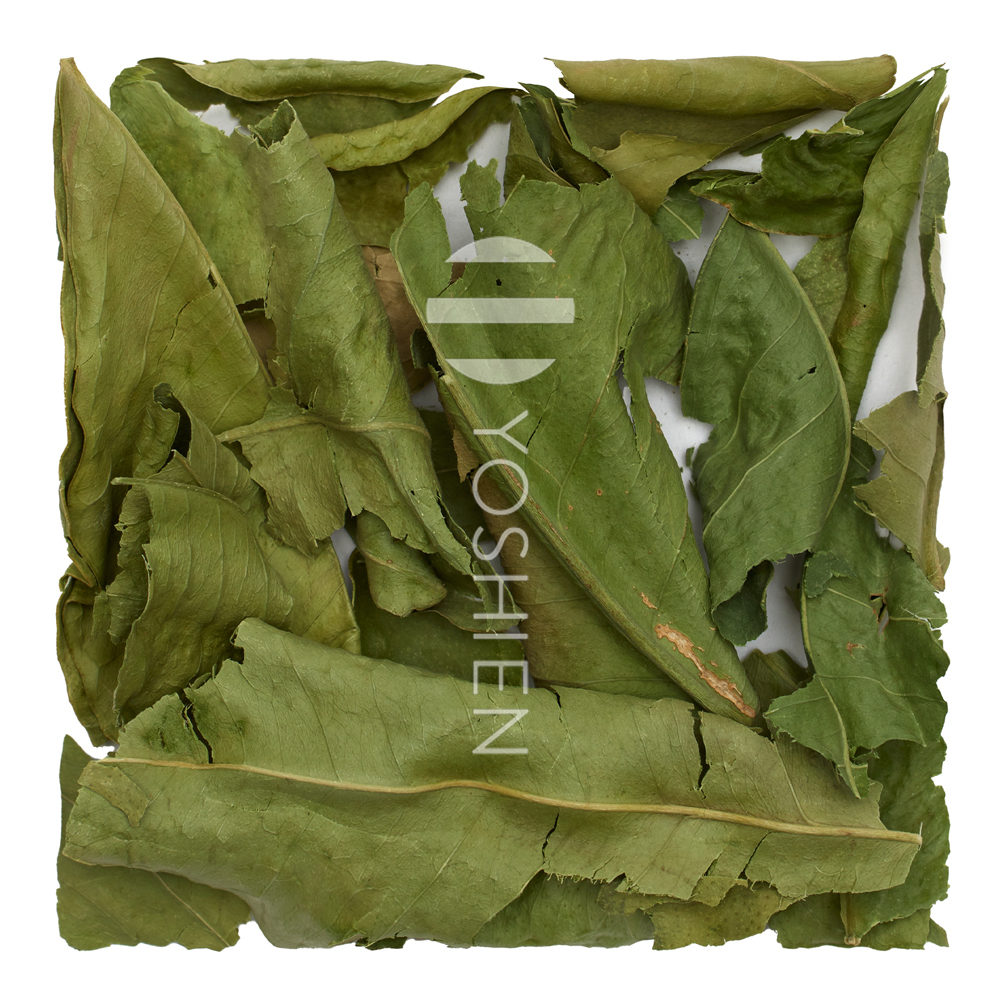
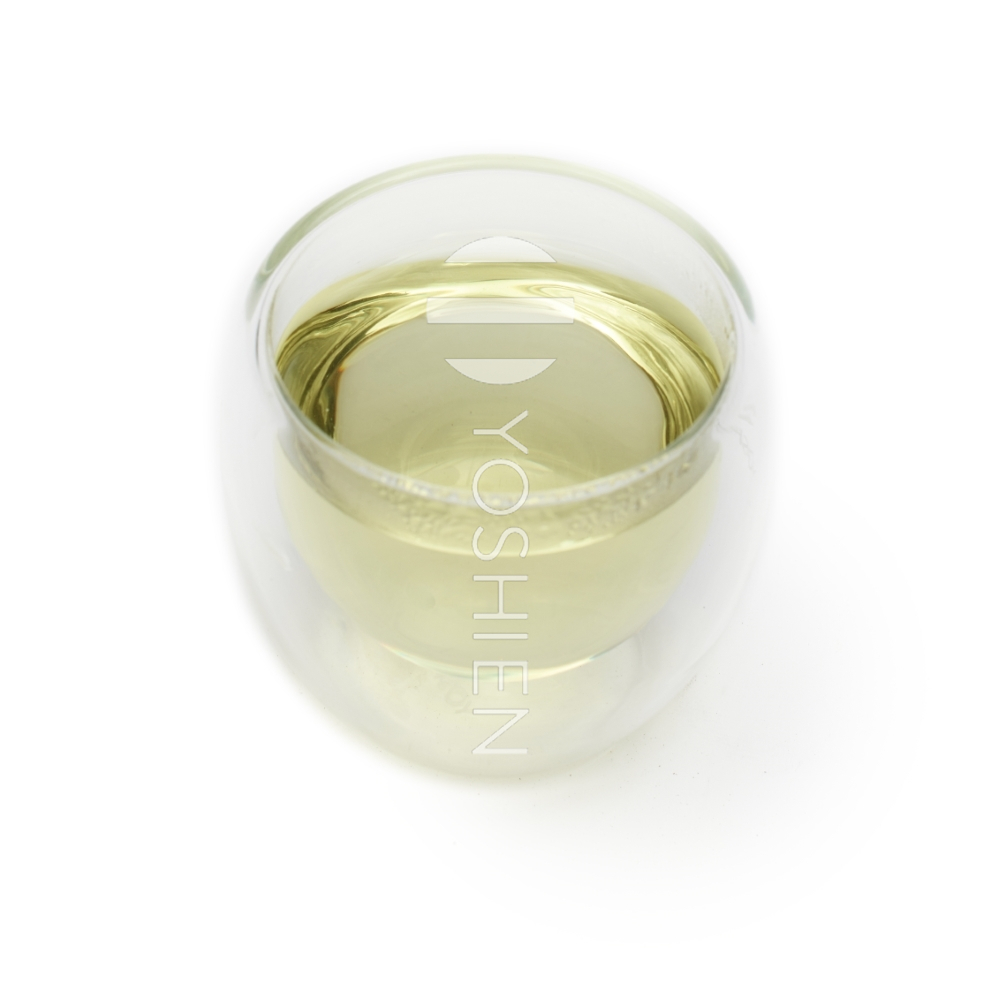
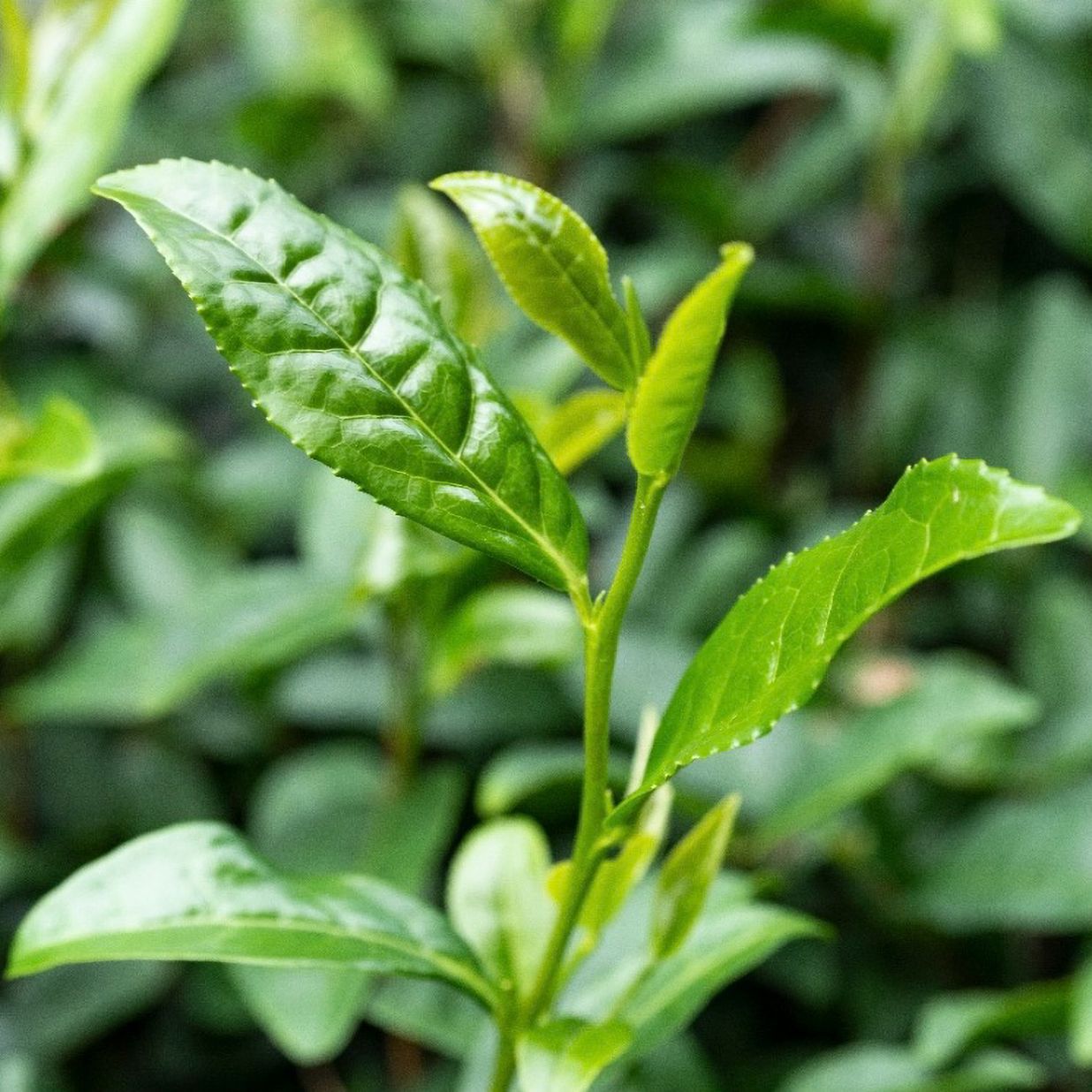
The bitter orange tree is remarkably versatile. Its blossoms yield the prized orange blossom water and Neroli essence, its fruits are transformed into preserves, and its leaves are traditionally enjoyed as calming herbal infusions or incorporated into cosmetics.
An emblem of Marrakesh, the cultivation of the bitter orange tree relies on ancestral expertise perfectly adapted to the local environment. More resilient than the sweet orange tree, it thrives in the limestone soils and contrasting temperatures of the Haouz plain. Grown according to strict organic farming standards and entirely free from pesticides, the trees are irrigated through carefully managed wells and drip systems. This sustainable approach combines tradition with environmental responsibility, helping to address the challenges of drought and climate change. Every stage of cultivation and harvesting is carried out by hand to preserve the leaves’ delicate aromatic qualities, resulting in bitter orange leaves of exceptional purity.