Matcha Tea
Nōami Organic

Ceremonial Grade 97 P.

SKU
0299-bio
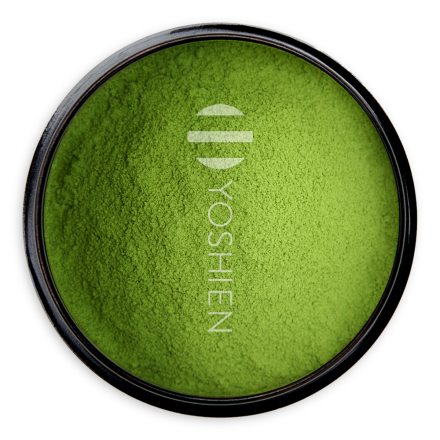
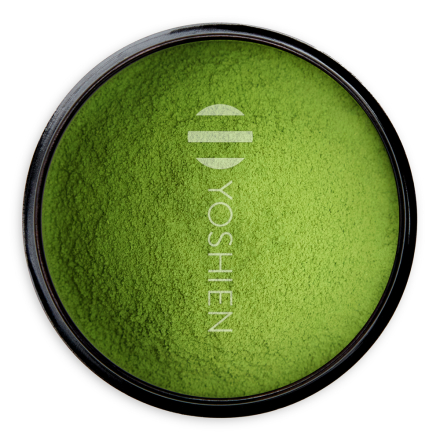
Ceremonial grade organic matcha crafted by a leading matcha producer in Kirishima. An expertly balanced blend with an elegant balance of warm grassy notes, and a full, velvety foam, with hardly any bitterness.
Character Well-balanced blend with minimal bitterness, warm grassy notes, and a light, airy foam; rounded, harmonious flavour even without foaming
Tea Farm One of the leading matcha producers from Kirishima in Kagoshima
Terroir Kirishima, Kagoshima Prefecture, Japan
Harvest 1st harvest (Ichibancha), May 2025
Cultivar Blend
Grinding Own granite stone mill, particle size 4 μm
Elevation Approx. 200m above sea level
Steaming Normal (Chūmushi, 20-30 seconds)
Shading Full shading, approx. 20 days, Jikagise
Cultivation Organic certified cultivation
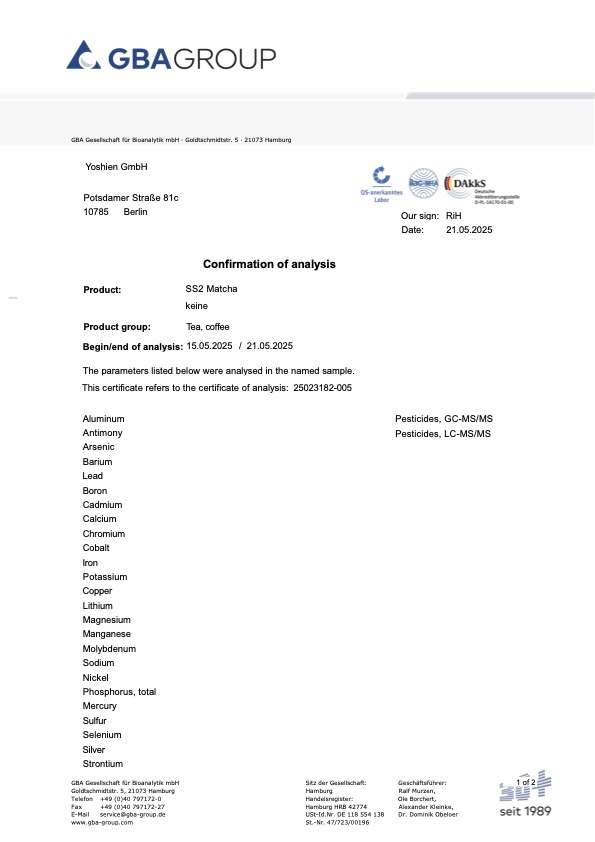

Laboratory Tests Radioactivity (annual testing of the region), pesticides, heavy metals and aluminium
Grade 97/100 P. (Matcha category); Ceremonial Grade
€34.90
30g

Delivery : up to 5 business days

Incl. VAT, excl. shipping

SKU
0299-bio
€1,163.33 / 1kg
In stock
Matcha Tea Nōami Organic

Character

Tasting Notes

A matcha with distinctly clear grassy notes that feel both refreshing and powerful, accompanied by a subtle bitterness reminiscent of raw nuts. When prepared traditionally and enjoyed pure, this matcha stands out above all for its intensely energising effect and its light, airy foam. For a milder tasting experience, it is recommended to whisk little to no foam – this brings out an even gentler, lighter character, allowing the bitterness to recede almost entirely into the background. The focus then shifts to a warm, soft grassy note. When prepared as a matcha latte, our organic Matcha Nōami lends the drink pleasantly mild and refreshing nuances without becoming overpowering.

Texture

Straightforward with a light, airy foam

Cup

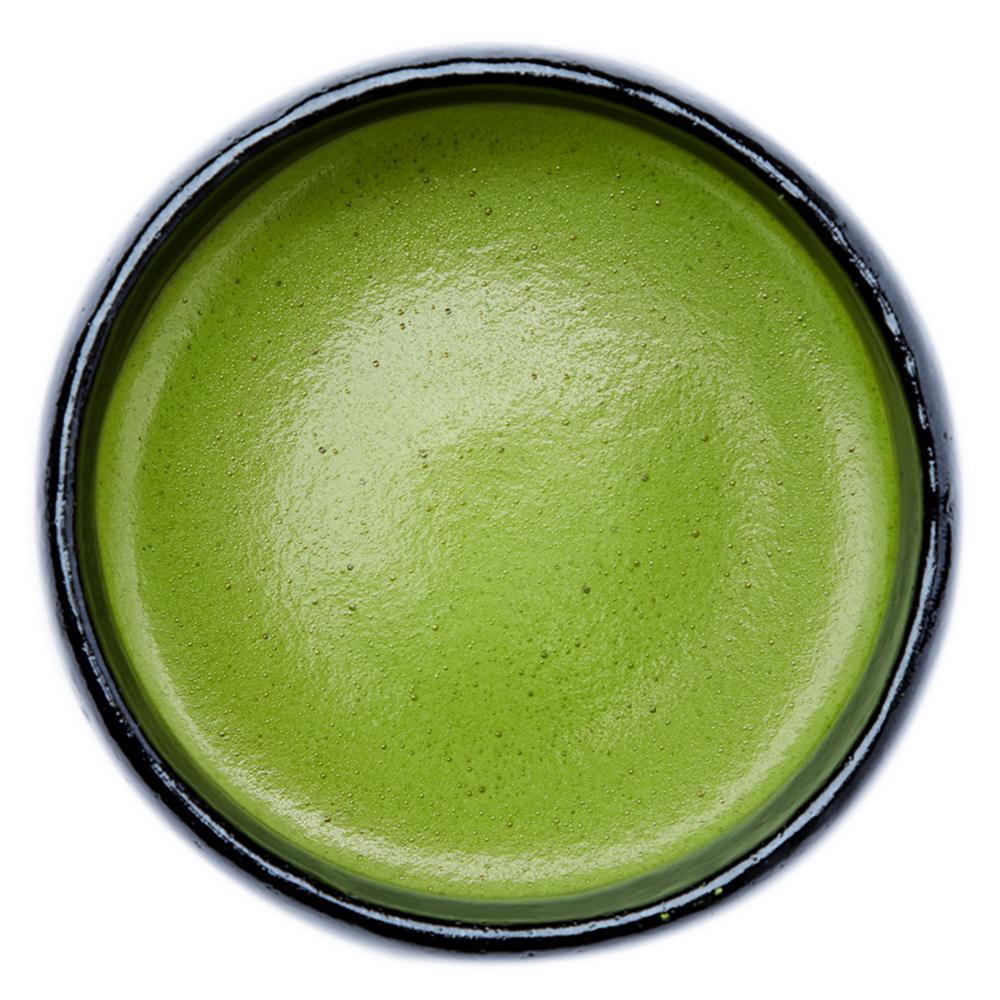
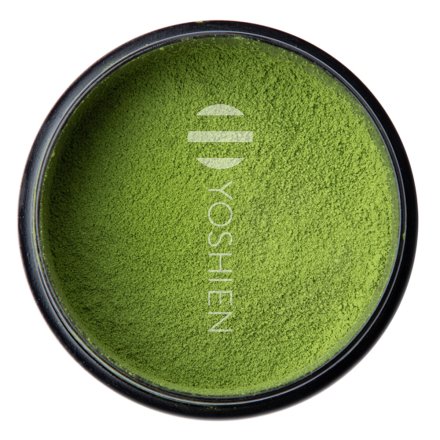
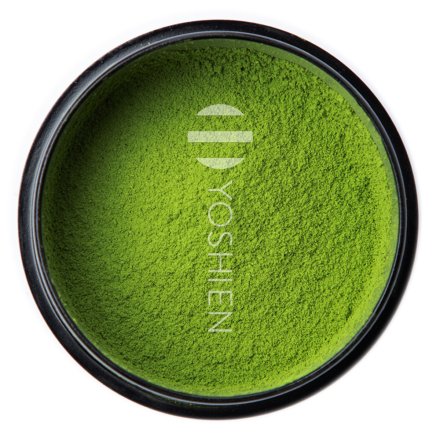
Soft, juicy green, slightly dark

Matcha Tea Nōami Organic

Matcha Tea

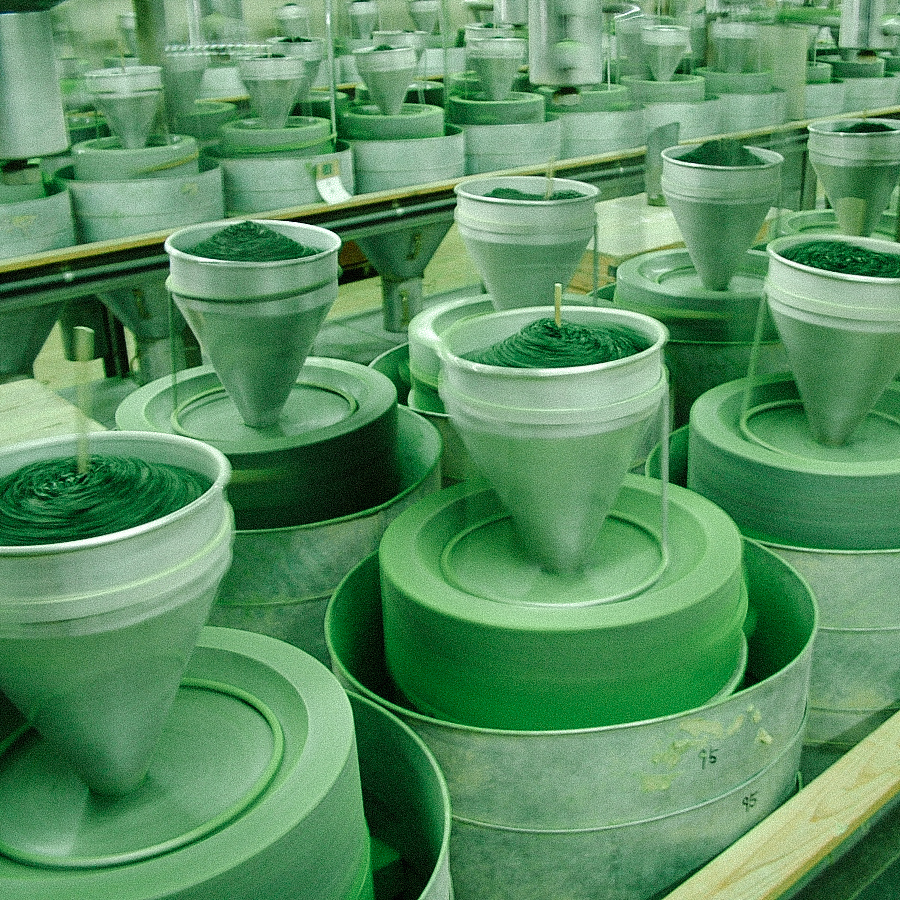
Matcha, alongside Gyokuro, is considered one of the finest of Japanese green teas. Unlike other teas, matcha is produced from shaded leaves that have been milled to a fine powder. The resulting tea contains the whole tea leaf and all its nutrients, not just water-soluble compounds. The production of matcha is time-consuming and demanding: the highest grades are gently ground in granite stone mills which can only produce a few grammes per hour due to the slow pace. Quality matcha has an intensely sweet and umami flavour that even in high concentrations (such as in the dark Koicha tea) is only minimally or not at all bitter.

Yoshien Labortests

Laboratory Tests

We go to great lengths to identify the finest organic tea farms across the world’s most celebrated terroirs. All our teas are sourced directly from the farmer and, with a few exceptions, are certified organic or come from pesticide-free farms. Each batch of tea for every harvest is tested for pesticides and other pollutants in an independent German lab to ensure they meet our strict quality standards as well as HACCP food safety requirements.

Yoshien

Yoshi En

Premium Organic Teas

Our comprehensive portfolio focuses on organic, single-origin teas sourced directly from renowned farms. We believe in creating partnerships with farmers who share our values and are committed to sustainable, responsible tea cultivation. Thanks to these strong relationships our exciting range is constantly growing and evolving. As an international team of dedicated and passionate tea experts, we are committed to preserving centuries-old tea culture while ensuring it remains relevant and continues to bring joy in the present. About Yoshi En.

Cultivation & Processing

Special features in location, cultivation & processing

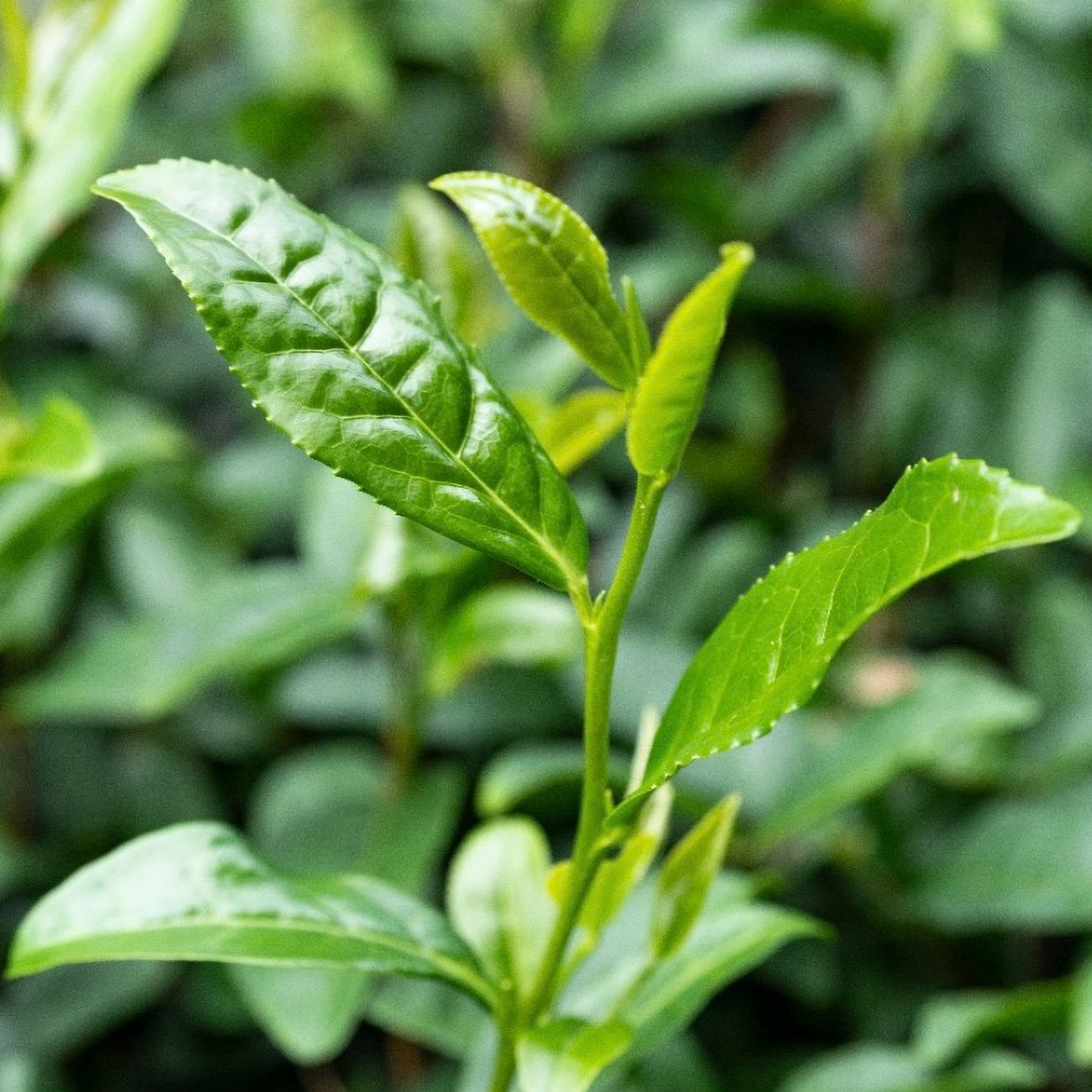
Kagoshima is known for its humid, subtropical climate and a landscape profoundly shaped by volcanic activity. The soils, enriched with volcanic ash, are exceptionally mineral-rich. Combined with the region’s strong sunlight, this makes Kagoshima an extremely fertile area.

Organic Certification

Organic Certification

PL-EKO-01
Nicht-EU-Landwirtschaft

Preparation

Brewing Guide

Using a Chashaku, place two scoops (approx. one teaspoon) in a matcha bowl of your choice. Then pour approximately 80ml of hot water between 60°C and 80°C into the bowl, without pouring directly onto the powder to avoid clumping. For the next step, a matcha whisk is undoubtedly the best choice for achieving the iconic matcha foam.

The key to the perfect matcha is in the motion. Circular movements and a typical whisking motion should be avoided, as little-to-no foam will form. Hold the matcha whisk at an angle of around 90° in the bowl, allowing it to gently scrape the base without pressing against it. Now move it straight up and down from the wrist while moving your arm to the left and right, creating a ‘’W‘’ or ‘’M‘’ movement. The faster you perform this movement, the easier it is to create a wonderfully fluffy foam. Practice makes perfect – enjoy!

Recommended Matcha Bowl

For the proper preparation and optimal flavour development, we recommend using an authentic Japanese matcha bowl.

Recommended Accessories

For the ideal texture, flavour and preservation of matcha's delicate qualities, we recommend using a fine mesh strainer and a high-quality bamboo matcha whisk. For dispensing and dosing, the ideal utensil is an authentic Chashaku made of bamboo.

Storage and Packaging

Our matcha is packaged in a protective bag and stored within a high-quality tin with a screw lid, which is coated on the inside with BPA-free plastic. Before opening, the matcha can be stored in the original packaging in the refrigerator or at room temperature.

After opening, we recommend keeping the matcha tightly closed and at room temperature to protect it from moisture, odour, light and oxidation. During the summer, opened matcha can be stored in the refrigerator to maintain its freshness, although it should only be taken out briefly to prevent excessive moisture absorption or exposure to unwanted odours. For optimum quality, use the matcha within a few weeks if possible. For longer-term storage, we recommend storing matcha in an opaque, airtight container such as one of our matcha tea caddies and store at room temperature.


Our recommendations

Loading...
The image could not be loaded.