



Special features in location, cultivation & processing
Li Shan Tea Mountain
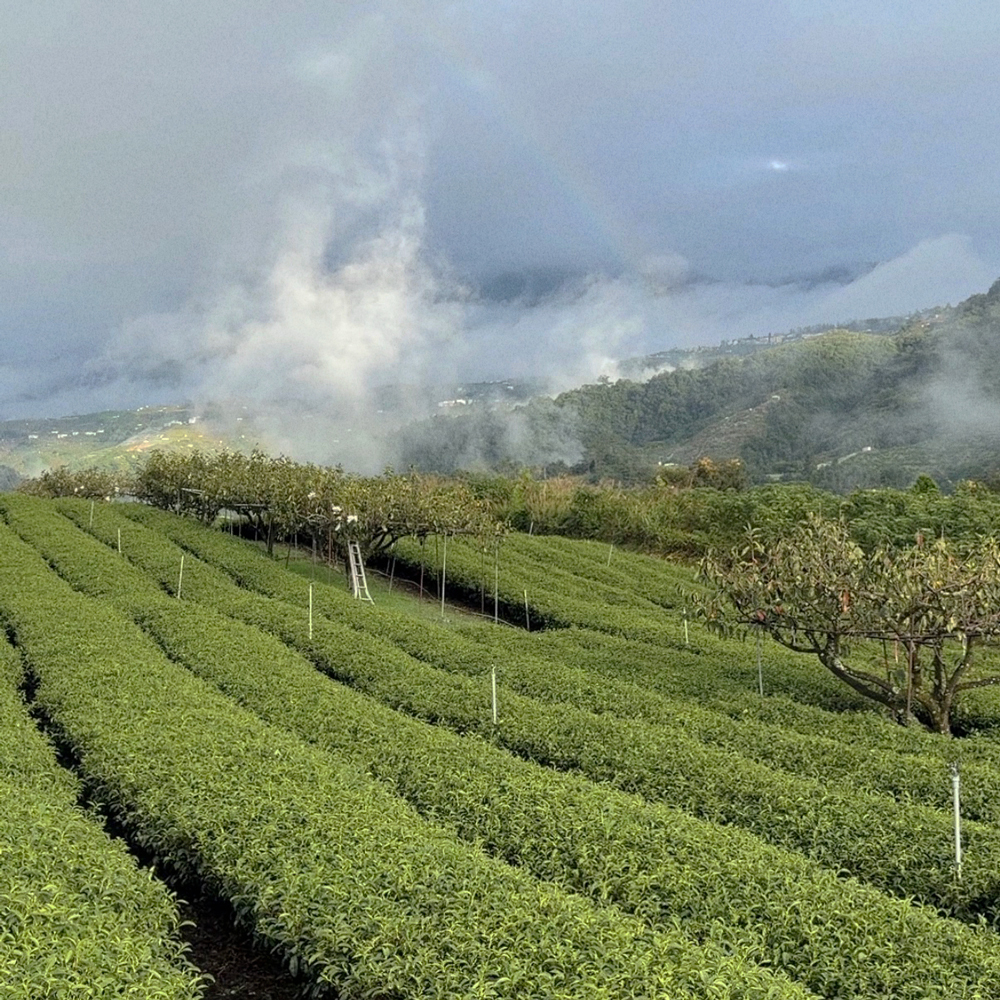
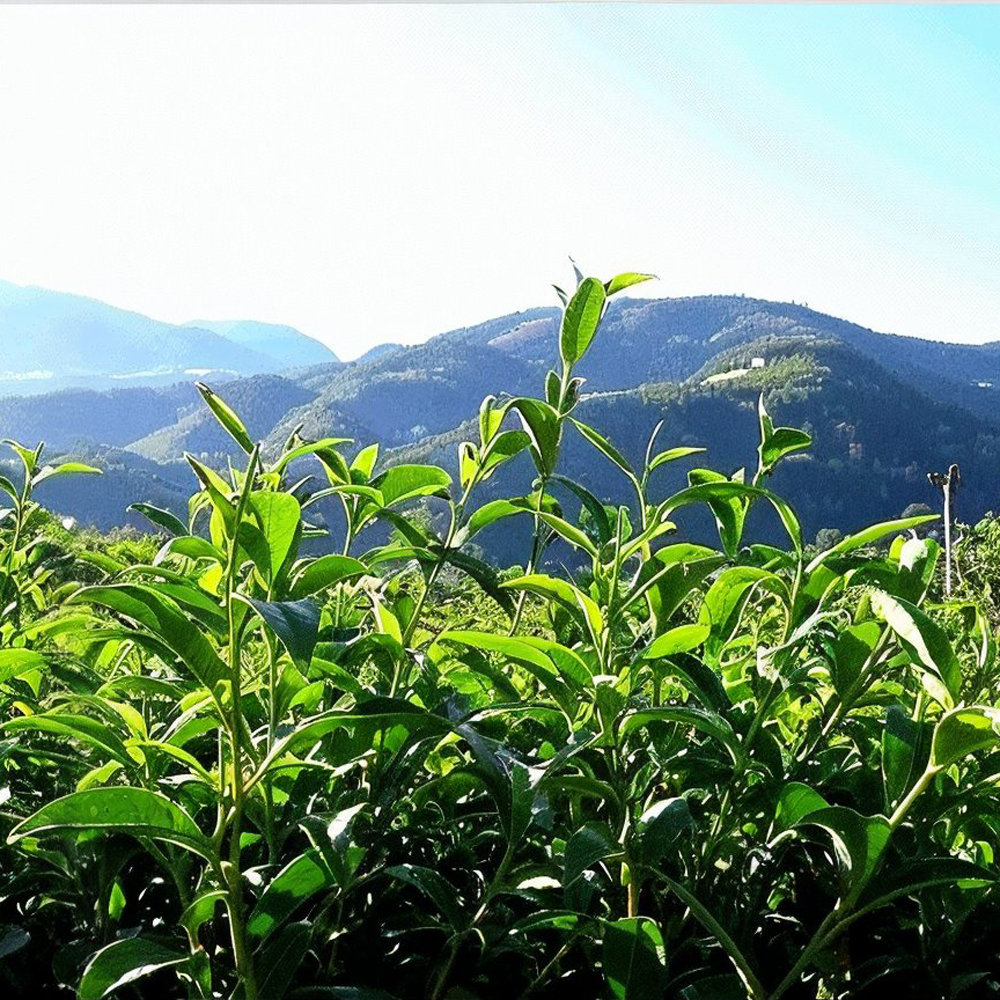
Taiwan’s Li Shan (“Pear Mountain”), with its alpine terroir, is not only one of the island’s most celebrated tea-growing regions, but also captivates with its diverse and striking landscape. The changing seasons adorn Li Shan with colourful wildflower meadows in spring, deep snowfall in winter, and expansive plantations of iconic high-altitude fruits – including apples and the eponymous pears – in summer.
In fact, many of the tea gardens are situated on the nutrient-rich soils of former pear orchards, which once covered the slopes and have largely been replaced by tea plantations over recent decades. The high-altitude climate, marked by significant temperature fluctuations and relatively cool, humid air, encourages slow plant growth and contributes to the exceptional softness of the leaves – both key factors behind the prized fruity-floral character of Li Shan tea.
Cultivation Philosophy of the Tea Farm
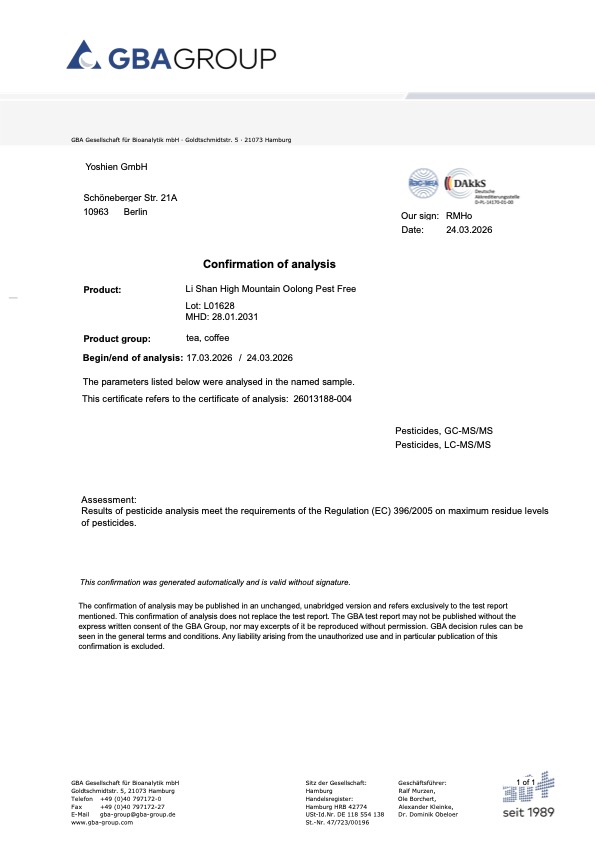
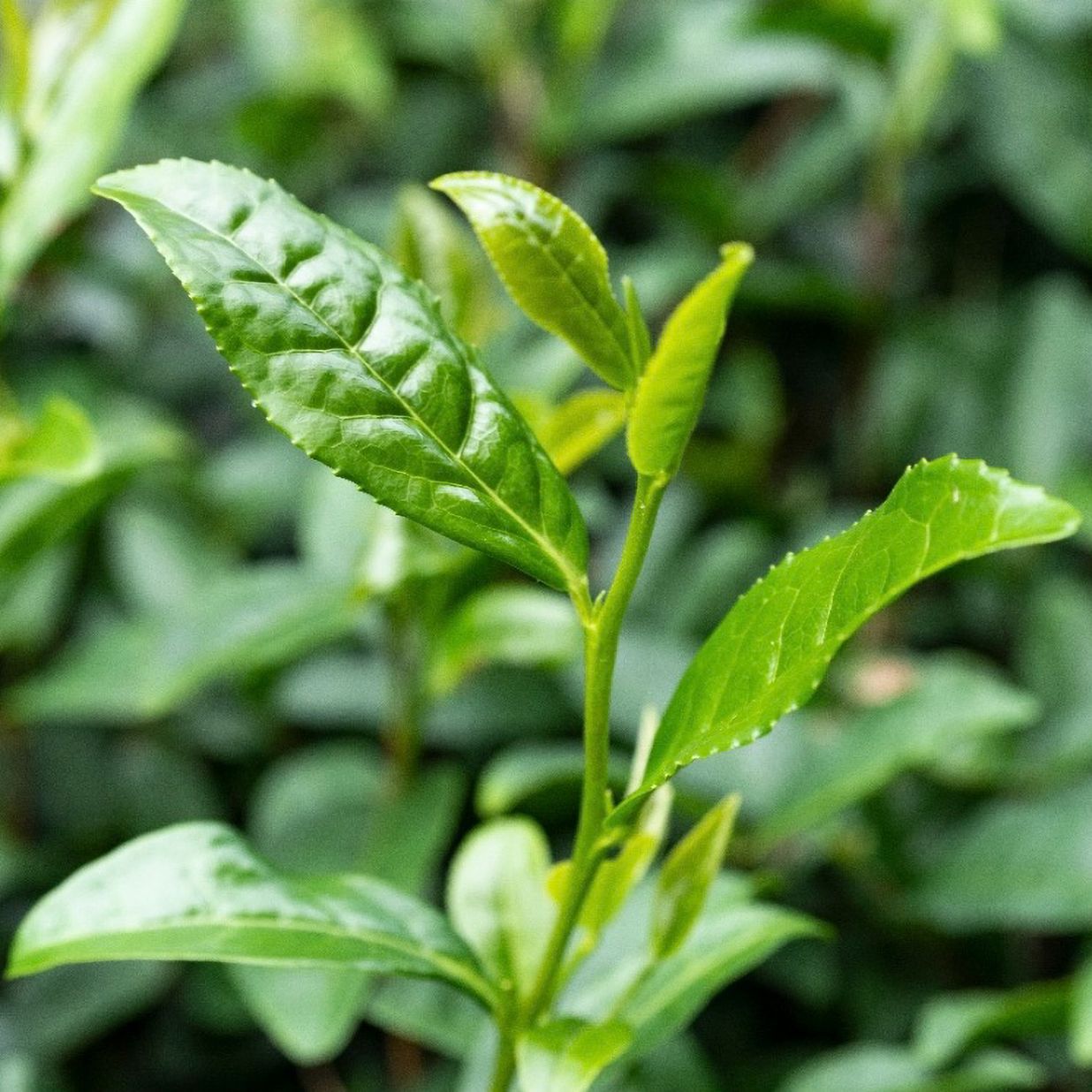
The farm’s unique history and cultivation philosophy are closely tied to its founder. In 1995, driven by his deep connection to nature, tea farmer Mr Chang made a conscious decision to commit entirely to pesticide-free tea cultivation. Guided by the wish to preserve a pristine, healthy landscape for future generations, he deliberately refrained from using chemical pesticides and artificial fertilisers. Instead, the tea plants are nourished exclusively with plant-based nutrients, maintaining the soil’s natural fertility and ensuring the purity of the tea.
The path has not always been easy: the threat of pests, shifting climatic conditions, and the inherent challenges of ecological cultivation demanded patience and perseverance. Yet Mr Chang remained steadfast in his original vision. Over the years, he has continuously refined both his cultivation and processing methods, devoting great care and attention to every stage of tea production.
Processing
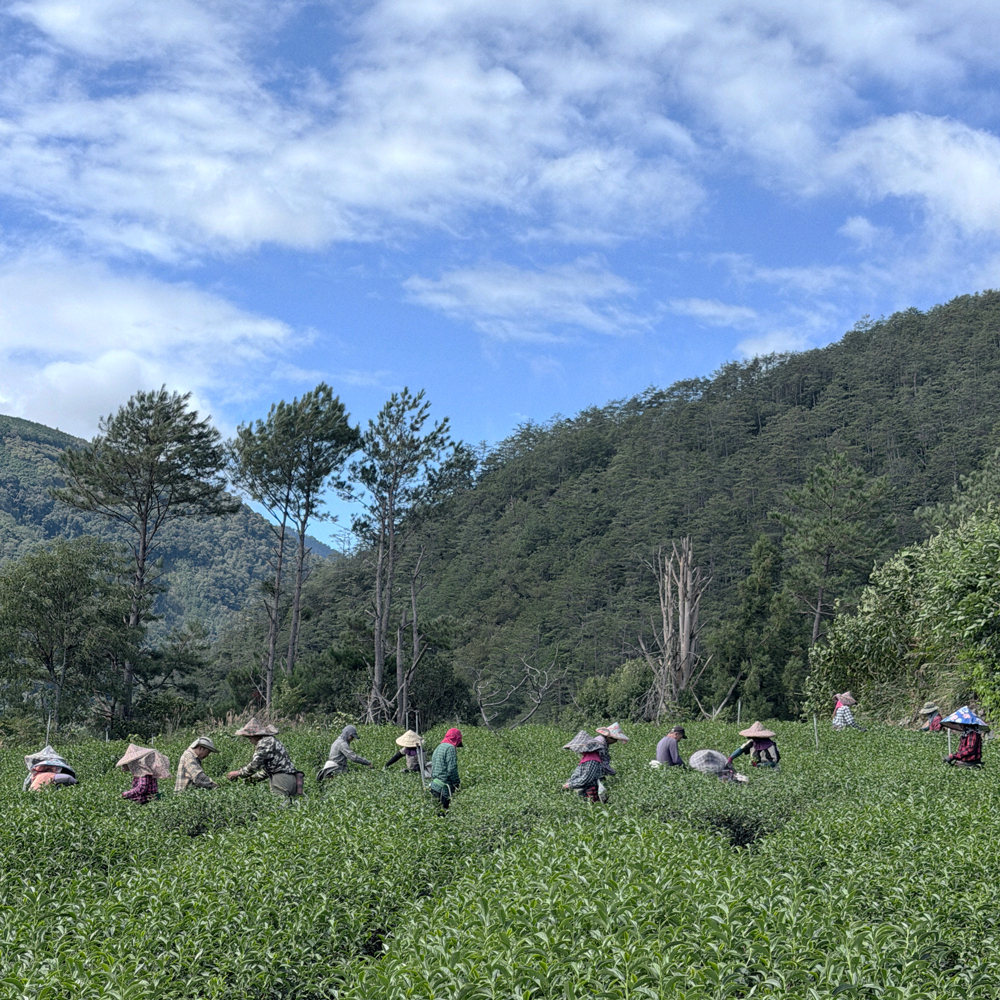
The tea leaves are carefully hand-picked in mid-May and then selected for further processing. Production begins with a withering stage of around one and a half hours, during which the freshly plucked leaves are laid out under open skies in favourable weather conditions. During this time, the moisture content of the leaves is reduced, while a very light initial oxidation begins. To slow and evenly control this process, the leaves are gently turned one to three times throughout this phase.
This is followed by several hours of indoor withering. The leaves are moved out of direct sunlight and brought indoors, where they are first spread out broadly and later gathered into slightly denser layers. To encourage evaporation and fermentation, the leaves are repeatedly agitated during this stage. This movement creates fine ruptures, particularly along the leaf edges, allowing cell sap to be released. Enzymes such as polyphenol oxidases come into contact with compounds like polyphenols and oxygen. Components that were previously separated within the cells begin to interact, allowing oxidation and fermentation to slowly occur.
Next comes the important processing step known as “Big Waves Stirring”. Through vigorous movement of the leaves (partly mechanical, partly by hand), the plant cells are further broken down. This process actively promotes oxidation and contributes to the development of the tea’s characteristic aromas. The leaves are then left to oxidise openly for around three to four hours.
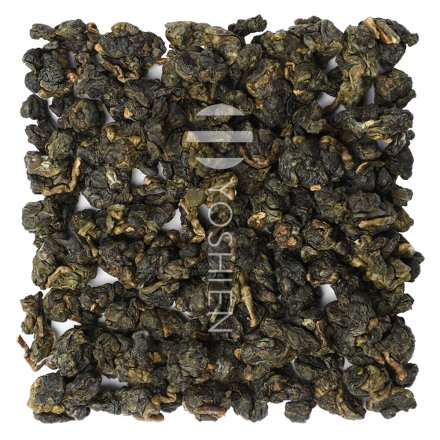
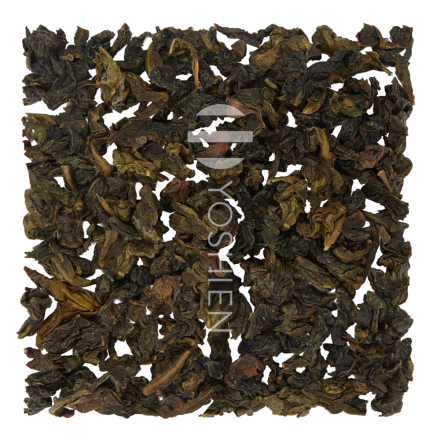
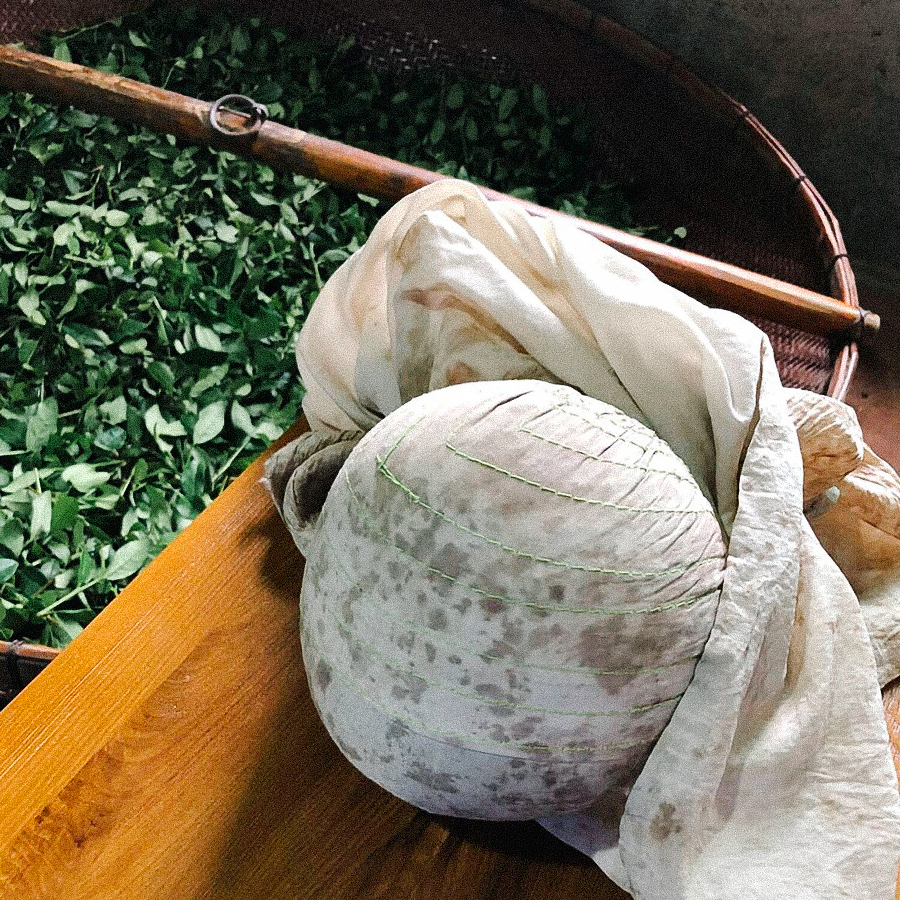
To halt this process, the leaves are subsequently heated in an oven for approximately eight minutes. This step, also known as “kill-green”, takes place at around 78 °C and completely stops both oxidation and fermentation. It is followed by ball cloth rolling, in which the leaves are pressed, rolled, and shaped into their characteristic spherical form within a cloth bag using a specialised machine. The bag is secured in a clamp and moved across a rotating base plate, allowing shaping and initial drying to occur simultaneously.
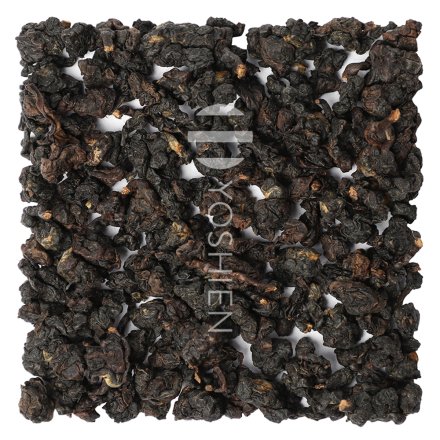
In the next stage, the tea is dried in an oven at temperatures below 80 °C until the residual moisture content falls below three percent. This drying process, combined with repeated ball cloth rolling, is carried out over approximately ten hours to stabilise the leaf shape and ensure even drying. Finally, depending on the desired flavour profile, the tea is roasted in an oven at temperatures between approximately 85 °C and 120 °C. This final step imparts the tea’s ultimate aromatic depth and its characteristic level of roast.
Single Origin
This tea comes exclusively from the above-mentioned tea fields on Li Shan Mountain. Sourced directly from the tea farmer.