DISCOVER NOW:  GC1® MATCHA PREMIUM STICKS  | ULTRA-HIGH CATECHIN & L-THEANINE

Kyusu Tokoname
Houkin

Hokujo

SKU
0426
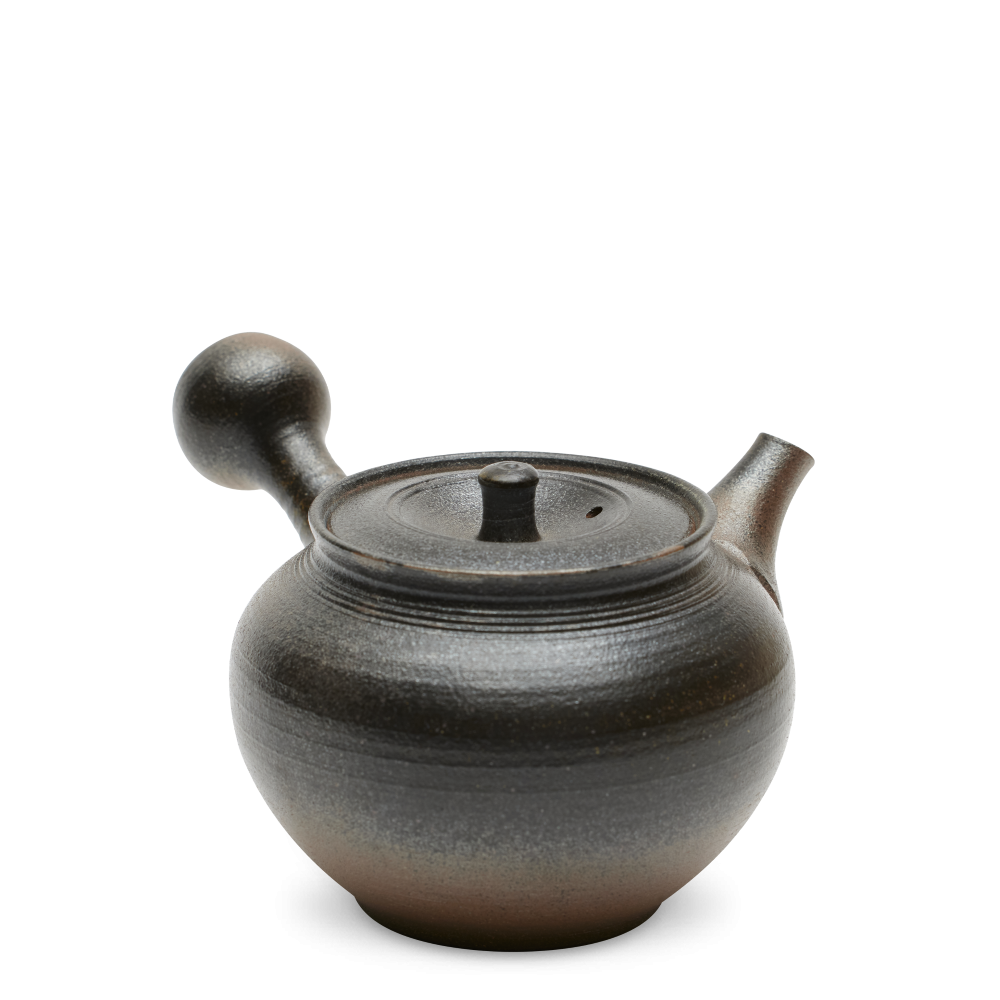
This striking side-handle Kyusu handcrafted by Hokujo, features a shimmering Yōhen gradient in gunmetal and bronze. In traditional Tokoname-yaki style, the teapot is left unglazed on the inside, making it perfect for brewing precious Japanese green teas.
Item Side-handle teapot
Origin Tokoname, Aichi, Japan
Artist Hokujo
Colour Gunmetal, bronze
Volume 190ml
Dimensions Ø8.5 x H6 x L13cm
Material Ceramic
Strainer Ceramic ball filter ("debeso")
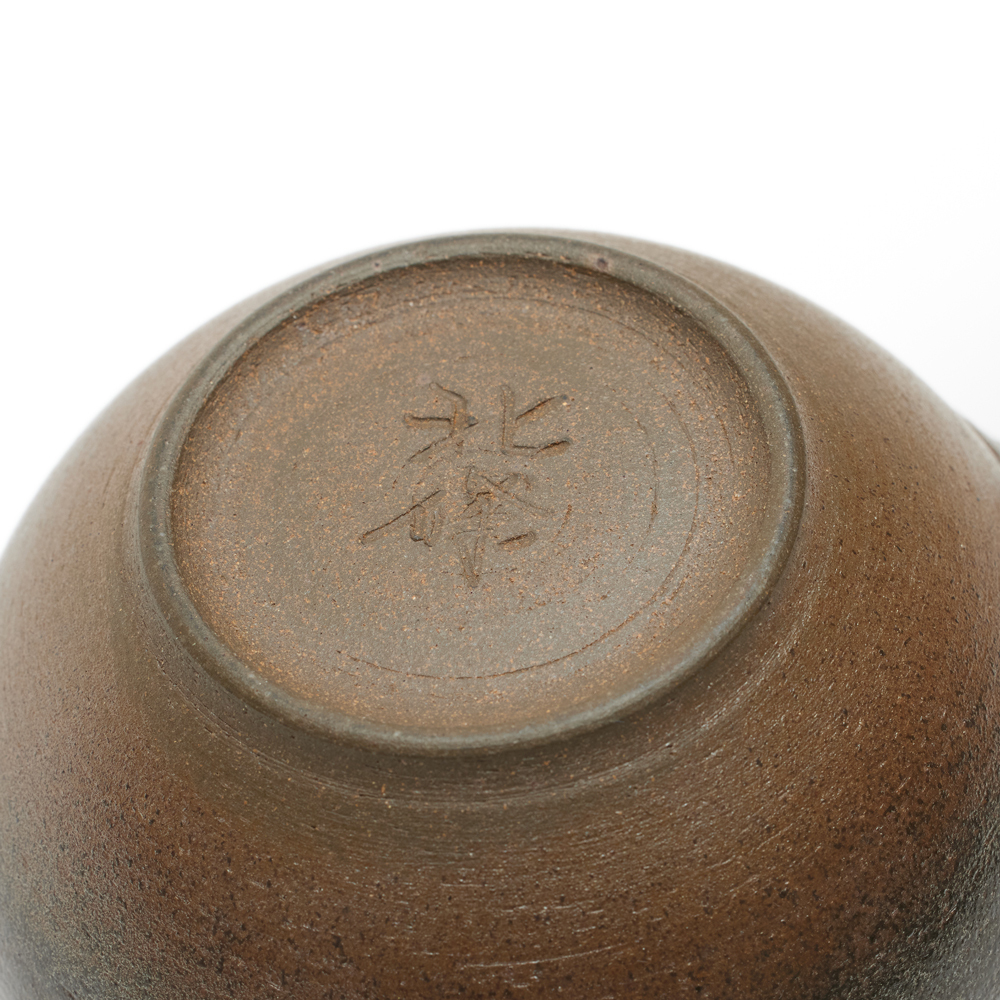
Artist mark Signature on base
Packaging Wooden box

 
Each piece is handmade and unique, therefore colour, volume and dimensions may vary 

€634.90

Delivery : up to 5 business days

Incl. VAT, excl. shipping

SKU
0426
In stock
Kyusu Tokoname Hokujo Houkin

Hokujo 北條

The eminent and highly decorated Tokoname-yaki potter, Hokujo, has been perfecting the art of crafting Kyusu for over 60 years. Born Shimizu Genji (清水源二) in 1945, the 1964 Tokoname High School Ceramics Course graduate was certified a Master of Traditional Crafts in 1994, becoming a Tokoname City Human Cultural Asset in 2013, and presented the Order of the Sacred Treasure, Silver Rays by the Emperor of Japan in 2016.

Guided by the belief that beauty lies in the synergy of form and function, Hokujo's teapots possess a sublimely natural, tactile quality, while showcasing exceptional technical mastery. Made from hand-blended clay harvested and matured over decades, the organic feel is further reinforced by Sujihiki lines left intentionally from the throwing process, as well as classic Tokoname decorative features such as Mogake seaweed transfers and Yohen gradients.


Kyusu Tokoname Hokujo Houkin

Kyusu 急須

The traditional Japanese teapot, Kyusu are typically made of ceramics with a side handle placed at a 90° angle to the spout for ease of pouring – however the handle can also be found over the top or in the back. Kyusu are perfect for preparing green teas and tend to be on the small side to prevent overbrewing. Depending on the size, shape and type of clay a Kyusu is made from will determine what type of tea is best prepared in it. There are many different regional styles as well as Kyusu made by certified Traditional Craftsmen, which are prized amongst collectors.

Kyusu Tokoname Hokujo Houkin

Tokoname-yaki 常滑焼

Pottery has been produced in the city of Tokoname, Aichi prefecture, as far back as the 12th century, and since 1976 has been protected as a Traditional Craft of Japan. Tokoname was the site of the largest and oldest of the legendary Rokkoyō (六古窯): the “Six Ancient Kilns” of Japan, and is celebrated for its iron-rich Shudei clay that turns a bright red after firing. When fired a second time in a reduction oven, the red Shudei turns black – another characteristic colour of Tokoname-yaki. High-fired at temperatures of around 1100°C and left unglazed (Yakishime, 焼き締め), this allows tannins in the tea to interact with the iron in the clay body, which is said to reduce astringency and highlight the sweetness of green teas. Another key feature of these Kyusu are the perfectly fitting lids, which are ground into the clay body after firing in a technique known as Suriawase.

Production

Yōhen 窯変

A decorative feature found across various pottery styles, Yōhen "kiln transformations" occur when the atmosphere of the kiln changes during firing, resulting in variations to the surface colour and texture. Within Tokoname-yaki, Yōhen typically refers to an ombré effect, often achieved by partially covering unglazed clay in ash or rice husks and firing in both oxidation and reduction.

Care

Wash with warm water only. Do not use washing-up liquid or put in the dishwasher. After washing, allow to naturally dry in the air with the lid off. Make sure the teapot is completely dry before storing it away. If tea leaves get trapped in the filter, brush away with a soft brush, such as a toothbrush.

Our recommendations

Loading...
The image could not be loaded.