

Kamikatsu
Awabancha P.Free

Super Premium 96 P.

SKU
0456
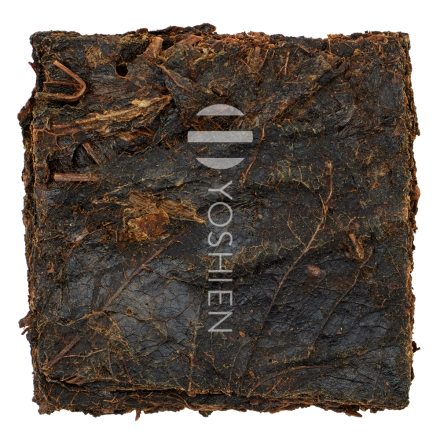
Awabancha is a regional tea speciality from Kamikatsu on the Japanese island of Shikoku. The wild-harvested leaves are fermented during production, giving the tea a unique and exceptionally refreshing flavour profile that oscillates between delicately tart hibiscus and honeyed sweetness. 50g
Character Refreshing, hibiscus, honey-sweet, with a hint of tartness
Tea Farm Small, nature-oriented family-run business in Kamikatsu
Terroir Kamikatsu, Tokushima Prefecture, Japan
Harvest 1st harvest (Ichibancha) between July and August 2025. Wild-harvested.
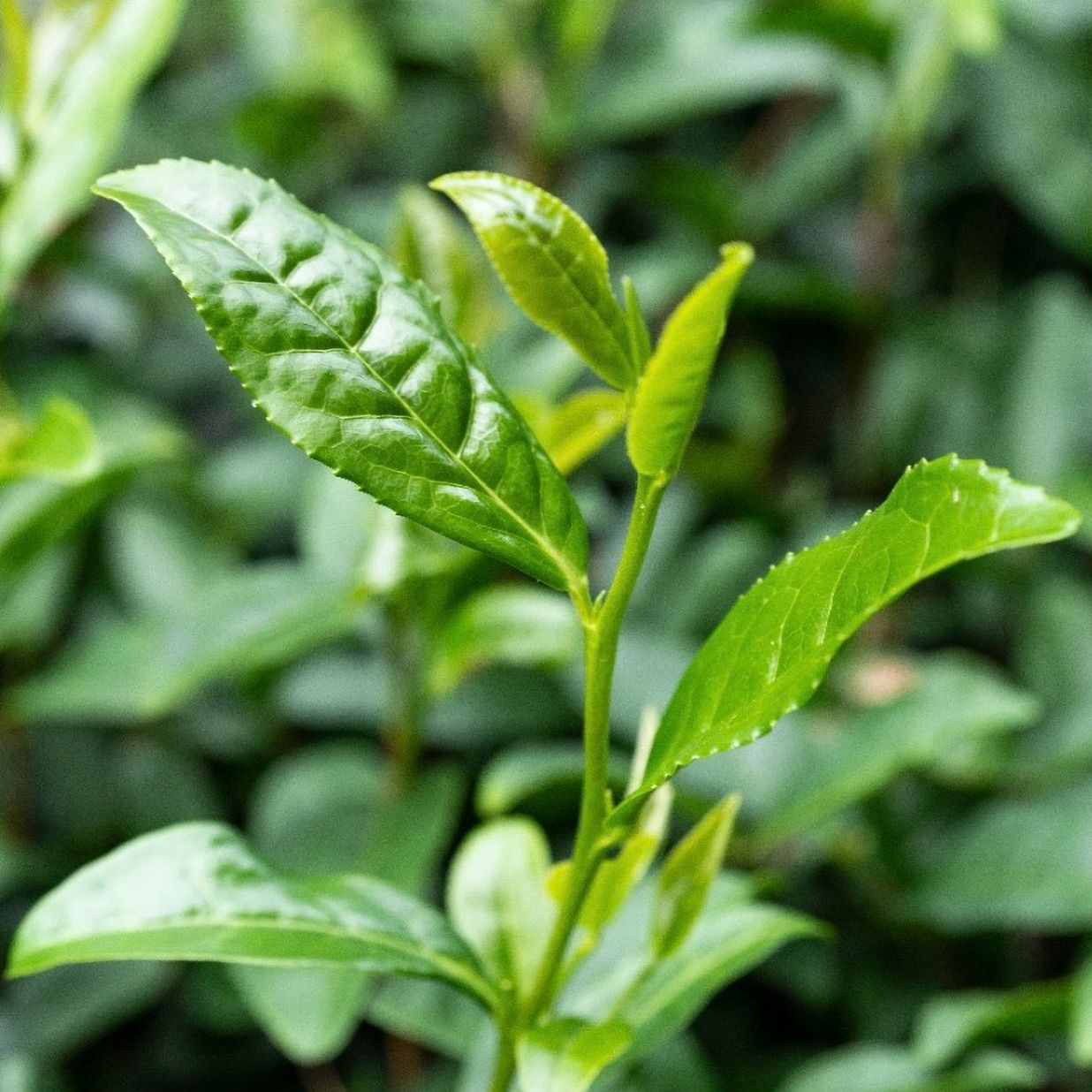
Cultivar Zairai
Elevation 130–350m above sea level
Processing Hand-harvesting, cooking/heating the tea in large pots, rolling and kneading the leaves, pressing into wooden barrels, fermentation for 2–3 weeks, sun-drying the leaves
Cultivation Wild harvested on mountain slopes
Laboratory Tests Radioactivity (annual test of the region) and plant protection products
Grade 96/100 P. (Fermented Japanese tea category); Super Premium
€14.90
50g

Delivery : up to 5 business days

Incl. VAT, excl. shipping

SKU
0456
€298.00 / 1kg
In stock
Kamikatsu Awabancha Kamikatsu Awabancha Kamikatsu Awabancha

Tea Farm

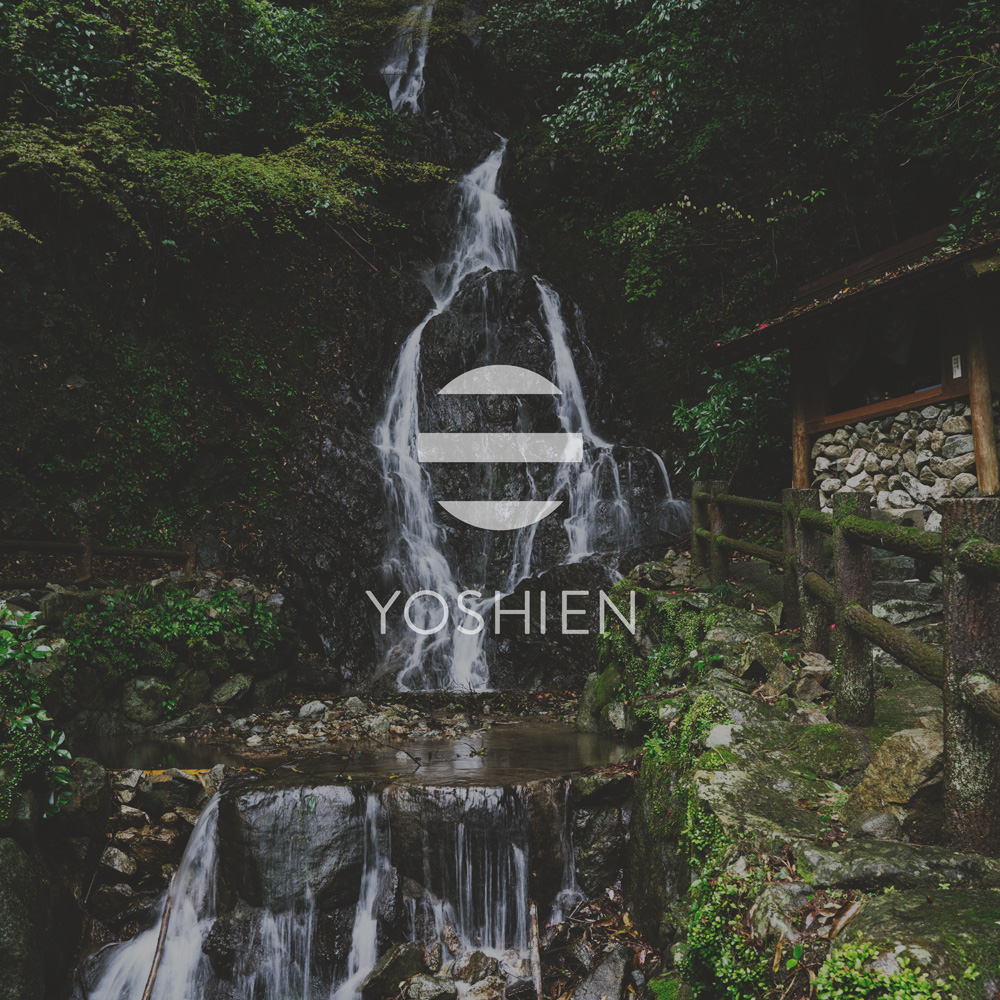
The tea farm is located in the small mountain village of Kamikatsu in Tokushima Prefecture on Shikoku. With fewer than 1,600 inhabitants, just one set of traffic lights and no convenience stores, the village is deeply shaped by its natural surroundings. Terraced rice fields, dense forests and unspoilt mountain landscapes – including moss-covered slopes and ancient beech woodlands – give the region a calm, timeless atmosphere.

Awabancha has been traditionally produced here for generations for personal consumption and is deeply embedded in the daily lives of the residents. The region is also known for its zero-waste philosophy and a thriving ecosystem centred around the Katsuura River.

Kamikatsu Awabancha

Character

Tasting Notes

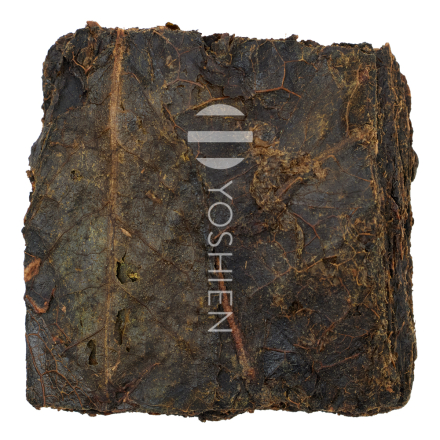
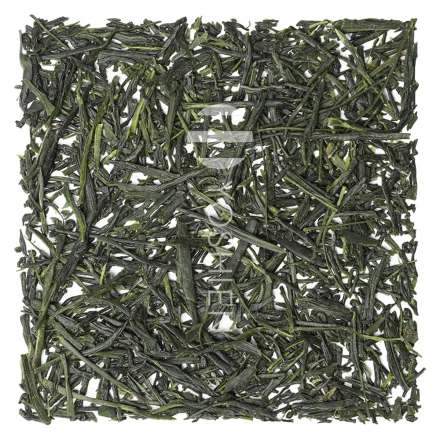
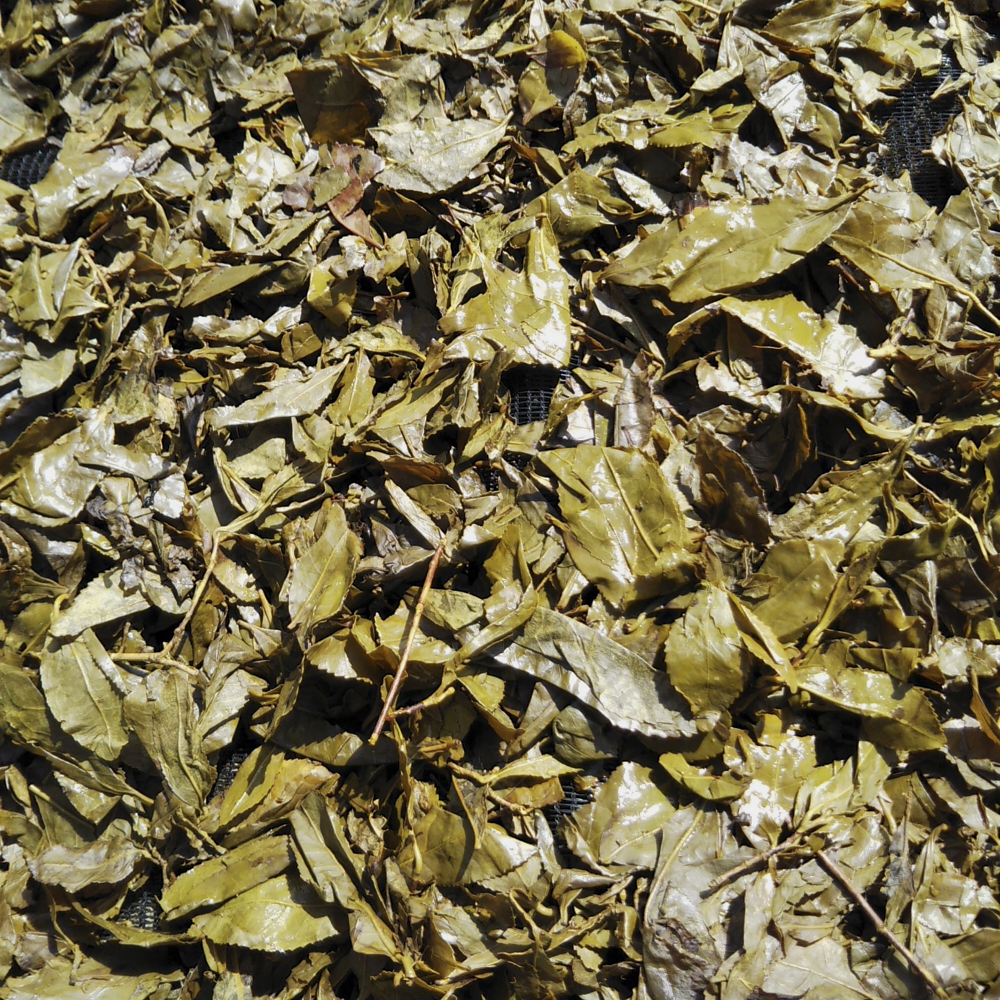
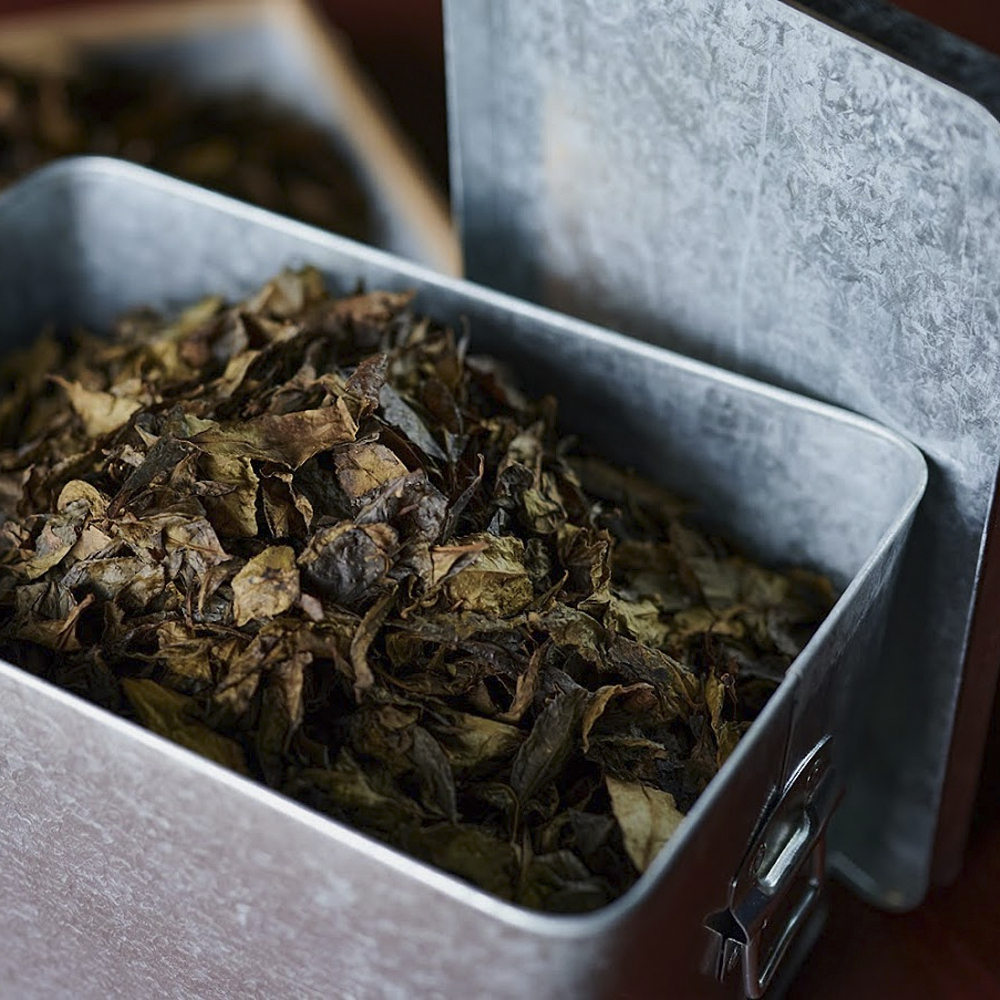
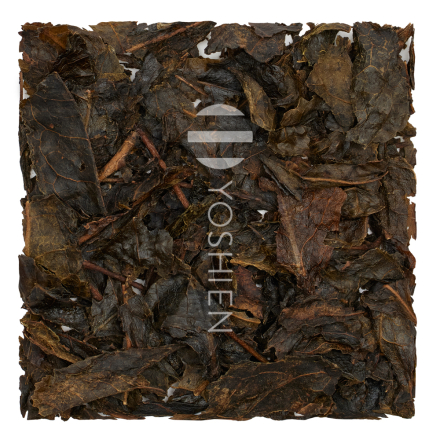
The leaves of the tea are strikingly large, coarsely processed, and have a greenish-olive sheen. Even in their dry state, they release an unusual, lively aroma: gently tart, with hints of hibiscus and fermented notes reminiscent of sauerkraut. Surprisingly fresh and invigorating.

The aroma of the first infusion is layered and distinctive. Delicate hibiscus notes come to the fore, though noticeably softer and more rounded, accompanied by a subtle, unexpected almond–marzipan nuance. This is joined by a fresh, clear impression reminiscent of a summer rain over a field – it evokes wet, cut grass, without ever becoming grassy.

On the palate, the tea is remarkably mild and well-balanced. The acidity is gently integrated and supported by a pleasant sweetness that unfolds across the mouth and lingers. A fine, honeyed note rises on the palate, lending the tea depth. Astringency remains minimal, allowing the infusion to stay stable and rounded even with longer steeping times.

With subsequent infusions, the interplay of aromas becomes calmer and more restrained. The intensity softens, yet the core notes remain, now appearing gentler and more harmonious. The tea gains in drinkability, presenting itself increasingly as an easy, unobtrusive everyday brew – less complex at its peak, but consistently pleasing through to the later infusions.

Leaf

Relatively coarse, large, greenish-olive, glossy leaves

Cup

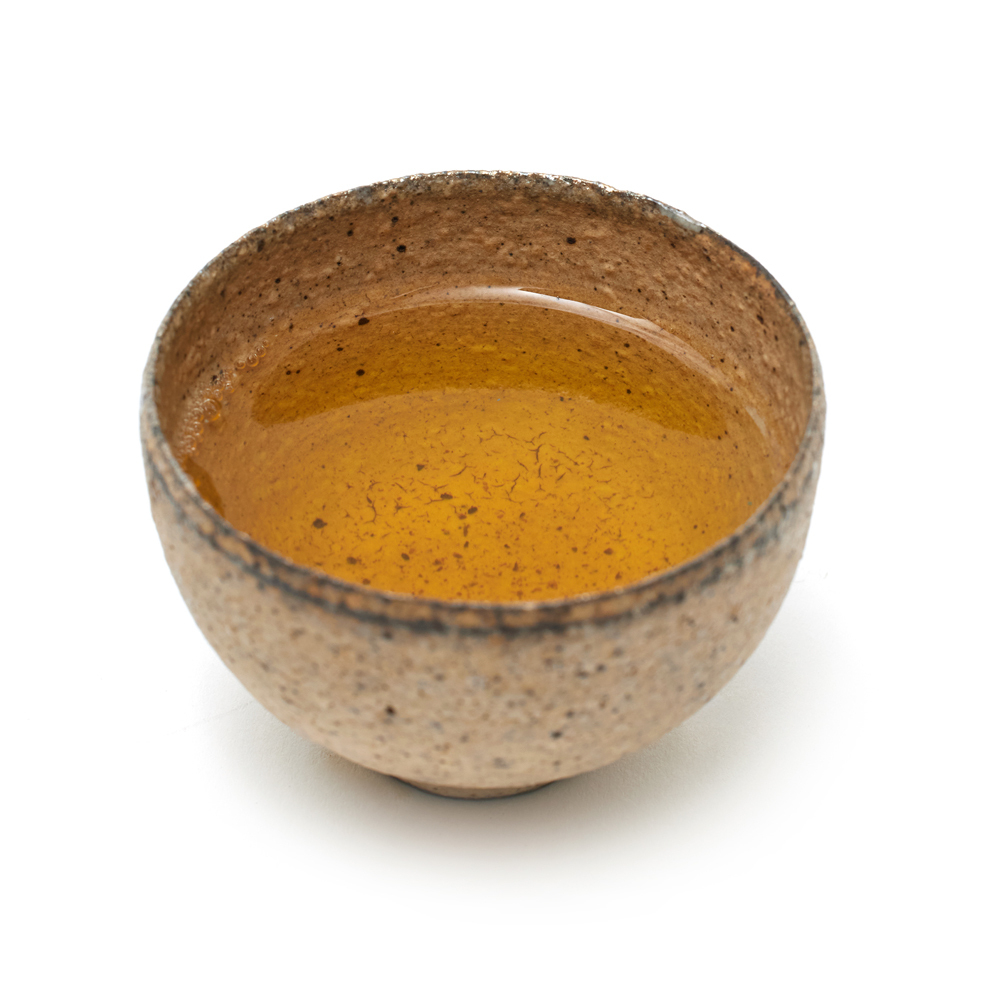
Rich yellow-green

Kamikatsu Awabancha

Awards

Kamikatsu Awabanchas was designated an Intangible Folk Cultural Property in 2021.

Kamikatsu Awabancha

Awabancha

Awabancha is one of Japan’s rare post-fermented teas and originates from Tokushima Prefecture on the island of Shikoku. According to legend, its origins date back to the 9th century, when the Buddhist monk Kōbō Daishi (Kūkai) is said to have shown the local people how to make tea from wild-growing tea trees in the mountains. However, this account cannot be historically verified, as the earliest written records of its production only date from the mid-Edo period (1603–1868).

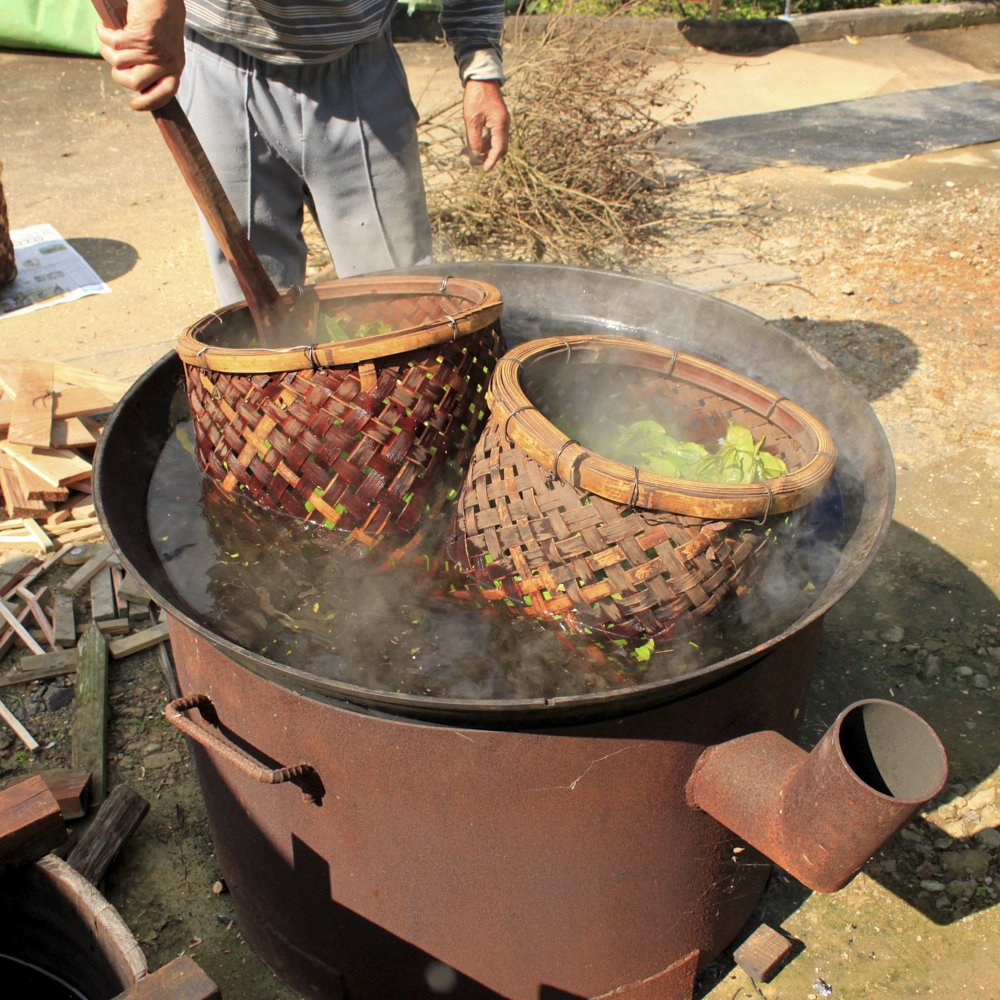
Today, Awabancha is mainly produced in remote mountain villages around the towns of Naka and Kamikatsu. It is typically made from leaves of the wild Zairai variety, also known as "yamacha" (“mountain tea”), which naturally grows in the region. A defining feature of Awabancha is its processing: after harvesting, the leaves are first boiled (see adjacent image) and then undergo anaerobic fermentation, during which lactic acid bacteria act in the absence of oxygen. This process gives the tea its distinctive, gently tart character.

Awabancha is produced by only a small number of families who have preserved this rare knowledge over generations.

Yoshien Labortests

Laboratory Tests

We go to great lengths to identify the finest organic tea farms across the world’s most celebrated terroirs. All our teas are sourced directly from the farmer and, with a few exceptions, are certified organic or come from pesticide-free farms. Each batch of tea for every harvest is tested for pesticides and other pollutants in an independent German lab to ensure they meet our strict quality standards as well as HACCP food safety requirements. Likewise, all the regions of Japan from which we source our teas are tested for radioactivity for every harvest.

Yoshien

Yoshi En

Premium Organic Teas

Our comprehensive portfolio focuses on organic, single-origin teas sourced directly from renowned farms. We believe in creating partnerships with farmers who share our values and are committed to sustainable, responsible tea cultivation. Thanks to these strong relationships our exciting range is constantly growing and evolving. As an international team of dedicated and passionate tea experts, we are committed to preserving centuries-old tea culture while ensuring it remains relevant and continues to bring joy in the present. About Yoshi En.

Cultivation & Processing

Special features in location, cultivation & processing

The production of Awabancha is closely tied to the remote mountain regions of Tokushima – particularly to small communities such as Kamikatsu, where this tea is still produced primarily for personal consumption. In this landscape, shaped by steep slopes, wild tea bushes and summer heat, a form of tea processing has been preserved that relies less on standardisation and more on experience, microclimate and knowledge passed down within families.

Harvesting takes place in the peak of summer, usually between July and mid-August, when the tea leaves are fully matured, firm and resilient. Unlike many other Japanese teas, no young shoots are used; instead, large, robust leaves are selected, as they are particularly well suited for fermentation. The leaves are hand-picked, often from wild-growing or only minimally cultivated tea bushes on steep mountain slopes. The use of wild, non-cultivated plants is one of the defining characteristics of Awabancha.

Immediately after harvesting, the leaves are boiled, typically for around 20 to 30 minutes. This step fundamentally distinguishes Awabancha from steamed green teas: boiling deactivates enzymes and reduces unwanted microorganisms, while simultaneously softening the leaf structure. The leaves are then kneaded to break down the cell walls and prepare them for fermentation.

The true distinction lies in the fermentation that follows. The prepared leaves are tightly pressed into wooden barrels, sealed airtight and weighed down. In this low-oxygen environment, anaerobic fermentation begins, lasting several weeks and driven by naturally occurring lactic acid bacteria. These microorganisms play a key role in shaping the tea’s character, giving it its signature, lively acidity. Depending on the producer, the barrel material and the microbial environment, a wide range of flavour profiles can emerge – no two Awabancha teas are alike.

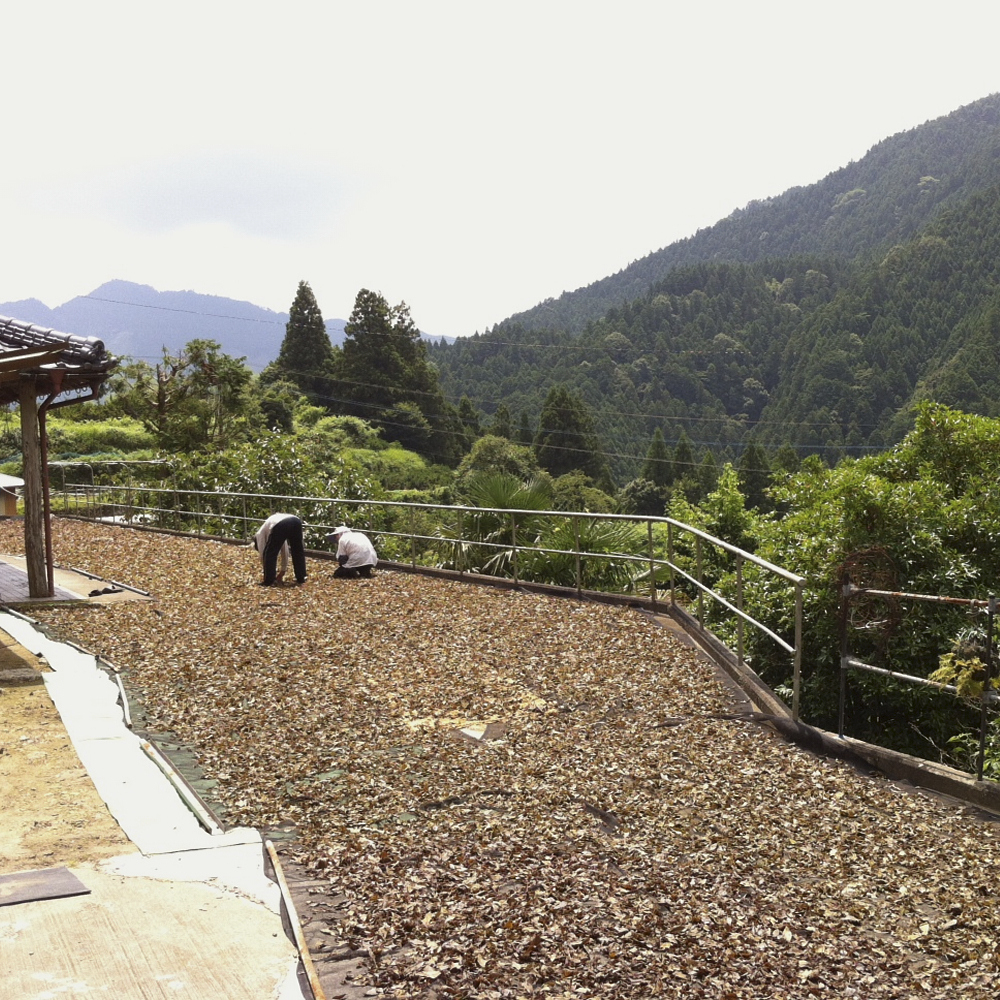
After two to four weeks, the tea is removed from the barrels, loosened and dried in the open air. The leaves are turned regularly until they have fully dried, and then the final sorting and processing can take place.

Single Origin

This tea comes exclusively from the above-mentioned tea fields in Kamikatsu, sourced directly from the farmer.
Preparation

Brewing Guide

4 teaspoons (5g) per 200ml water, 90°C, steep for 1–2 minutes.

We recommend preparing at least three infusions. For subsequent infusions, increase the brewing time by approximately 30–60 seconds each time.

Packaging & Storage

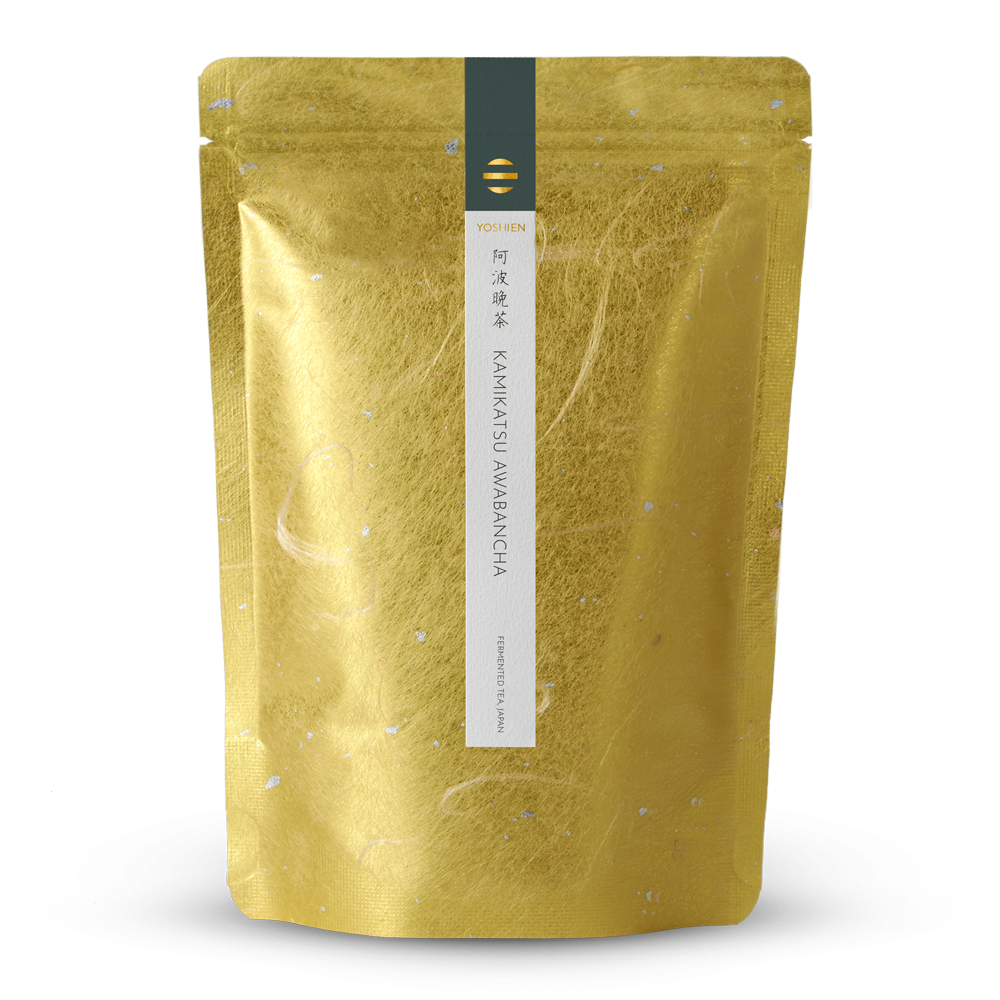
Packed in a particularly high-quality, airtight flavour-protecting pouch with zip closure and stand-up base. A nine-layer barrier provides exceptional protection against external contaminants. When sealing the pouch, press out as much air as possible to best preserve the tea's quality.

Alternatively, and especially for longer-term storage, we recommend our stylish, airtight tea caddies. This tea is well-suited for further ageing.

Recommended Teapot

We recommend preparing this tea in a classic black Tokoname Kyusu. A glass teapot is also an excellent option, allowing you to observe the leaves as they infuse.

Thanks to the intact structure of the leaves, this tea is equally well-suited to preparation in the Chinese gongfu style using a Gaiwan made from neutral porcelain.

Our recommendations

Loading...
The image could not be loaded.