

Ishizuchi
Kurocha P.Free

Highest Grade 98 P.

SKU
0457
An extremely rare tea speciality hardly known outside of Japan, from the eponymous Mount Ishizuchi. Kurocha (黒茶) undergoes a complex double fermentation process, developing a distinctive flavour profile with orange, woody and delicately sweet nuances. The tea comes from a traditional family-run producer, one of the few remaining of its kind. 20g
Character Woody-sweet, notes of hibiscus and orange, subtle tartness, refreshing
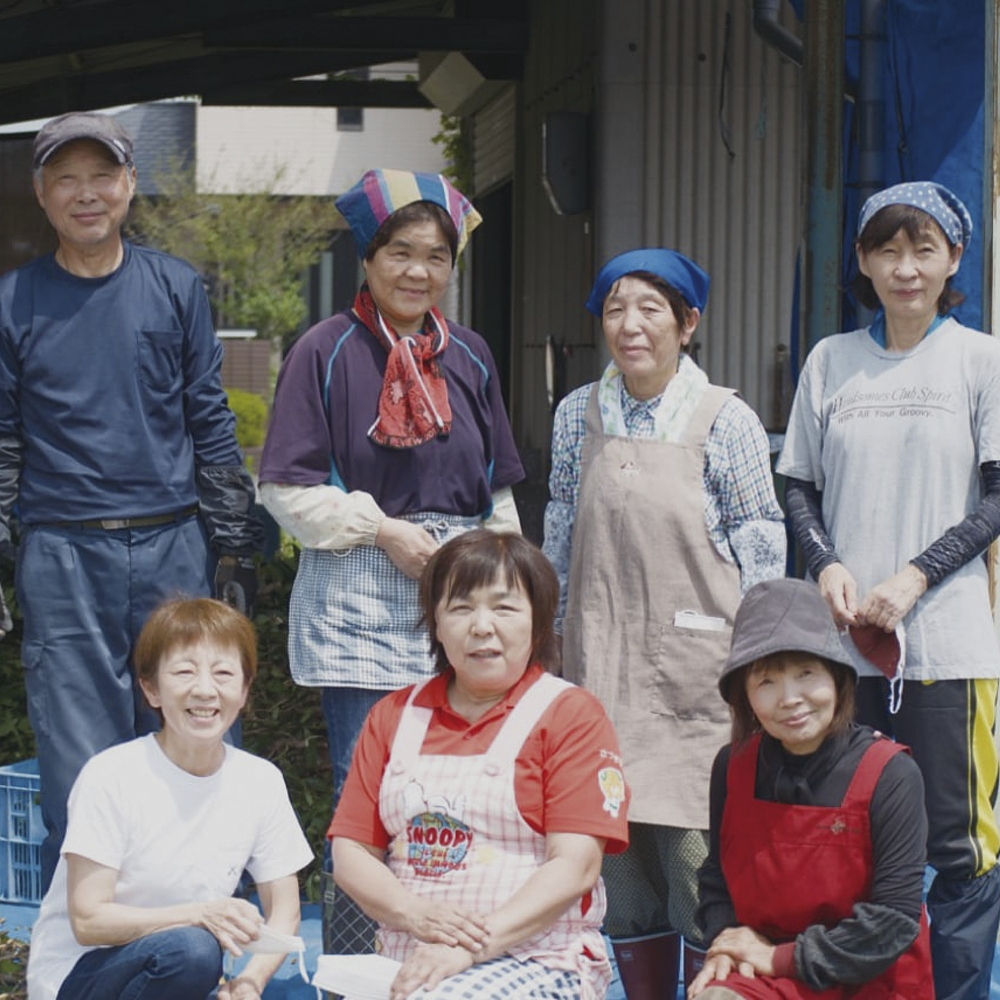
Tea Farm One of the few remaining producers of Ishizuchi Kurocha, a small, traditional family-run business near Mt Ishizuchi
Terroir Saijō, Ehime, Japan
Harvest Between June and August 2025; only one harvest per year
Cultivar Yabukita
Elevation 200–300m above sea level
Processing Hand-harvesting of the tea leaves using traditional garden shears, sorting and washing, steaming for approx. 1 hour, first fermentation stage (storage in wooden boxes), rolling of the tea leaves, second fermentation stage (several weeks of airtight storage), sun-drying of the tea for a full two days
Cultivation Pesticide-free and chemical-fertiliser-free since the farm's founding
Awards In 2018, Ishizuchi Kurocha was designated an Intangible Folk Cultural Property
Laboratory Tests Radioactivity (annual regional testing) and pesticides
Grade 98/100 P. (Fermented Japanese teas category); Highest Grade
€21.90
20g

Delivery : up to 5 business days

Incl. VAT, excl. shipping

SKU
0457
€1,095.00 / 1kg
In stock
Ishizuchi Kurocha Ishizuchi Kurocha Ishizuchi Kurocha Ishizuchi Kurocha

Tea Farm

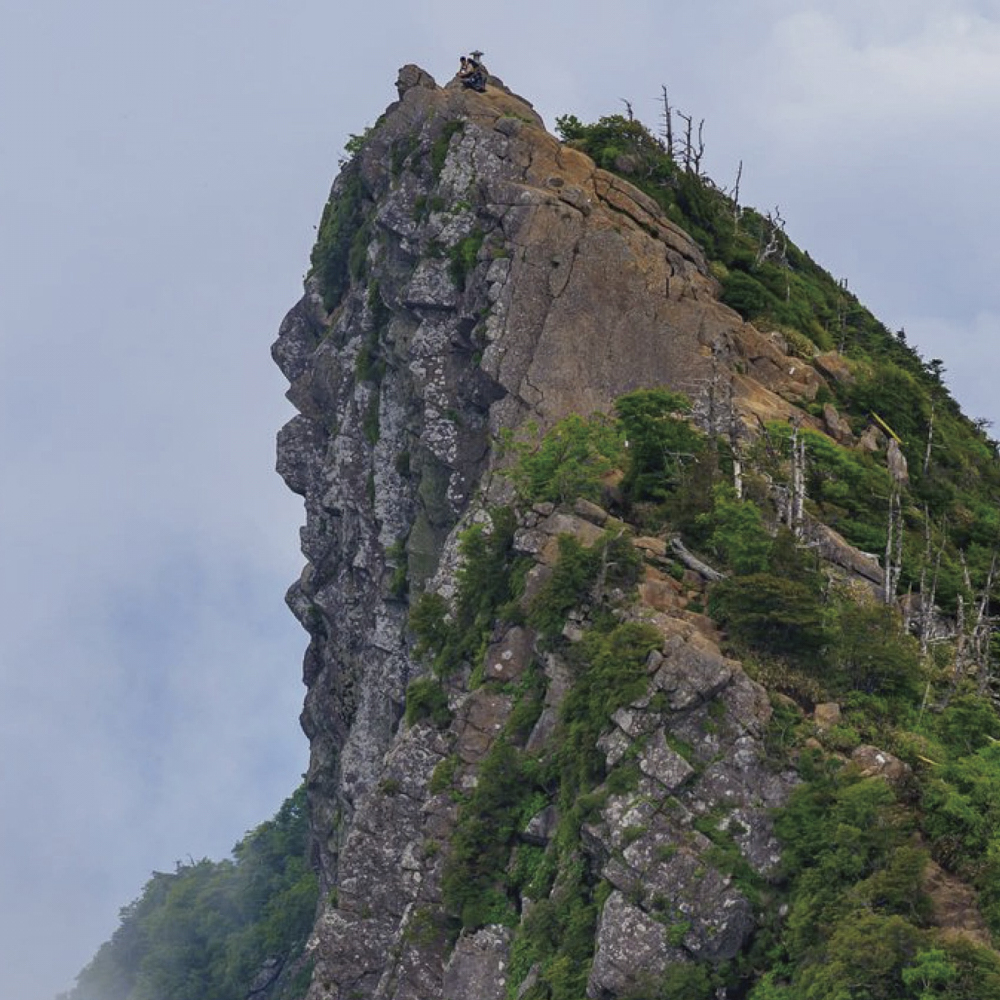
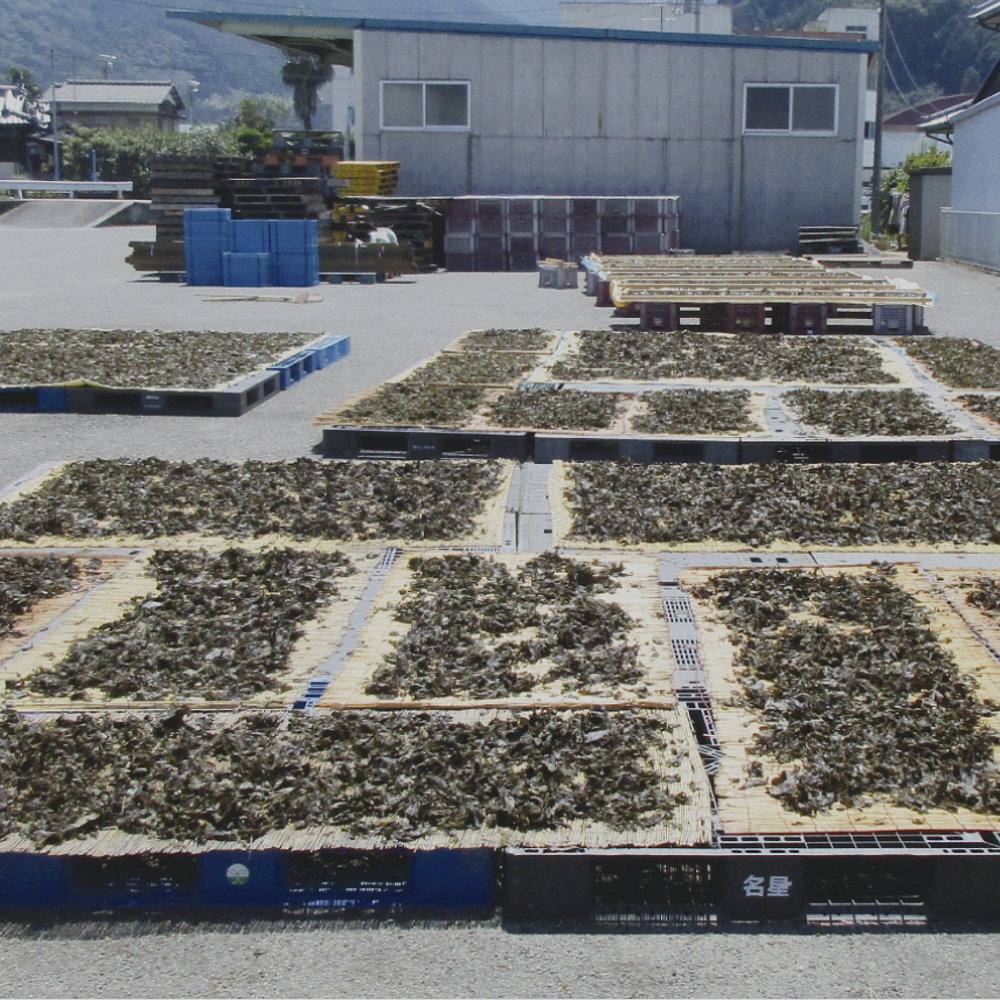
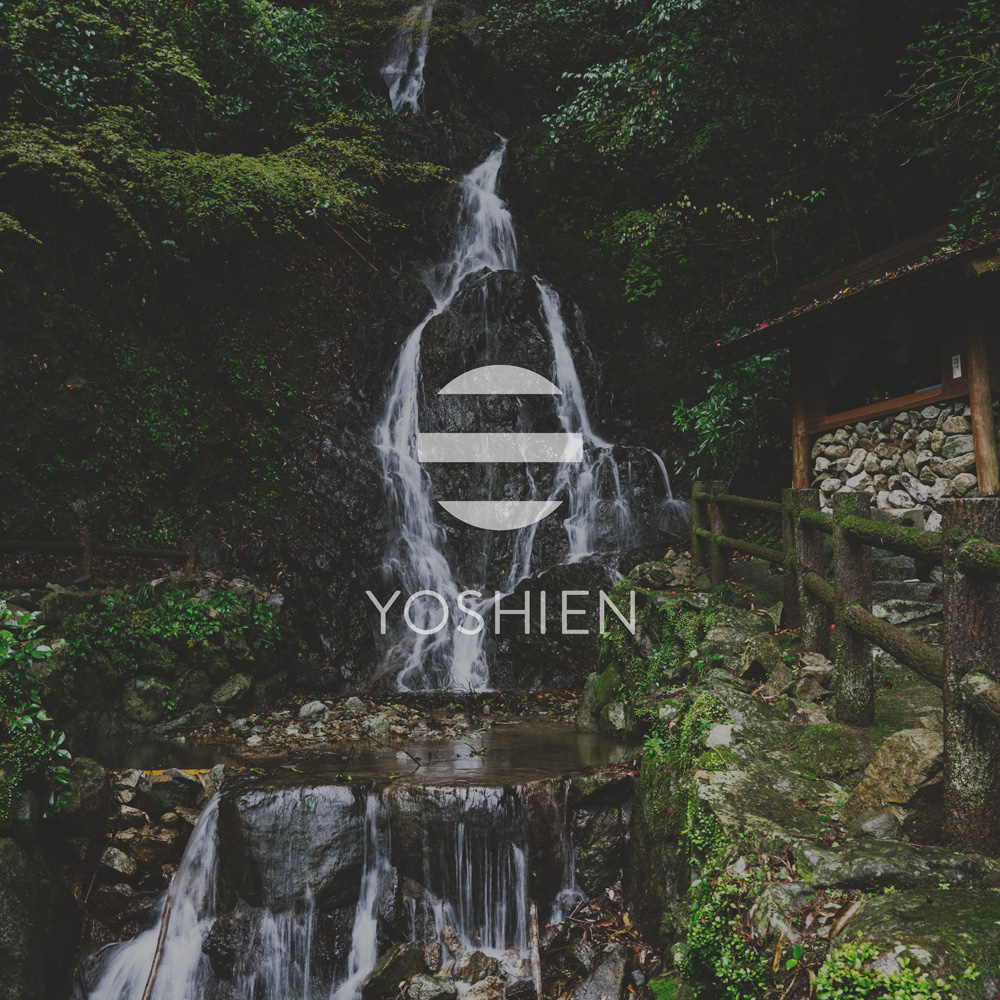
The tea farm is situated at the foot of the sacred Mount Ishizuchi in Ehime Prefecture. At just under 2,000 metres, it is the highest peak in western Japan and, for centuries, was a site of spiritual asceticism. The tea fields are set within a tranquil rural landscape between gentle plains and steep, terraced slopes of up to 45°. Teas are produced here under simple conditions, of a kind now found in only a few places worldwide.

The farm is one of a small number of remaining producers that continue to preserve this rare method of tea processing. What is created here is far more than an agricultural product – it is a living cultural heritage, deeply rooted in the history and traditions of the region. Accordingly, this unique production method was recognised in 2018 as an “Intangible Folk Cultural Property.”

Ishizuchi Kurocha

Character

Tasting Notes

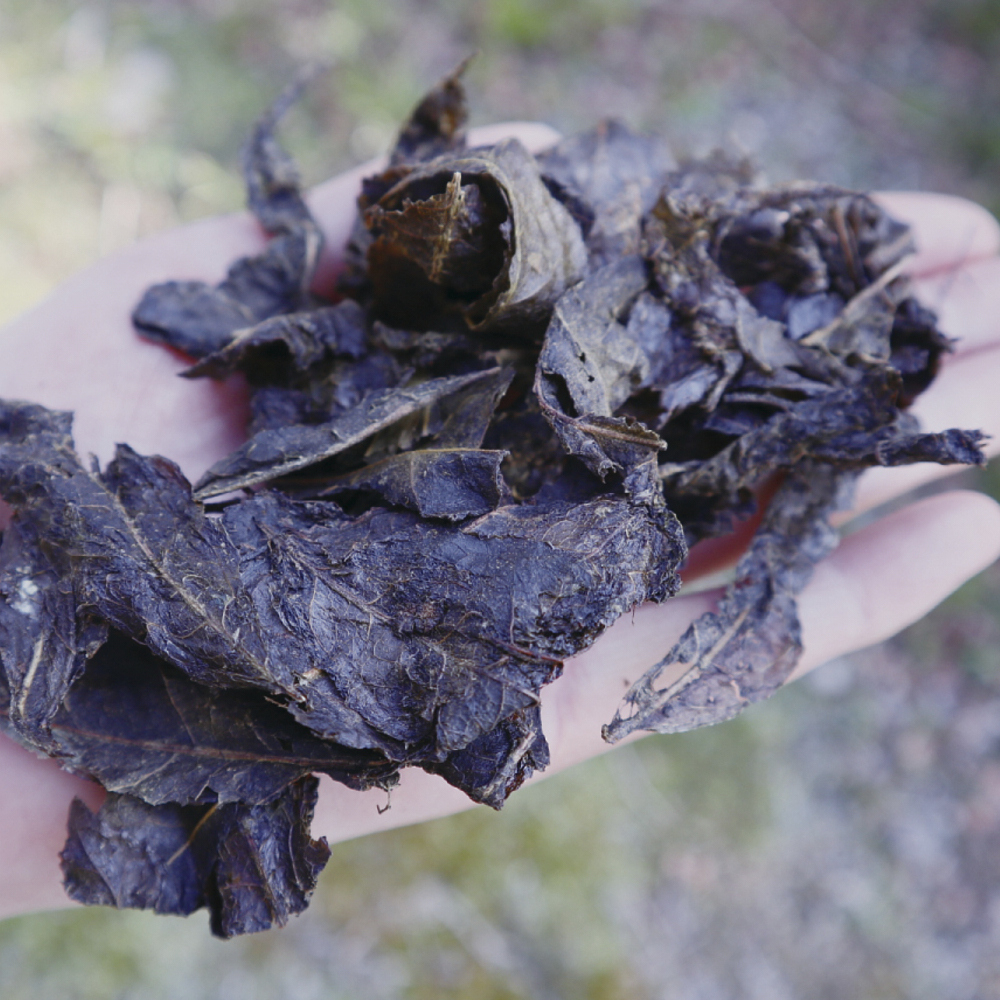
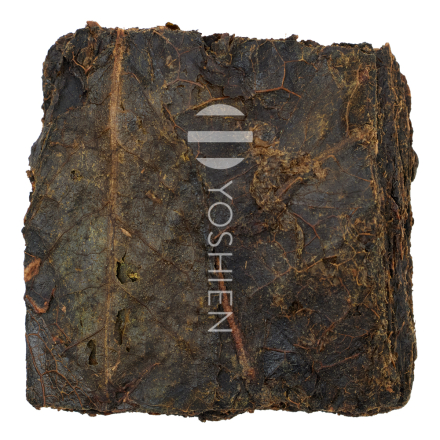
Even the dry leaves release a deep, woody aroma with an almost antique quality. A subtle tartness accompanies it, slightly reminiscent of dried fruit.

The tea easily tolerates a longer infusion time. Rather than turning bitter, the first infusion gains in intensity, becoming full-bodied and dense, immediately revealing the tea’s full character. In subsequent infusions, this intensity recedes somewhat, giving way to greater balance, while a gentle sweetness becomes more pronounced.

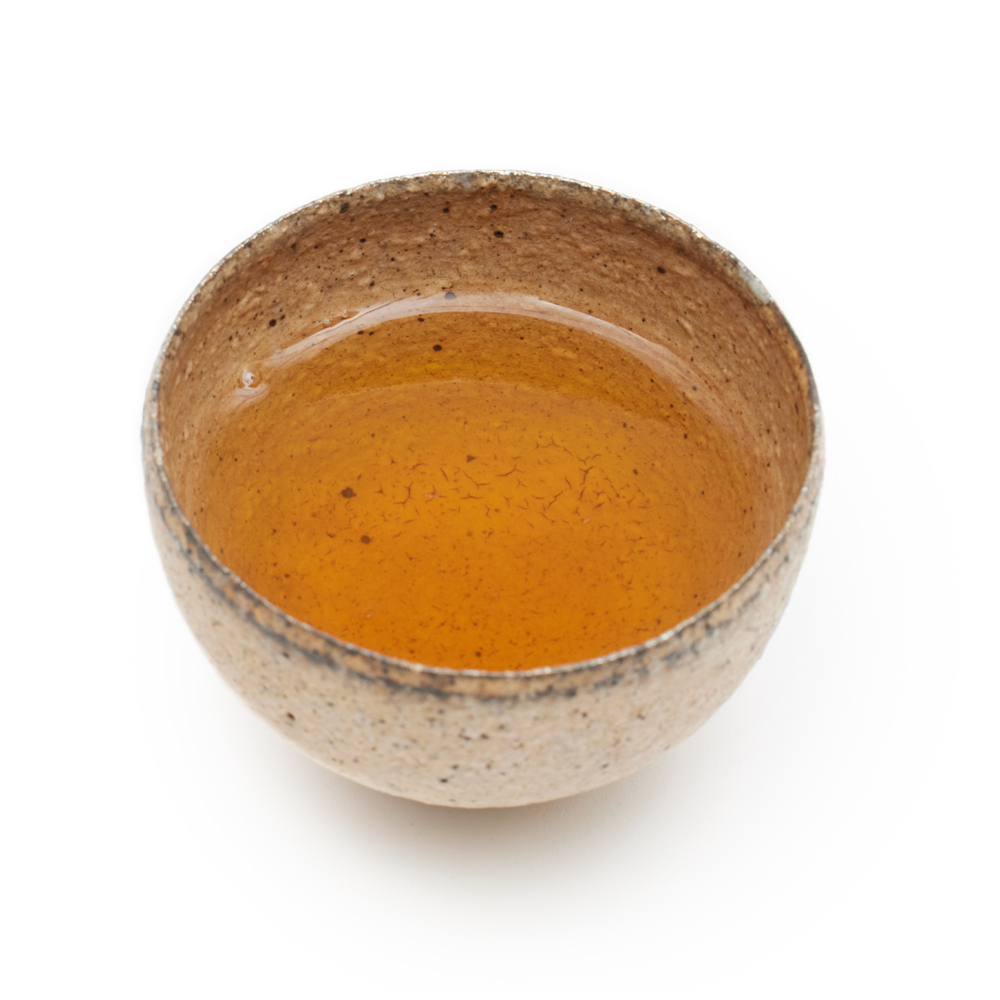
In the cup, the liquor displays a rich orange hue. The aroma develops further in a distinctly tangy direction: notes of hibiscus blossom become evident, accompanied by a subtle fermented note reminiscent of sauerkraut. These impressions are also reflected on the palate.

The lively acidity lends the tea a surprising freshness. Nuances of blood orange and gentle sage complement the profile and highlight its remarkable complexity. Sweetness and acidity are in harmonious balance. Overall, the tea has a pleasantly soothing and relaxing effect on the stomach.

In its character, Kurocha is similar to Goishicha, though more approachable and less intense. While Goishicha tends to appeal primarily to experienced enthusiasts of fermented Japanese teas, Kurocha is excellently suited as an introduction to this category. It is also highly versatile and ideal for multiple infusions.

Leaf

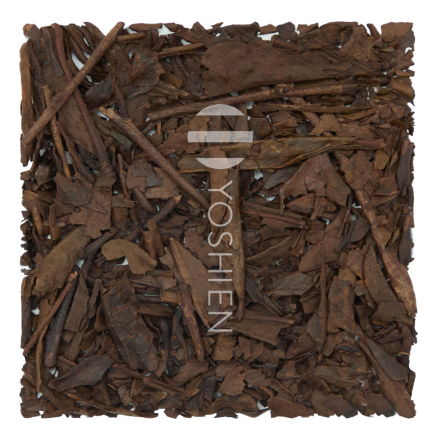
Large, dark brown leaves with a glossy green sheen

Cup

Lovely rich orange

Ishizuchi Kurocha

Awards

Ishizuchi Kurocha was designated an Intangible Folk Cultural Property in 2018.

Ishizuchi Kurocha

Kurocha

Kurocha (黒茶), literally “black tea”, is among the rarest tea categories in Japan. The term can initially be misleading: in Western terminology, “black tea” refers to fully oxidised teas such as Darjeeling or Assam, whereas in China and Japan these are classified as “red teas” (紅茶, kōcha), owing to the reddish colour of the infusion.

The term “black tea”, by contrast, is reserved there for a distinct category: post-fermented teas, to which Kurocha belongs. What makes this tea particularly unique is its two-stage fermentation: first, an aerobic fermentation driven by microorganisms, followed by an anaerobic fermentation involving lactic acid bacteria. This interplay gives the tea its characteristic, gently tangy yet surprisingly mild flavour.

Yoshien Labortests

Laboratory Tests

We go to great lengths to identify the finest organic tea farms across the world’s most celebrated terroirs. All our teas are sourced directly from the farmer and, with a few exceptions, are certified organic or come from pesticide-free farms. Each batch of tea for every harvest is tested for pesticides and other pollutants in an independent German lab to ensure they meet our strict quality standards as well as HACCP food safety requirements. Likewise, all the regions of Japan from which we source our teas are tested for radioactivity for every harvest.

Yoshien

Yoshi En

Premium Organic Teas

Our comprehensive portfolio focuses on organic, single-origin teas sourced directly from renowned farms. We believe in creating partnerships with farmers who share our values and are committed to sustainable, responsible tea cultivation. Thanks to these strong relationships our exciting range is constantly growing and evolving. As an international team of dedicated and passionate tea experts, we are committed to preserving centuries-old tea culture while ensuring it remains relevant and continues to bring joy in the present. About Yoshi En.

Cultivation & Processing

Special features in location, cultivation & processing

The region surrounding Mount Ishizuchi in Ehime is among the most spiritually charged landscapes in Japan. As the highest peak in western Japan and one of the country’s “Seven Sacred Mountains”, for centuries it has been a destination for pilgrims, monks and practitioners of ascetic mountain rituals. In this remote setting, shaped by dense, untouched nature, a distinct and deeply local tea culture has evolved, far removed from the major centres such as Uji or Shizuoka.

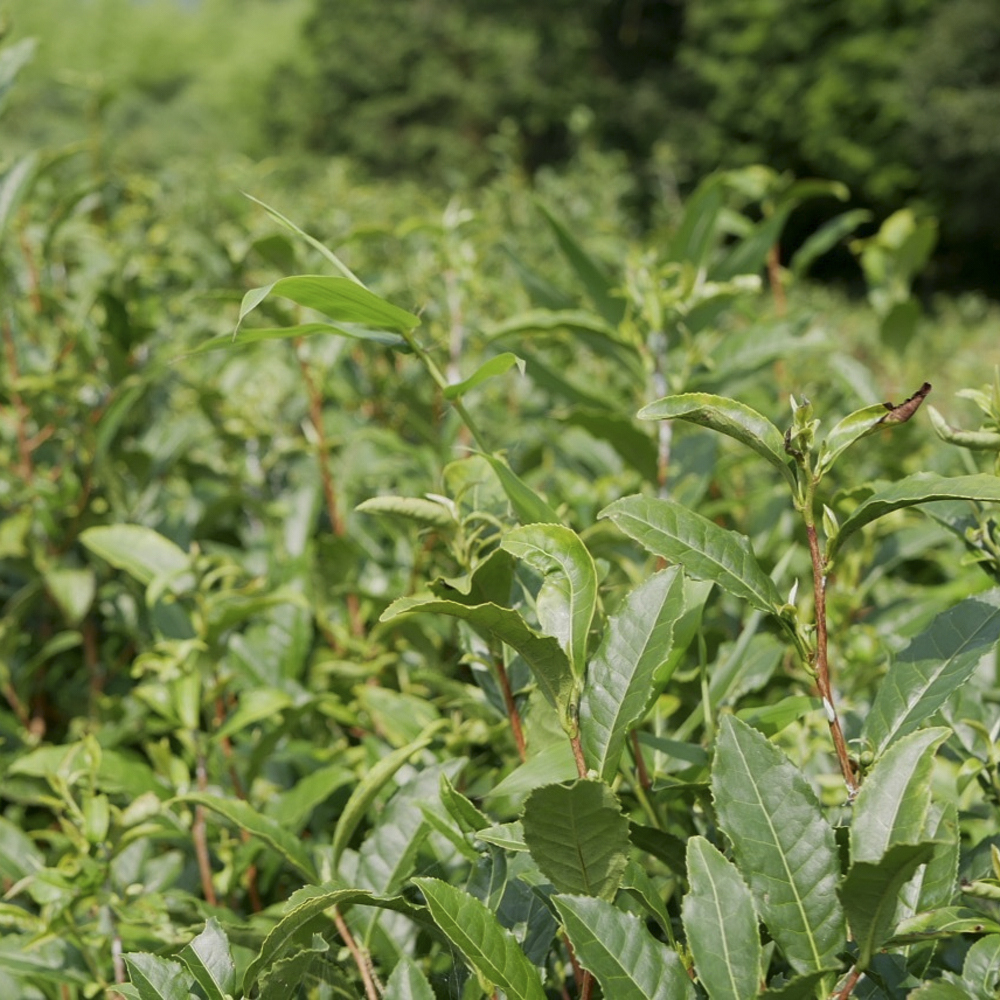
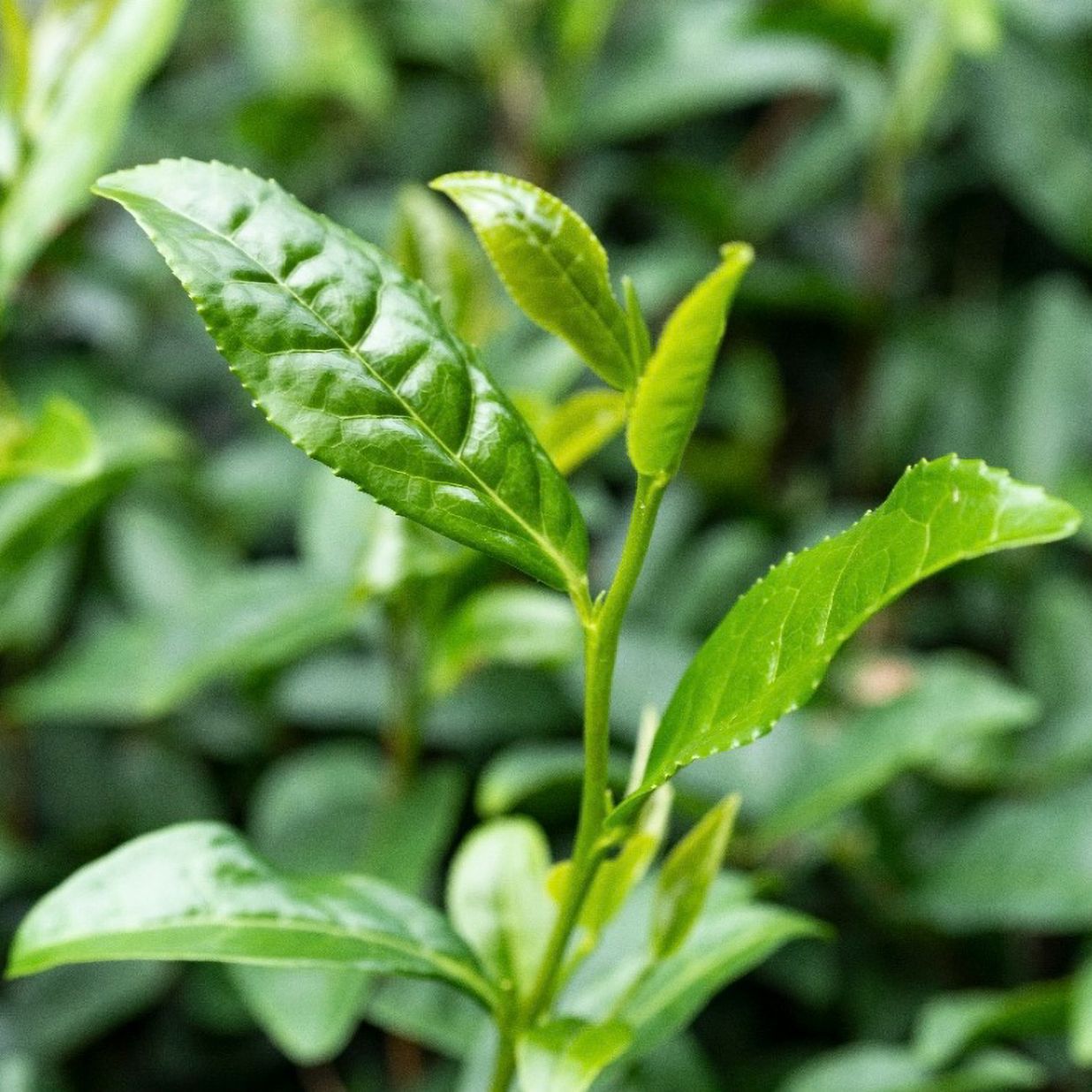
Cultivation follows a deliberately restrained rhythm: harvesting takes place only once a year, between early June and mid-August. The leaves are not machine-picked, but carefully cut by hand using garden shears – often as entire branches, just as has been practised for generations. The cultivar used is Yabukita, grown at elevations of around 200 to 300 metres, where warm days and cooler nights encourage slow maturation and a robust leaf structure.

The uniqueness of Kurocha particularly lies in its processing. After harvesting, the leaves are first steamed together with the branches – often for over an hour – before being separated from the stems and stored in wooden vessels. There, the first stage of fermentation begins: an aerobic maturation driven by natural microorganisms, which forms the tea’s foundational aromatic profile. In the next step, the leaves are broken up (traditionally on washboards) to deliberately damage the cell structure. This enables the second fermentation: a weeks-long anaerobic phase in the absence of air, during which lactic acid bacteria develop and impart the tea’s characteristic, lively acidity. The process concludes with sun-drying, which stabilises the tea and gently rounds out its flavours.

Single Origin

This tea comes exclusively from the above-mentioned tea fields in Ehime, sourced directly from the farmer.
Preparation

Brewing Guide

3 teaspoons (2–3g) per 300ml water, 100°C, infuse for 1–2 minutes.

We recommend preparing at least three infusions. For subsequent infusions, increase the brewing time by approximately 30 seconds each time.

Packaging & Storage

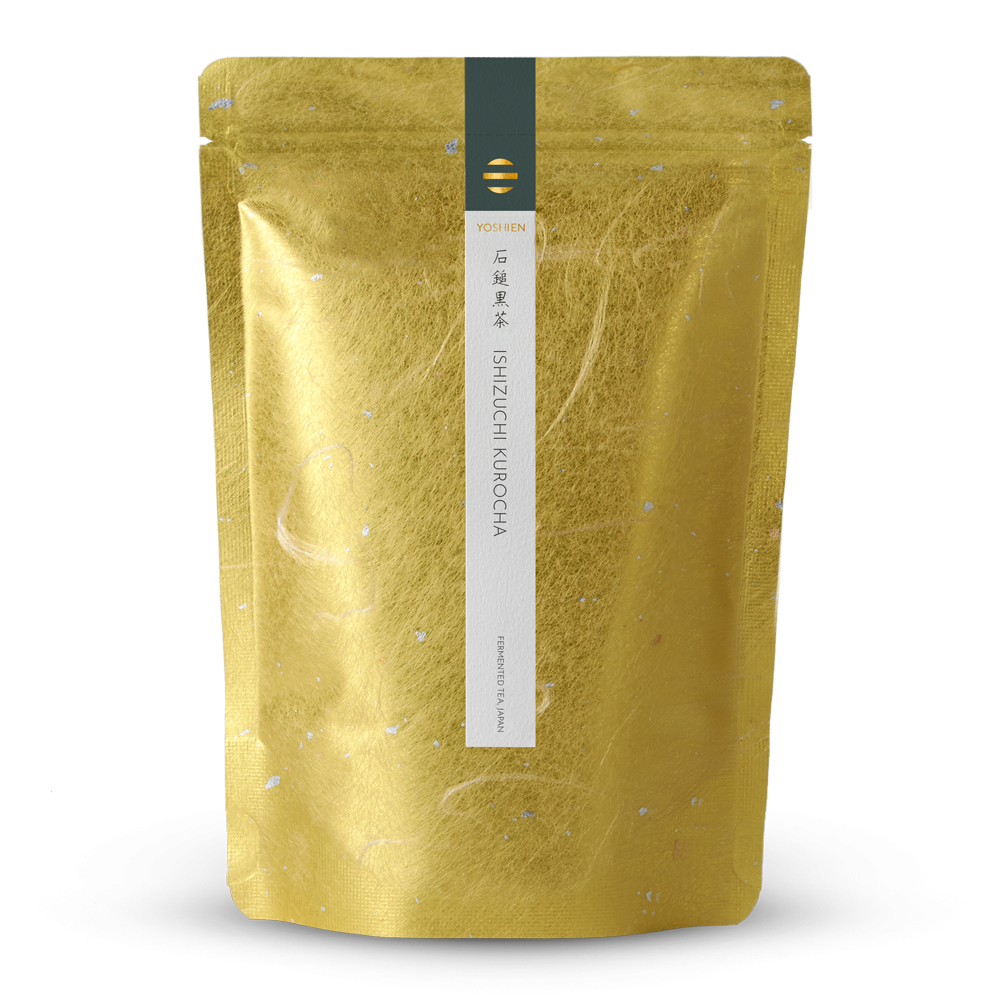
Packed in a particularly high-quality, airtight flavour-protecting pouch with zip closure and stand-up base. A nine-layer barrier provides exceptional protection against external contaminants. When sealing the pouch, press out as much air as possible to best preserve the tea's quality.

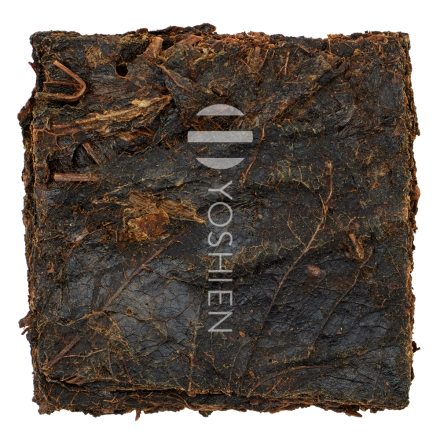
Alternatively, and especially for longer-term storage, we recommend our stylish, airtight tea caddies. This tea is well-suited for further ageing.

Recommended Teapot

We recommend preparing this tea in a classic black Tokoname Kyusu. A glass teapot is also an excellent option, allowing you to observe the leaves as they infuse.

Thanks to the intact structure of the leaves, this tea is equally well-suited to preparation in the Chinese gongfu style using a Gaiwan made from neutral porcelain.

Our recommendations

Loading...
The image could not be loaded.