

Natsume Tsumugi Fubuki

Gato Mikio

SKU
0453
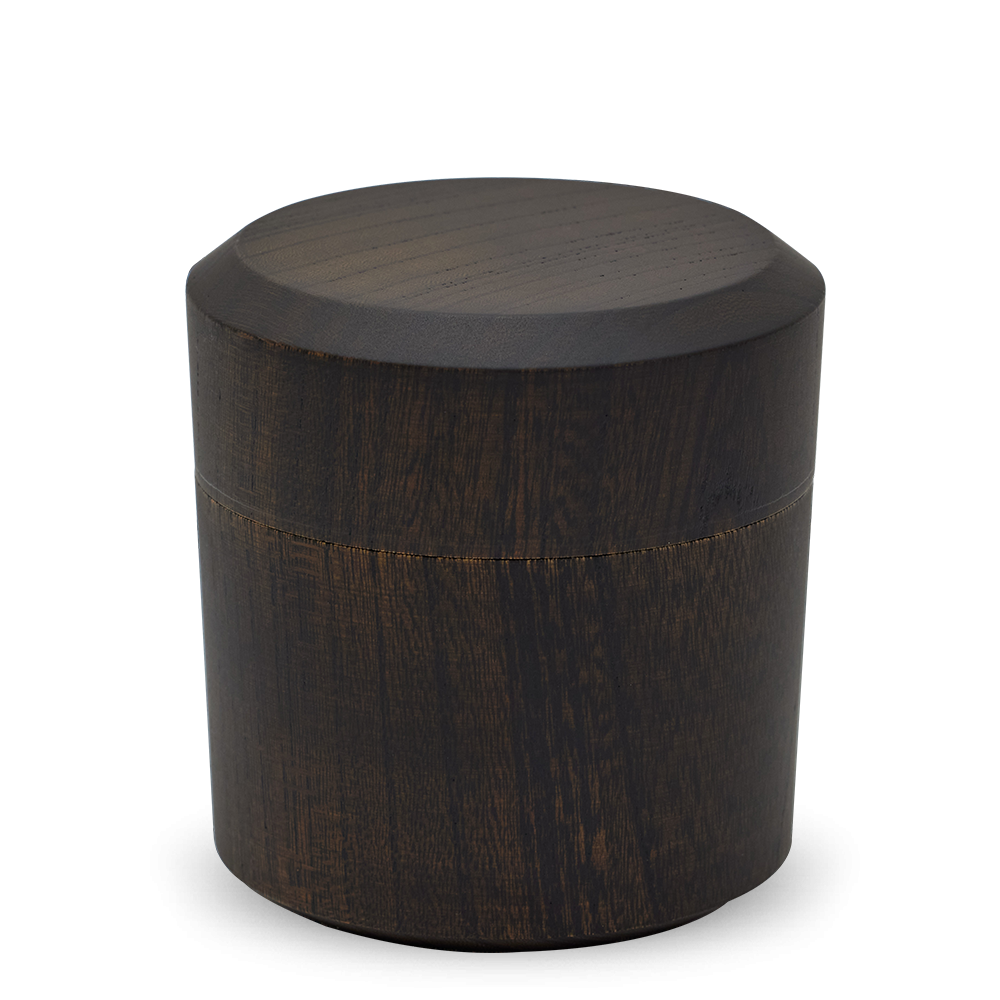
A contemporary and minimalist black Natsume tea caddy for storing matcha during tea ceremonies, handcrafted from premium Japanese zelkova at Gato Mikio: master artisans of Yamanaka lacquerware.
Item Chu-Natsume tea caddy
Origin Yamanaka, Ishikawa, Japan
Maker Gato Mikio
Material Japanese zelkova
Varnish Polyurethane
Colour Black
Dimensions Ø6.5 x 7cm
Packaging Gift box
€215.90

Delivery : up to 5 business days

Incl. VAT, excl. shipping

SKU
0453
In stock
Gato Mikio Natsume Tsumugi Fubuki

Gato Mikio 我戸幹男

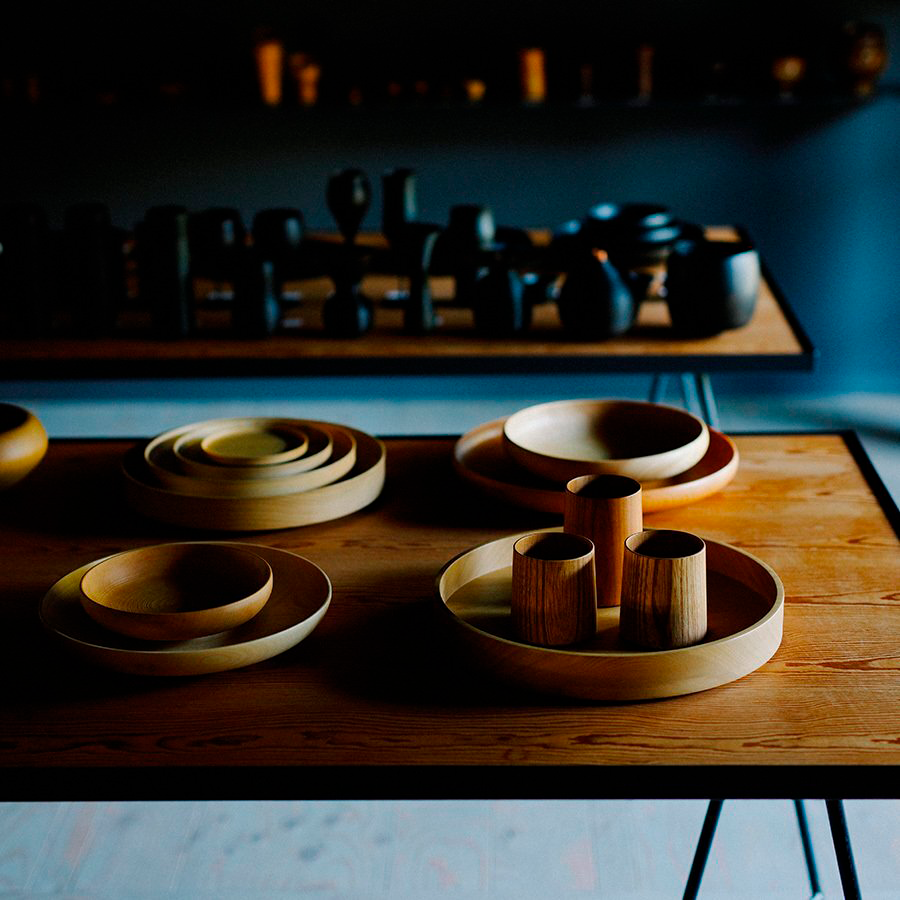
In 1908, master woodturner Komakichi Gato founded his woodworking plant in Yamanaka Onsen to make Kiji: the plain wooden vessels that make up the foundation of Japanese Urushi lacquerware. Come the second generation, lacquer began to be applied to their bare Kiji, and now in their fourth generation Gato Mikio is a fully-fledged lacquerware brand committed to preserving Yamanaka Urushi traditions by carefully adapting them to the modern world. Frequently working in collaboration with contemporary Japanese designers, Gato Mikio offers authentic and elegant tea- and tableware that has won them numerous design awards both at home and abroad.

Gato Mikio Natsume Tsumugi Fubuki

Natsume 棗

The Natsume is a container for storing and presenting Matcha during tea ceremonies where Usucha (薄茶) "thin tea" is served, and as such may also be referred to as Usuchaki (薄茶器), literally "Usucha vessel". It is named for its resemblance in shape to the natsume or jujube red date, and is typically made of lacquered wood or bamboo, often adorned with intricate decorations. The Natsume is noted to be a favourite ceremonial utensil of the legendary tea master Sen no Rikyu (1522-1591), and since the Edo period (1603-1868) has been an essential feature of the Matcha tea ceremony.

Gato Mikio Natsume Tsumugi Fubuki

Yamanaka Shikki

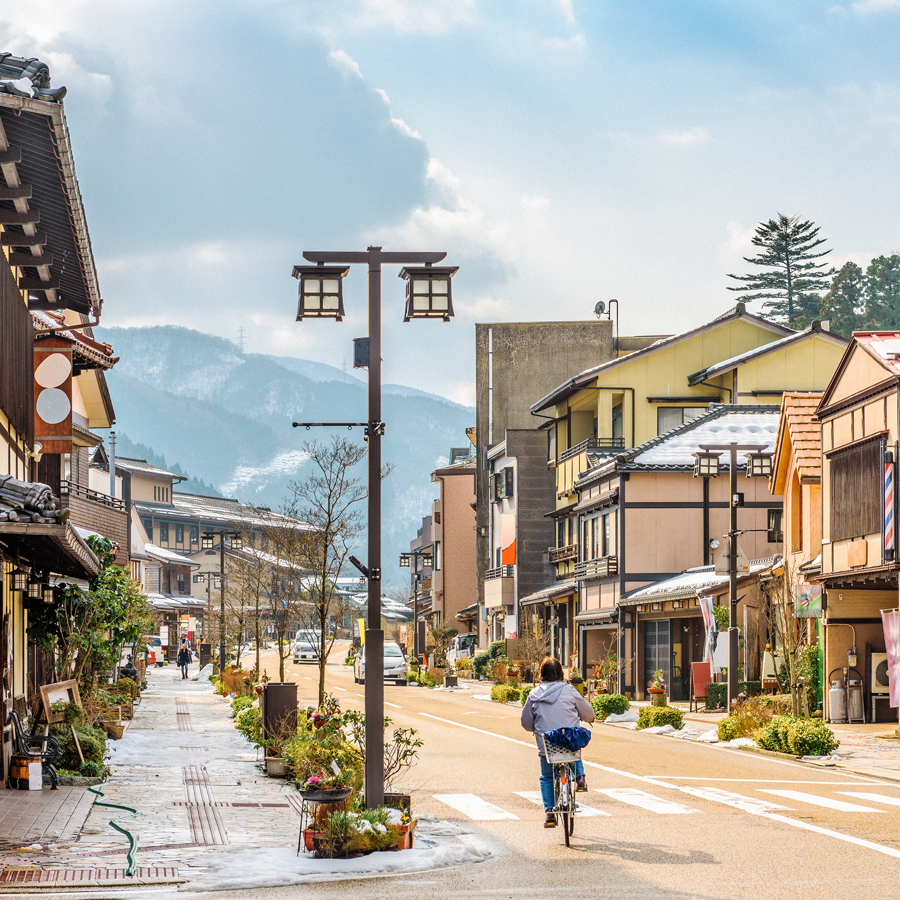
The small hot spring resort town of Yamanaka Onsen has not only been immortalised in numerous Haiku by the celebrated Japanese poet Bashō, who extolled the virtues of its rejuvenating waters – but is also renowned for its rich lacquerware heritage. Nestled amongst the mountains of Ishikawa prefecture, on the northwestern coast of Japan, Yamanaka Onsen’s humid climate is particularly well suited for working with natural Urushi lacquer. The origins of Yamanaka Shikki (山中漆器) or Yamanaka lacquerware, can be traced back to around 1580 with the arrival of a group of woodworkers from the nearby city of Echizen who specialised in the art of Rokuro-biki (轆轤挽き) – woodturning: shaping wood on a lathe. The goods they produced were sold as souvenirs to the onsen hot spring tourists and the area soon became known for its fine lacquerware, particularly tea ceremony accessories.

Production

Keyaki 欅

Japanese zelkova or Keyaki is a particularly strong and valuable wood that was historically used to make bows for samurai. Its density and beautiful grain make it perfect for the production of high quality Urushi wares. Before it can be used, the wood is stored for several years until it has sufficiently dried out to ensure that the final product does not warp. Once dried it is ready to be cut and turned into Kiji, which is then coated in multiple layers of lacquer.

Tate-kidori 縦木取り

For added stability, Yamanaka wares are typically cut on the vertical grain, or Tate-kidori, which also serves as a decorative feature to showcase the natural beauty of the wood grain. This is further highlighted by coating in transparent lacquer.
Care

After use, wipe off any matcha residue with a soft dry cloth or tissue. If absolutely necessary, the Natsume may be cleaned with a slightly damp cloth and dried immediately with a towel. Do not soak or store in direct sunlight.

Please note that Natsume are used to hold matcha for the duration of the tea ceremony. For general storage, please place matcha in an opaque, airtight container.

Our recommendations

Loading...
The image could not be loaded.