

NEW "Yin & Yang" teaware collection – find inner balance with every sip

Furong Shan
Anhua Heicha P.Free

Super Premium 97 P.

SKU
4963
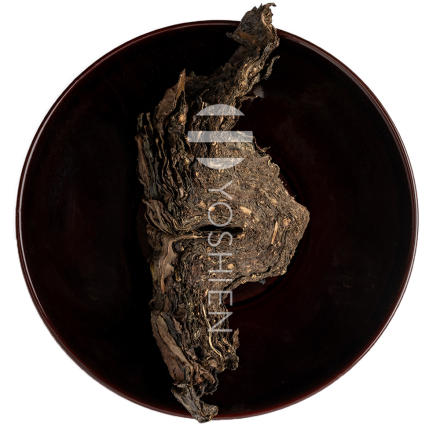
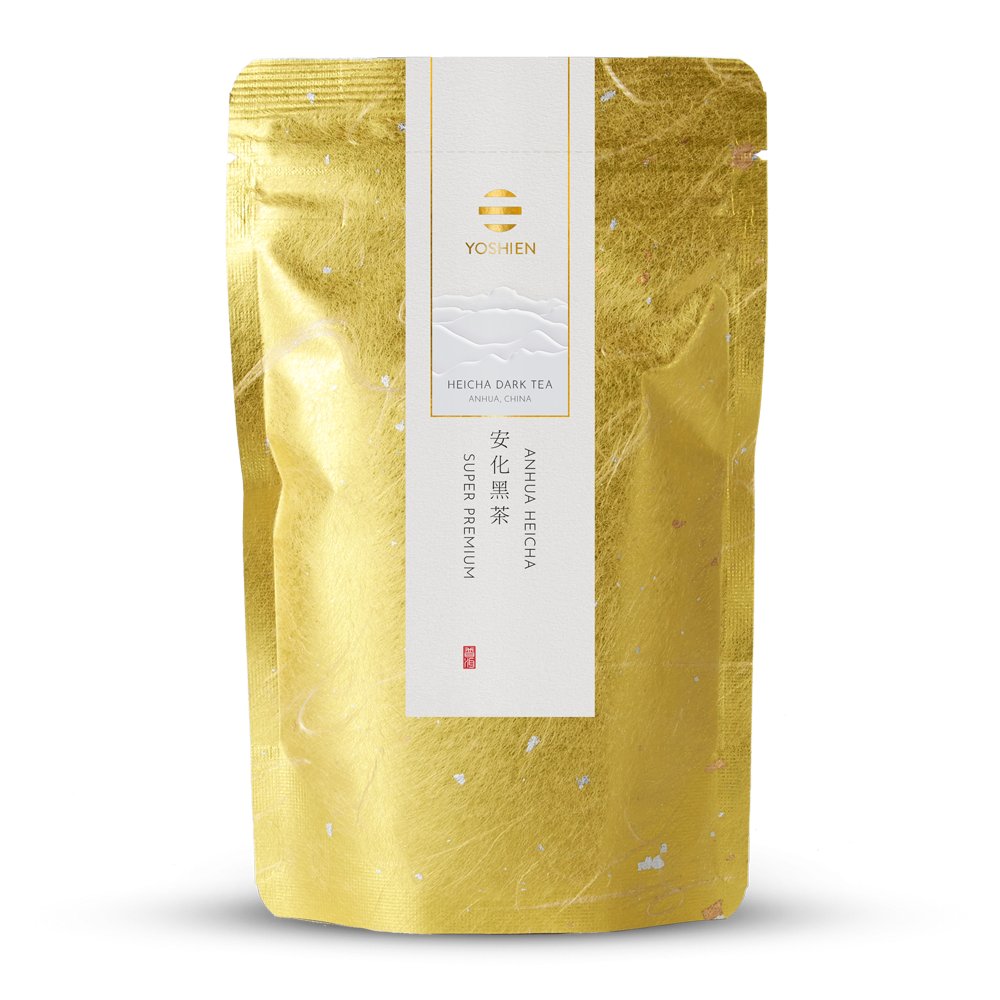
Rare fermented brick tea from Anhua, China, grown in pristine natural surroundings on the slopes of Mount Furong and meticulously produced by an experienced farmer – the only one in the region to hold Organic CERES certification. An extremely rare tea of super-premium quality. 50g
  • One of China’s most precious and mystical teas
  • Historic terroir shaped by rare Ice Age rock formations, creating exceptionally nutrient-rich soils
  • Leaves harvested from trees over 100 years old, deeply rooted in mineral-rich layers
  • A distinctive flavour developed through long, natural fermentation
  • Highly yielding and ideal for further ageing
Character Flavoursome, mineral, hints of sandalwood sweetness
Tea Farm Renowned Heicha producer and the only CERES-certified organic producer in Anhua
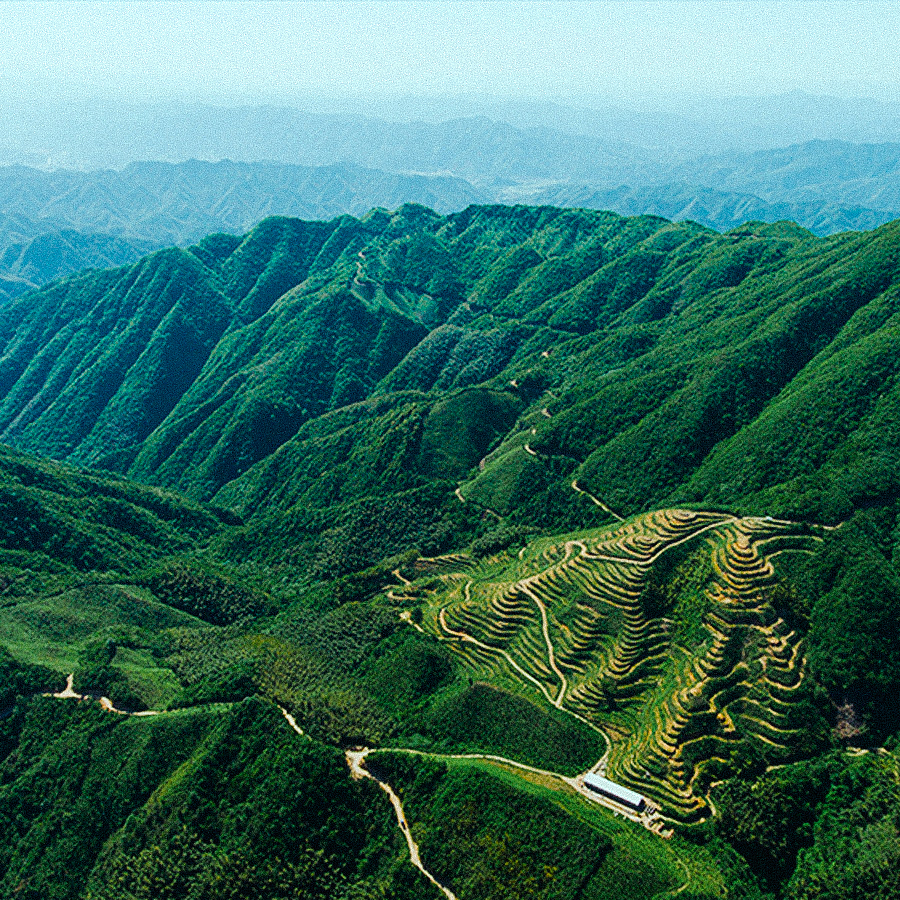
Terroir Furong Mountain, Anhua
Harvest Autumn 2020
Cultivar Wild, native cultivar
Elevation 1,400m above sea level
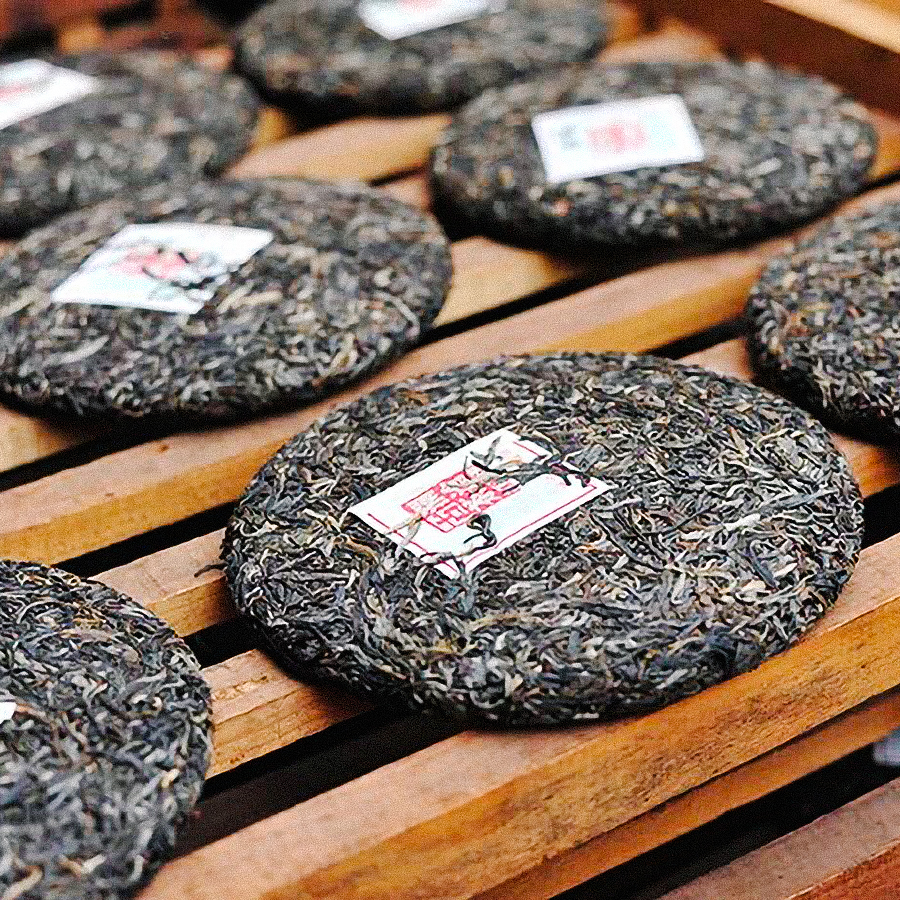
Processing An elaborate process in which raw Heicha is produced and pressed into brick form, then fermented for 40 days to produce a complex aroma and the characteristic yellow spores of the probiotic coronoid Eurotiales fungus
Cultivation  Pesticide-free cultivation
Grade 97/100 p. (fermented tea category); Super Premium
€30.90
50g

Delivery : up to 5 business days

Incl. VAT, excl. shipping

SKU
4963
€618.00 / 1kg
In stock
Furong Shan Anhua Heicha P.Free

Tea Farm

The tea farmer brings many years of experience to his craft and works with state-of-the-art processing facilities that ensure carefully controlled fermentation. His teas are the only dark teas from Anhua to have been presented to the United Nations as a diplomatic gift.

Furong Shan Anhua Heicha P.Free

Character

Tasting Notes

The infusion reveals a fruity sweetness and distinct minerality, with delicate notes of apple and berries, subtle sandalwood and hints of autumn leaves. Flavoursome hints emerge on the finish, reminiscent of an aged Sheng Pu Erh. Overall, this is an exceptionally well-balanced and smooth tea, with an almost creamy texture.

Leaf

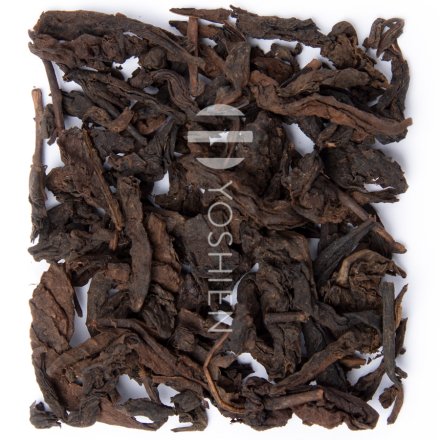
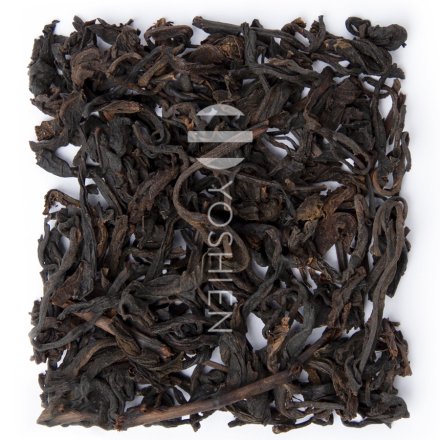
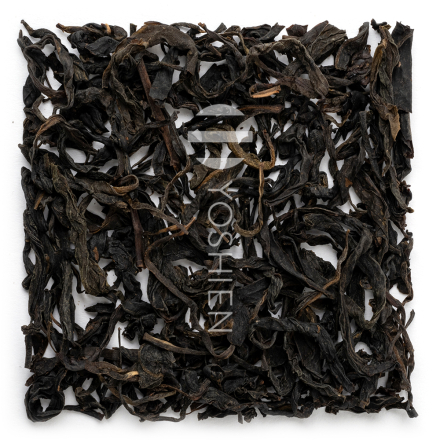
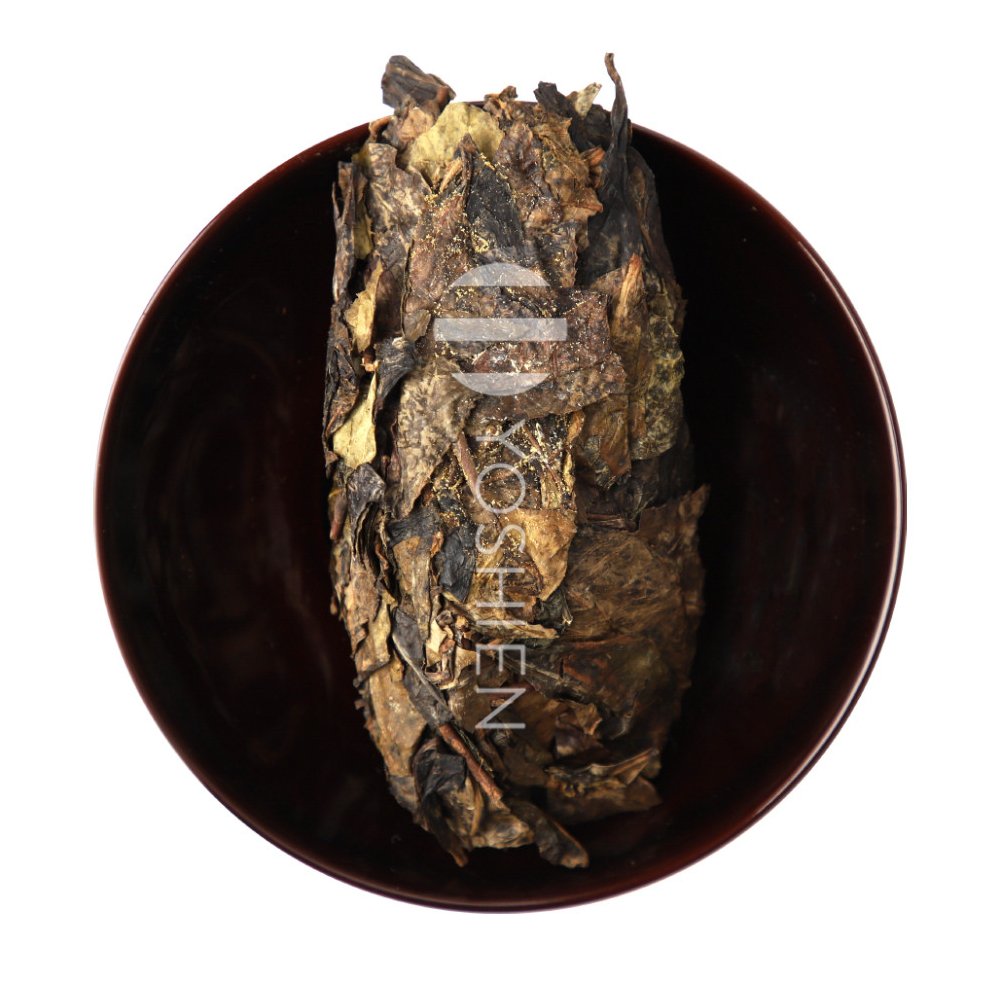
Large, dark brown leaves with characteristic "golden flower" spores from the probiotic coronoid Eurotiales fungus.

Cup

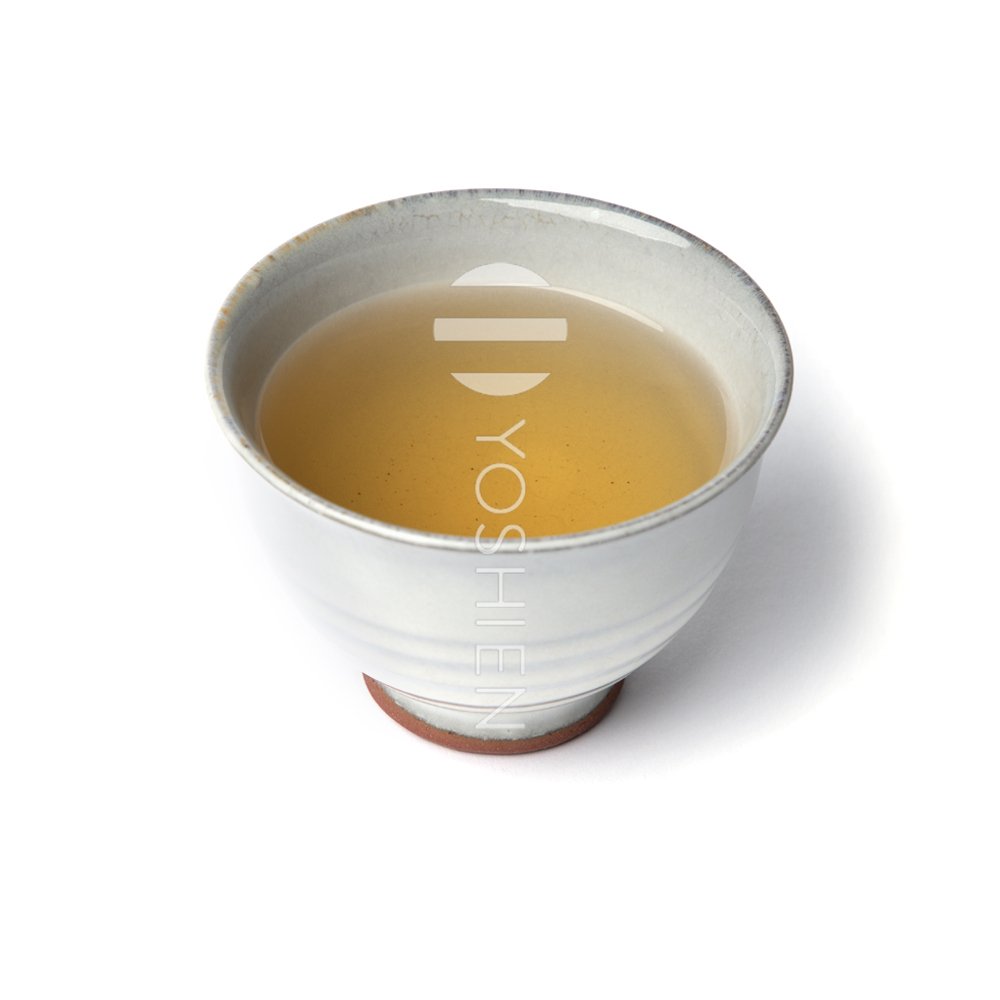
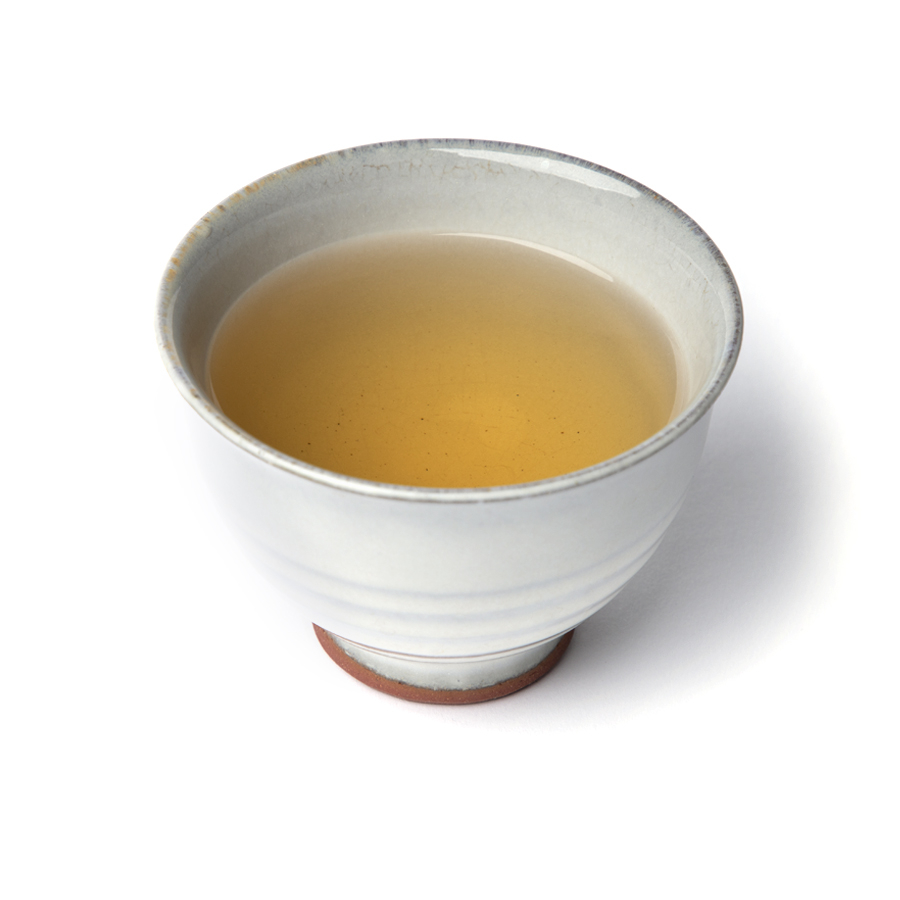
Soft morning orange

Furong Shan Anhua Heicha P.Free Furong Shan Anhua Heicha P.Free

HEI CHA

Anhua Heicha, also known as Anhua Dark Tea, has a long and rich history dating back to the Tang dynasty (618–907 AD) and gained popularity during the Ming dynasty (1368–1644 AD). The tea originates from the Anhua region in Hunan Province, China, and is renowned for its unique production method, in which the tea is fermented and then often pressed into various shapes, including bricks, cakes, and other forms. In recent years, Anhua Heicha, much like other fermented tea specialities (Pu Erh in particular) has grown considerably in popularity thanks to its distinctive flavour, its potential to develop beautifully with age, and its traditionally valued health properties.

Yoshien Labortests

Laboratory Tests

We go to great lengths to identify the finest organic tea farms across the world’s most celebrated terroirs. All our teas are sourced directly from the farmer and, with a few exceptions, are certified organic or come from pesticide-free farms. Each batch of tea for every harvest is tested for pesticides and other pollutants in an independent German lab to ensure they meet our strict quality standards as well as HACCP food safety requirements.

Yoshien

Yoshi En

Premium Organic Teas

Our comprehensive portfolio focuses on organic, single-origin teas sourced directly from renowned farms. We believe in creating partnerships with farmers who share our values and are committed to sustainable, responsible tea cultivation. Thanks to these strong relationships our exciting range is constantly growing and evolving. As an international team of dedicated and passionate tea experts, we are committed to preserving centuries-old tea culture while ensuring it remains relevant and continues to bring joy in the present. About Yoshi En.

Cultivation & Processing

The glacial rocks of Anhua, in China’s central Hunan Province, are remnants of a global ice age some 650 million years ago. Among the rarest geological formations on Earth, they were shaped during a period of extraordinary climatic change, as an age of extreme cold gave way to dramatic global warming. Their remarkable age has earned them the local names ‘longevity stones’ and ‘stones of good fortune’, and they have long been treasured as part of Anhua’s natural heritage. Today, the region is home to the world’s largest concentration of these ancient rocks, accounting for around 85% of known global deposits. Over hundreds of millions of years, the rock has weathered to form a porous soil rich in organic matter and a diverse range of minerals. It is an exceptional environment for tea, giving Anhua a terroir unlike almost anywhere else – ancient in origin and imbued with a certain sense of mystery.

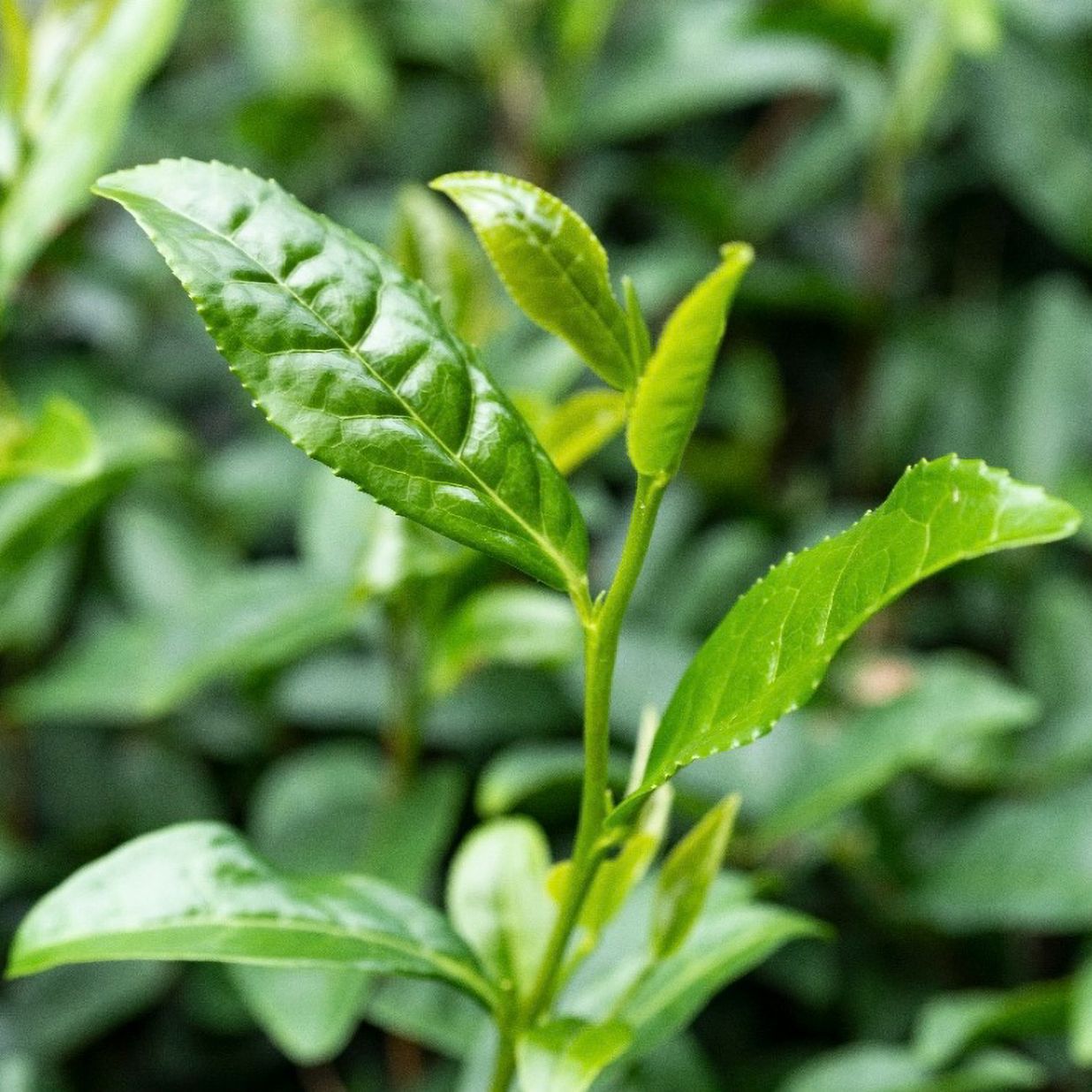
That ancient landscape finds its natural expression in Anhua Hei Cha. Deeply rooted in its place of origin, the tea is known for its ability to mature beautifully over time, developing greater depth and complexity with age – a quality often compared to that of Pu Erh. The making of Anhua Hei Cha begins with carefully selected leaves, typically harvested in spring or early summer from large-leaf varieties of Camellia sinensis. For our Hei Cha, the leaves come from exceptionally old tea trees, some more than a century in age. Their roots reach deep into the earth, penetrating the mineral-rich layers of ancient rock below. After harvesting, the leaves are left to wither and begin their natural oxidation before being rolled. They then undergo the traditional ‘kill-green’ process, in which heat is used to halt further enzymatic oxidation. Anhua Hei Cha has its own distinctive approach: before the leaves are roasted in the manner characteristic of many Chinese teas, they are first exposed to hot steam.

The leaves are then rolled and carefully piled under controlled conditions, allowing microbial fermentation to take place over several days. Known as ‘piling’, this is one of the defining stages in the creation of Hei Cha and a technique also found in the production of Shou Pu Erh in Yunnan. The connection between the two traditions runs deeper still. When the modern method of producing Shou Pu Erh was developed in the 1970s, its makers drew on fermentation techniques long established in Anhua Hei Cha. In this sense, Hei Cha can be considered an important precursor to Shou Pu Erh. Following fermentation, the leaves undergo a second phase of rolling and roasting. Finally, they are carefully dried with heat in an oven, completing the transformation from freshly harvested leaf into Anhua Hei Cha.

100% pure

Preparation

Brewing Guide

5 heaped tsp per 150ml (100°C) water. Steep briefly (15-30 seconds). Suitable for several infusions.

Packaging

High quality, airtight, resealable standing zipper pouch with nine protective layers to preserve flavour and protect against oxidation and contamination. The tea is vacuum packaged according to the highest standards in Japan, with a small quantity of nitrogen added to the package to protect against oxidation.

Recommended Teapot

The ideal teapot for this tea is one made of porcelain or Yixing clay.

Recommended Storage

We recommend a high-quality tea caddy made of cherry bark (solid wood, Kabazaiku Chazutsu), or for a more affordable option, an internally-coated airtight tea caddy.

Test results

We find it very important that our teas are pure and produced in a way that respects the environment. For this reason, each one of our teas is tested for pesticide residues by an independent laboratory, the results of which can be found here. Some of our teas are also tested for specific nutritional compounds, in which case the test results are also published here.
Test results

Our recommendations

Loading...
The image could not be loaded.