



Gokase 五ヶ瀬
Gokase is situated at a relatively high elevation, at over 500 metres in the mountainous north of Miyazaki. Although it still lies within a subtropical climate zone, with summer temperatures reaching up to 33°C, night-time and winter temperatures here can drop significantly, at times falling as low as –10°C. Snowfall is not uncommon in winter, and frost may occur from early October through to the end of April.
Kamairi
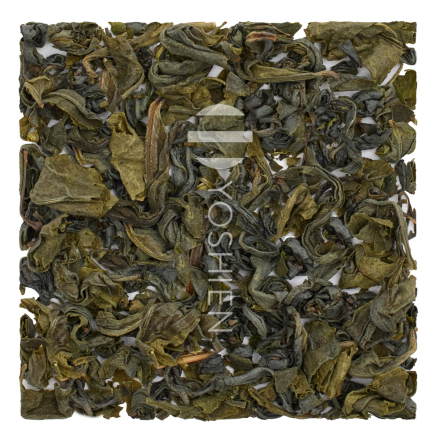
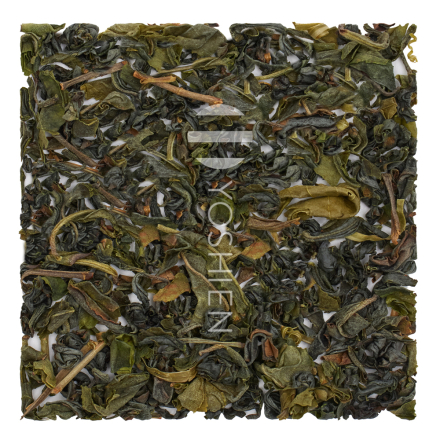
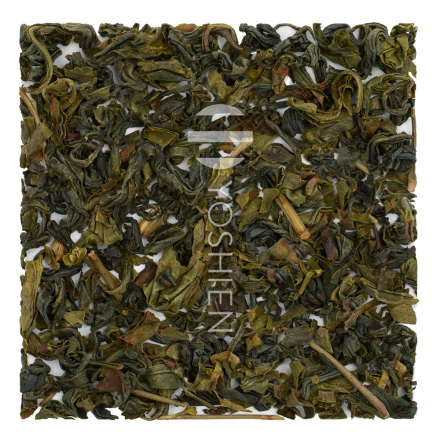
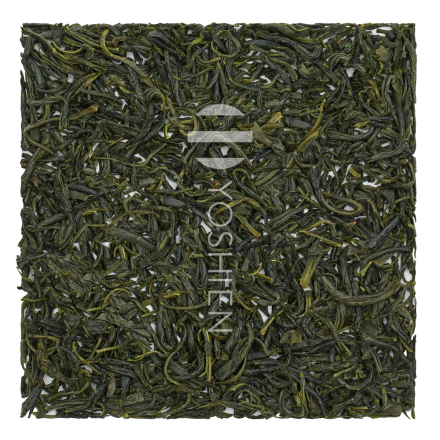
This green tea is produced as Kamairicha (釜炒り茶) – with kama (釜) meaning “kiln”, iri (炒り) “roasted”, and cha (茶) “tea”. It is crafted in a manner closely resembling most Chinese green teas, where oxidation is halted via pan-firing.
Kamairicha is considered a rarity in Japan, with only a small number of tea farmers specialising in this distinctive style.
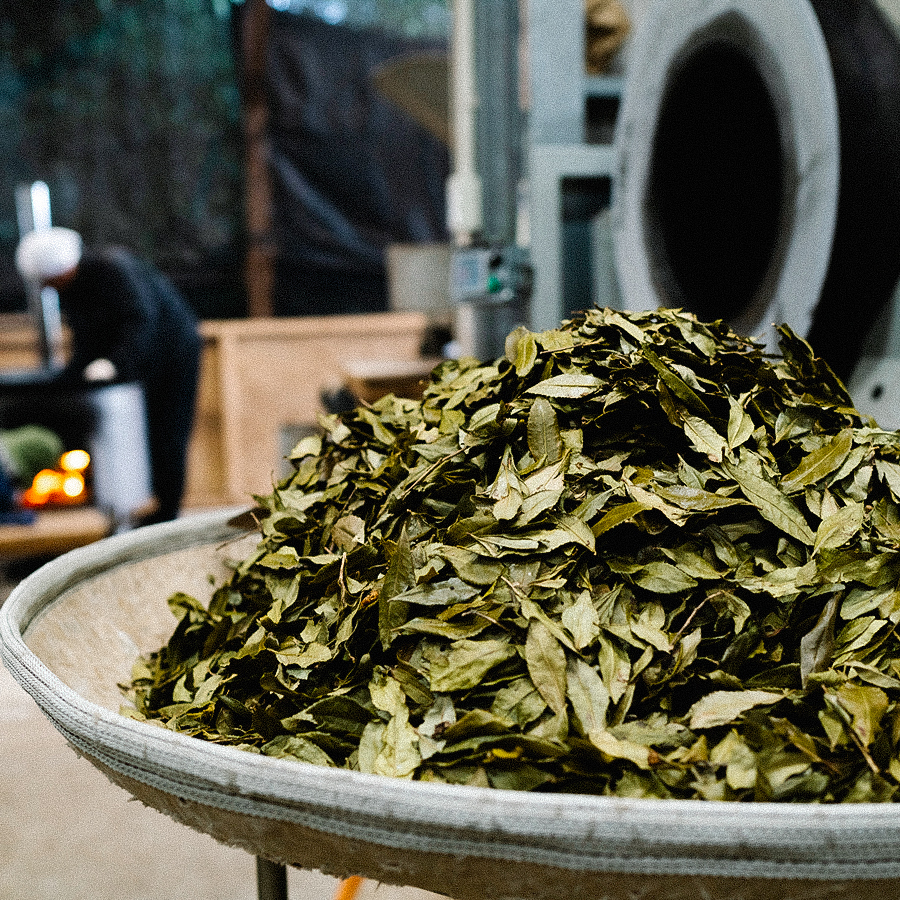
Pan-firing
There are numerous variations of Kamairi techniques. Traditionally, the tea was hand-roasted in a pan heated with high-quality wood, providing a steady and long-lasting heat at varying temperatures.
In Miyazaki and Kumamoto (Aoyanagi method), this process was carried out primarily in a flat pan (Hiragama), which was also used for roasting other crops. In Ureshino, the tea was typically fired in a specially designed pan set at an angle of around 45 degrees.
Today, most production in Japan relies on metal kilns powered by gas or electricity. The tea is usually fired in several stages, initially for a short period at high temperatures of around 300–400°C, followed by a gentler finishing phase at approximately 100°C.
Kamairicha and Ceramics: A Shared Chinese Heritage
The Kamairicha technique was originally introduced to Japan from China alongside ceramic kiln technology. It was brought to Ureshino by the Chinese potter Hong Lin Min (紅令民) in 1504. Kamairi and tea seeds from China were brought to Yame as early as 1406, brought to Reigan Temple by the Japanese monk Eirin Shyuzui. Since then, Kamairicha has become firmly rooted in the tea culture of Kyushu. Tea farms in the northern highlands of Miyazaki, as well as in Ureshino, are today regarded among Japan’s finest producers of this distinctive style.
Kamairicha
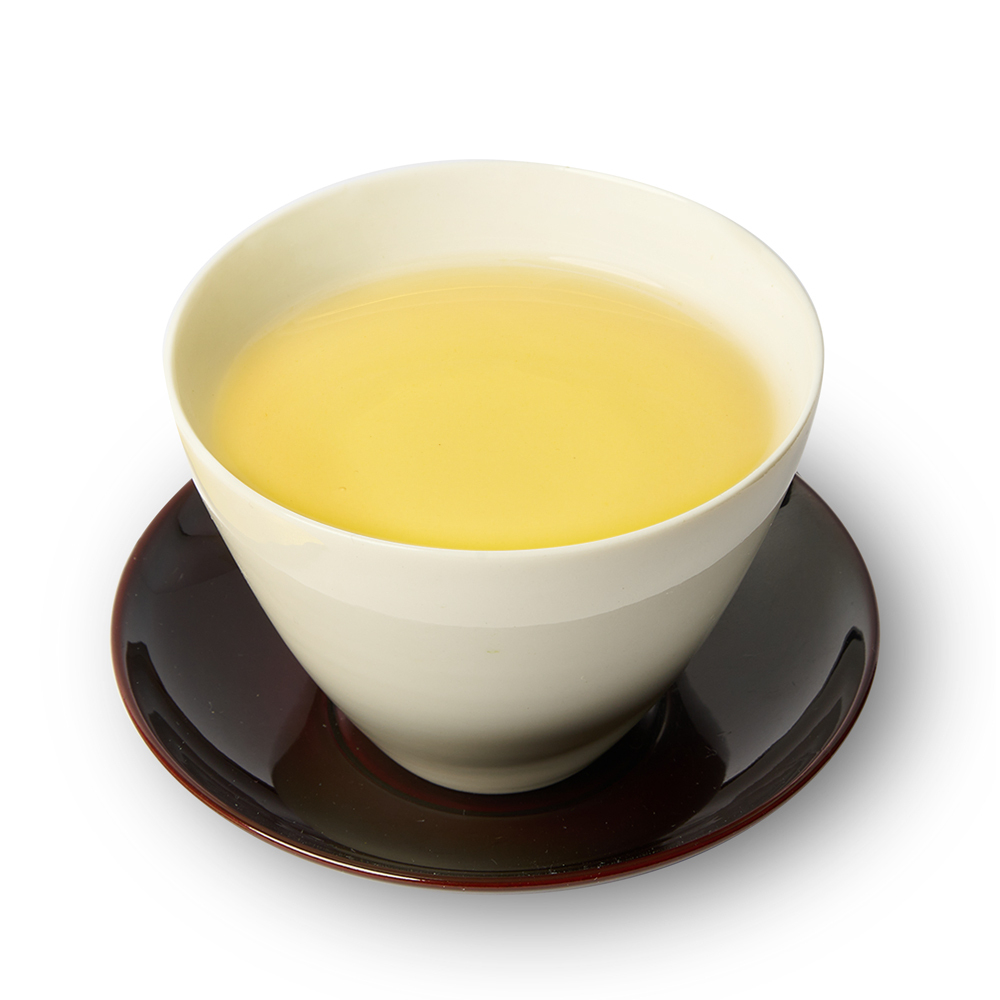
Unlike steamed green teas, this tea develops a distinctive, gently nutty character through kiln firing. It is notably lower in bitterness and astringency, with reduced chlorophyll and grassy notes, and a sweet, lingering finish. This characteristic profile is known as "kamaka" (釜香) – from kama (釜, “kettle” or “pan”) and ka (香, “aroma”). Kamairicha also pairs exceptionally well with rich, savoury dishes, complementing the hearty cuisine traditionally enjoyed in Kyushu.