



The Terroir of Minami-Yamashiro
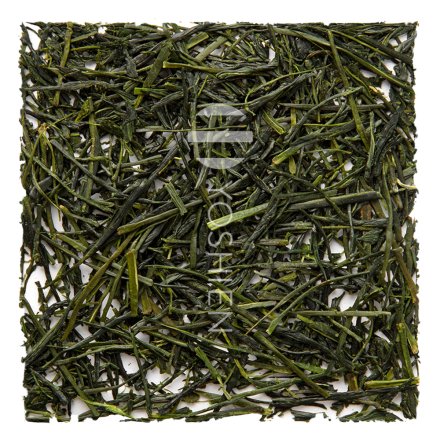
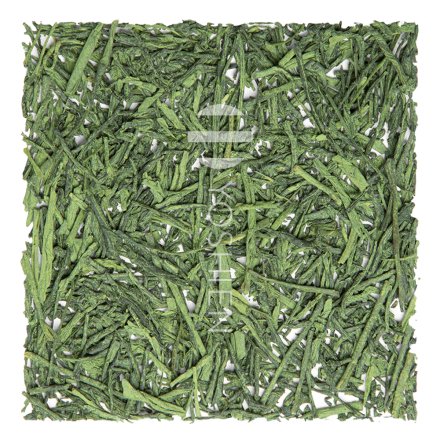
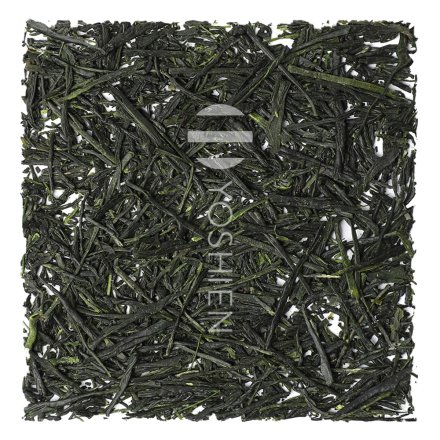
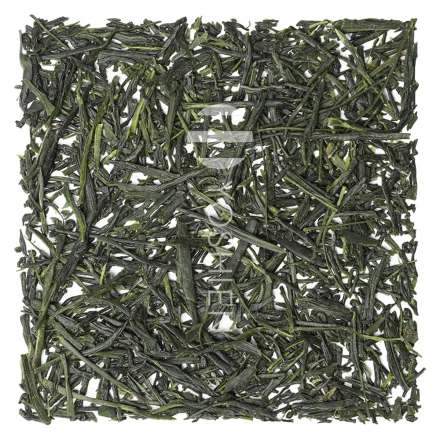
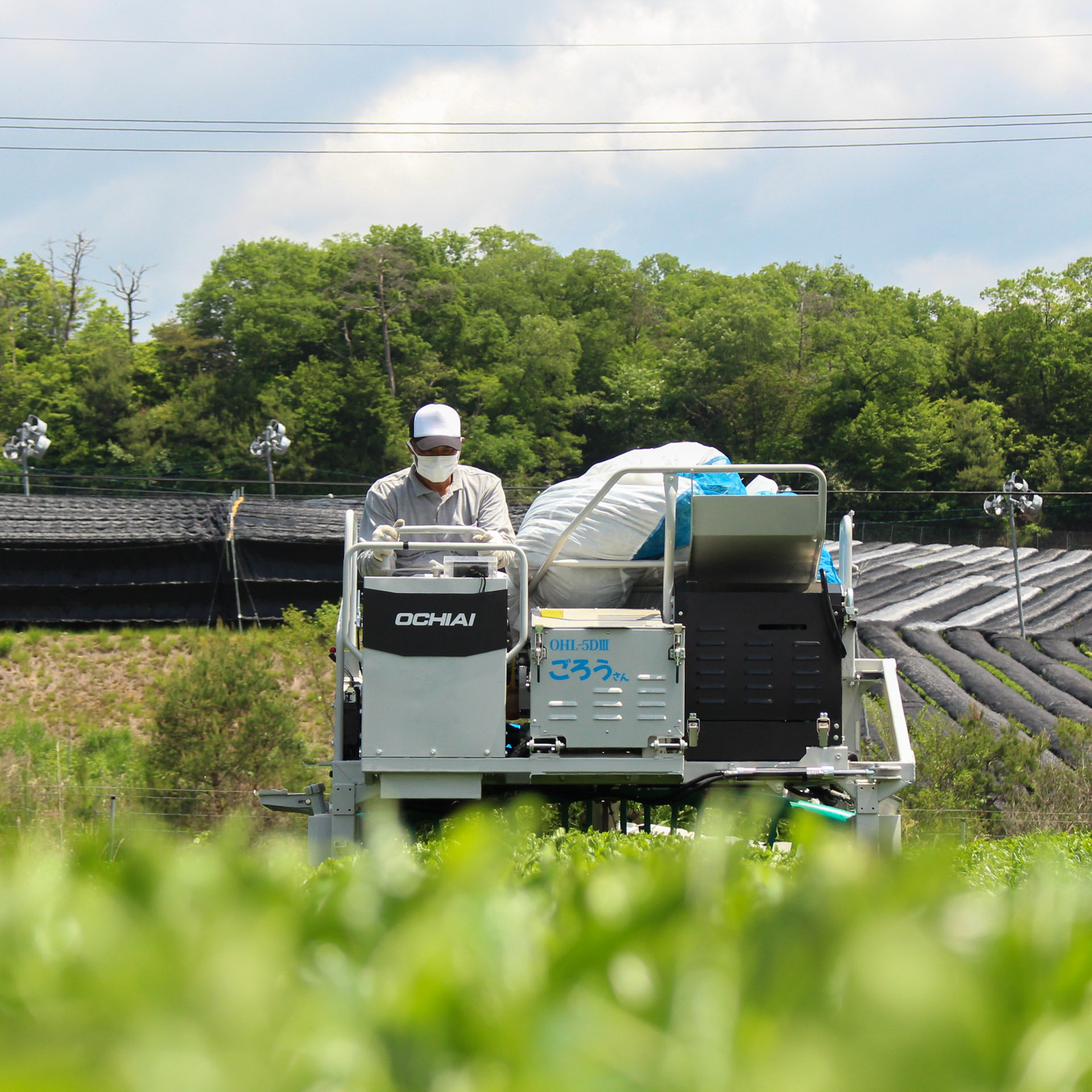
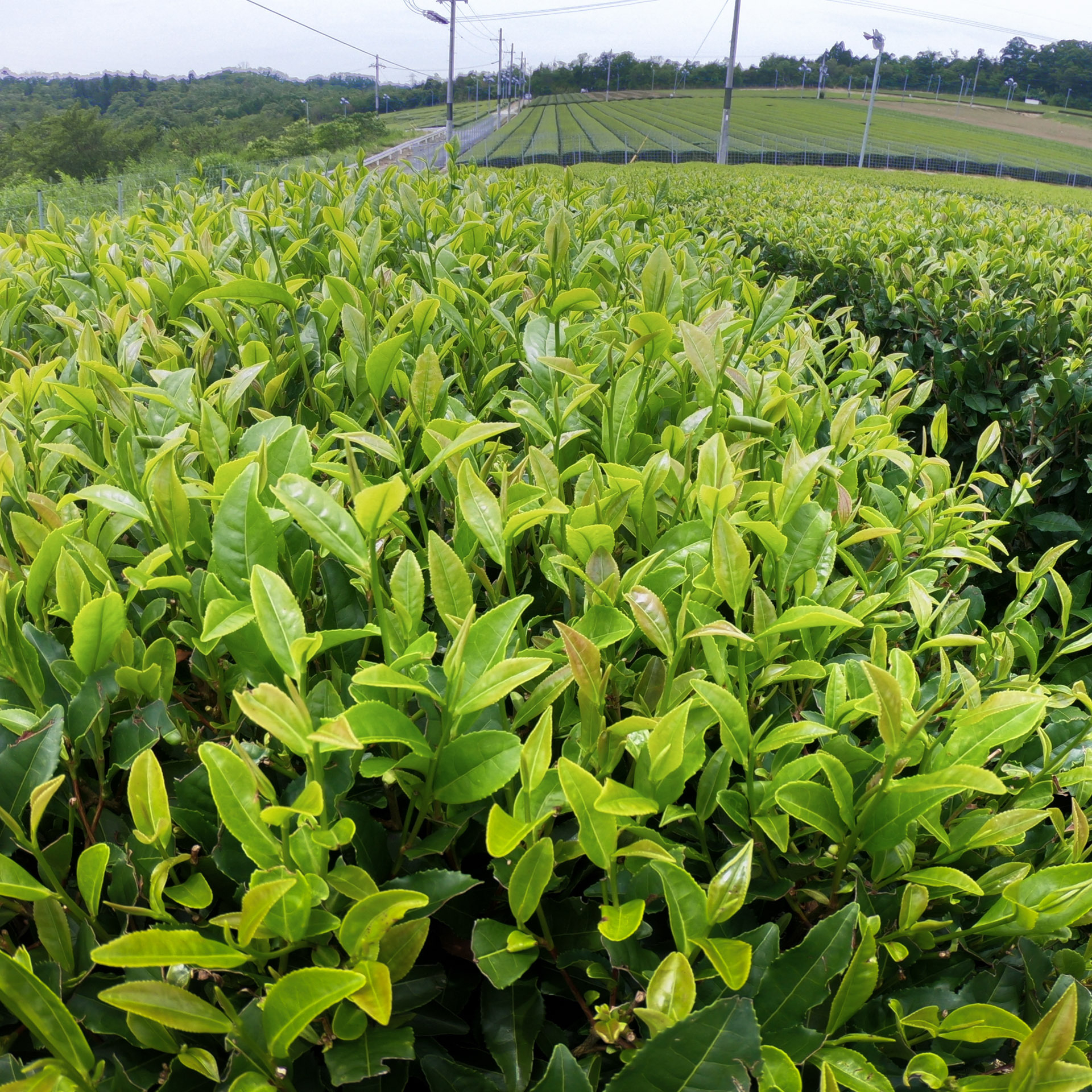
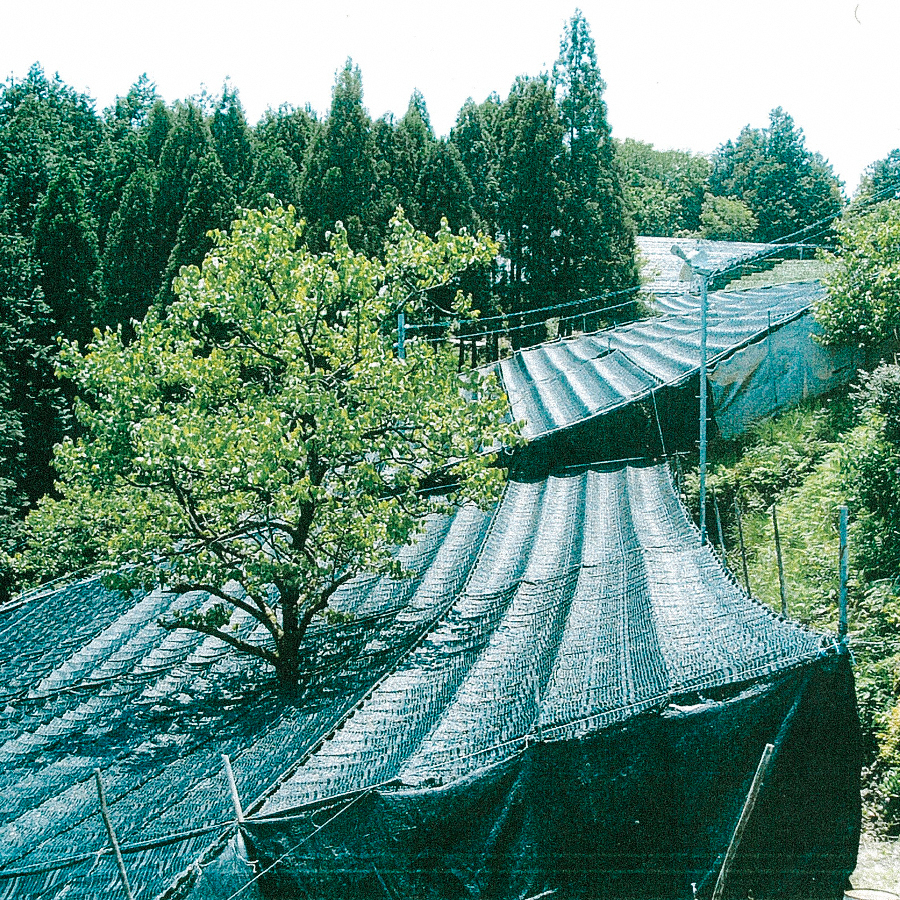
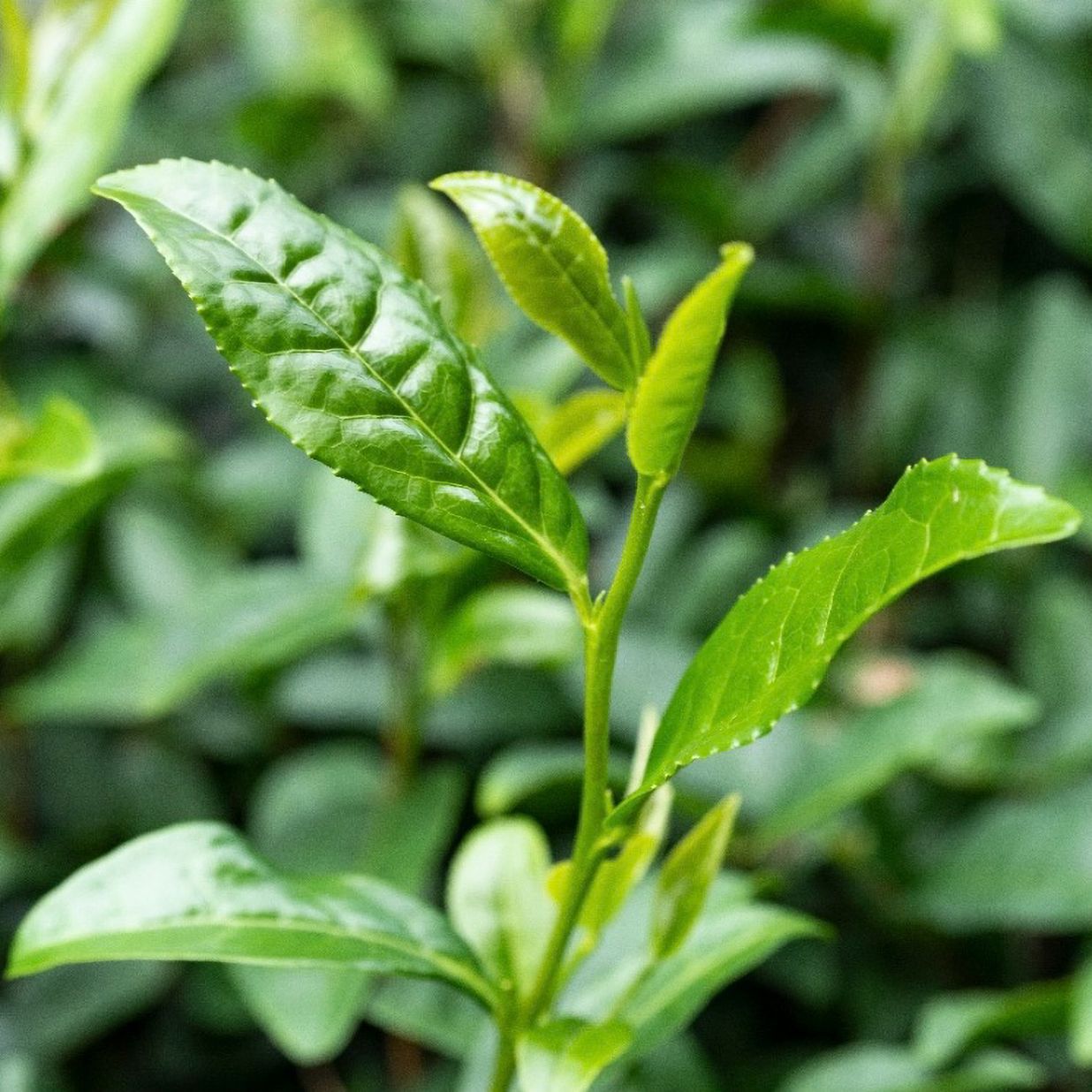
The mountainous village of Minami-Yamashiro in the southern part of Kyoto Prefecture has been one of the most important growing regions for Uji tea for more than 230 years. Steep mountain slopes, very little flat land, the fog shaped by the Kizu River, large temperature differences between day and night, and mineral-rich soils create ideal conditions for growing exceptionally aromatic and high-quality teas. Today, 57 tea farmers cultivate the region’s characteristic hillsides across approximately 276 hectares.
Although Minamiyamashiro is known to only a few tea enthusiasts outside of Japan, about one-fifth of Kyoto Prefecture’s total Uji tea production comes from this small mountain village. In particular, the sencha teas produced there have consistently won top prizes at regional tea competitions for decades, underscoring the region’s outstanding reputation as one of the most important centers of Japanese tea cultivation.
Uji-cha (宇治茶)
Few regions in Japan are as closely intertwined with the history of green tea as Uji in Kyoto Prefecture, the cradle of Japanese green tea. While the roots of the legendary name Uji lie primarily in ground matcha, the region is also home to the legendary Nagatani Soen, who is considered one of the inventors of the modern sencha processing method and who, more than almost anyone else, contributed to the significance of Uji and Ujitawara as tea centers.
The region is situated in a geographical location ideal for tea cultivation on the eastern and southern slopes of the Kyoto Basin in the prefecture of the same name. This location, combined with soil layers rich in sediment—nourished over millennia by deposits from the Uji River creates ideal soil conditions, as the plants’ roots are constantly bathed in water without the risk of waterlogging. Most of the fields are situated on naturally formed terraces. Thanks to the surrounding mountain ranges, the fields are also optimally protected from severe weather and are subject to abundant fog formation. This not only provides moisture but also natural shade for the plants an important factor in the intense and famous Uji umami. The harsh, stimulating climate—with significant temperature fluctuations between day and night and heavy rainfall during the rainy seasons further contributes to creating nearly ideal conditions for tea cultivation.
Today, however, the term “Uji-cha” no longer refers exclusively to tea from the immediate Uji region. In addition to the traditional growing areas around Uji, select tea-growing regions in Kyoto, Nara, Shiga, and Mie prefectures are included under the protected designation of origin, provided that the teas are produced using the processing method developed in Uji and processed by processing facilities in Kyoto Prefecture. In this way, Uji-cha today encompasses several growing regions historically closely linked to Uji, which together carry on the tradition of this famous tea-growing region.
The History of Ujicha
The history of tea in Uji dates back to the early 12th century and traces its origins to none other than the Zen monk Eisai, the forefather of Japanese green tea, who, according to historical sources, brought the first seeds and seedlings from China to Japan and passed some of them on to the Zen priest Myoe Shonin, who used them to plant the first tea fields in Uji.
Under the alternating patronage of various shoguns, the reputation of Ujicha steadily improved, so that by the end of the 16th century it was considered the best tea in Japan and was enjoyed not only by the emperor but also by the country’s cultural elite. Particularly as Sen no Rikyū developed and refined the tea ceremony, demand for ground tea from Uji grew significantly, contributing greatly to the region’s economic boom.
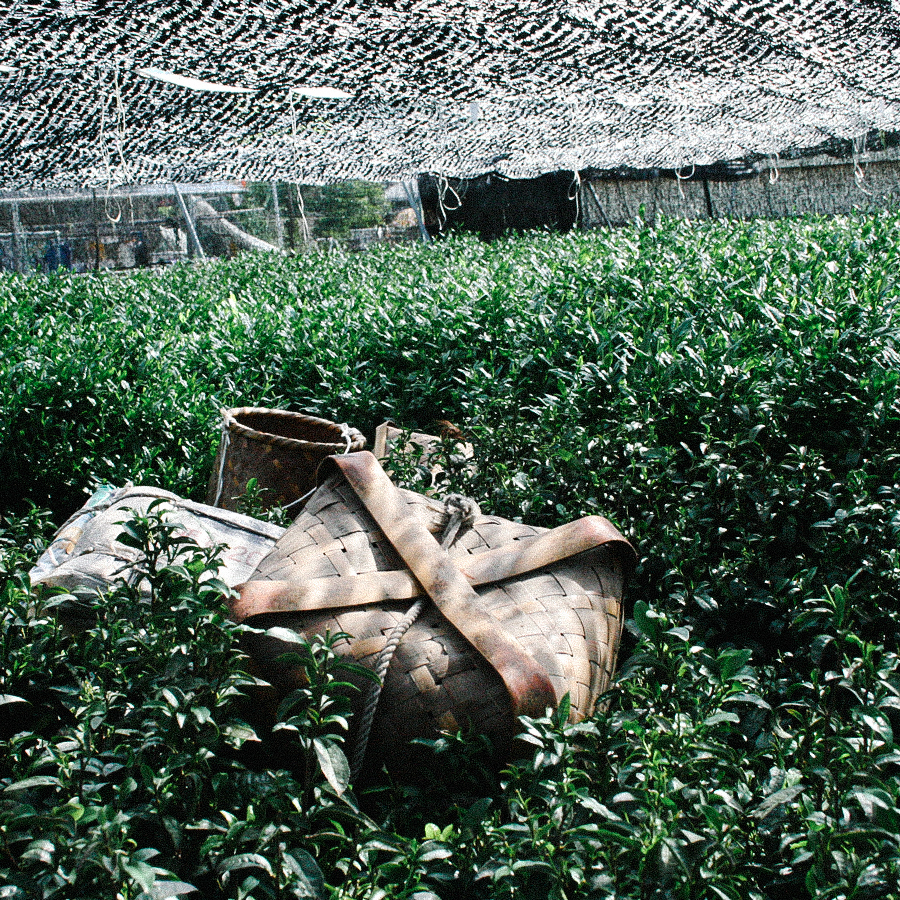
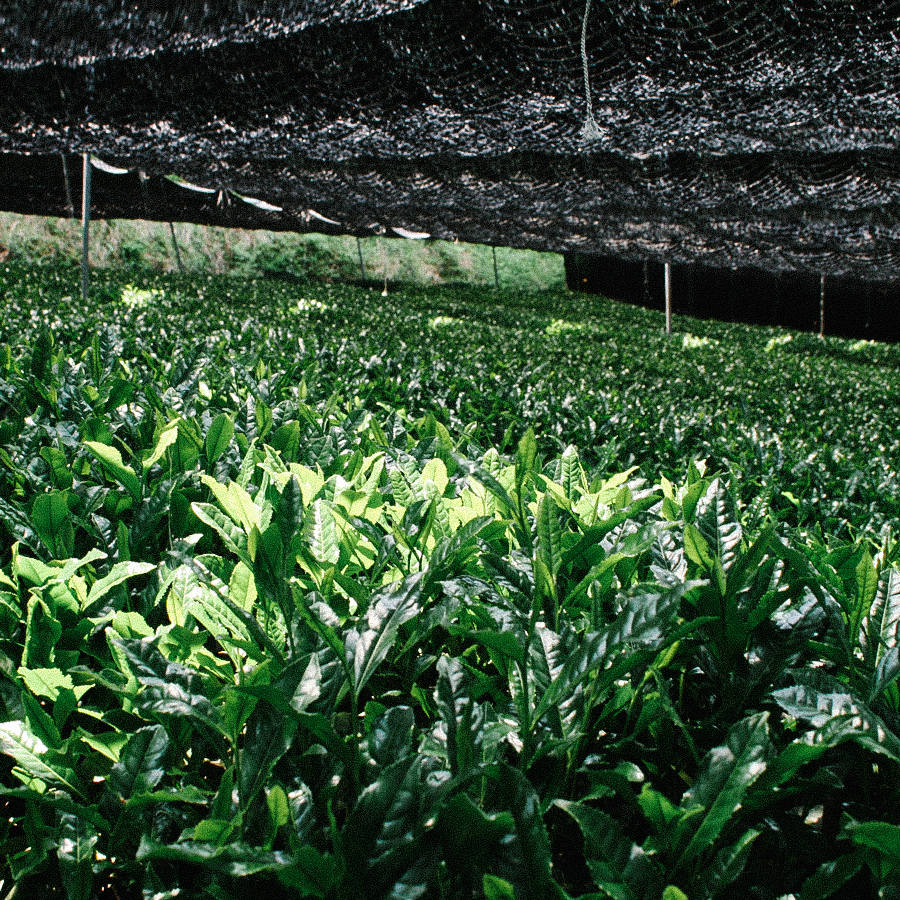
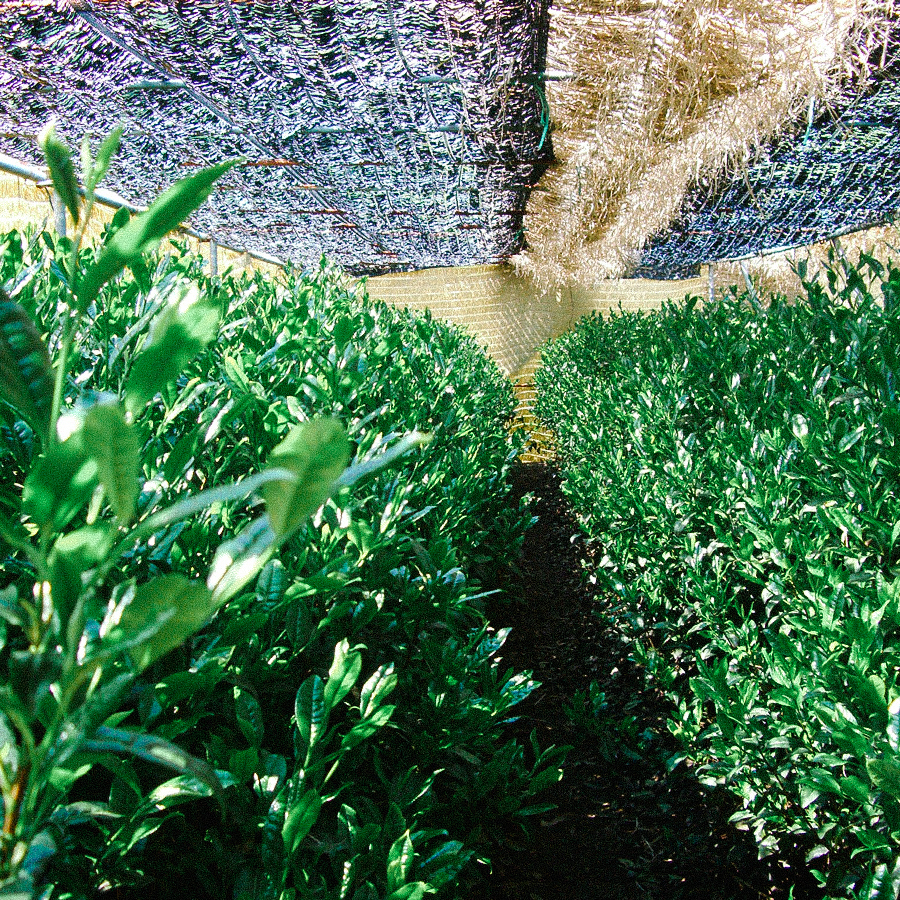
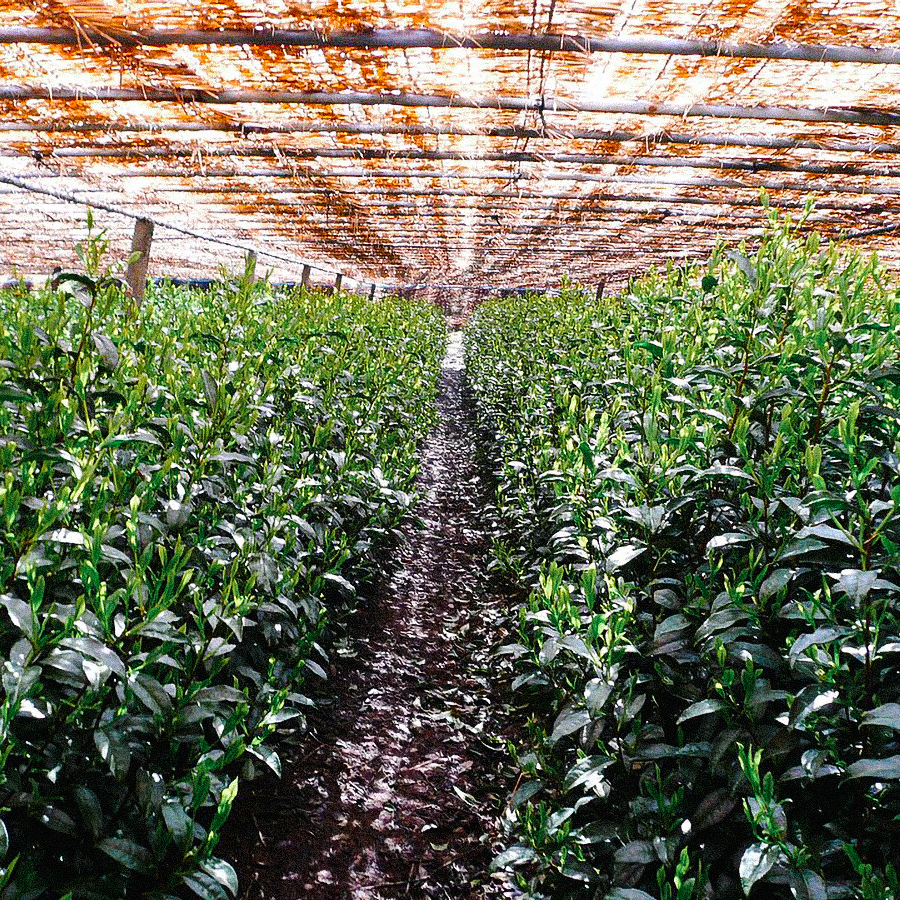
In the 16th century, tea farmers in Uji also invented a shading method called Ōishita Saibai, a precursor to the Tana shading method which uses rice straw on frame structures—now employed for the finest shade-grown teas. This process enabled the production of particularly sweet teas with a strong umami flavor and also provided natural protection against insects and environmental factors such as frost and hail.
However, these high-quality teas, known as honcha, were reserved exclusively for the upper classes of Japanese society. To counter this trend, the farmer Soen Nagatani developed the so-called Uji method at the beginning of the 18th century, which remains the basis for the production of Japanese sencha to this day and quickly spread throughout Japan thanks to Nagatani’s efforts.
To this day, Uji-chas regularly take top honors in national competitions and are particularly prized by tea lovers worldwide for their unique, sweet, full-bodied Uji umami.