


Thailand has increasingly made a name for itself for cultivating high-quality tea varieties originally from other countries. Notably, great emphasis is placed on pesticide-free cultivation, and in many cases the teas are even organically certified. In this respect, Thailand appears to have identified a promising niche. In order to achieve a high standard of quality, Taiwanese and Chinese experts were invited to Thailand some time ago to pass on their expertise to local tea farmers. Today, the quality of Thai teas is impressively high and often surpasses the average market quality found in both China and Taiwan. While they may not always rival the very finest teas of those countries, they nevertheless offer outstanding value for money.
Oriental Beauty (also known as White Tip Oolong) is among the rarest and most precious teas in the world. Its unmistakable hallmark is its exceptionally fruity, honey-sweet flavour and its relatively high level of oxidation. Both are the result of a natural symbiosis with a leafhopper species particularly common in Taiwan (Jacobiasca formosana). Each summer, these insects feed on the leaves and buds of the tea plant, triggering a natural defensive response. During this process, aromatic compounds are formed that attract the insect’s natural predator, a native species of spider. These protective substances are also responsible for the tea’s unique aroma and wonderfully sweet flavour.
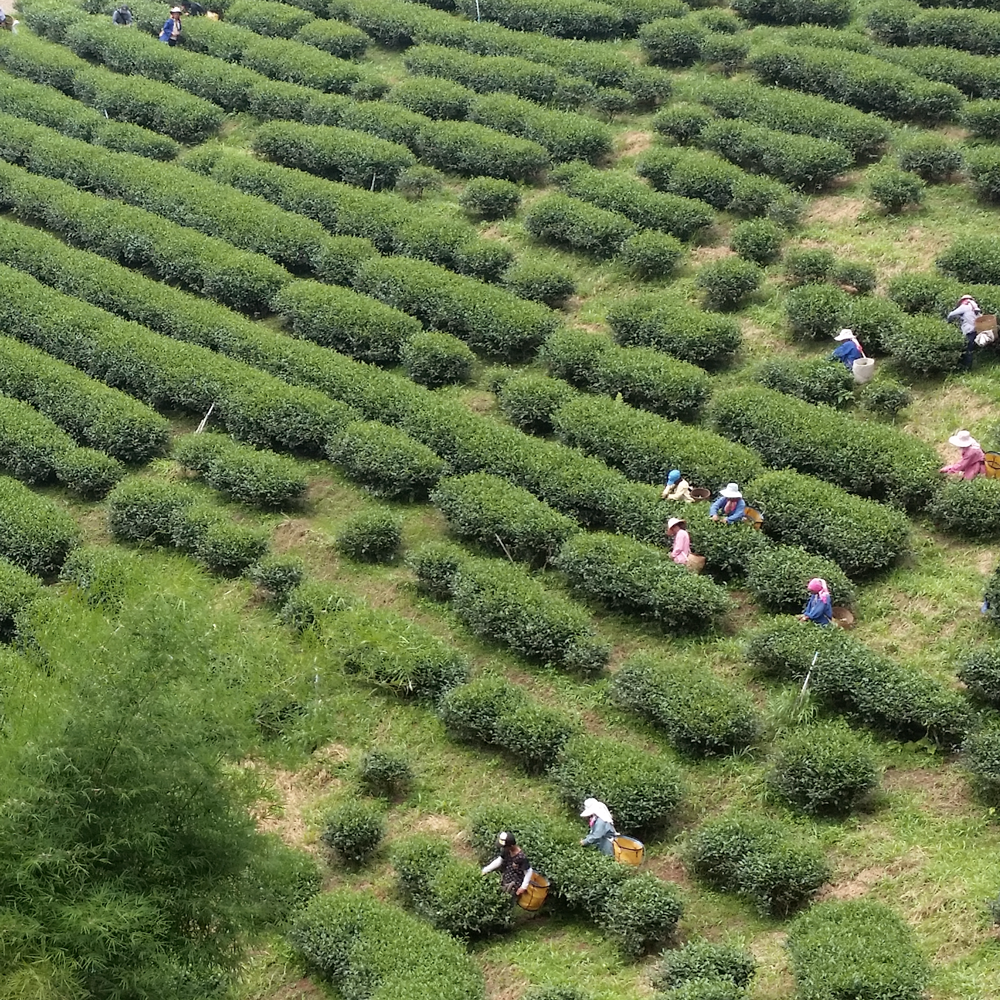
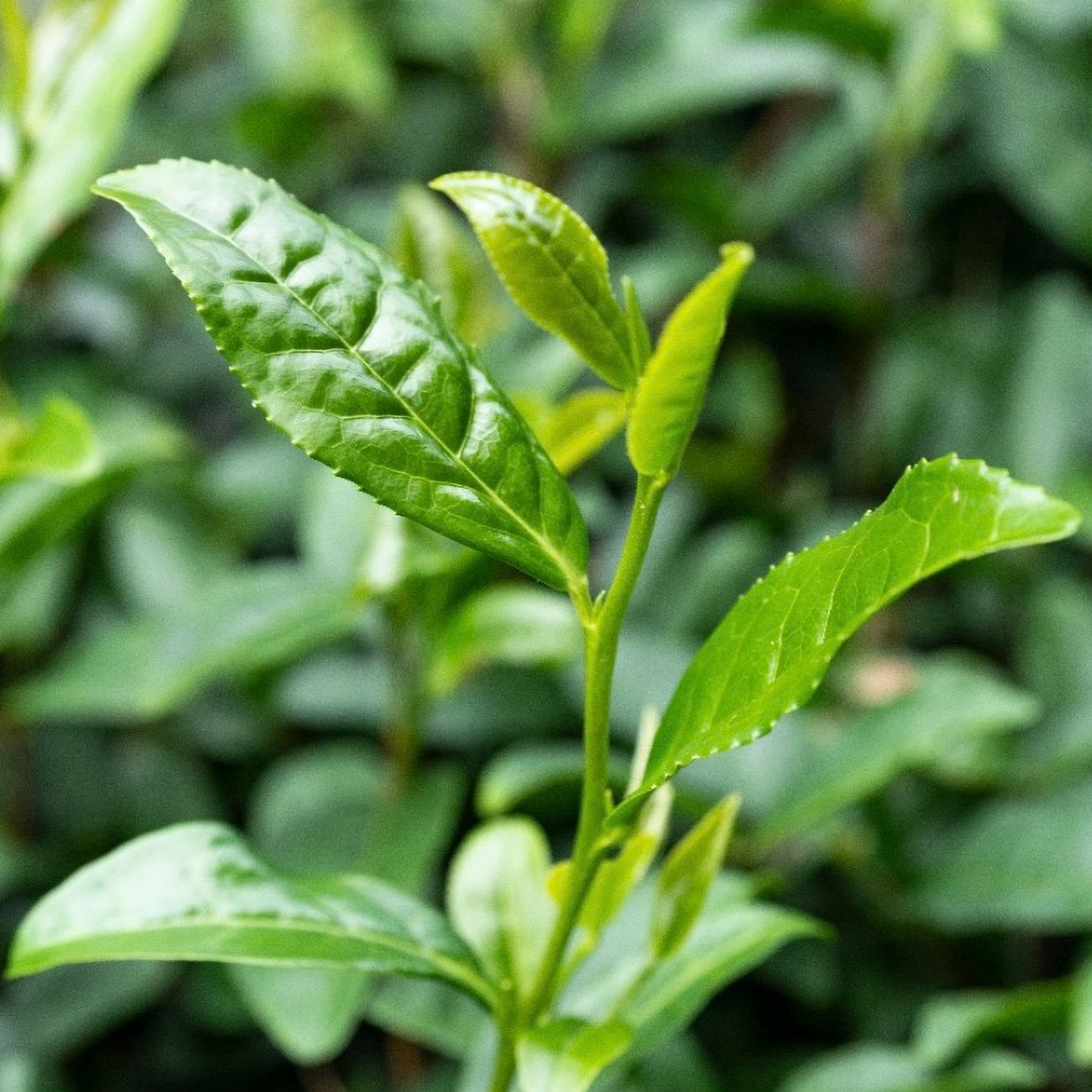
The harvest usually begins from mid to late May. It requires the utmost concentration from the pickers to select only the bitten buds and leaves, which in the case of the Qing Xin cultivar are also particularly small. There is considerable time pressure as well, as the affected leaves should be picked within seven days of the bite; otherwise they would lose a significant amount of their aroma and flavour. The bitten leaves can be recognised by their light yellow colour and slightly twisted shape and emit a highly aromatic, sweet fragrance.
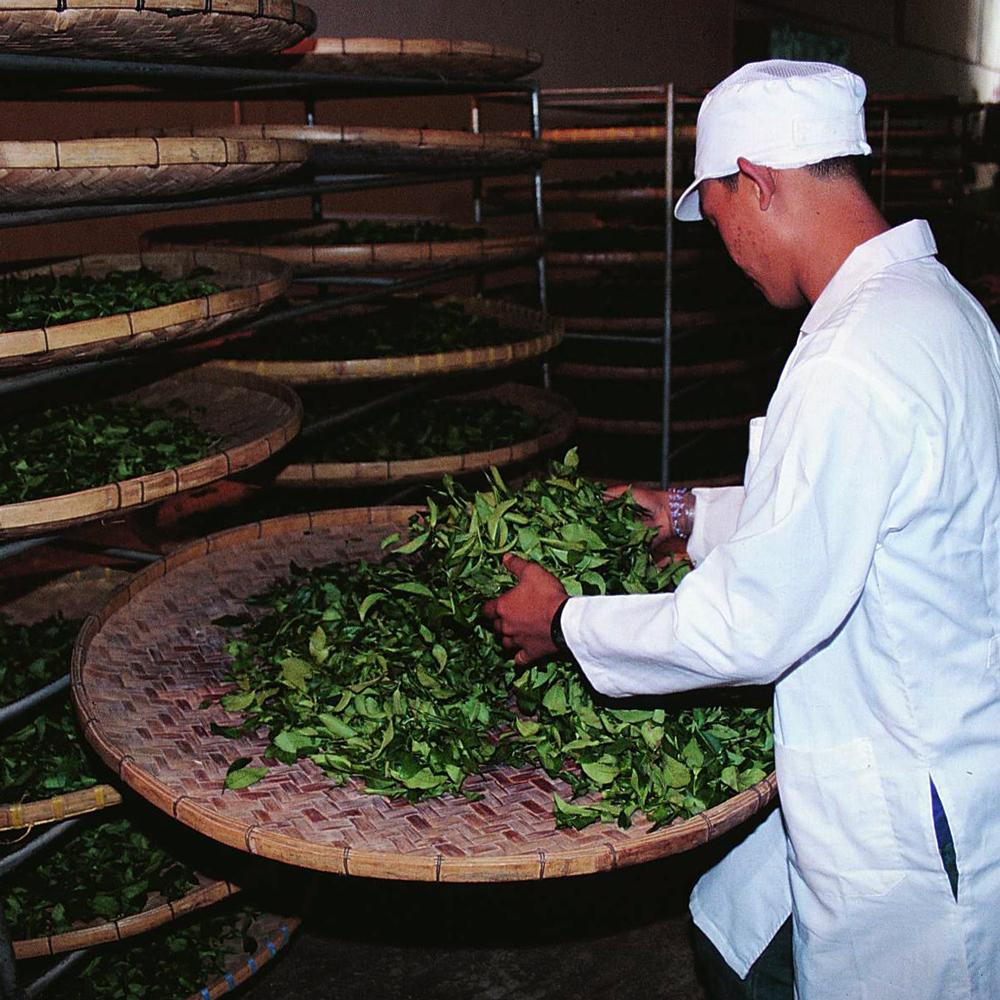
After harvesting, the tea leaves undergo the withering stage. Unlike other oolongs, the delicate Oriental Beauty leaves are not exposed to direct sunlight, as this would impair the tea’s natural sweetness. Instead, the leaves are spread out on bamboo mats in the shade and gently dried.
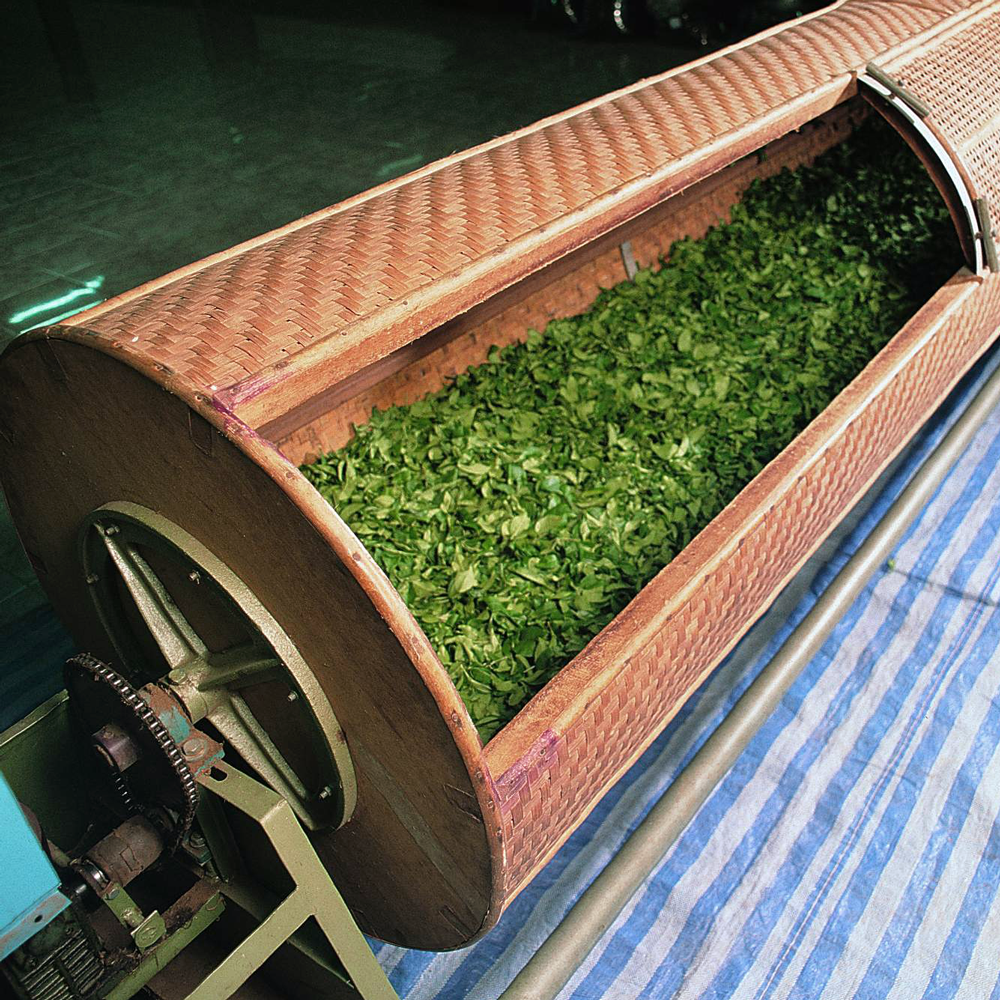
Once they have lost sufficient moisture and firmness, the oxidation stage begins. The plant cells are broken open through vigorous shaking, allowing the tea’s natural enzymes to be released. These react with the surrounding oxygen, causing the leaves to develop a slight reddish hue. At the same time, the flavour evolves, becoming sweeter. As is typical for Taiwanese oolong production, the leaves are then wrapped in a cloth and tightly compressed. This causes the leaf juices to be released and mingle with the surface of the other leaves. The leaves remain wrapped in the cloth for up to an hour.
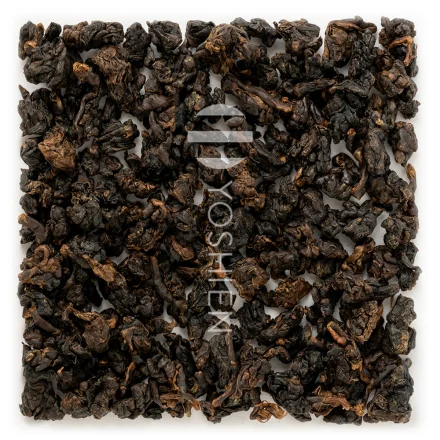
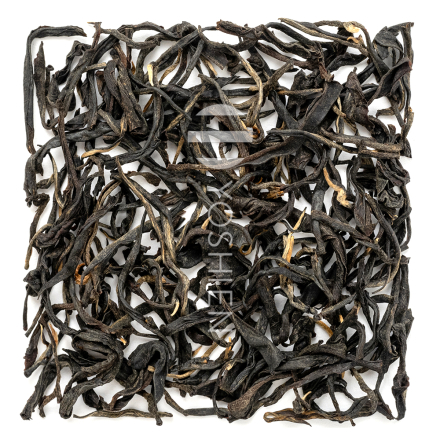
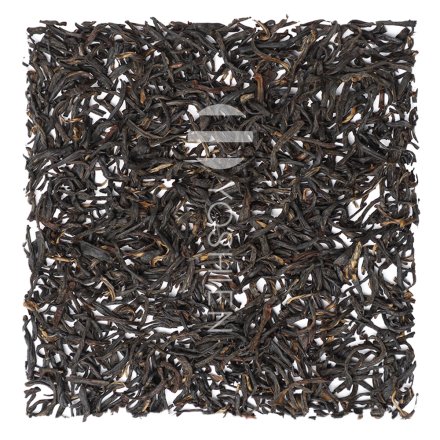
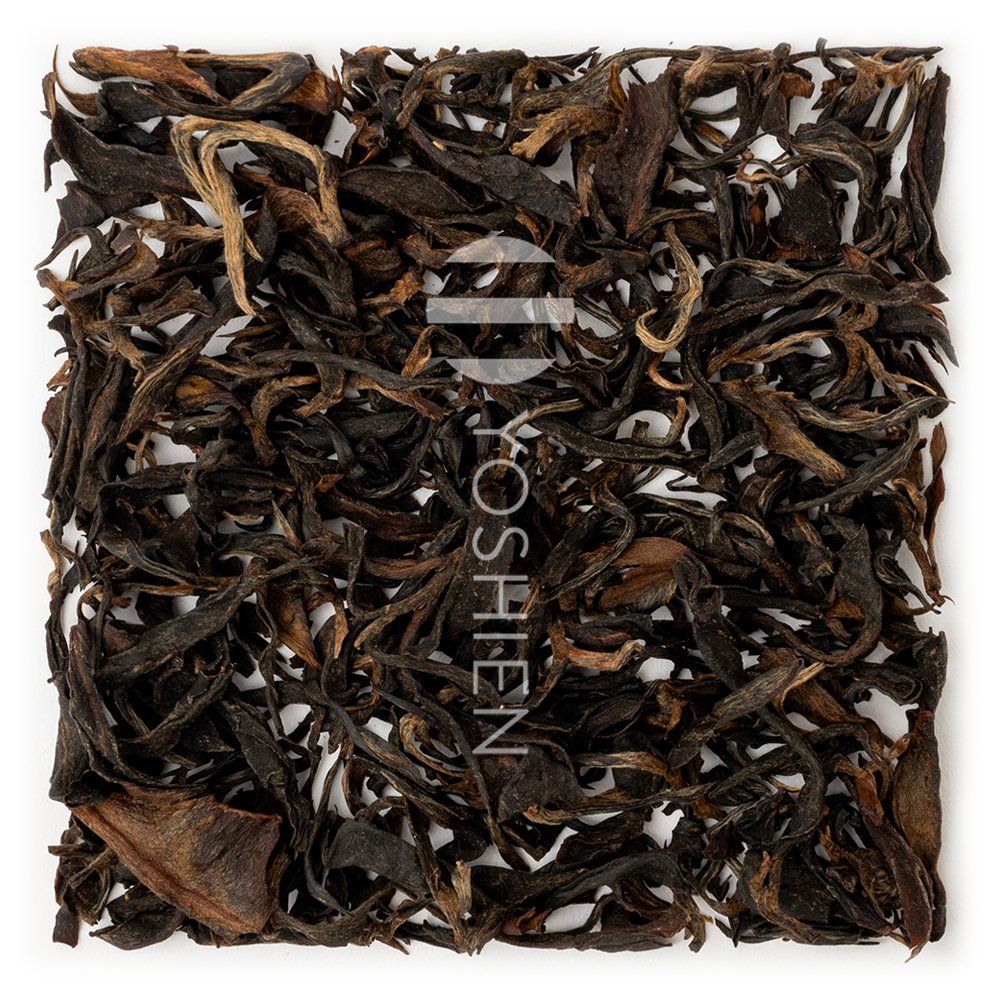
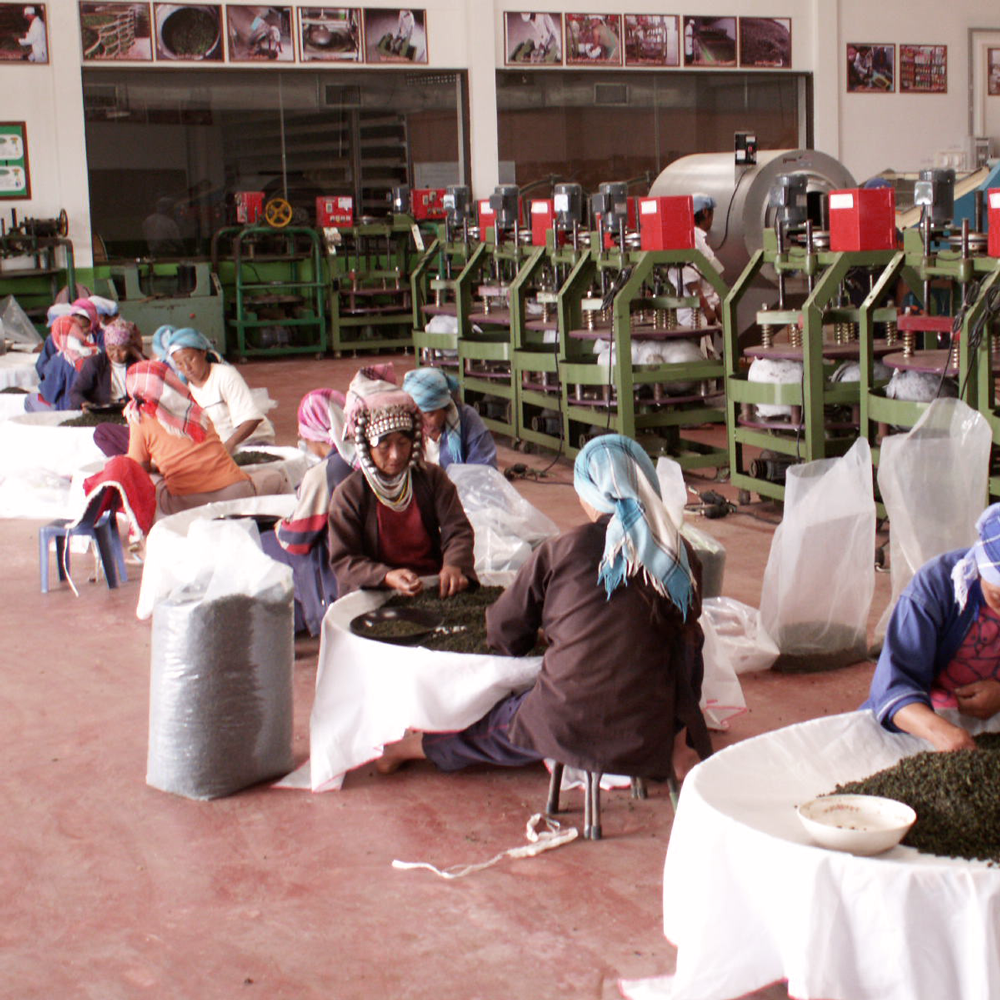
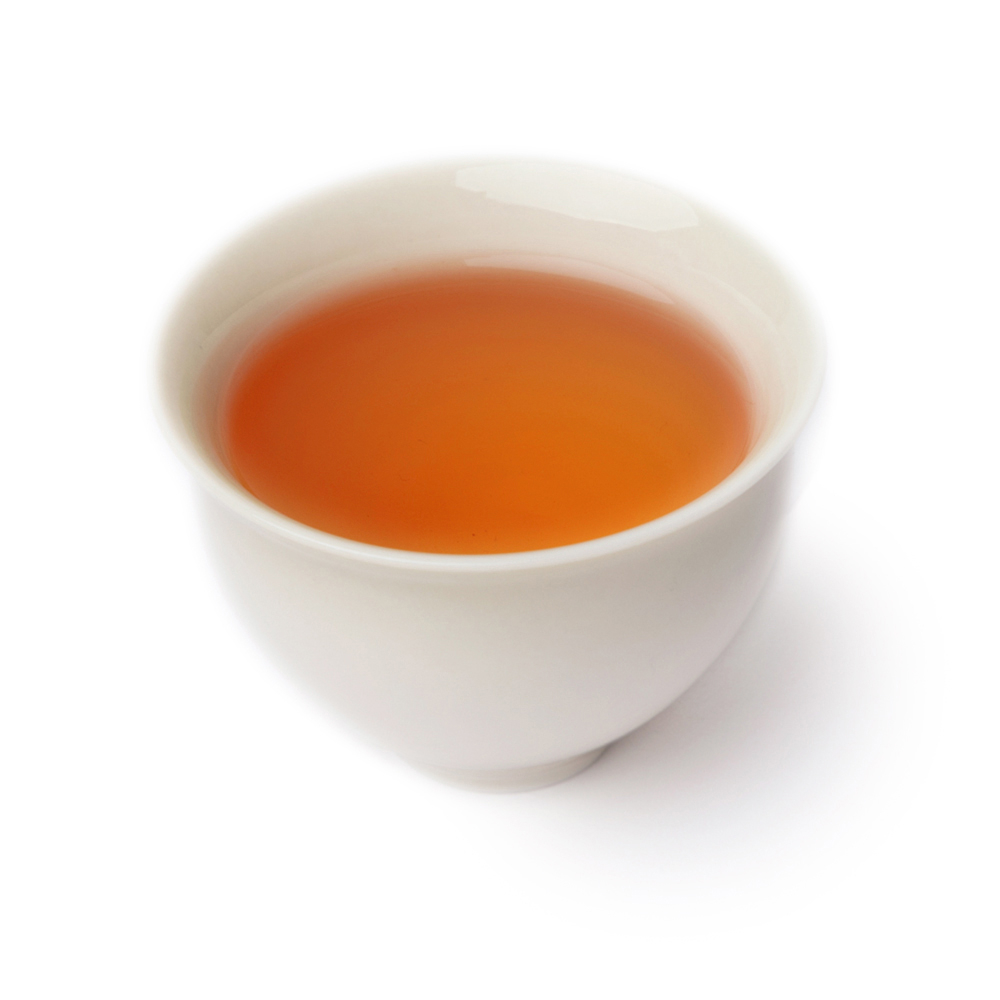
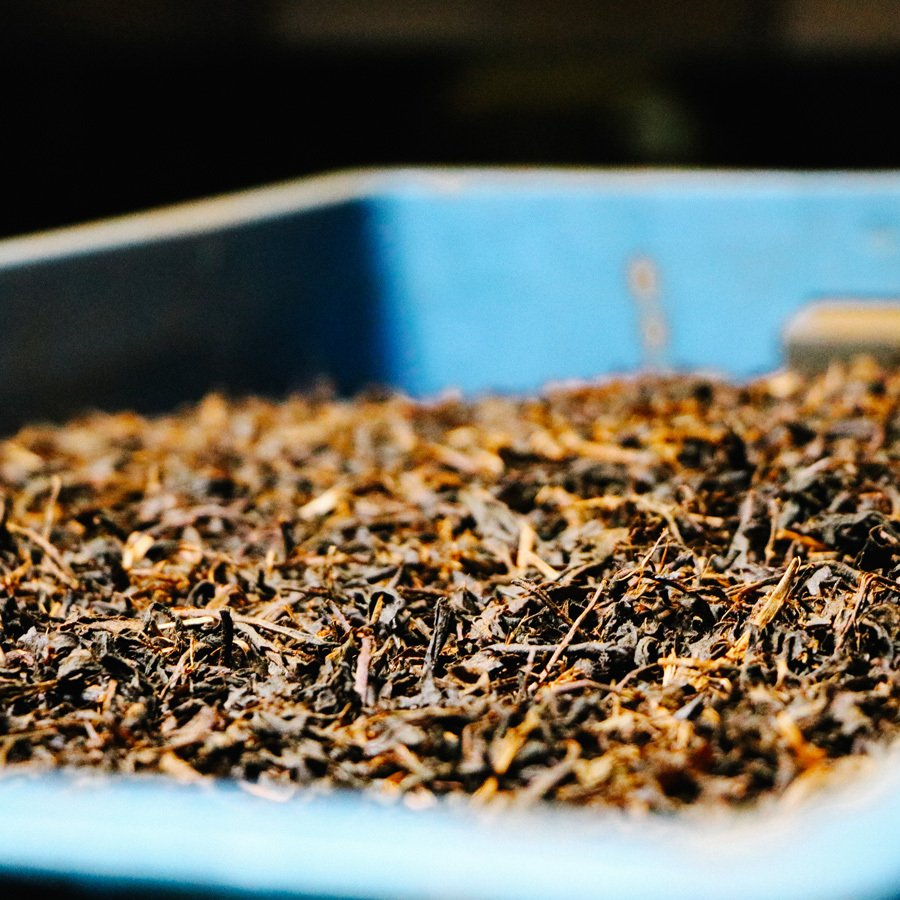
For this “Black Oriental Beauty”, the oxidation time is slightly longer than for a typical oolong. As a result, the leaves become somewhat darker and develop sweet, malt-like aromatic notes. Finally, the leaves are gently dried in an oven at 80 °C for three hours. At this stage, the white tips can clearly be seen among the leaf-coloured brown leaves. These white tips are the aromatic buds of the tea plant, and their abundance in the finished tea is another important indicator of quality.